
Traditional Japanese knives are prized for their exceptional craftsmanship, razor-sharp edges, and lightweight design, making them favorites among professional chefs and home cooks alike. The Miyabi Kaizen II 8-inch Chef’s Knife stands out as the best overall for its balance of performance and craftsmanship. The HOSHANHO 8-inch High Carbon Steel Knife offers professional-grade sharpness, while the Kai AE2908 Gyuto provides durability with dishwasher safety. Choosing the right knife involves weighing factors like blade material, handle comfort, and intended use. Continue reading for a detailed breakdown of these top picks and what makes each unique.

Get business pricing on tools and workshop supplies
- Business-only prices and quantity discounts
- Tax-exempt purchasing
- Multiple users, one account, clear invoices
Complete the kit


Key Takeaways
- The best knives combine high-quality steel with traditional craftsmanship for durability and edge retention.
- Handle ergonomics and material significantly impact comfort during extended use.
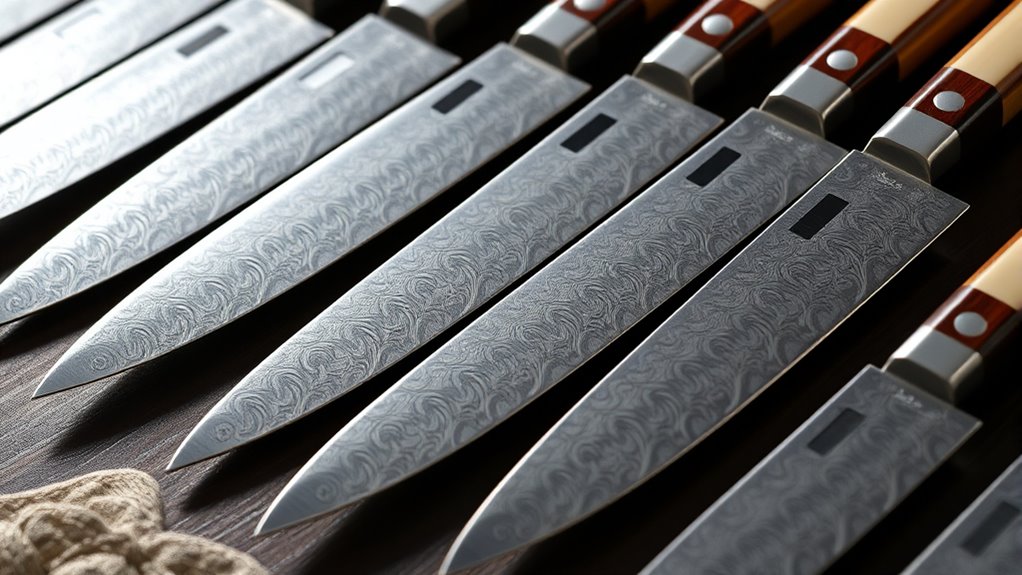
- Premium blades often feature intricate forging and layered steel, but come at a higher price point.
- Versatility varies; some knives excel at slicing fish and vegetables, while others are better for general prep.
- Tradeoffs often involve balancing sharpness, maintenance, and cost—more advanced steels require careful care but offer longer-lasting edges.
| Miyabi Kaizen II 8-inch Chef’s Knife, Stainless Steel |  | Best Overall for Precision and Craftsmanship | Blade Material: FC61 super steel with 48 layers of stainless steel | Blade Length: 8 inches | Hardness: 61 Rockwell | VIEW ON AMAZON | See Our Full Breakdown |
| 10” Sashimi Sushi Knife – Ultra Sharp Traditional Japanese Sushi Knife for Sashimi, Fish Filleting & Precision Slicing – Premium Stainless Steel Blade, Pakkawood Handle & Gift Box |  | Best for Precision Slicing and Elegant Presentation | Blade Length: 10 inches | Blade Material: Premium stainless steel | Handle Material: Pakkawood | VIEW ON AMAZON | See Our Full Breakdown |
| Traditional Japanese Professional Gyuto Kitchen Chef’s Knife – 8-inch High Carbon Stainless Steel with Single Bevel Edge |  | Best for Professional Precision and Traditional Craftsmanship | Blade Length: 8 inches | Steel Type: 420HC stainless steel | Edge Angle: 15° on right side | VIEW ON AMAZON | See Our Full Breakdown |
| HOSHANHO 8-inch Japanese High Carbon Steel Chef’s Knife – Professional Ultra Sharp Kitchen Knife with Ergonomic Handle |  | Best for Versatility and High-Quality Steel | Blade Material: Japanese high carbon steel 10Cr15CoMoV | Blade Length: 8 inches | Hardness: 60 HRC | VIEW ON AMAZON | See Our Full Breakdown |
| imarku 3-Piece Knife Set – Japanese HC Stainless Steel Kitchen Knives with Pakkawood Handles |  | Best for Complete Kitchen Needs and Gift-Giving | Number of pieces: 3 | Blade material: High-Carbon Japanese stainless steel | HRC hardness: 57±1 | VIEW ON AMAZON | See Our Full Breakdown |
| Japanese Chef Knife Set 3 Pcs – Damascus Kitchen Knives with VG10 Steel Core and Ocean-Blue Handles |  | Best Overall for Versatile Home and Professional Use | Number of Pieces: 3 | Included Knives: 8″ Chef Knife, 7″ Santoku Knife, 3.5″ Paring Knife | Steel Core: VG10 | VIEW ON AMAZON | See Our Full Breakdown |
| SHAN ZU 8 Inch Japanese Chef Knife, 9 Layers 10Cr15MoV High Carbon Steel |  | Best for Professional Precision and Edge Retention | Blade Length: 8 inches | Layers: 9 | Steel Core: 10Cr15MoV high carbon steel | VIEW ON AMAZON | See Our Full Breakdown |
| Kai AE2908 Gyuto Knife Seki Magoroku Akane 8.3 inches (210 mm), Made in Japan, Dishwasher Safe |  | Best for Everyday Use with Easy Maintenance | Blade Length: 8.3 inches (210 mm) | Blade Material: Molybdenum vanadium stainless steel | Handle Material: Polyacetal and nylon | VIEW ON AMAZON | See Our Full Breakdown |
| FAMCÜTE 8″ Japanese Chef Knife with Rosewood Handle |  | Best for Handcrafted Aesthetic and Precision | Blade Length: 8 inches | Steel Type: 9CR18MOV | Hardness: HRC 62 | VIEW ON AMAZON | See Our Full Breakdown |
| traditional japanese knife | Handle Material | Blade Length | Blade Material |
|---|---|---|---|
| Miyabi Kaizen II 8-inch Chef’s | Black pakkawood | 8 inches | FC61 super steel with 48 layers of stainless steel |
| 10” Sashimi Sushi Knife | Pakkawood | 10 inches | Premium stainless steel |
| Traditional Japanese Professio | Rosewood | 8 inches | — |
| HOSHANHO 8-inch Japanese High | Wood | 8 inches | Japanese high carbon steel 10Cr15CoMoV |
| imarku 3-Piece Knife Set | Pakkawood | — | High-Carbon Japanese stainless steel |
| Japanese Chef Knife Set 3 Pcs | Stabilized wood and resin | — | — |
| SHAN ZU 8 Inch Japanese Chef K | Natural red sandalwood | 8 inches | — |
| Kai AE2908 Gyuto Knife Seki Ma | Polyacetal and nylon | 8.3 inches (210 mm) | Molybdenum vanadium stainless steel |
| FAMCÜTE 8" Japanese Chef Knife | Rosewood | 8 inches | — |
More Details on Our Top Picks
Miyabi Kaizen II 8-inch Chef’s Knife, Stainless Steel
The Miyabi Kaizen II stands out for its combination of traditional hand-honed craftsmanship and modern steel technology. Crafted from FC61 super steel with 48 damascus stainless layers, it offers exceptional sharpness and durability that surpass many standard kitchen knives, including the HOSHANHO. Its double ice-hardening process and precise Honbazuke technique ensure cutting edge retention, making it ideal for detailed slicing tasks. The ergonomic D-shaped pakkawood handle provides comfort, though its size may be less suited for users preferring smaller grips. While the premium price may be a barrier, this knife offers a level of craftsmanship that justifies it for serious chefs or enthusiasts.
Pros:- Exceptional sharpness and durability due to FC61 steel and damascus layers
- Hand-honed with traditional Honbazuke method for precision
- Ergonomic D-shaped pakkawood handle for comfort
- Beautiful Damascus pattern enhances aesthetic appeal
Cons:- Premium price may be prohibitive for some
- Requires careful maintenance to prevent corrosion
- Handle may be too large for those preferring smaller grips
Best for: Professional chefs or serious home cooks who value traditional craftsmanship paired with high-performance steel.
Not ideal for: Casual cooks on a budget or those preferring lightweight, smaller knives for everyday use.
- Blade Material:FC61 super steel with 48 layers of stainless steel
- Blade Length:8 inches
- Hardness:61 Rockwell
- Hardened:Double ice-hardened FRIODUR
- Handle Material:Black pakkawood
- Handle Design:D-shaped ergonomic
- Origin:Seki, Japan
Our verdict“This knife is best suited for experienced cooks who prioritize craftsmanship and cutting precision over cost or weight.”
The 10-inch sashimi knife excels at slicing fish and meat with unmatched precision, making it a favorite for sushi chefs and home enthusiasts alike. Its traditional Yanagiba design, crafted from durable stainless steel, is comparable to the HOSHANHO in steel quality but offers a longer blade for larger fillets. Its single-bevel edge allows for extremely fine cuts, although it demands specific sharpening techniques, which may be a hurdle for casual users. The pakkawood handle ensures a comfortable grip, and its luxurious gift box makes it a perfect choice for gifting. Compared with multi-purpose knives, this tool specializes in fish, so it’s less versatile for general chores.
Pros:- Extremely sharp and precise for sashimi and filleting
- Elegant design with ergonomic, slip-resistant handle
- Durable stainless steel resistant to rust and corrosion
- Comes with a luxury gift box, ideal for gifting
Cons:- Requires careful handling to maintain sharpness
- Single-bevel blade may require specific sharpening technique
- Premium price may be high for casual users
Best for: Sushi chefs and fish lovers who need a dedicated, precision tool for sashimi and filleting.
Not ideal for: Home cooks seeking a multi-purpose chef’s knife or those unfamiliar with single-bevel sharpening techniques.
- Blade Length:10 inches
- Blade Material:Premium stainless steel
- Handle Material:Pakkawood
- Design:Traditional Japanese Yanagiba
- Included:Gift box
Our verdict“This knife is best for those who need a dedicated sashimi tool and are comfortable with specialized sharpening requirements.”
Traditional Japanese Professional Gyuto Kitchen Chef’s Knife – 8-inch High Carbon Stainless Steel with Single Bevel Edge
The Gyuto knife features a high-carbon stainless steel blade with a single bevel edge, offering razor-sharp precision for slicing vegetables, meats, and sashimi. Its 15° bevel on the right side enhances cutting control, akin to the Kai Magoroku but with a more traditional Japanese aesthetic. The full-tang rosewood handle provides excellent balance and durability, though it may require more maintenance to preserve its polish. Its single bevel demands careful sharpening, especially for left-handed users, limiting its versatility. This model suits professional chefs or dedicated home cooks who prioritize traditional Japanese single-bevel performance.
Pros:- Exceptional sharpness with a 15° single bevel edge
- Full-tang rosewood handle for balance
- High corrosion resistance with stainless steel
Cons:- Requires careful sharpening technique
- Handle may need maintenance to keep polish
- Limited to right-handed use
Best for: Professional chefs or serious home cooks wanting a traditional single-bevel Gyuto with high precision.
Not ideal for: Casual users or those who prefer symmetrical, double-bevel knives for ease of sharpening and handling.
- Blade Length:8 inches
- Steel Type:420HC stainless steel
- Edge Angle:15° on right side
- Handle Material:Rosewood
- Full Tang:Yes
- Bevel Type:Single bevel
Our verdict“This knife suits those committed to traditional Japanese single-bevel craftsmanship and precision slicing.”
HOSHANHO 8-inch Japanese High Carbon Steel Chef’s Knife – Professional Ultra Sharp Kitchen Knife with Ergonomic Handle
The HOSHANHO 8-inch chef’s knife offers a versatile option with Japanese high carbon steel, comparable in quality to the imarku set but with a focus on high performance across various kitchen tasks. Its 60 HRC hardness ensures excellent edge retention, and the matte finish adds a modern aesthetic. The ergonomic handle provides a secure, comfortable grip suitable for extended use, though the wooden handle needs care to prevent damage over time. While not as specialized as the 10-inch sashimi knife, it balances sharpness, durability, and versatility for everyday cooking—making it a practical choice for home chefs seeking a single high-quality knife.
Pros:- High-quality Japanese steel with excellent sharpness
- Ergonomic handle for comfort and safety
- Stylish matte blade design
- Suitable for chopping, slicing, and dicing
Cons:- Handle may require maintenance to prevent damage
- High-end price point may not suit budget buyers
- Not specialized for sashimi or fish filleting
Best for: Home cooks needing a durable, versatile chef’s knife capable of handling multiple tasks with high steel quality.
Not ideal for: Specialized fish filleting or sashimi tasks, where a dedicated single-bevel or longer blade might perform better.
- Blade Material:Japanese high carbon steel 10Cr15CoMoV
- Blade Length:8 inches
- Hardness:60 HRC
- Handle Material:Wood
- Blade Finish:Matte
- Sharpening Angle:13 degrees per side
Our verdict“This knife is ideal for everyday cooking where durability and versatility are valued over specialization.”
imarku 3-Piece Knife Set – Japanese HC Stainless Steel Kitchen Knives with Pakkawood Handles
The imarku 3-piece set offers a well-rounded selection of Japanese-style knives, including an 8-inch chef, a 7-inch nakiri, and a 3.5-inch paring knife. Crafted from high-carbon Japanese stainless steel with a hardness of around 57 HRC, these knives deliver sharpness comparable to more expensive single knives like the Kaizen II. The pakkawood handles provide comfort and balance, making this set suitable for home cooks or even semi-professional use. While the full set enhances versatility, it requires careful hand washing to maintain the handles and steel, and the limited number of pieces may mean additional knives are needed for comprehensive kitchen coverage.
Pros:- Ultra sharp blades with professional edge
- Ergonomic pakkawood handles for comfort
- Durable high-carbon stainless steel construction
- Elegant gift box packaging
Cons:- Requires hand washing to prevent handle damage
- Limited to three pieces—additional knives may be needed
- Handle material may wear over time with heavy use
Best for: Home cooks or gift buyers seeking a complete, high-quality Japanese knife set for daily use or as a thoughtful gift.
Not ideal for: Professional chefs or users who need a single specialized knife for tasks like sashimi or detailed filleting.
- Number of pieces:3
- Blade material:High-Carbon Japanese stainless steel
- HRC hardness:57±1
- Blade thickness:2.3mm
- Handle material:Pakkawood
- Included knives:8″ Chef, 7″ Nakiri, 3.5″ Paring
Our verdict“This set offers excellent value for home cooks wanting versatile, high-quality Japanese knives in a complete package.”
Japanese Chef Knife Set 3 Pcs – Damascus Kitchen Knives with VG10 Steel Core and Ocean-Blue Handles
This 3-piece set stands out for combining high-grade Damascus steel with VG10 core, offering exceptional sharpness and durability that rivals single knives like the Kai AE2908 Gyuto. The layered construction not only enhances strength but also creates an eye-catching pattern, making it a favorite for those who value aesthetics alongside performance. The ergonomic ocean-blue handles provide comfort during extended use, but the premium price and the need for hand-washing to preserve quality may deter casual cooks. Compared with the FAMCÜTE Rosewood Chef Knife, this set offers more versatility and a complete cutting experience, though at a higher investment. It’s ideal for serious home cooks or professionals who want a beautiful, durable set without sacrificing functionality.
Pros:- High-quality Damascus steel with VG10 core for excellent sharpness and durability
- Elegant layered pattern enhances aesthetics and durability
- Ergonomic ocean-blue handles reduce fatigue and improve grip
- Complete set offers versatility for various kitchen tasks
Cons:- Premium price may be prohibitive for casual buyers
- Hand-washing recommended to maintain blade integrity
- Set may be more than needed for occasional cooking
Best for: Experienced home cooks and professionals seeking a complete, high-quality knife set with aesthetic appeal
Not ideal for: Casual users or those on a tight budget who prefer single, more affordable knives
- Number of Pieces:3
- Included Knives:8″ Chef Knife, 7″ Santoku Knife, 3.5″ Paring Knife
- Steel Core:VG10
- Layers:67
- Handle Material:Stabilized wood and resin
- Blade Hardness:62 HRC
- Blade Angle:12° per side
Our verdict“This set is perfect for those who want a visually stunning, durable, and versatile knife collection for serious cooking tasks.”
SHAN ZU 8 Inch Japanese Chef Knife, 9 Layers 10Cr15MoV High Carbon Steel
Compared with the Damascus set, the SHAN ZU 8 Inch Japanese Chef Knife offers a simpler 9-layer forged steel design with a high-quality 10Cr15MoV core, emphasizing sharpness and edge retention. Its ergonomic octagonal handle provides precise control, making it suitable for chefs who prioritize performance over visual flair. The matte finish reduces fingerprints, but the handle may require additional maintenance to keep it in prime condition. While the Kai Gyuto boasts a dishwasher-safe feature, this knife’s manual care can extend its lifespan. This pick makes the most sense for professionals or serious amateurs who need reliable, sharp knives with a straightforward design.
Pros:- Durable 9-layer forged steel construction for longevity
- High-quality Japanese 10Cr15MoV steel core for sharpness
- Ergonomic octagonal handle enhances grip and reduces fatigue
- Matte blade finish minimizes fingerprints
Cons:- Handle needs regular maintenance to prevent drying or cracking
- 8-inch blade size may be unwieldy for smaller hands or tasks
- Higher price point for casual users
Best for: Professional chefs or dedicated home cooks who prioritize edge retention and precise control
Not ideal for: Casual cooks who prefer low-maintenance, dishwasher-friendly options or decorative knives
- Blade Length:8 inches
- Layers:9
- Steel Core:10Cr15MoV high carbon steel
- HRC:62
- Blade Angle:12°
- Handle Material:Natural red sandalwood
Our verdict“This knife is ideal for professionals or serious enthusiasts seeking precise, long-lasting sharpness and control.”
Kai AE2908 Gyuto Knife Seki Magoroku Akane 8.3 inches (210 mm), Made in Japan, Dishwasher Safe
The Kai AE2908 Gyuto excels in providing a high-hardness stainless steel blade with triple-layer processing, making it a reliable choice for everyday slicing and dicing. Its heat-resistant, dishwasher-safe handle simplifies cleanup, especially compared to more delicate knives like the FAMCÜTE Rosewood Chef Knife. However, its design caters solely to right-handed users, and its lighter weight may lack the heft preferred by some cooks. While the triple-layer construction ensures sharpness, the stainless steel may not hold an edge as long as high-carbon alternatives, requiring more frequent honing. It’s best suited for cooks who want a low-maintenance, durable Japanese knife without sacrificing performance.
Pros:- Sharp, durable triple-layer steel blade for consistent slicing
- Heat-resistant, dishwasher-safe handle for easy cleaning
- Made in Japan ensuring quality craftsmanship
- Lightweight design for maneuverability
Cons:- Designed only for right-handed use
- Light weight may feel less substantial to some users
- May require more frequent honing compared to high-carbon blades
Best for: Home cooks seeking an easy-care, dishwasher-safe Japanese chef knife for daily kitchen tasks
Not ideal for: Left-handed users or those preferring traditional high-carbon knives with a more refined look
- Blade Length:8.3 inches (210 mm)
- Blade Material:Molybdenum vanadium stainless steel
- Handle Material:Polyacetal and nylon
- Size:1.7 x 13.0 x 0.7 inches
- Weight:Approx. 5 oz
- Made in:Japan
- Dishwasher Safe:Yes
Our verdict“This knife is best for everyday cooks who want a reliable, low-maintenance Japanese knife with modern conveniences.”
FAMCÜTE 8″ Japanese Chef Knife with Rosewood Handle
The FAMCÜTE 8″ Japanese Chef Knife offers a striking combination of hand-forged steel with a beautiful rosewood handle, making it a standout for those who value craftsmanship and aesthetics. Its 9CR18MOV steel delivers exceptional edge retention and long-term sharpness, similar to the Damascus set but with a more traditional look. The ergonomic octagonal handle provides comfort and control, though it requires careful hand washing to preserve the wood. Compared to the stainless steel Kai Gyuto, this knife emphasizes artisanal quality and beauty, but at a higher cost. It’s best suited for cooking enthusiasts who appreciate both performance and craftsmanship in a traditional style.
Pros:- Hand-forged steel for exceptional edge sharpness and durability
- Beautiful rosewood handle adds aesthetic appeal
- Rust and corrosion resistant for longevity
- Ergonomic octagonal handle for precise control
Cons:- Requires hand washing and careful maintenance
- Higher price point may be prohibitive for some
- Production time of 60 days reflects artisanal craftsmanship
Best for: Aesthetically minded cooks who want a handcrafted, high-performance kitchen knife
Not ideal for: Casual cooks or those seeking low-cost, low-maintenance knives, due to higher price and care requirements
- Blade Length:8 inches
- Steel Type:9CR18MOV
- Hardness:HRC 62
- Handle Material:Rosewood
- Production Time:60 days
Our verdict“This knife is ideal for those who want a handcrafted, visually stunning Japanese chef knife that performs well over time.”

How We Picked
These knives were selected based on their craftsmanship, material quality, edge retention, ease of maintenance, and user reviews. We prioritized models that exemplify traditional Japanese forging techniques, such as layered Damascus or high-carbon steels, which are known for sharpness and durability. The ranking also considers handle ergonomics, balance, and overall value, helping buyers find options suitable for both professional and home kitchens. Our aim was to highlight a variety of price points and use cases, ensuring there’s a recommended pick for every type of buyer.| traditional japanese knife | Blade Material |
|---|---|
| Miyabi Kaizen II 8-inch Chef’s | FC61 super steel with 48 layers of stainless steel |
| 10” Sashimi Sushi Knife | Premium stainless steel |
| Traditional Japanese Professio | — |
| HOSHANHO 8-inch Japanese High | Japanese high carbon steel 10Cr15CoMoV |
| imarku 3-Piece Knife Set | High-Carbon Japanese stainless steel |
| Japanese Chef Knife Set 3 Pcs | — |
| SHAN ZU 8 Inch Japanese Chef K | — |
| Kai AE2908 Gyuto Knife Seki Ma | Molybdenum vanadium stainless steel |
| FAMCÜTE 8" Japanese Chef Knife | — |
Factors to Consider When Choosing Traditional Japanese Knives
Choosing a traditional Japanese knife involves understanding several key factors that influence performance and longevity. While appearance and brand matter, the core considerations often relate to the steel type, edge geometry, handle comfort, and intended use. Recognizing these elements can help you avoid common pitfalls, such as choosing a blade that’s too delicate or ill-suited to your cooking style. Here are the main factors to keep in mind:Blade Material and Steel Quality
High-carbon steels like VG10 or White #2 are prized for their sharpness and ease of sharpening, but they require careful maintenance to prevent rust. Layered Damascus steel offers a combination of beauty and durability, with multiple layers providing strength and flexibility. Cheaper steels may dull quickly or chip under frequent use, so investing in quality steel often pays off in the long run, especially for professional chefs or serious home cooks.
Edge Geometry and Sharpness
Japanese knives typically feature a thinner, more acute edge angle than Western counterparts, which allows for precise slicing but can be more fragile. Consider whether you need a single-bevel or double-bevel edge; single-bevel knives excel at specific tasks like fish filleting but require more skill to use safely. A sharper edge enhances cutting performance but may need more frequent honing or professional sharpening, so assess your willingness to maintain it properly.
Handle Comfort and Ergonomics
The handle influences control and comfort, especially during prolonged use. Traditional Japanese knives often feature lightweight, wooden handles like Pakkawood or Rosewood, which feel natural but may require more care. Some models have Western-style handles for better grip and familiarity, making them easier for those new to Japanese knives. Test the handle’s balance with the blade to ensure a comfortable, secure grip that reduces fatigue.
Intended Use and Versatility
Not all Japanese knives are created equal in versatility. Gyuto knives are akin to Western chef’s knives, suitable for a range of tasks. Sashimi knives focus on fish and delicate slicing, while Nakiri blades excel at vegetable prep. Think about your primary tasks in the kitchen before choosing; a more specialized knife may perform better for specific jobs but might be less versatile overall. Investing in a set can cover multiple needs but at a higher cost.
Price and Maintenance Considerations
Quality Japanese knives tend to be more expensive, reflecting their craftsmanship and materials. While cheaper options may seem tempting, they often require more frequent sharpening and may not last as long under heavy use. Consider how much effort you’re willing to dedicate to upkeep; high-end steels with layered construction often need professional sharpening but reward you with lasting sharpness. Balance your budget with your maintenance capacity to select a knife that fits your lifestyle.
Frequently Asked Questions
Are Japanese knives suitable for everyday home cooking?
Absolutely. Many Japanese knives, especially those with double-bevel edges like Gyuto or Santoku, are designed for versatile kitchen tasks. They are lightweight and sharp, making food prep more efficient and enjoyable. However, some delicate high-carbon steels require careful cleaning and storage to prevent rust, so consider your willingness to maintain them regularly. With proper care, Japanese knives can be as durable as Western counterparts for daily use.
What is the difference between single-bevel and double-bevel Japanese knives?
Single-bevel knives are ground on one side, offering a more precise, thinner edge ideal for tasks like fish filleting or sashimi. Double-bevel knives are ground on both sides, making them more user-friendly for right- or left-handed users and suitable for general prep. Single-bevel blades require more skill to handle safely and may be less versatile, but they excel at specific, delicate cuts. Your choice depends on your cuisine focus and sharpening skill level.
How often do Japanese knives need sharpening?
The frequency depends on usage and steel quality. High-carbon steels tend to hold their edge longer but can dull faster if used on hard surfaces or for heavy-duty tasks. A professional sharpening every 6-12 months is common for serious cooks, while casual users might extend that to once a year. Honing with a whetstone or ceramic rod between sharpenings helps maintain the edge and prolongs the time between professional services.
Are traditional Japanese knives dishwasher safe?
Most high-quality Japanese knives are not recommended for dishwasher cleaning, as the harsh detergents and high heat can damage the steel and handles. Hand washing with warm water and mild soap is best to preserve the blade’s integrity and appearance. Additionally, drying promptly prevents rust, especially on high-carbon steels. Investing in a good knife storage solution, like a wooden block or magnetic strip, also helps maintain their condition.
Should I buy a full set or individual knives?
Choosing between a set and individual knives depends on your needs and budget. Sets can offer good value and cover multiple tasks, ideal for beginners or those building a collection. However, individual knives allow you to select the best tools tailored to your cooking style, often resulting in higher quality for specific tasks. For most home cooks, starting with a versatile Gyuto and a sashimi or Nakiri knife provides a solid foundation, with additional pieces added over time as needed.
Conclusion
For general everyday use, the Miyabi Kaizen II offers a superb balance of craftsmanship, sharpness, and affordability, making it the best overall choice. Budget-conscious buyers should consider the imarku 3-Piece Knife Set, which provides great value for a complete beginner setup. Those seeking the ultimate in quality and durability might prefer the Kai AE2908 Gyuto or the Japanese Damascus Steel Set for their layered construction and premium materials. Beginners will benefit from handles and blades that are easier to control and maintain, while professionals might prioritize edge retention and forging techniques. Ultimately, your decision should align with your cooking style, maintenance willingness, and budget.
Fall yard work Picks
leaf blowers
As an affiliate, we earn on qualifying purchases.