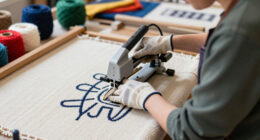
Some fabrics resist holding heat transfer vinyl because their fibers and surface textures aren’t compatible with the heat and pressure needed for proper adhesion. Delicate, synthetic, or waterproof materials often melt, warp, or repel the vinyl, making it hard to transfer properly. Fabrics with loose weaves or stretch can cause uneven sticking or peeling over time. If you want to know how to overcome these issues and get better results, keep exploring the details below.
Key Takeaways
- Synthetic fabrics or waterproof coatings can resist heat transfer, preventing proper HTV adhesion.
- High temperatures or prolonged heat may cause melting or warping, leading to poor vinyl bonding.
- Textured or loosely woven fabrics create uneven surfaces, reducing adhesion effectiveness.
- Fabrics prone to shrinking or stretching may cause the vinyl to lift or peel over time.
- Incompatible fabrics lack the heat resistance needed for successful HTV application.
Choosing the right fabric is crucial when working with heat transfer vinyl (HTV) because not all materials respond well to the heat application process. Some fabrics simply refuse to hold HTV, and understanding why can save you time, effort, and frustration. The key factors come down to fabric durability and the specific heat transfer techniques you’re using. When you select a fabric that isn’t compatible, you risk poor adhesion, peeling, or even damaging the material itself.
Fabric durability plays a significant role in how well HTV adheres. Natural fibers like cotton or polyester tend to work better because they can withstand the heat and pressure needed for proper bonding. These fabrics have a stable structure, allowing the vinyl to melt and set effectively. On the other hand, delicate or synthetic fabrics—such as nylon, certain athletic materials, or fabrics with a waterproof coating—often resist HTV. These materials may not tolerate the high temperatures or prolonged heat application, leading to melting, warping, or incomplete adhesion. When a fabric isn’t resilient enough to handle heat transfer techniques, the vinyl fails to bond properly, resulting in a sticky or flaking design. Ensuring proper fabric compatibility can help prevent these common issues. Additionally, selecting fabrics with appropriate heat resistance can make a significant difference in project success.
Natural fibers like cotton and polyester ensure strong HTV adhesion, while delicate or synthetic fabrics may resist or warp.
Another critical factor is the type of heat transfer technique you use. Different methods—like warm peel, cold peel, or hot peel—require specific temperature and pressure settings. If you don’t adjust your heat transfer techniques to suit the fabric, you’ll encounter issues. For instance, some fabrics need a lower temperature or shorter pressing time. Applying standard settings across all materials increases the likelihood that the vinyl won’t stick or that the fabric may get damaged. It’s essential to research the recommended settings for each fabric type and adapt your heat transfer techniques accordingly. Additionally, understanding heat transfer methods can help you choose the best approach for different fabrics.
Furthermore, the composition of the fabric influences how well HTV adheres. Fabrics with a smooth, tight weave tend to hold vinyl better because there are fewer gaps and irregularities. Conversely, textured or loosely woven fabrics create uneven surfaces, making it challenging for the vinyl to bond evenly. If you’re working with a fabric that’s prone to stretching or shrinking, it’s even more important to pre-test your heat transfer process to avoid peeling or misalignment. Additionally, fabric composition can affect how well HTV adheres because some synthetic fibers may resist heat or react negatively to high temperatures. Being aware of these factors and selecting materials accordingly can significantly improve your results. Knowing the heat tolerance of your fabric beforehand helps ensure the best possible adhesion.
In essence, choosing fabrics with good resilience and understanding the appropriate heat transfer techniques are vital to successful HTV projects. Not all fabrics are created equal, and recognizing their limitations can help you select the best materials for your designs. When you match the right fabric with the proper heat transfer methods, you’ll achieve cleaner, longer-lasting results that look professional and stand up to wear.

A-SUB Sublimation HTV for Dark and Light Fabric, 12" X 10FT Matte Sublimation Vinyl, White HTV Vinyl for Sublimation on Cotton Fabric – T-Shirt, Pillow, Bag
SUBLIMATION HTV FOR DARK&LIGHT COTTON FABRIC: A-SUB white sublimation HTV vinyl is specially designed to transfers sublimation ink…
As an affiliate, we earn on qualifying purchases.
As an affiliate, we earn on qualifying purchases.
Frequently Asked Questions
Can Fabric Color Affect Heat Transfer Vinyl Adhesion?
Yes, fabric color can affect heat transfer vinyl adhesion. Fabric dye and color bleeding can create a barrier that prevents the vinyl from sticking properly. Light-colored or bleached fabrics tend to hold vinyl better, while darker or heavily dyed fabrics might cause adhesion issues. To improve results, pre-wash your fabric to remove excess dye and guarantee a clean, dry surface before applying vinyl.
Does Fabric Weight Impact Vinyl Sticking Effectiveness?
Think of fabric weight as the stage where heat transfer vinyl performs; if it’s too lightweight, the vinyl struggles to stick, like a performer slipping on a slippery stage. Heavier fabrics with tighter fabric weave and lower material porosity provide a stable surface, ensuring better adhesion. Thicker fabrics often hold heat better, giving the vinyl more grip, whereas lighter, more porous materials allow heat and adhesive to escape, making sticking less effective.
Are There Specific Fabrics Best Suited for Heat Transfer Vinyl?
You should choose fabrics with fiber compatibility and smooth surfaces for the best heat transfer vinyl results. Cotton, polyester, and blends generally work well because their fiber structures bond easily with vinyl. Avoid rough or textured fabrics, as surface smoothness considerations can prevent proper adhesion. Ensuring your fabric is compatible and smooth will help create a clean, durable design that adheres effectively and lasts longer.
How Does Fabric Texture Influence Vinyl Application?
Fabric texture influences vinyl application like a rough road hampers a smooth ride. A tightly woven fabric with a smooth surface allows the heat transfer vinyl to adhere better, ensuring a clean, durable finish. Conversely, loose weaves or textured surfaces create bumps and valleys, making it difficult for the vinyl to stick evenly. To get the best results, choose fabrics with a tight weave and a smooth surface for your projects.
Can Fabric Stretchability Cause Vinyl Peeling?
Yes, fabric stretchability can cause vinyl peeling. When you apply heat transfer vinyl to highly elastic fabrics, their stretchiness can cause the vinyl to lift or peel over time. Fabric elasticity allows the material to stretch and move, which can break the bond. Additionally, material porosity plays a role—more porous fabrics may not hold the vinyl as well, leading to peeling as the fabric stretches or shifts.

Frisco Craft Heat Transfer Vinyl Transfer Tape – Clear Iron-On Tape Patterned HTV & Adhesive Paper for Large & Small Projects, Heat Press, No Residue, Reusable up to 5 Times, High Tack (12" x 50 ft)
CONSISTENT, FLAWLESS TRANSFERS: Frisco Craft’s Heat Transfer Vinyl (HTV) Transfer Tape delivers smooth, precise applications for perfect designs….
As an affiliate, we earn on qualifying purchases.
As an affiliate, we earn on qualifying purchases.
Conclusion
So, when heat transfer vinyl refuses to cling, it’s like trying to dance with a stubborn partner who just won’t follow your lead. Fabrics that resist heat transfer are the gatekeepers, blocking your creative flow like a fortress of fabric. But don’t fret—by choosing the right materials and mastering your technique, you’ll turn that stubborn fabric into a canvas that enthusiastically embraces your design, transforming your craft into a masterpiece that sticks as surely as your passion.

Calogy Mini Heat Press, Heat Transfer Machine, Constant Temp Control, Insulated Safety Base, Fits for Crafts, T-Shirt, Hat, Cap, Pillows(White Pink)
Only 1 Button Design: Press 1 time to increase temp; press 2 times to decrease temp; Press 3…
As an affiliate, we earn on qualifying purchases.
As an affiliate, we earn on qualifying purchases.

HTVRONT Heat Transfer Paper for T Shirts 20 Sheets, 8.5" X 11" Printable Heat Transfer Vinyl, Vivid Color & Durable Iron on Transfer Paper for Dark Fabric
Vivid Colors: This printable heat transfer vinyl is your must-have for transferring your favorite images. You will definitely…
As an affiliate, we earn on qualifying purchases.
As an affiliate, we earn on qualifying purchases.