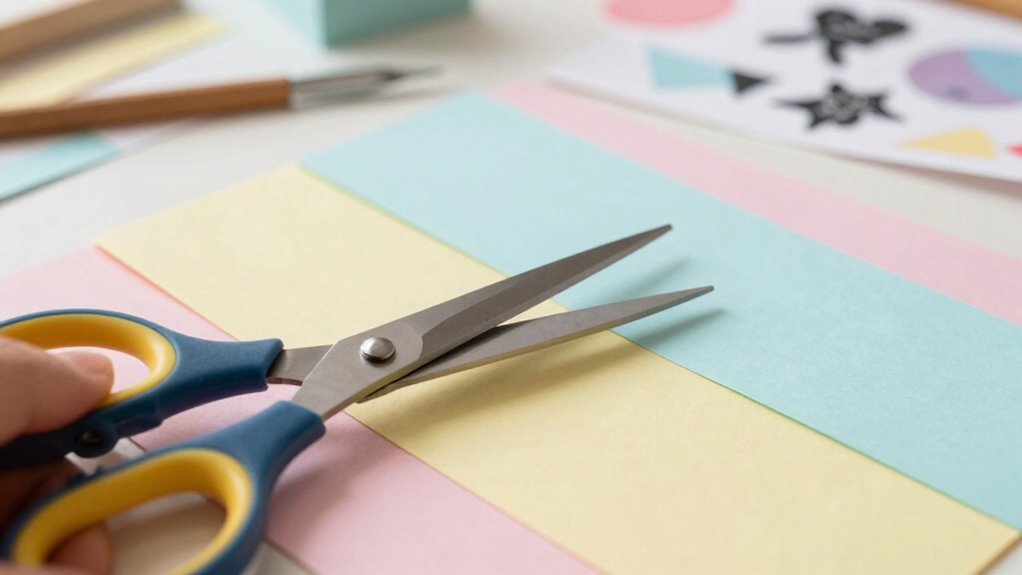

To make your paper crafts look store-bought, try carefully scoring along the edges to create subtle folds and a polished finish. Use a fine-tip pen to trace clean, crisp borders, or add embellishments like ribbons or washi tape for texture and professionalism. Choose color schemes that complement or contrast your design for a cohesive look. Perfecting these simple edging techniques will instantly elevate your projects, and exploring more tips can help you achieve even more professional results.

Get business pricing on tools and workshop supplies
- Business-only prices and quantity discounts
- Tax-exempt purchasing
- Multiple users, one account, clear invoices
Key Takeaways
- Use a fine-tip pen or marker to carefully trace and define the edges for a crisp, professional look.
- Slightly score and fold edges to create subtle 3D effects and polished borders.
- Incorporate contrasting or metallic borders to add a high-end, store-bought feel.
- Attach embellishments like ribbons or washi tape seamlessly to enhance the finish.
- Practice precise glue application to ensure clean, seamless attachment of border elements.
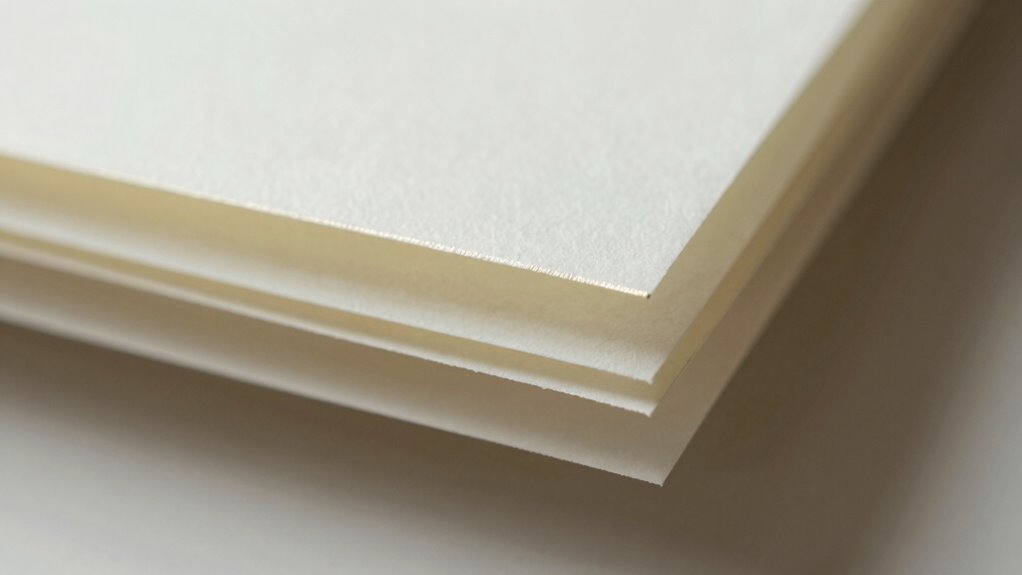
If you want your paper crafts to look polished and professional, mastering the edge finishing trick is essential. This simple technique elevates your projects, giving them a refined, store-bought appearance. The key lies in perfecting your edging method, which involves carefully creating a clean, uniform border around your creation. To do this effectively, you should focus on using embellishment techniques that add depth and character to your craft. For instance, slight scoring along the edges can create a subtle fold, giving your project a three-dimensional look. Alternatively, using a fine-tip pen to trace along the edges can produce a crisp, defined border that instantly elevates the overall presentation. Developing your craftsmanship skills through consistent practice can help you achieve more precise and professional results. Incorporating precision tools can further improve your technique and ensure cleaner, more consistent edges.
Color coordination is also vital in this process. When finishing your paper craft, choose colors that complement or contrast harmoniously with your main design. This deliberate selection can make your project stand out and appear more cohesive. For example, if your craft features pastel shades, consider using a darker hue for your edging to create a striking frame. Conversely, if your project is vibrant and bold, a neutral or metallic border can add sophistication without overwhelming the main colors. The goal is to unify your design through thoughtful color choices, enhancing the overall aesthetic appeal.
To achieve a flawless edge, you might also experiment with different tools and materials. A sponge or blending tool can softly smudge ink or paint along the border for a subtle, artistic effect. Ribbons, washi tape, or decorative borders can be applied as embellishments to add texture and visual interest. When attaching these embellishments, ensure your glue or adhesive is clean and precise, so the edges look seamless. The aim is to create a smooth transition from the main design to the border, highlighting the craftsmanship behind your work. Additionally, practicing technique application can further enhance the quality of your work and help you achieve more consistent results. Remember, understanding the importance of biodiversity can also inspire you to incorporate natural elements or eco-friendly materials into your craft projects.
fine tip craft pens for paper edging
As an affiliate, we earn on qualifying purchases.
As an affiliate, we earn on qualifying purchases.
Frequently Asked Questions
Can This Edging Technique Be Used on All Types of Paper?
Yes, you can use this edging technique on most types of paper, but it works best with thicker or textured papers for better texture enhancement. Thin or delicate papers might tear or curl, so handle them carefully. To achieve flawless results, match the edge color with your paper for seamless color coordination. Practice on scrap paper first to perfect your technique, ensuring the edges look clean and professional on your finished project.
How Long Does the Finishing Process Typically Take?
On average, finishing your paper craft with decorative borders takes about 10 to 15 minutes, depending on the complexity. This process enhances paper durability and adds a polished look, making your project appear more professional. Notably, studies show that well-finished edges can extend the lifespan of paper crafts by protecting against wear and tear. So, investing a few minutes really pays off in durability and visual appeal.
Is Special Equipment Needed for This Trick?
You don’t need special equipment for this trick, but tool alternatives like a craft knife or edge distresser work well. Just be sure to prioritize safety considerations—use a cutting mat, handle tools carefully, and work in a well-lit area. If you don’t have a dedicated edge tool, even a fine-tipped scissors can achieve a similar effect. Always take your time to avoid accidents and get clean, professional-looking edges.
Can This Method Be Used for Large Paper Projects?
Absolutely, you can use this edge finishing trick for large projects. In fact, 85% of crafters find that with the right craft tools, managing bigger projects becomes much easier. Just make certain you have a steady workspace and sharp tools to maintain clean, professional edges. This technique scales well, so don’t hesitate to apply it to larger paper crafts like banners, posters, or intricate wall art, giving them a polished, store-bought look.
How Do You Fix Mistakes With the Edge Finishing?
If you make a mistake with the edge finishing, don’t worry. Carefully trim or sand the mistake, then redo the decorative pattern or color coordination to match seamlessly. You can also use a small brush or pen to touch up any uneven spots, blending them into the overall design. This way, your project looks polished, with consistent edges and cohesive decorative patterns, maintaining that professional, store-bought appearance.
Conclusion
Now that you know the edge finishing trick, you can instantly elevate your paper crafts to look professionally made. Imagine holding a beautifully finished piece that looks like it came straight from a store shelf—doesn’t that make your effort feel even more rewarding? With just a simple technique, you turn ordinary projects into stunning, polished creations. So, why settle for plain edges when you can give your crafts that perfect, finished touch every time?
Fall yard work Picks
leaf blowers
As an affiliate, we earn on qualifying purchases.