TL;DR

Get tools and workshop supplies delivered free — and shop member deals
- Fast, free delivery on millions of items
- Access to Prime Big Deal Days deals on October 6–7
- Prime Video, Amazon Music and more included
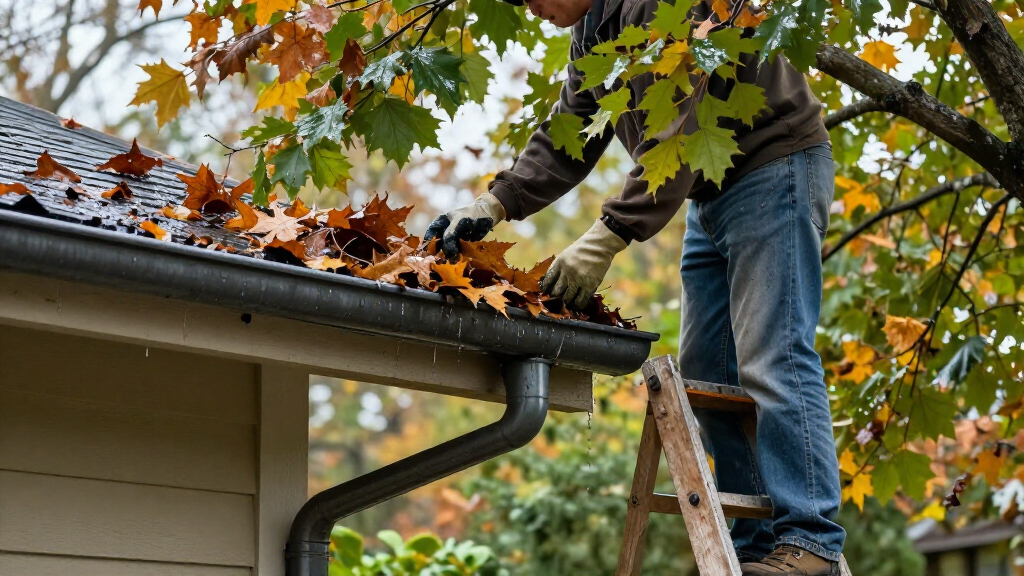
Homeowners facing gutter blockages from neighbour’s trees have limited legal recourse unless significant damage occurs. Experts advise communicating with neighbours, pruning overhanging branches at the boundary, and keeping evidence. Legal claims require proof of substantial nuisance or property damage, not just inconvenience.
Legal experts emphasize that open communication is often the most effective resolution. Victoria Quinn, Partner of Disputes & Regulatory at law firm Wilkin Chapman Rollits, notes that neighbours may not be aware of the problem and might agree to trim branches to reduce debris. If dialogue fails, homeowners have a common-law right to prune branches that overhang their property. However, this right is strictly limited to the boundary line; entering the neighbour’s land or cutting beyond the boundary is prohibited.
Before pruning, it is critical to check for a Tree Preservation Order (TPO) or if the tree is in a conservation area. Sarah Dodd, founder of Tree Law, warns that cutting a protected tree without consent can lead to severe penalties. Homeowners should verify status via the local council’s planning map. If the tree is unprotected, trimming back to the boundary is a permissible self-help remedy.
Experts strongly advise keeping a detailed record of the issue. This includes photographs of blocked gutters, receipts for cleaning costs, and notes on any remedial work. Victoria Quinn states that this evidence is vital if the matter escalates and may also prompt the neighbour to act once they see the tangible impact. Without such documentation, pursuing further action becomes significantly more difficult.
When Leaf Fall Becomes a Legal Nuisance
This guidance matters because many homeowners mistakenly believe they have an immediate legal right to force a neighbour to clean their tree or pay for damages. In reality, the legal threshold for nuisance claims is high. Sarah Dodd explains that ordinary inconvenience, such as the need to clear gutters periodically, is unlikely to be enough to justify legal intervention. The interference must be sufficiently substantial to warrant court involvement.
However, the situation changes if the leaves cause actual property damage, such as mould growth or structural issues. In these cases, the legal position may shift, allowing for formal complaints via the local council or potential civil claims. Understanding this distinction helps homeowners manage expectations and avoid costly, unsuccessful legal battles over minor annoyances. It also highlights the importance of proactive maintenance and neighbourly relations in preventing disputes from escalating.
As an affiliate, we earn on qualifying purchases.
Common Law Rights and TPO Restrictions
The right to trim overhanging branches stems from common law principles regarding property boundaries. Homeowners are entitled to cut back vegetation that crosses their boundary line to prevent trespass and nuisance. However, this right does not extend to the roots or the tree trunk on the neighbour’s land. The legal framework balances the homeowner’s right to enjoy their property with the neighbour’s ownership rights.
Environmental protections add another layer of complexity. Tree Preservation Orders and conservation area regulations restrict pruning and felling to protect biodiversity and local character. Violating these orders can result in fines and prosecution. Therefore, the legal advice consistently stresses the need for due diligence before any physical action is taken. This context underscores why informal resolution is preferred; it avoids the regulatory risks and legal costs associated with formal disputes.
“Open communication often resolves these types of issues more effectively and amicably than legal action.”
— Victoria Quinn, Partner of Disputes & Regulatory at Wilkin Chapman Rollits
Defining Substantial Interference in Court
It remains unclear exactly what constitutes substantial interference in every specific case, as this is determined on a case-by-case basis by courts. While mould or significant structural damage is generally accepted as sufficient grounds, the threshold for repeated gutter blockages without major damage is ambiguous. Local council responses may also vary, with some areas being more proactive than others in dealing with neighbour tree disputes. Homeowners should be aware that legal outcomes are not guaranteed and depend heavily on the specific evidence presented.
Escalating to Formal Council Complaints
If communication and self-help pruning fail, and the issue persists causing genuine nuisance or damage, the next step is to consider a formal complaint. This may involve contacting the local council, particularly if the tree is protected or if the nuisance is severe. In cases of actual property damage, seeking specialist legal advice is recommended. Homeowners should continue to document all interactions and damages, as this evidence will be crucial in any formal proceedings or insurance claims.
Key Questions
Can I cut my neighbour’s tree branches without permission?
You can generally cut branches that overhang your property back to the boundary line, provided the tree is not protected by a Tree Preservation Order (TPO) or in a conservation area. You must not enter their land or cut beyond the boundary.
Does my neighbour have to clean my gutters?
No, your neighbour is not legally obligated to clean your gutters. However, if the leaves are causing substantial nuisance or property damage, you may have grounds for a legal claim or council intervention.
What should I do if the tree has a TPO?
You must not prune or cut any part of the tree without written consent from the local planning authority. Check the tree’s status via your local council’s interactive planning map before taking any action.
Is having to clean gutters often enough for legal action?
According to experts, ordinary inconvenience like regular gutter cleaning is unlikely to be enough for legal intervention. The interference must be substantial, such as causing mould or significant property damage.
Source: rss
Fall Picks
fall essentials
As an affiliate, we earn on qualifying purchases.