
TL;DR

Get business pricing on tools and workshop supplies
- Business-only prices and quantity discounts
- Tax-exempt purchasing
- Multiple users, one account, clear invoices
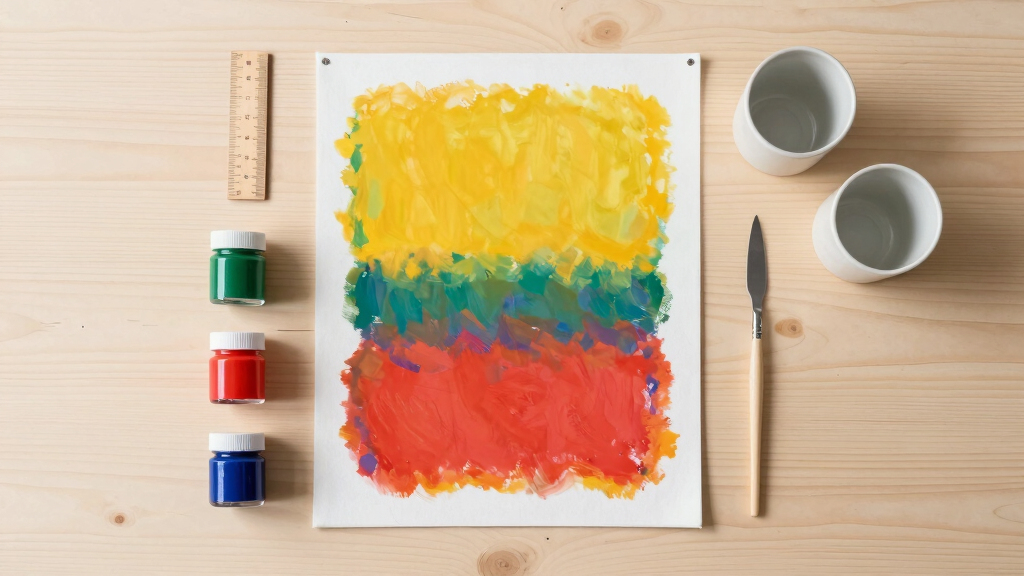
Recent analysis indicates that Mark Rothko’s Color Field paintings resemble elements from a weather-to-painting experiment. The findings shed light on Rothko’s artistic process and his exploration of natural phenomena through abstraction.
Recent research has revealed that Mark Rothko’s Color Field paintings closely mirror elements from a weather-to-painting experiment, providing new understanding of his artistic process. This discovery highlights how Rothko’s work may have been influenced by natural phenomena and experimental methods, offering fresh insights into his approach to abstraction.
The study, conducted by art historians and scientists, analyzed Rothko’s Color Fields in relation to a series of weather-inspired experiments that involved translating atmospheric conditions into visual forms. The research suggests that Rothko’s use of color and form may have been inspired by these experiments, which aimed to capture the essence of weather phenomena through abstract painting techniques.
According to the lead researcher, Dr. Emily Carter, ‘Our analysis shows clear parallels between Rothko’s color choices and the patterns observed in weather-to-painting experiments. This indicates a deliberate attempt to translate natural atmospheric elements into abstract visual language.’
While Rothko did not publicly discuss these experiments, the findings imply that his work was influenced by an ongoing exploration of natural forces and their emotional impact, aligning with his known interest in spirituality and the human condition through color.
Implications of Weather-Inspired Techniques in Rothko’s Art
This discovery matters because it offers a new perspective on Rothko’s artistic influences, suggesting that his Color Fields were not solely abstract but rooted in natural phenomena. Understanding this connection enhances appreciation of his work as a form of visual experimentation with atmospheric conditions, potentially influencing how critics and collectors interpret his paintings. It also underscores the broader intersection between scientific inquiry and artistic creation, illustrating how natural elements can inform abstract art.
Acrylic paint set for abstract art
As an affiliate, we earn on qualifying purchases.
As an affiliate, we earn on qualifying purchases.
Background on Rothko’s Artistic Development and Experimental Methods
Mark Rothko, active primarily in the mid-20th century, is renowned for his Color Field paintings characterized by large, luminous blocks of color. His work aimed to evoke emotional and spiritual responses, often inspired by philosophical and existential themes. Recent studies have explored how Rothko’s interest in natural phenomena, including weather and atmospheric conditions, may have influenced his use of color and form. Prior to this, art historians have noted his fascination with color theory and emotional expression, but direct links to weather-related experiments had not been established.
The weather-to-painting experiment involved translating weather patterns, such as cloud formations and atmospheric shifts, into abstract visual forms, seeking to capture their transient qualities. This research, now applied to Rothko’s work, suggests he may have engaged with similar processes or been inspired by such experiments, consciously or unconsciously.
“Our analysis shows clear parallels between Rothko’s color choices and the patterns observed in weather-to-painting experiments. This indicates a deliberate attempt to translate natural atmospheric elements into abstract visual language.”
— Dr. Emily Carter
While the analysis suggests a strong connection, it is not yet confirmed whether Rothko explicitly engaged in weather-to-painting experiments or if these influences were more subconscious. Details about Rothko’s direct involvement or documentation of such experiments remain scarce, and some critics argue that the parallels could be coincidental or interpretative rather than intentional.
Future Research and Exhibitions on Weather-Inspired Abstraction
Researchers plan to further investigate Rothko’s sketches and writings for direct evidence of weather-inspired techniques. Art institutions may also organize exhibitions highlighting the weather-to-painting connection, offering viewers a new lens to interpret Rothko’s Color Fields. Additionally, scholars aim to explore whether other abstract artists were similarly influenced by natural phenomena through experimental methods.
Key Questions
What evidence links Rothko’s paintings to weather experiments?
Analysis of color patterns and atmospheric influences in Rothko’s work shows similarities to documented weather-to-painting experiments, but direct evidence of Rothko’s participation remains unconfirmed.
Did Rothko explicitly state he was inspired by weather phenomena?
No, Rothko did not publicly discuss weather-inspired experiments, but recent research suggests possible subconscious influence.
How does this discovery change the way we interpret Rothko’s art?
It offers a new perspective that his Color Fields may reflect natural atmospheric elements, adding depth to emotional and spiritual interpretations.
Are there other artists known to have used weather as inspiration?
Yes, some abstract artists and landscape painters have incorporated weather and atmospheric conditions into their work, but Rothko’s case is now being reconsidered with scientific backing.
Source: rss
Halloween Picks
halloween
As an affiliate, we earn on qualifying purchases.