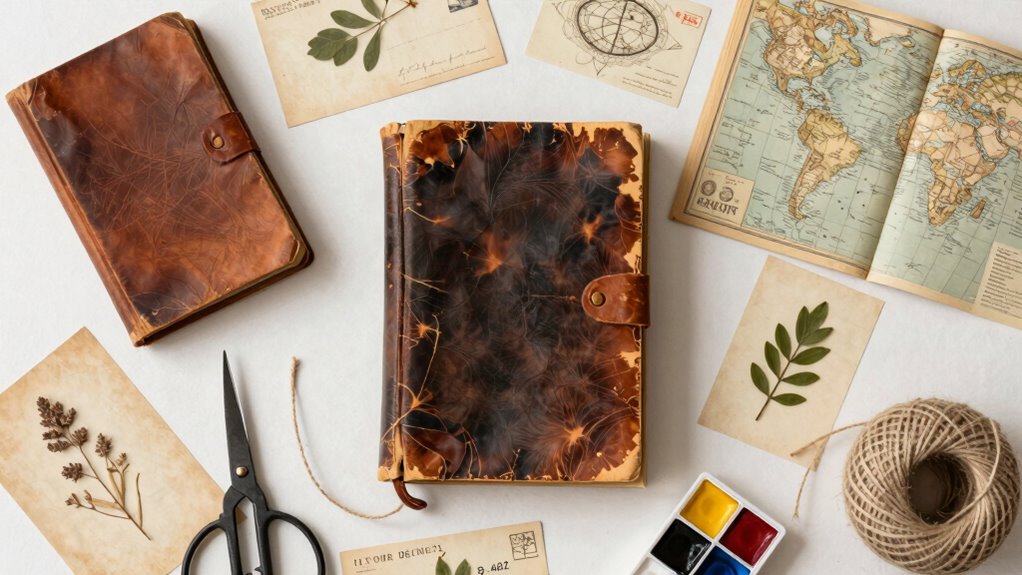

Discover creative ways to transform old books and paper ephemera into stunning crafts. You can make delicate paper flowers, vintage book collages, personalized bookmarks, or unique gift wraps. Upcycle book covers into storage boxes and design custom wall art or coasters. Craft antique-inspired envelopes or paper lanterns for decor. Each idea blends nostalgia with creativity, and there’s plenty more inspiring projects to explore if you keep going.
Key Takeaways
- Create vintage-inspired paper flowers and floral decorations from old book pages for a delicate, nostalgic aesthetic.
- Design personalized bookmarks, tags, and labels using aged paper, vintage typography, and ephemera for a literary touch.
- Craft decorative wall art, collages, and garlands from vintage paper scraps and book pages to add literary charm.
- Make unique gift wraps and embellishments, such as paper lanterns, envelopes, and gift tags, using aged, textured vintage paper.
- Upcycle old book covers into storage boxes, journals, or miniature art pieces, incorporating vintage materials and techniques.

PRSTINCOL Scrapbook Paper,16 Sheets 4.1×5.8 Inch Vintage Stripe Style Scrapbook Supplies,Single-Sided Vivid Origami Decoupage Paper for DIY Crafts, Card Making, Art Journaling
【Versatile for Innovative Projects】16 sheets 4.1×5.8 inch vintage stripe style scrapbook pape perfect for crafting cards, scrapbooks, art…
As an affiliate, we earn on qualifying purchases.
As an affiliate, we earn on qualifying purchases.
How to Find Inspiration From Old Books for Vintage Crafts

Old books are treasure troves of inspiration for vintage crafts, offering unique textures, colors, and patterns that can spark your creativity. When exploring literary history, you’ll discover stories and designs that stir your imagination. Book restoration projects can reveal hidden details like embossed covers, delicate pages, or vintage typography, inspiring new craft ideas. Immerse yourself in the history behind a book to find motifs, quotes, or illustrations worth transforming into art. By examining worn covers and aged pages, you’ll notice subtle details that can be incorporated into your projects—like decoupage, altered books, or paper collages. Let the stories and craftsmanship of old books fuel your creativity, turning their history into beautiful, meaningful handmade pieces. Exploring bookbinding techniques can also open up new avenues for creating personalized vintage crafts. Biodiversity and conservation themes can also be subtly incorporated into your vintage crafts, adding an extra layer of depth and significance. Incorporating historical printing methods can add authenticity and texture to your craft projects, making each piece even more unique.

Bakayoyo 511 pcs DIY Dried Pressed Flowers Bookmark Making Kit, DIY Paper Book Mark Bulk Craft Supplies for Book Lovers,Reading Women, Classroom& Ideal Gifts for Teachers Students Friends
Great Your Own DIY Floral Book marks Kit The cardstock bookmarks Set: Includes 90 pcs blank book markers,…
As an affiliate, we earn on qualifying purchases.
As an affiliate, we earn on qualifying purchases.
Gathering Materials: What You Need for Vintage Paper Projects
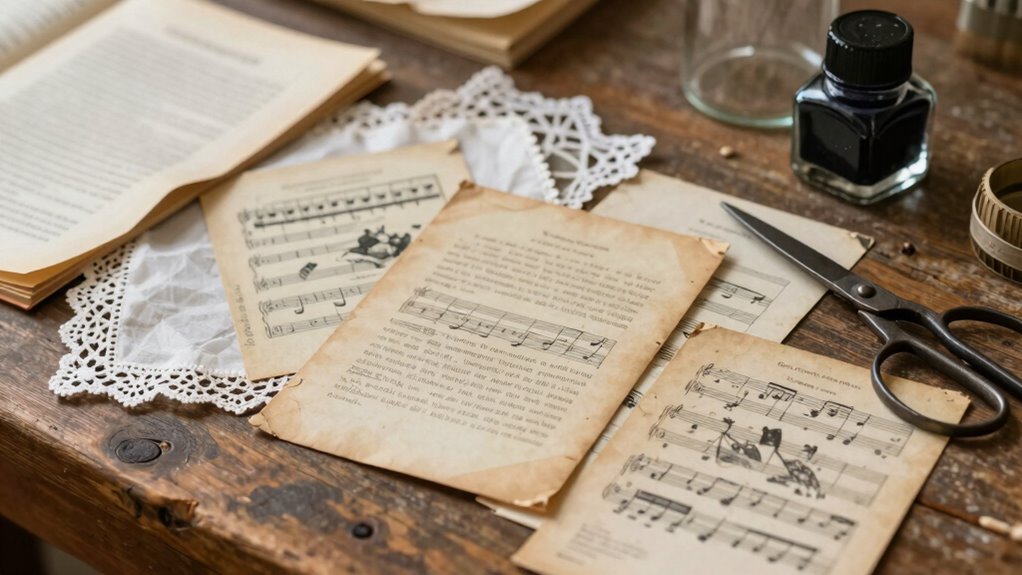
To create stunning vintage paper projects, you’ll need to gather a selection of essential materials that bring your ideas to life. Start with old books or pages that carry historical or aesthetic value, which serve as the foundation. Incorporate basic bookbinding techniques to assemble or repair pages if needed. Scissors, glue, and vintage-style embellishments help enhance your design. Look for paper with textured, aged qualities to add authenticity. Understanding literary symbolism can guide your theme and choice of imagery, enriching your project’s meaning. Consider using ink or stamps for finishing touches. With these materials, you’ll be well-equipped to craft pieces that evoke nostalgia and storytelling, turning old paper into beautiful, meaningful art. Paying attention to vintage paper qualities can significantly enhance the overall authenticity of your projects.
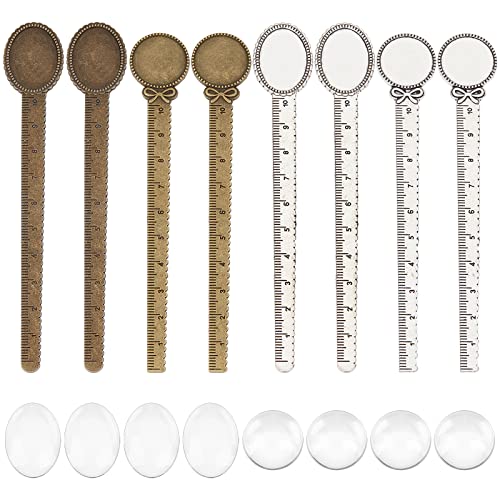
SUNNYCLUE 1 Box 16Pcs DIY 8 Sets Bookmarks Vintage Style Bookmark Making Kit Ruler Metal Book Mark Trays Glass Clear Dome Cabochon Oval Round Blank Flower Pattern Tray for DIY Craft Handmade Gift
❤[MULTI FUNCTIONAL BOOKMARKS]: The vintage style cabochon bookmarks can not only be used as book marks, but also…
As an affiliate, we earn on qualifying purchases.
As an affiliate, we earn on qualifying purchases.
Creating Delicate Paper Flowers From Book Pages

Once you’ve gathered your vintage papers and learned how to handle them with care, transforming these pages into delicate paper flowers becomes a rewarding craft. To start, choose thin, flexible pages and apply gentle paper preservation methods to prevent tearing. Use simple bookbinding techniques to create sturdy floral bases. Focus on these key steps:
- Carefully cut petal shapes from your pages, maintaining their fragility.
- Fold and curl the edges to mimic natural flower petals.
- Assemble the petals around a central point, securing with glue or wire.
- Add finishing touches like leaves or stems for realism.
- Pay attention to paper preservation techniques to ensure your delicate creations last, especially when working with vintage papers that may be more susceptible to damage. Incorporating proper storage methods can further protect your artwork over time.
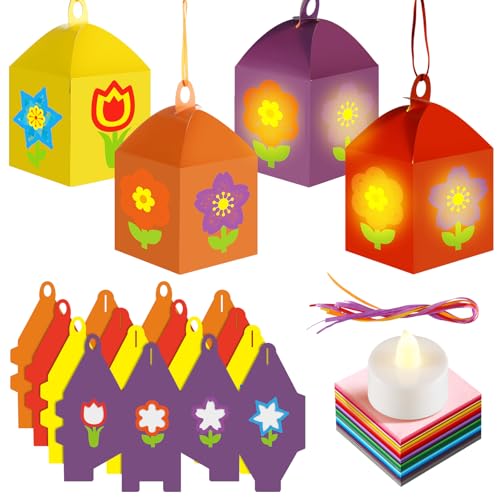
Simgoing 12 Sets Spring Flower Crafts with LED Lights DIY Mother's Day Crafts Lanterns Kits Colorful Flower Tissue Paper Suncatchers for Mother's Day Window Home Decor Spring Summer Activities
Spring floral Flower Lantern Crafts: you will receive 12 flower craft kits, complete with 48 sheets of PVC…
As an affiliate, we earn on qualifying purchases.
As an affiliate, we earn on qualifying purchases.
Step-by-Step Guide to Making Book Page Bookmarks

Have you ever wanted a simple way to personalize your reading experience? Making book page bookmarks is an easy project that combines basic bookbinding techniques with meaningful literary symbolism. Start by selecting a sturdy piece of old book paper or ephemera. Cut it into a rectangular strip, about 2 inches wide and 6 inches long. Fold the top edge down to create a small tab, then reinforce the fold with glue or double-sided tape. Decorate the bookmark with stamped words, quotes, or small illustrations that reflect the book’s theme. Add a ribbon or tassel if you like. This handcrafted bookmark not only marks your place but also celebrates the literary world, making each read more special and personal.
Designing Beautiful Book Collages With Ephemera

Building on your knowledge of creating personalized bookmarks, designing book collages with ephemera offers a creative way to celebrate your love for literature. To craft compelling collages, consider these elements:
- Layer vintage typography to add historical depth.
- Use unique paper ephemera to evoke nostalgia.
- Incorporate different bookbinding techniques for texture.
- Balance focal points with contrasting colors and materials.
Crafting Decorative Gift Wrap Using Antique Paper
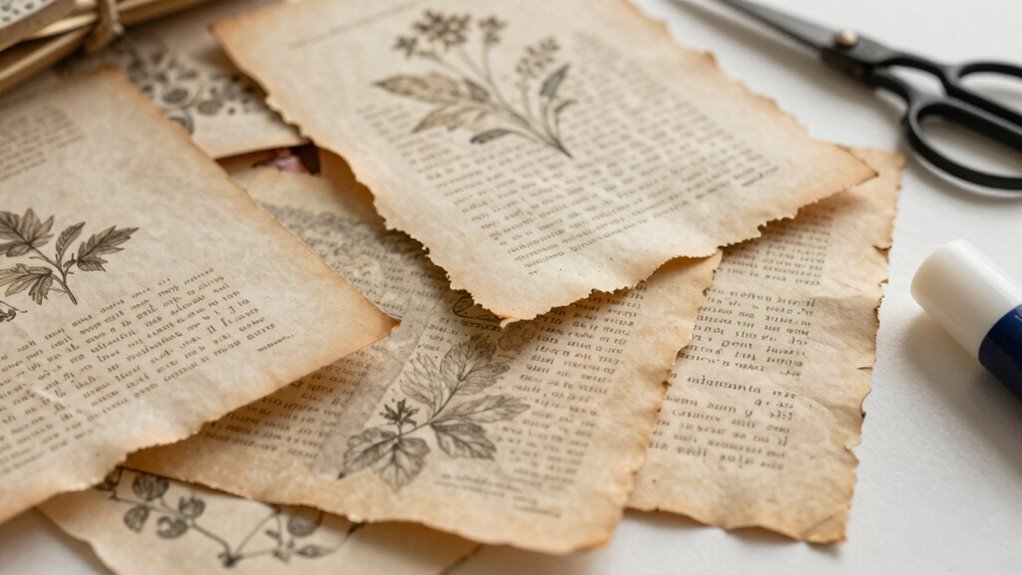
You can create stunning gift wrap by choosing vintage papers with unique patterns or textures that add charm. Use simple wrapping techniques to showcase the antique paper’s beauty, then personalize with embellishments like ribbons or stamps. Adding your own touches makes each gift wrap truly special and one-of-a-kind.
Selecting Vintage Paper Styles
Ever wondered how vintage paper can elevate your gift wrapping? Choosing the right style makes a difference. First, consider aged papers with faded text or illustrations—they evoke nostalgia and add character. Second, look for papers with subtle patterns or marbled designs**, offering visual interest without overpowering the gift. Third, explore textured or handmade papers to add tactile appeal, reminiscent of bookbinding techniques that emphasize craftsmanship. Fourth, select papers with a mild scent, like old books, to enhance scent preservation and create a sensory experience. Additionally, smart home technology can help you organize and store your vintage papers more efficiently, keeping them in good condition for future use. Proper storage methods can also help maintain the paper’s vintage integrity, ensuring it remains beautiful over time. To further protect and preserve your vintage papers, consider implementing climate-controlled storage to prevent deterioration caused by humidity or temperature fluctuations. These choices help preserve the paper’s vintage charm**, ensuring your wrapping complements the antique feel. By carefully selecting your paper style, you create a unique, meaningful presentation that celebrates both the history and the art of gift wrapping.
Techniques for Wrapping Elegantly
Have you ever wondered how to turn vintage paper into an elegant gift wrap? To achieve a truly vintage presentation, handle the paper gently and fold neatly to highlight its unique patterns. Use double-sided tape for a seamless look, and add a simple ribbon or twine for sophistication. To elevate your wrapping technique, consider this table:
| Step | Technique | Tips |
|---|---|---|
| Prepare the paper | Cut to size, smooth edges | Avoid tears or wrinkles |
| Wrap the gift | Fold edges neatly, secure with tape | Keep corners crisp |
| Add finishing touches | Tie with vintage ribbon or twine | Keep embellishments minimal |
| Final presentation | Adjust folds for symmetry | Showcase the paper’s pattern |
This approach guarantees elegant wrapping, transforming your gift into a beautiful vintage presentation.
Adding Personal Embellishments
- Add a handwritten note to connect emotionally and share your sentiment.
- Attach vintage charms or pressed flowers for a nostalgic, tactile element.
- Use ribbons or twine that complement the antique paper’s colors and textures.
- Incorporate small, meaningful objects like antique keys or vintage buttons to tell a story. These embellishment techniques let you infuse your personality into each gift, transforming simple wrapping into a cherished keepsake. By thoughtfully applying these personal touches, you turn ordinary packaging into a beautiful, memorable presentation that reflects your creativity and care.
Turning Book Pages Into Enchanting Paper Lanterns

Transforming old book pages into enchanting paper lanterns offers a charming way to repurpose forgotten texts into beautiful decor. By carefully cutting and shaping pages, you create soft, glowing lanterns that highlight literary symbolism. This process not only emphasizes book preservation but also transforms the pages into art. To assemble, fold and glue the paper into a cylindrical shape and add a handle for hanging. These lanterns add warmth and character to any space, making them perfect for cozy nights or special occasions. Incorporating interior design trends can help ensure these unique pieces complement your overall home decor style. Additionally, understanding gadget reviews can inspire innovative DIY lighting solutions to enhance your lantern displays. Staying informed about lighting technology can help you select the best illumination options for your creations. Here’s a quick guide:
| Step | Materials Needed |
|---|---|
| Cutting pages | Old books, scissors |
| Shaping lanterns | Glue, string, or wire |
| Assembling | Tape or glue gun |
| Lighting | LED candles or fairy lights |
Personalizing Journal Covers With Old Book Materials

Choose vintage book pages that resonate with your style to create a unique cover. You can also add personal touches like handwritten quotes or small mementos to make it truly yours. These simple steps turn an old book material into a meaningful and customized journal cover.
Selecting Vintage Book Pages
Have you ever wondered how to select the perfect vintage book pages to personalize your journal cover? Choosing pages that honor book preservation and literary history ensures your project has depth and authenticity. Focus on these factors:
- Condition – Look for pages with minimal tears or fading, preserving the integrity of the paper.
- Content – Select excerpts or illustrations that resonate with your theme or personal story.
- Age – Older pages often carry a rich history, adding character and a sense of time.
- Design – Consider patterns, typography, or illustrations that complement your journal’s aesthetic.
Adding Personal Touches
Once you’ve selected the perfect vintage pages, it’s time to add your personal touch to make the journal truly unique. Incorporate elements that reflect your personal storytelling and sentimental keepsakes. Use handwritten notes, quotes, or memories directly on the cover or inside pages to give it meaning. Attach small mementos like pressed flowers, photos, or ticket stubs to evoke special moments. Consider decorating with vintage ephemera, such as old stamps or postcards, to enhance the nostalgic feel. Personal touches transform a simple journal into a treasured keepsake filled with your stories and meaningful objects. These details not only make your journal one-of-a-kind but also create a deeper emotional connection every time you pick it up.
Making Nostalgic Scrapbook Embellishments From Ephemera
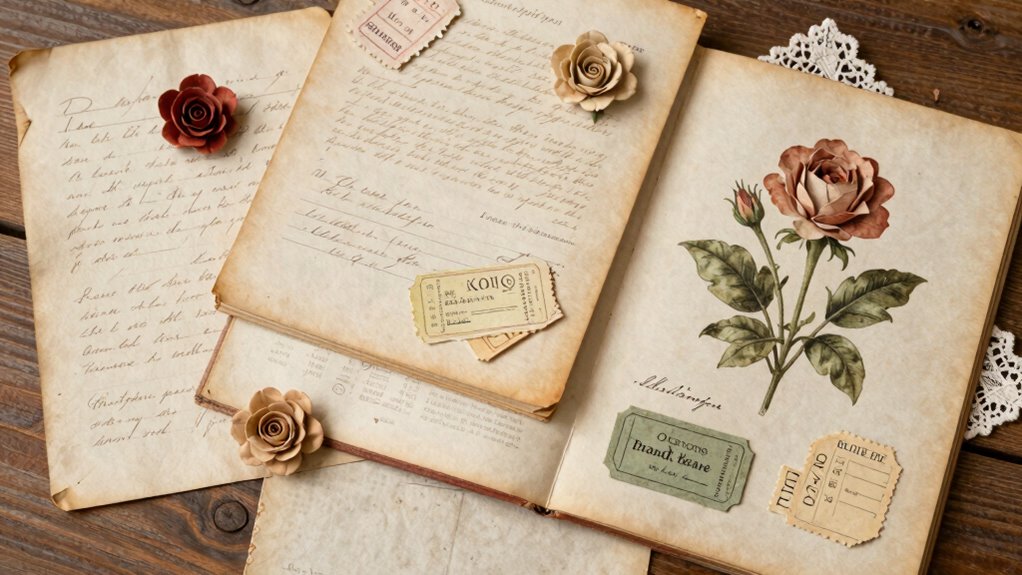
Old book ephemera, such as torn pages, vintage illustrations, and faded text, can be transformed into charming scrapbook embellishments that evoke nostalgia. To craft meaningful pieces, focus on these elements:
Old book ephemera brings nostalgic charm to scrapbook pages with vintage textures and layered, aged details.
- Use vintage typography to add authentic charm and historical feel.
- Incorporate antique paper textures for a tactile, aged appearance.
- Cut ephemera into shapes that enhance your story, like tags or labels.
- Layer different textures and elements to create depth and visual interest.
- Consider preserving paper quality to ensure your embellishments last over time.
Creating Vintage-Inspired Greeting Cards From Old Paper

Start by choosing antique papers that add an authentic vintage feel to your cards. Incorporate vintage embellishments like lace, stamps, or old photographs to enhance their charm. Use techniques like distressing the edges to give your cards a worn, nostalgic look that truly captures the vintage vibe. Incorporating child safety tips can also ensure that your handmade cards are safe for all recipients.
Selecting Antique Papers
When selecting antique papers for your vintage-inspired greeting cards, it’s important to look for materials that evoke a sense of history and character. Focus on papers with a rich background or story, emphasizing their historical significance. Use preservation techniques, like gentle handling and proper storage, to maintain their integrity. Consider these key points:
- Authenticity – choose papers that genuinely reflect the era you want to evoke.
- Texture – select textured or aged papers for added visual interest.
- Color – look for papers with natural discoloration or fading, enhancing vintage appeal.
- Condition – ensure the paper is sturdy yet shows signs of age, avoiding fragile or damaged pieces.
Additionally, understanding the importance of material preservation can help you extend the life of your vintage papers, ensuring they remain beautiful for years to come.
Incorporating Vintage Embellishments
After selecting the perfect vintage papers, enhancing your greeting cards with carefully chosen embellishments can truly bring them to life. Use bookbinding techniques to attach layered elements securely, giving your cards a professional look and durability. Incorporate vintage embellishments like lace, pressed flowers, or antique charms to add texture and charm. To guarantee your decorations last, apply proper paper preservation methods, such as sealing with archival sprays or using acid-free adhesives. These techniques help prevent deterioration over time, maintaining the vintage appeal. Proper preservation techniques are essential for archival quality preservation, ensuring your vintage-inspired greeting cards retain their beauty for years to come. Be mindful of balancing embellishments so they complement rather than overwhelm your design. With thoughtful application of bookbinding skills and preservation methods, your vintage-inspired greeting cards will radiate timeless elegance and lasting beauty.
Techniques for Distressed Edges
To achieve a truly vintage look on your greeting cards, mastering the art of distressing your paper edges is essential. Start with bookbinding techniques to carefully curl or tear edges for a worn effect. Use paper dyeing methods like tea or coffee staining to add age and character. For more depth, lightly sand the edges to reveal layers beneath, mimicking natural wear. Additionally, you can employ edge-inking techniques with ink pads or watercolor to darken and define the distressed areas. Ultimately, gently crumple the paper and flatten it out, creating a softened, aged appearance. These steps help transform plain paper into a nostalgic, vintage-inspired element, perfect for crafting heartfelt greeting cards that evoke timeless charm.
Getting Started With Paper Quilling Using Book Fragments
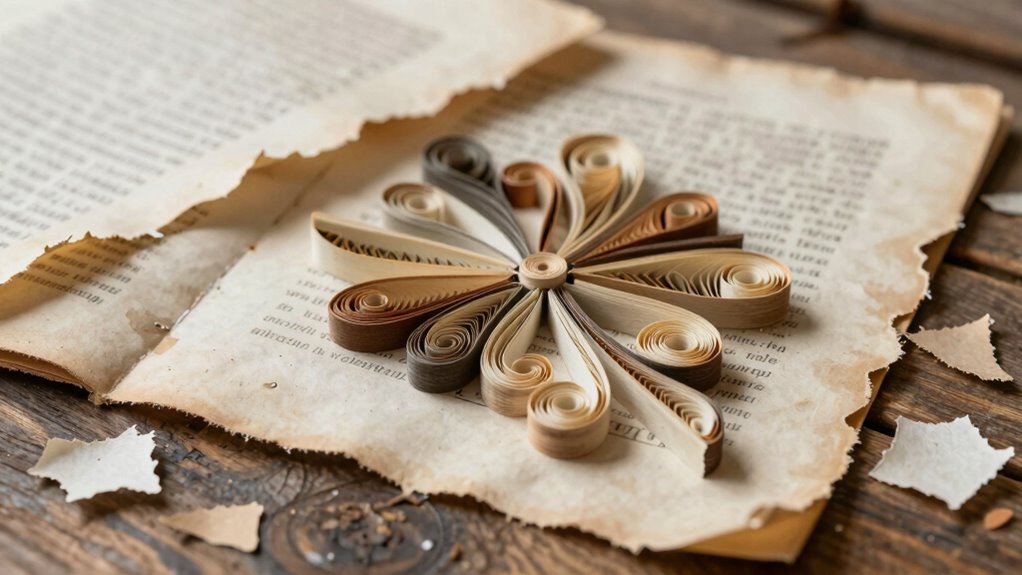
Getting started with paper quilling using book fragments is a creative way to repurpose old books into beautiful art. Begin by selecting pages with meaningful literary symbolism or interesting textures. Use simple bookbinding techniques to carefully detach fragments without tearing or damaging the paper. Roll the paper strips tightly around a quilling tool, shaping them into coils or teardrops. These shapes can form intricate designs or embellishments that highlight the book’s original theme. As you work, consider how the literary symbolism of the fragments enhances your piece. Incorporating cultural symbols can add deeper meaning and connection to your creations. Understanding artistic techniques can further elevate your work and help you create more sophisticated designs. To ensure your projects are durable, you might also explore protective finishes that preserve the integrity of your paper art over time. Developing techniques for handling delicate paper can also improve your craftsmanship and prevent damage during your creative process. Learning about paper preservation methods can help maintain the longevity of your artwork. With patience, you’ll craft unique, meaningful pieces inspired by your love of literature.
Constructing Miniature Book Sculptures and Paper Art
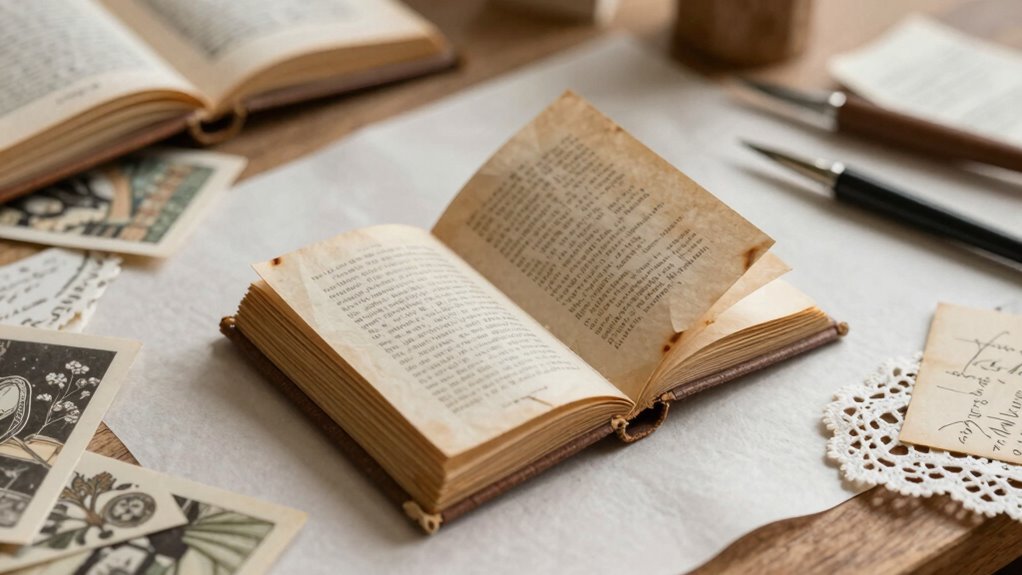
You can create stunning miniature book sculptures by mastering specific folding and layering techniques that bring tiny pages to life. Choosing vintage paper with unique textures and aged tones adds authenticity and charm to your art. With careful attention to detail, your paper art can transform old books into intricate, eye-catching displays. Incorporating accessory trends from contemporary jewelry styles can also inspire innovative ways to enhance your paper sculptures.
Techniques for Miniature Sculptures
Have you ever wondered how tiny book sculptures and paper art come to life? The key is mastering specific techniques that combine traditional skills with modern adaptations. Digital techniques allow you to plan and visualize your designs before shaping them physically. When working on miniature sculptures, consider these steps:
- Sketch detailed blueprints to guide your creation.
- Use precision tools to cut and fold delicate paper.
- Apply adhesives sparingly for clean, seamless joints.
- Incorporate modern adaptations like 3D printing for intricate details.
These methods help you achieve realistic, durable miniatures. The blend of traditional craftsmanship and digital innovation enables you to craft sophisticated sculptures that capture the essence of vintage books, transforming old paper into artful masterpieces.
Selecting Vintage Paper Materials
Choosing the right vintage paper materials is essential for creating authentic and visually appealing miniature book sculptures. Look for paper featuring vintage typography to add a touch of historical charm and character. Antique illustrations can also enhance the visual interest, giving your piece an aged and layered appearance. When selecting paper, consider its texture and weight—thicker, textured papers evoke a sense of age, while thinner papers can be easily folded and manipulated. Scour flea markets, antique shops, or online archives for authentic pages that carry the essence of old books. Combining vintage typography with antique illustrations creates a rich, nostalgic feel, making your miniature sculptures truly stand out. Carefully selecting your paper materials ensures your craft captures the essence of old-world artistry.
Making Vintage Paper Garlands to Decorate Your Home

Transforming old book pages into vintage paper garlands offers a charming way to add nostalgic elegance to your home decor. As you create these garlands, consider their literary symbolism—each page telling a story—and the importance of historic preservation. To craft your garland, follow these steps:
- Select pages with meaningful text or illustrations.
- Cut them into uniform shapes, like circles or triangles.
- Thread each piece onto twine, maintaining a specific order to enhance storytelling.
- Hang your garland where it can evoke memories and celebrate literary history.
This project not only beautifies your space but also honors the past, turning forgotten pages into meaningful decor. The vintage aesthetic offers a timeless charm that celebrates both literary symbolism and historic preservation.
Designing Custom Tags and Labels From Antique Ephemera
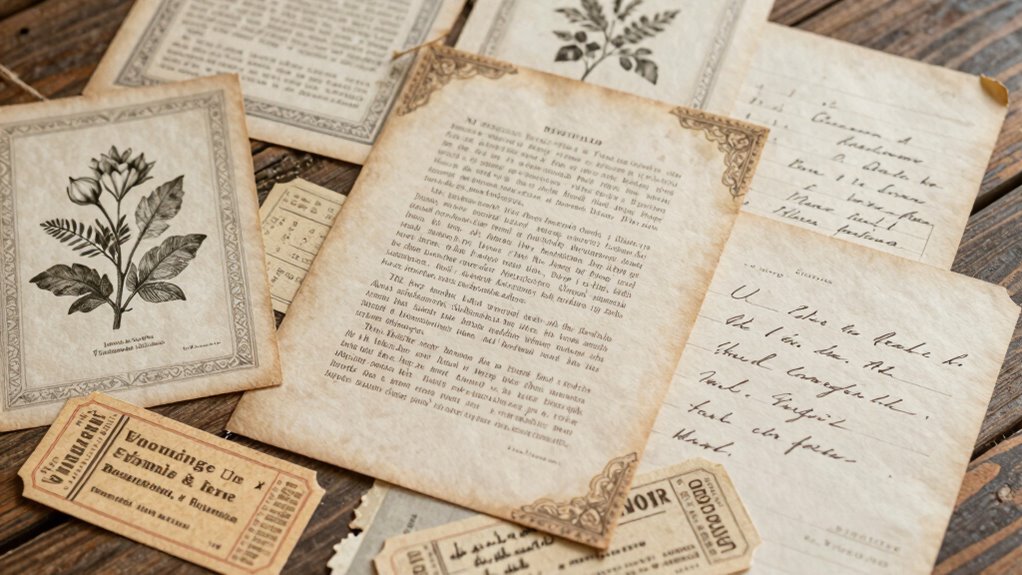
Start by selecting vintage paper styles that match your project’s aesthetic, whether aged parchment or delicate ledger sheets. Then, get creative with embellishments like stamps, washi tape, or hand-drawn details to make each tag unique. These personalized touches will give your labels a charming, antique-inspired flair.
Choosing Vintage Paper Styles
When selecting vintage paper styles for your tags and labels, it’s essential to take into account the era and aesthetic that best complements your project. Consider how paper texture influences the overall feel—rough, smooth, or fibrous—that matches your desired look. Ink aging adds authenticity, giving your tags an aged, worn appearance. To guide your choice, think about:
- The historical period that aligns with your theme
- The type of paper texture that enhances your design
- How ink aging can create a sense of history and character
- The overall mood you want to evoke, whether nostalgic or elegant
Creative Tag Embellishments
Using antique ephemera as embellishments allows you to craft truly unique and evocative tags and labels. Start by selecting vintage paper dyes to add subtle color variations that enhance the aged look. Incorporate bookbinding techniques like folding, layering, and attaching small paper fragments to create textured, layered effects. These methods help embed the character of old books into your designs. You can also use sewing or gluing to secure vintage paper pieces, giving your tags a handmade touch. Personalize each tag with handwritten or stamped details, complementing the antique aesthetic. By thoughtfully combining these techniques, you’ll produce tags that feel both nostalgic and artistic, perfect for gift wrapping, journaling, or labeling special keepsakes.
Creating Unique Envelopes and Paper Enclosures With Old Pages

Transforming old book pages into one-of-a-kind envelopes and paper enclosures adds a charming, vintage touch to your crafts. Using pages from books supports book preservation and celebrates literary history while giving new life to aged paper. To create these unique pieces:
- Select pages that resonate with your theme or have interesting typography.
- Carefully fold and cut the pages into envelope shapes, ensuring the design remains intact.
- Reinforce edges with glue or washi tape for durability.
- Personalize with stamps, calligraphy, or small embellishments for added charm.
These envelopes become not only functional but also meaningful keepsakes, reflecting your appreciation for old books. By repurposing pages, you preserve literary history and craft a truly distinctive piece.
Making Vintage Paper Coasters and Table Decor

Have you ever considered how vintage paper can add instant charm to your table decor? Using vintage paper, you can craft beautiful coasters and decorative pieces that evoke nostalgia. Start by selecting sturdy vintage paper or old book pages, and employ simple bookbinding techniques to reinforce their durability. Cut the paper into circles or shapes that fit your coaster bases, then attach them with a clear adhesive or laminate for extra protection. You can also layer different papers for a unique, textured look. For a polished finish, seal the surface with a waterproof varnish or resin. This approach not only recycles old paper but transforms it into charming, functional decor. Your vintage paper coasters will add character and warmth to any table setting.
How to Make Artistic Paper Collage Wall Art
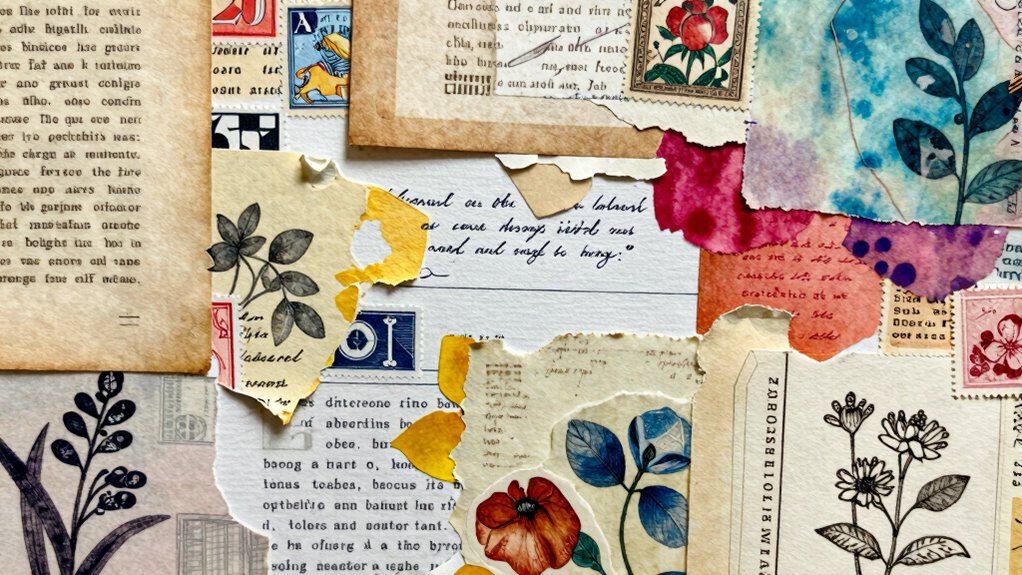
Creating artistic paper collage wall art allows you to turn scraps of vintage paper into striking visual displays. To start, select various papers, including pages with literary symbolism, to convey deeper meanings. Use bookbinding techniques to fix pieces onto a sturdy backing, creating layered textures. Consider these steps:
- Choose a theme that reflects your favorite literary symbolism or story.
- Arrange papers thoughtfully, blending colors and textures for visual harmony.
- Incorporate bookbinding techniques to secure delicate or torn pieces seamlessly.
- Add finishing touches like paint or ink to enhance details and evoke emotion.
This process transforms old books into meaningful art, giving new life to vintage paper while showcasing your personal connection to literature and craftsmanship.
Upcycling Old Book Covers Into Stylish Storage Boxes

Old book covers, with their unique textures and vintage charm, make perfect materials for stylish storage solutions. You can transform these covers into eye-catching storage boxes that add character to any space. Start by carefully removing the pages inside, preserving the antique paper for future projects. Reinforce the cover’s structure with sturdy cardboard or thick paper if needed. To enhance the vintage bookbinding appeal, consider applying a protective sealant or decorative paper lining. This process not only upcycles old books but also celebrates antique paper preservation, giving new life to cherished covers. Whether for organizing desk supplies, jewelry, or keepsakes, these repurposed boxes combine functionality with nostalgic elegance. It’s a creative way to honor vintage books while decluttering in style.
Frequently Asked Questions
How Do I Preserve the Integrity of Fragile Old Paper During Projects?
To preserve fragile old paper during projects, handle it with clean, dry hands or gloves to prevent damage. Support the paper with acid-free backing to reduce stress, and avoid excessive bending. Use gentle book binding techniques to maintain its integrity, and work in a controlled environment to slow paper aging. Store your pieces in acid-free sleeves or boxes afterward to protect them from further deterioration.
What Are Safe Methods for Cleaning Vintage Book Pages?
When cleaning vintage book pages, you want gentle, safe methods that protect their integrity. Use soft brushes or a microfiber cloth to carefully remove dirt and dust, avoiding liquids that could cause damage. Consider employing specific bookbinding techniques to stabilize fragile pages, and store your books in archival storage to prevent future deterioration. Always handle with clean hands, work slowly, and prioritize preservation to keep your vintage pages looking their best.
Can I Use Modern Adhesives With Antique Paper Without Damage?
You should avoid using modern glue on antique paper, as adhesive compatibility can be an issue. Modern glue often contains chemicals that might damage delicate pages over time. Instead, opt for archival-quality adhesives designed specifically for vintage materials. These adhesives are pH-neutral and gentle, ensuring your project stays intact without risking harm to the paper. Always test a small area first to confirm it won’t cause damage.
How Do I Choose the Right Vintage Paper for Specific Crafts?
Choosing the right vintage paper for your crafts is like selecting a story’s heartbeat. Focus on textures that complement your project—smooth or rough, delicate or sturdy. Look for vintage paper patterns that echo your theme, whether floral, script, or abstract. Trust your intuition to feel the paper’s character, letting its history inspire your craft. By matching textures and patterns, you’ll craft pieces that resonate with timeless charm.
Are There Eco-Friendly Ways to Upcycle Old Book Materials?
Yes, you can upcycle old book materials sustainably by using recycling techniques that minimize waste. For instance, turn pages into handmade paper, bookmarks, or collage art, reducing the need for new materials. Choose eco-friendly adhesives and dyes to keep your projects sustainable. This approach not only gives old books a new life but also promotes the use of sustainable materials, helping you craft responsibly while preserving the environment.
Conclusion
Now that you’ve uncovered these treasures of vintage paper crafts, let your creativity soar like a kite caught in a gentle breeze. Each project is a whisper from the past, waiting for your hands to breathe new life into it. Embrace the charm of old books and paper ephemera—they’re your passport to crafting timeless keepsakes. So, plunge into it and let your imagination turn pages into art that tells stories beyond the written word.