
TL;DR

Get business pricing on tools and workshop supplies
- Business-only prices and quantity discounts
- Tax-exempt purchasing
- Multiple users, one account, clear invoices
Iris van Herpen has revealed a new pleating technique that combines traditional craftsmanship with advanced technology. This innovation aims to redefine fashion design and craftsmanship. The development was announced at her latest showcase, drawing attention from industry insiders and critics.
Fashion designer Iris van Herpen has unveiled a new pleating technique that integrates advanced technology with traditional craftsmanship, during her recent runway presentation. This innovation is set to influence future haute couture and technical fashion design, making it a notable milestone in her career and the industry at large.
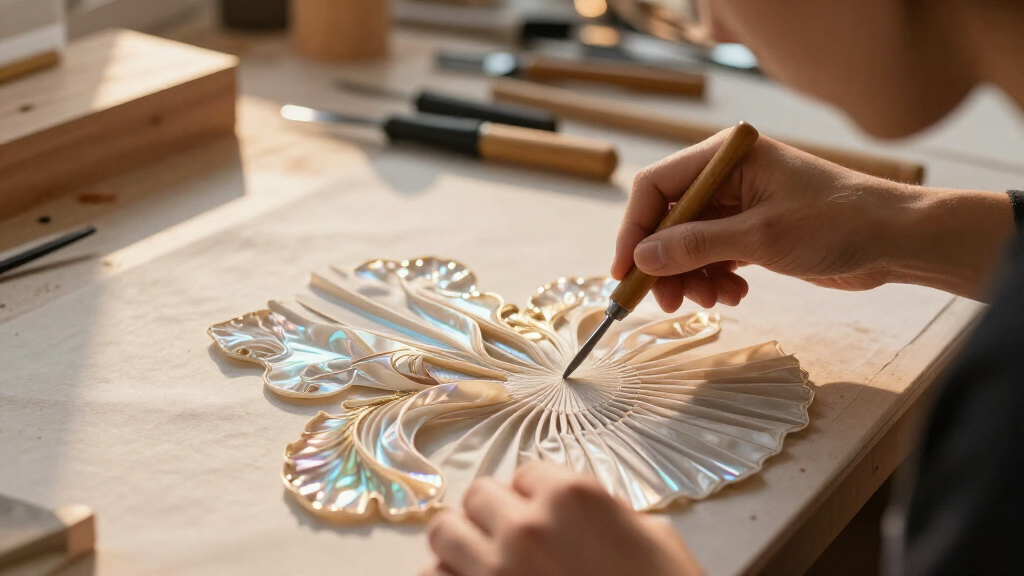
Van Herpen’s latest collection showcased the new pleating method, which involves the use of 3D printing and innovative fabric manipulation techniques. According to her team, this approach allows for intricate, sculptural pleats that maintain flexibility and durability, previously difficult to achieve with conventional methods.
Sources close to Van Herpen confirmed that this technique was developed over the past year in collaboration with material scientists and engineers. The process reportedly involves a combination of digital design, 3D printing, and specialized fabric treatments, resulting in pleats that are both aesthetic and functional.
While Van Herpen did not disclose specific technical details during her presentation, she emphasized that the method opens new possibilities for complex, organic forms in fashion, pushing the boundaries of traditional pleating and textile manipulation.
Transforming Fashion Craftsmanship and Design Innovation
This development matters because it represents a significant step forward in integrating technology and craftsmanship in fashion. It could influence how designers approach complex textile manipulation, leading to more innovative, sustainable, and versatile garments. For industry insiders, this signals a shift towards more technologically driven haute couture, expanding creative possibilities and potentially setting new standards for fabric engineering.
As an affiliate, we earn on qualifying purchases.
Van Herpen’s Pioneering Use of Technology in Fashion
Iris van Herpen has long been recognized for her pioneering work at the intersection of fashion, art, and technology. Her previous collections have incorporated 3D printing, kinetic textiles, and other innovative techniques. This new pleating method continues her tradition of pushing creative boundaries, building on her reputation as a leader in technical haute couture.
The development follows her ongoing collaborations with scientists and technologists, which have consistently resulted in groundbreaking fashion innovations. Her work has previously been exhibited in major museums and fashion shows worldwide, cementing her influence in both artistic and technical realms.
Technical Details and Industry Adoption Still Unclear
It is not yet clear how widely this technique will be adopted within the fashion industry or whether it will be integrated into commercial production. Specific technical details remain proprietary, and the scalability of the process for mass or ready-to-wear collections has not been confirmed. Additionally, the long-term durability and cost-effectiveness of the method are still to be evaluated.
Further Testing and Potential Industry Integration
Next steps include further testing of the pleating technique, with possible demonstrations at upcoming fashion events or exhibitions. Industry insiders will be watching to see if other designers or brands adopt similar methods. Van Herpen’s team may also explore collaborations to refine and scale the process for broader use, though no official plans have been announced.
Key Questions
What makes Iris van Herpen’s pleating technique different?
It combines 3D printing and digital design with traditional fabric manipulation, enabling complex, organic pleats that are both artistic and functional.
Will this technique be available for commercial fashion?
It is currently in the experimental stage, with no confirmed plans for mass production. Its adoption in commercial fashion remains uncertain.
How does this impact the future of fashion design?
It signals a move towards more technologically integrated, innovative textiles, expanding creative possibilities and potentially setting new industry standards.
Are there environmental benefits to this new method?
Specific environmental impacts have not been detailed, but the use of digital design and potentially fewer fabric waste could offer sustainability advantages.
Source: rss
Fall Picks
fall essentials
As an affiliate, we earn on qualifying purchases.