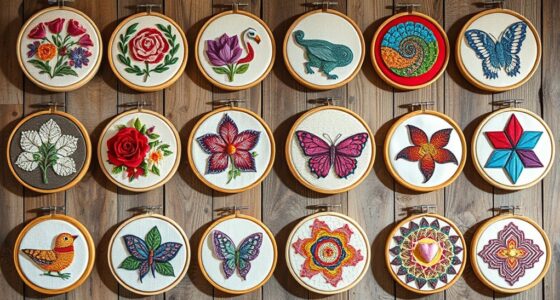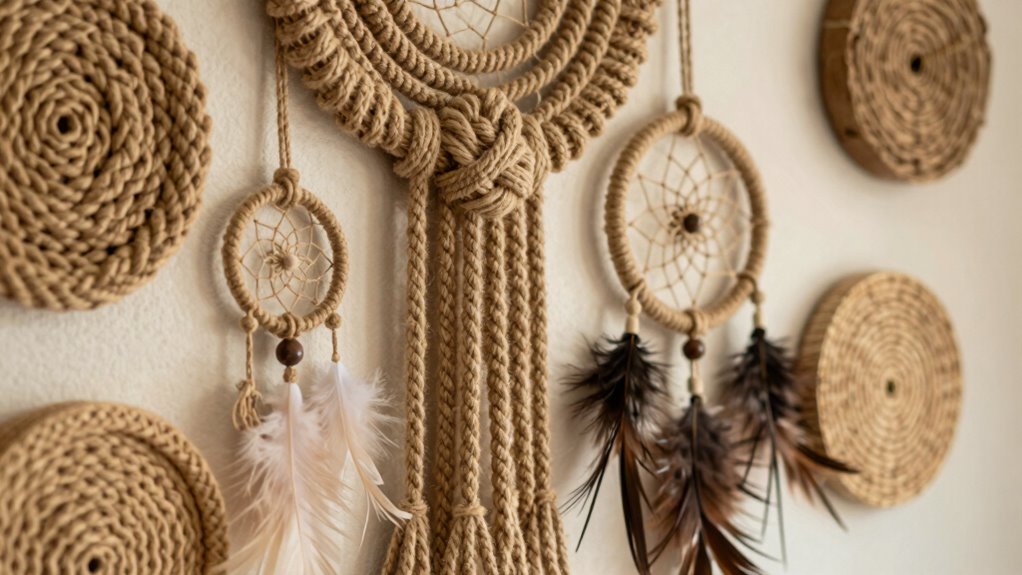

If you want to turn simple rope, twine, and cord into charming decor, there are plenty of ideas to try. Wrap and knot them to create wall hangings, plant hangers, or personalized photo displays. Use them to make rustic shelves, coasters, or festive holiday accents. You can also upcycle old items or craft unique gifts. Explore how combining these materials with basic techniques can add texture and personality to your space—more inspiring ideas await you ahead.

Get business pricing on tools and workshop supplies
- Business-only prices and quantity discounts
- Tax-exempt purchasing
- Multiple users, one account, clear invoices
Key Takeaways
- Create rustic wall hangings and photo displays using knotted patterns, wrapped frames, and string art with natural fibers.
- Design DIY hanging planters and terrariums with twisted twine, beads, and varying lengths for a layered look.
- Make coasters, trivets, and placemats by knotting or weaving eco-friendly cords into functional, textured surfaces.
- Craft personalized decor like initials, symbols, or cultural motifs by arranging and knotting different fibers.
- Upcycle vintage items into unique decor pieces by wrapping or knotting rope, twine, or cord around jars, frames, and furniture.
As an affiliate, we earn on qualifying purchases.
Choosing the Right Rope, Twine, and Cord for Your Decor
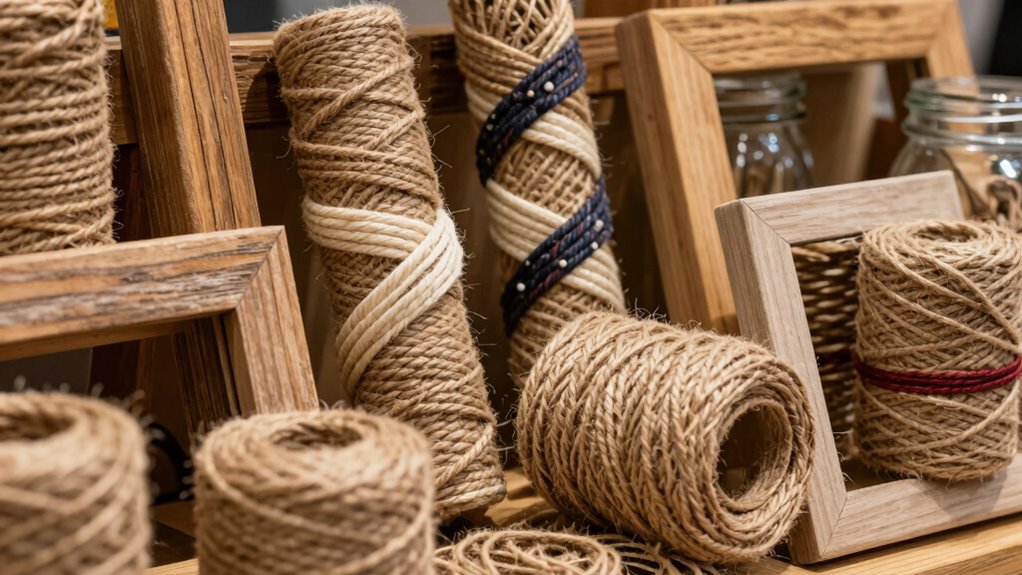
When selecting the right rope, twine, or cord for your decor projects, it’s important to take into account both the material and thickness. Textile textures influence the overall look, so choose softer fibers for a cozy vibe or rougher textures for rustic charm. Thicker cords create bold statements, while thinner twines work well for delicate accents. Consider your existing decor to guarantee good color coordination; neutral shades like beige or white blend seamlessly, while vibrant colors add playful pops. Think about how the texture and color will complement your space’s style and mood. Incorporating home robotics and automated cleaning solutions can also help keep your decor looking pristine, making your DIY projects even more satisfying. Paying attention to texture and color details ensures your pieces look cohesive and visually appealing, and understanding fabric and fiber types can further enhance your project choices, elevating your DIY projects with a polished, intentional finish. Additionally, exploring different fiber and material properties can help you select the most sustainable options for environmentally conscious decorating.
Essential Tools and Supplies for Rope and Twine Crafts
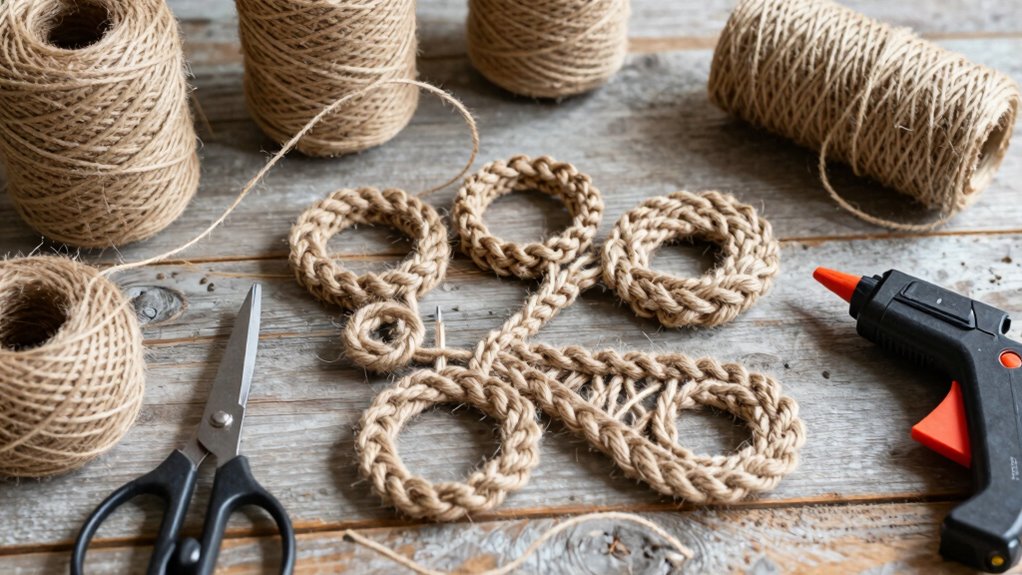
To get started with rope and twine crafts, you’ll need a few essential cutting tools to make clean, precise cuts. Having a variety of cord types on hand allows you to choose the best material for each project. With the right tools and supplies, you’ll be ready to create stunning DIY decor in no time. Additionally, selecting the appropriate kitchen appliances can help streamline your craft preparation and ensure safety during cutting and handling. Using ergonomic tools designed for crafting can also reduce strain and improve accuracy during your projects. Incorporating safety equipment such as gloves and eye protection is also recommended to prevent injuries while working with sharp tools. Being aware of laboratory safety principles can further enhance your safety practices while working with various crafting tools. Ensuring proper ventilation in your workspace can help prevent inhalation of dust or fibers from your materials, promoting a healthier crafting environment.
Necessary Cutting Tools
Having the right cutting tools is essential for any rope or twine craft project, as they guarantee clean, precise cuts and make your work easier. A sharp pair of scissors or utility knife is a must-have, making sure you can cut through various materials smoothly. Prioritize cutting safety by always handling blades carefully and using a cutting mat or surface to protect your workspace. Regular tool maintenance, like cleaning blades after use and keeping them sharp, helps prevent frayed ends and extends their lifespan. Investing in quality tools minimizes accidents and ensures cleaner outcomes. Remember, dull blades can slip and cause injury, so always check your tools before starting. Proper care and safety measures make your crafting experience safer and more efficient. Using the right cutting tools not only improves your results but also enhances your overall safety during projects. Additionally, understanding appropriate cutting techniques can help you achieve more precise and professional-looking results. Being aware of blade safety procedures ensures you stay protected while working with sharp tools. Proper handling practices are crucial for maintaining safety and prolonging the lifespan of your tools.
Variety of Cord Types
Choosing the right types of cord is essential for achieving the desired look and durability in your rope and twine projects. Different cord types vary in thickness, texture, and flexibility, impacting knot tying and overall stability. For vibrant decor, explore color options like natural jute, braided nylon, or soft cotton, which can add visual interest. Thicker cords are great for sturdy projects like wall hangings, while thinner options work well for delicate details. Consider how the cord’s texture influences knot tying; smooth cords are easier to manipulate, while textured ones offer a rustic feel. By selecting appropriate cord types and colors, you can guarantee your craft not only looks fantastic but also holds up over time.
Factors to Consider When Selecting Materials
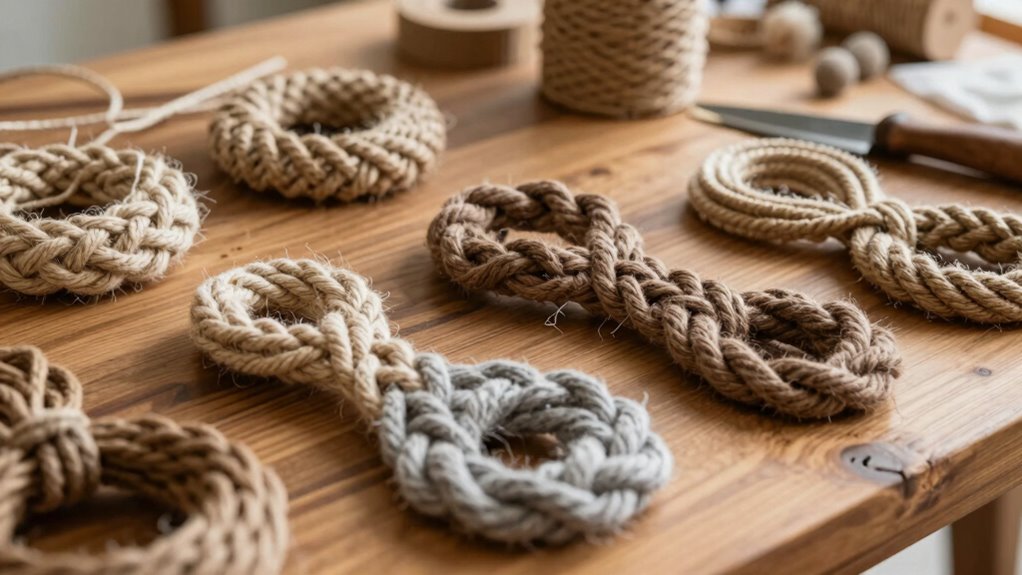
Selecting the right materials is essential for creating durable and visually appealing rope decor. You should consider material durability to guarantee your projects hold up over time, especially if they’ll be exposed to sunlight or outdoor elements. Stronger fibers like jute or hemp often last longer and resist wear better than softer options. Color coordination is also vital; choose colors that complement your existing decor and create a cohesive look. Think about the overall style—neutral tones for a minimalist vibe or vibrant hues for a bold statement. Additionally, evaluate the thickness and texture of the material to match your design goals. By carefully selecting materials based on durability and color, you’ll achieve both functionality and aesthetic appeal in your handmade decor. Considering material longevity can help ensure your decor remains beautiful and safe for years to come, especially as industry insights highlight the importance of choosing high-quality fibers for lasting projects.
Basic Techniques for Working With Rope and Twine
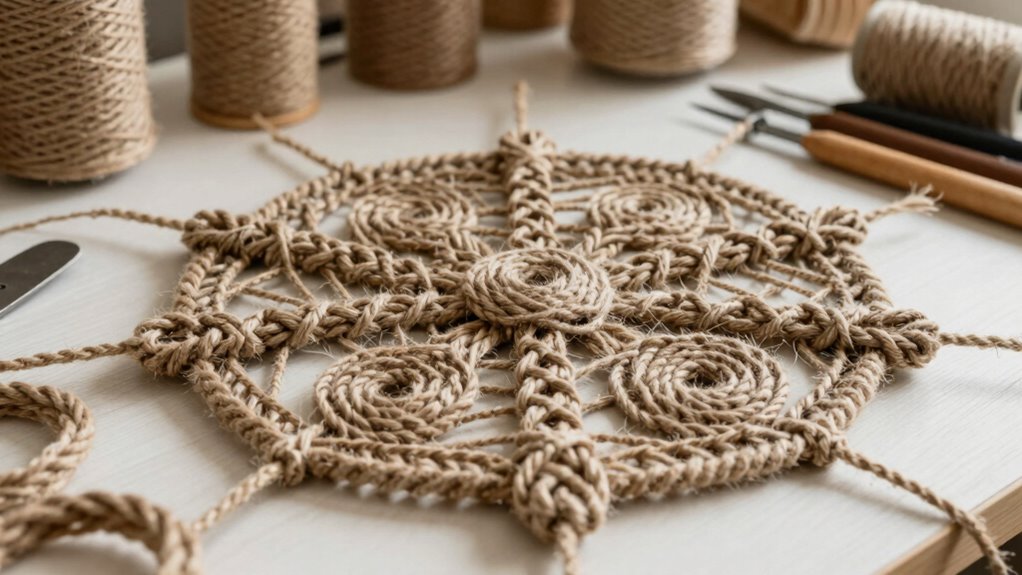
Getting started with rope and twine involves mastering some basic techniques that form the foundation of most projects. First, pay attention to fiber textures, as they affect flexibility and how the material handles. Smooth fibers are easier to manipulate, while rough textures add rustic charm. Next, learn knot techniques like the square knot, slip knot, and lark’s head knot, which are essential for securing and shaping your designs. Practice these knots until they feel natural, ensuring your work stays tight and neat. Correct tension is vital for consistency, so pull firmly but gently. With a good understanding of fiber textures and knot techniques, you’ll be able to create a variety of decorative pieces confidently and efficiently.
How to Create Wall Hangings and Macramé Art
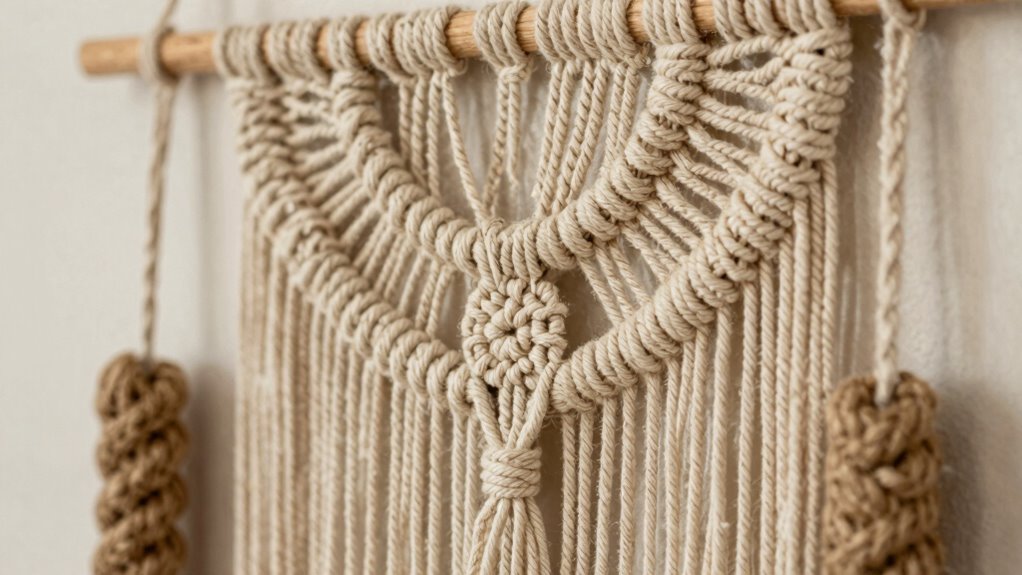
Once you’ve mastered basic knot techniques and understand fiber textures, creating wall hangings and macramé art becomes a rewarding project. Start by choosing your rope or twine and consider textile dyeing to add color and personality. Use different knot styles to build intricate patterns and textures, enhancing visual interest. Remember to regularly inspect your rope for wear and perform proper rope maintenance to guarantee durability. To make your piece unique, incorporate beads, shells, or other embellishments. Experiment with hanging lengths and layering for depth. Keep your workspace organized, and always secure your knots tightly. With patience and creativity, you can craft stunning wall hangings that showcase your personal style and craftsmanship.
Making Rustic Rope Vases and Centerpieces
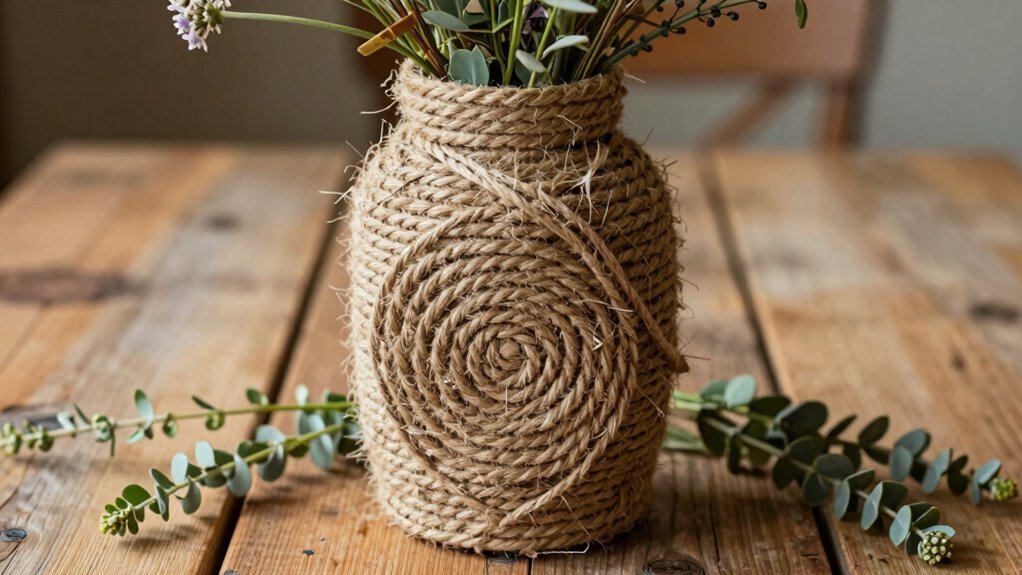
Creating rustic rope vases and centerpieces is a simple way to add a natural, handcrafted touch to your decor. Focus on color palettes that complement your space, such as earthy tones or soft neutrals, to enhance the rustic charm. Use eco-friendly materials like natural jute, hemp, or cotton rope to keep your decor sustainable and environmentally conscious. Wrap the rope around glass or ceramic containers, securing with hot glue, to create textured, eye-catching pieces. Fill your vases with fresh flowers, dried botanicals, or twigs for a versatile centerpiece. These handmade accents bring warmth and personality to any table or shelf, all while showcasing your creativity and commitment to eco-friendly choices.
DIY Twine Photo Frames and Wall Displays
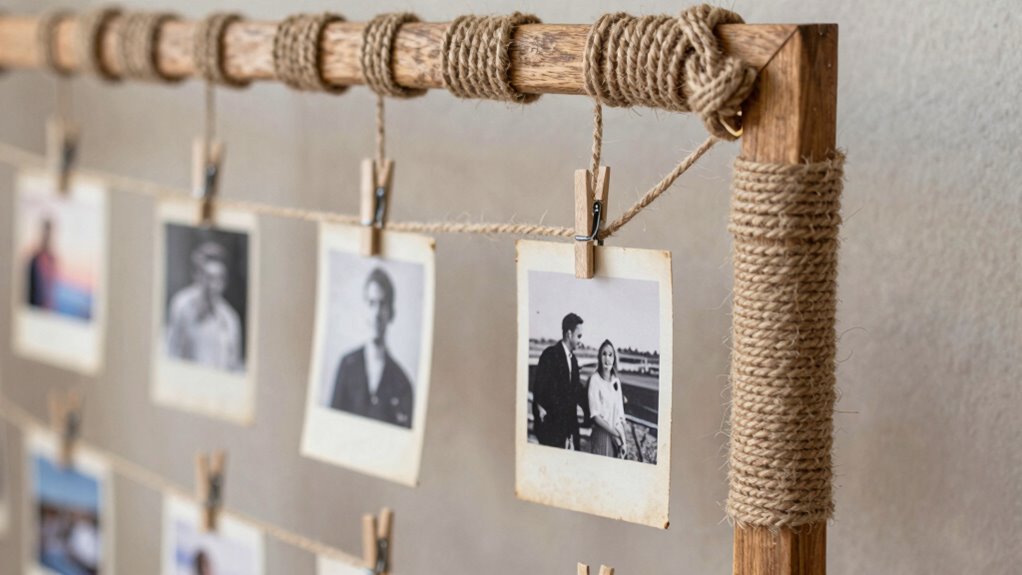
Have you ever considered adding a cozy, handmade touch to your wall decor? DIY twine photo frames and wall displays are simple, stylish, and eco-friendly. They’re perfect for showcasing your favorite memories while making your space feel personal. You can create unique frames using twine wrapped around existing pictures or build displays with twine and clothespins for a rustic look. These projects also double as creative gift wrapping ideas, making your presents more special. Plus, using natural twine minimizes waste, supporting eco-friendly packaging. To get started, consider these ideas:
Add cozy, eco-friendly charm to your decor with DIY twine photo displays and rustic wall art.
- Wrapping twine around an old picture frame
- Creating a photo grid with twine and mini clothespins
- Making a wall hanging with knotted twine patterns
- Designing a string art display
- Using twine to hang and showcase multiple photos
Incorporating eco-friendly tools can help ensure your projects are both sustainable and beautifully crafted. Additionally, selecting recyclable materials for your craft supplies can further enhance the eco-conscious aspect of your decor projects. Using natural fibers like jute or hemp can add texture and durability to your creations. Exploring sustainable crafting practices can also inspire you to make even more environmentally mindful choices in your projects. Incorporating environmentally friendly techniques can help reduce waste and promote sustainability in your crafting process.
How to Make Rope Curtain Tiebacks and Room Dividers
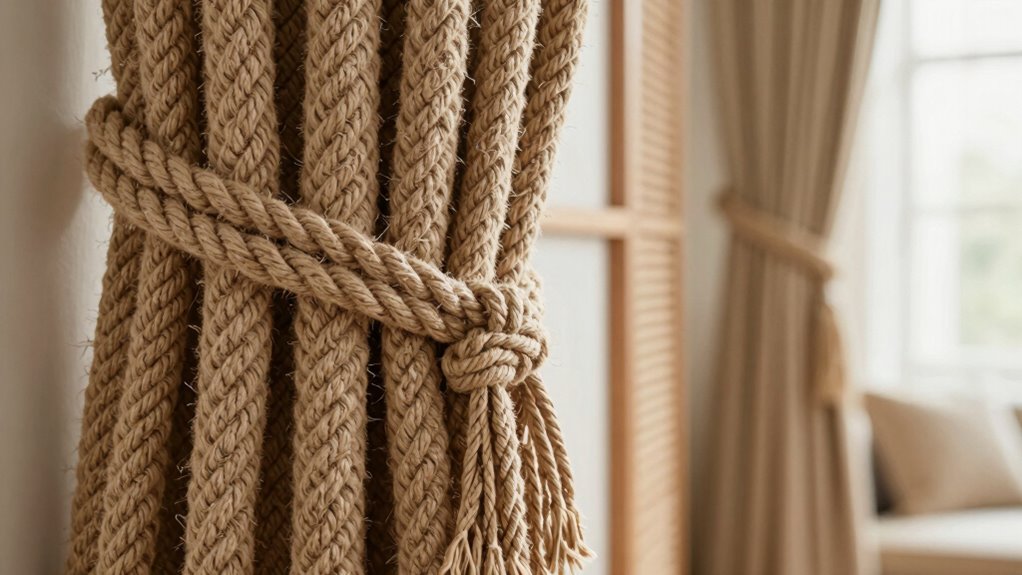
Rope curtain tiebacks and room dividers offer a stylish and functional way to enhance your space with natural, textured elements. To create a cohesive look, choose rope that complements your existing textile textures and color scheme. For added stability and aesthetic appeal, consider incorporating handcrafted details such as decorative knots or braids into your designs. When crafting room dividers, combine several lengths of rope, attaching them to a sturdy top or side support frame, and consider adding accents like beads or knots for visual interest. Focus on color coordination by selecting ropes that match or contrast deliberately with your wall colors and furnishings. Additionally, understanding material durability helps ensure your handmade pieces will last and maintain their appearance over time, adding warmth and texture to any room. Choosing ropes with appropriate weather resistance can also be beneficial if you plan to use these items in outdoor or high-humidity areas. Being aware of maintenance needs ensures your decor remains attractive and functional with minimal effort over time.
Decorating With Twine and Rope: Tips for a Cohesive Look
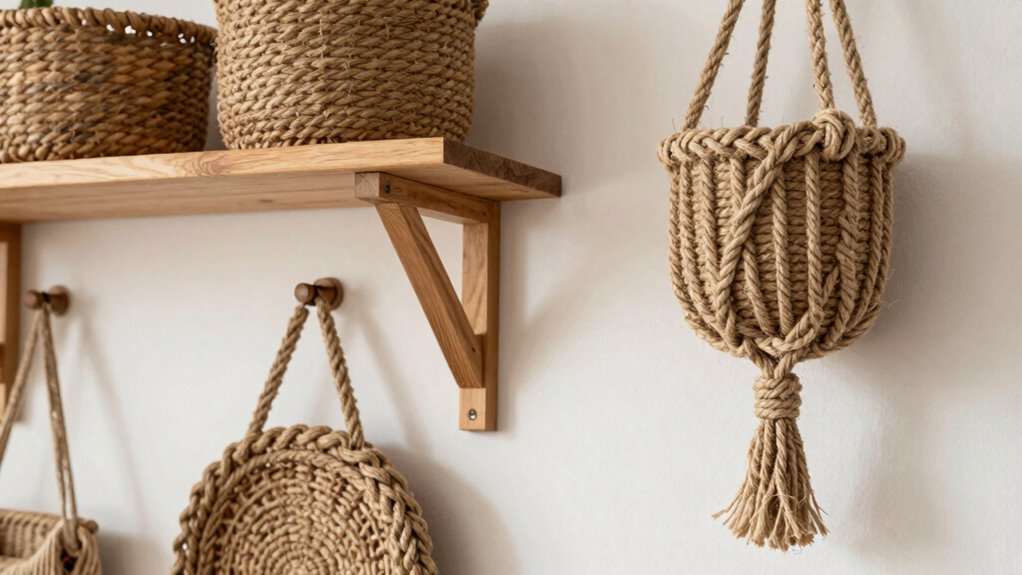
To achieve a cohesive look when decorating with twine and rope, it’s important to take into account color, texture, and scale. Consistent color coordination helps unify different elements, so pick hues that complement each other or match your overall color scheme. Incorporate textile patterns that blend well with your rope decor to add visual interest without clashing. Varying the scale of your pieces—smaller accents alongside larger installations—creates balance. Keep texture in mind; combining smooth and rough surfaces adds depth. Here are some tips to help you achieve harmony:
Achieve harmony with cohesive color, texture, and balanced scale in your rope and twine decor.
- Use a unified color palette across all decor pieces
- Mix textile patterns with similar color schemes
- Vary the thickness and length of rope accents
- Balance large elements with smaller details
- Maintain consistent texture styles for cohesion
Upcycling Old Items With Rope and Twine
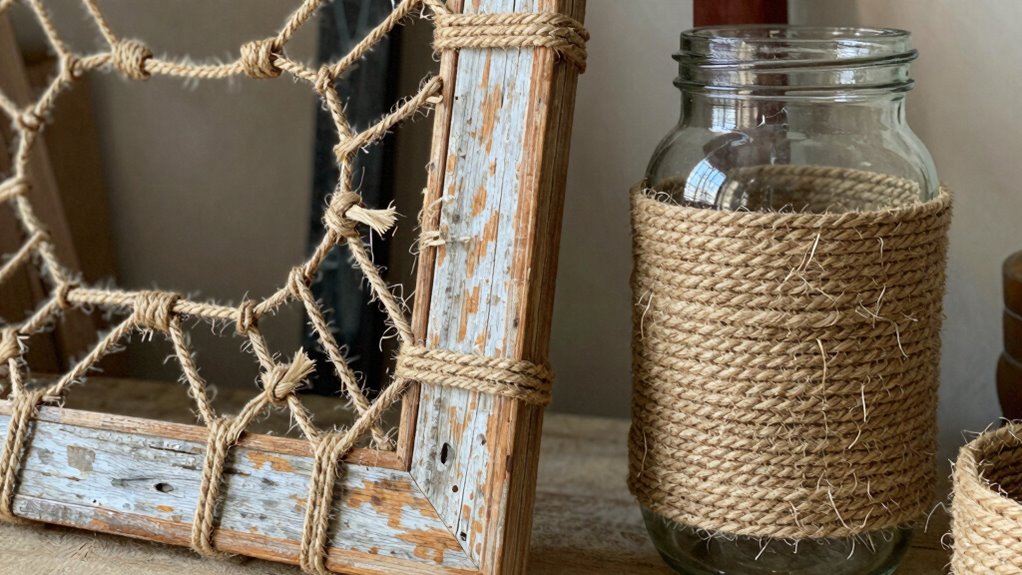
Revamping old items with rope and twine offers a creative way to breathe new life into forgotten pieces. This approach embraces sustainable practices by giving vintage objects a fresh purpose, reducing waste and encouraging eco-friendly habits. You can wrap, knot, or accent furniture, picture frames, or jars to enhance their charm. Using natural fibers like jute or hemp adds a rustic, vintage aesthetic that complements aged or distressed items. It’s an easy, cost-effective way to transform everyday objects into unique decor pieces. By upcycling with rope and twine, you celebrate sustainability while creating a warm, nostalgic atmosphere in your space. This method not only preserves character but also makes your decor more meaningful and personalized, blending eco-consciousness with timeless style.
Crafting Rope and Twine Banners for Events
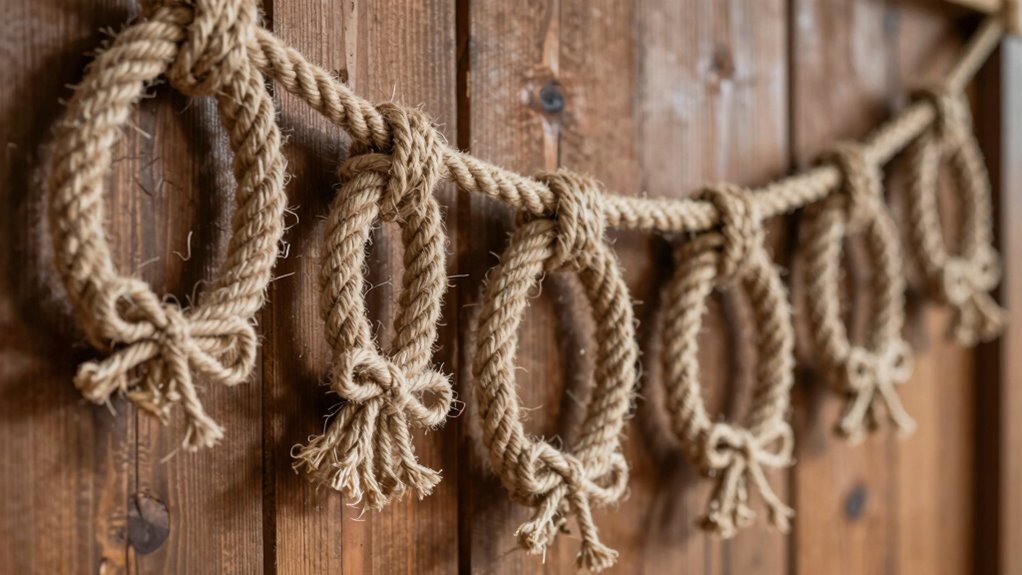
When crafting rope and twine banners for events, choosing durable materials guarantees your decorations last through the celebration. You’ll want to design eye-catching layouts that grab attention and match your theme. With the right combination of sturdy supplies and creative arrangement, your banners will stand out beautifully.
Selecting Durable Materials
Have you ever wondered how the right materials can make or break your DIY banner? Choosing durable materials guarantees your banner stays intact and looks great during your event. Look for strong, high-quality rope or twine that can withstand outdoor elements if needed. Consider eco-friendly materials that are sustainable and biodegradable, adding an environmentally conscious touch to your decor. To make your banner pop, select colorful accents that complement your theme without compromising durability. Pay attention to the thickness and fiber quality—thicker, tightly woven options last longer. Also, check for weather-resistant finishes if your event is outdoors. In conclusion, opt for cords that are easy to knot and secure, ensuring your banner remains sturdy throughout the celebration.
- Strong, high-quality rope or twine
- Eco friendly materials
- Weather-resistant finishes
- Thick, tightly woven fibers
- Easy-to-knot cords
Designing Eye-Catching Layouts
Wondering how to make your rope or twine banner stand out at your event? Focus on designing eye-catching layouts that draw attention. Start with color coordination—choose hues that complement your theme or venue to create visual harmony. Incorporate texture contrast by mixing smooth twine with rougher ropes or adding fabric accents for dimension. Vary the sizes and spacing of banners or letters to create rhythm and interest. Use symmetry for a polished look or embrace asymmetry for a modern, dynamic feel. Think about layering elements or adding decorative touches like beads or greenery to enhance visual appeal. A well-planned layout guarantees your banner becomes a focal point, capturing guests’ attention and elevating your event’s decor.
Nautical-Inspired Decor Ideas Using Rope and Cord
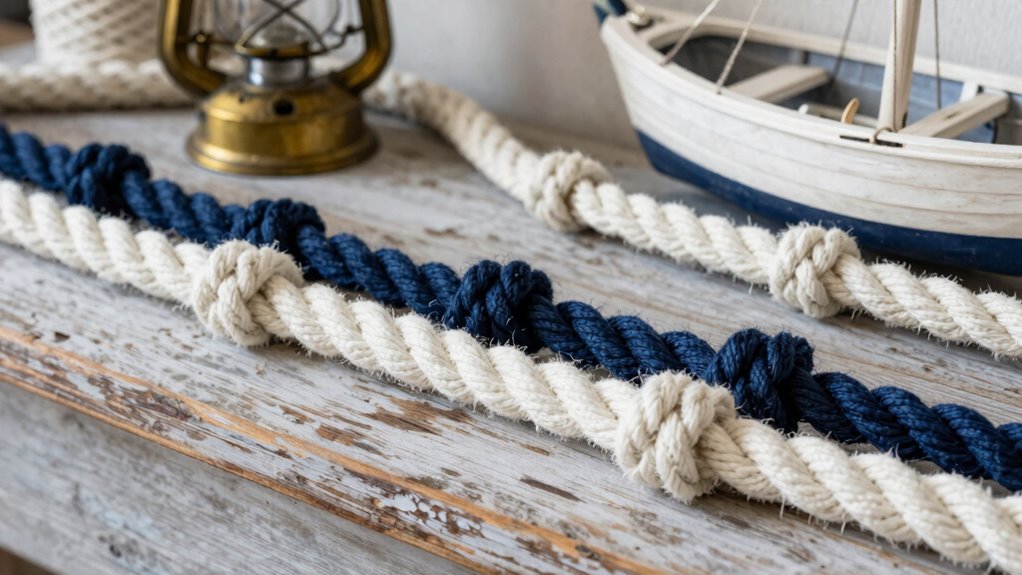
Nautical-inspired decor using rope and cord instantly brings a coastal vibe to any space. You can incorporate marine knots and nautical symbols to enhance the maritime theme. Use thick ropes to create decorative hangings or curtain ties that mimic ship rigging. Craft wall art featuring knots like the bowline or square knot, showcasing their beauty and function. Incorporate nautical symbols such as anchors, shells, or steering wheels into your decor for added authenticity. Wrap ropes around picture frames or mirror edges to give them a seaside touch. String small buoys or driftwood with cords to form eye-catching garlands. These simple accents evoke the ocean’s charm and make your space feel fresh and nautical.
Personalizing Your Space With Rope and Twine Wall Art
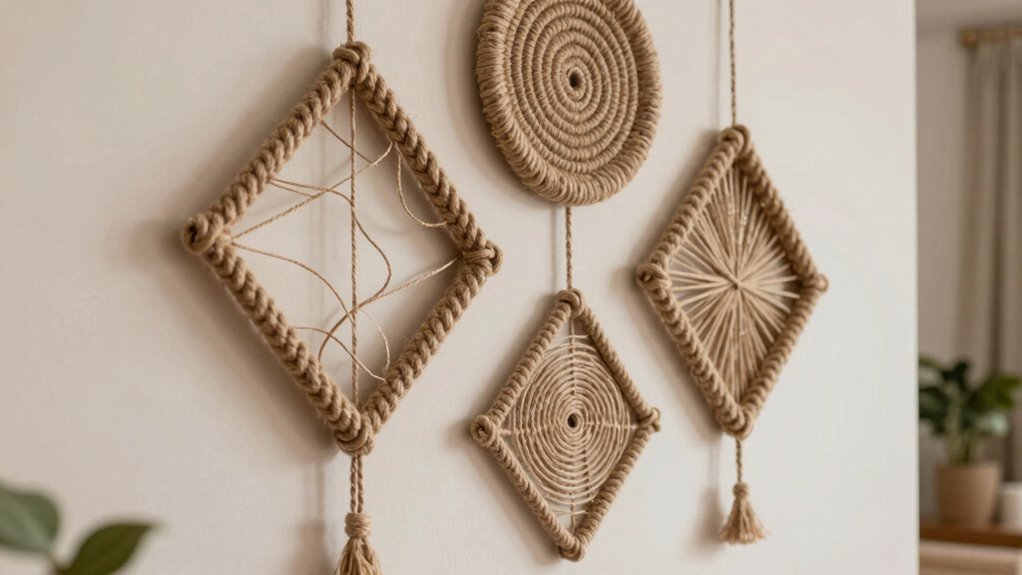
You can personalize your space by selecting natural materials like jute or sisal for a warm, organic feel. Adding your favorite symbols or meaningful objects to your wall art makes it uniquely yours. Experiment with different arrangements to find a layout that enhances your room’s style and reflects your personality.
Choosing Natural Materials
Have you considered how natural materials like rope and twine can add warmth and texture to your decor? Choosing natural fibers guarantees your wall art is eco-friendly, sustainable, and visually appealing. These materials bring a tactile quality that enhances any space, making it feel cozy and inviting. Look for options made from jute, hemp, or cotton, which are durable and environmentally conscious. When selecting your supplies, prioritize eco-friendly materials that support sustainable practices. Natural fibers also age beautifully over time, adding character to your art. Incorporating these materials encourages a connection to nature and promotes eco-awareness in your decor choices.
- Use jute or hemp for rustic, textured designs
- Opt for organic cotton twine for softer touches
- Choose biodegradable cords over synthetic alternatives
- Combine different natural fibers for depth
- Look for suppliers focused on sustainable sourcing
Incorporating Personal Symbols
Personal symbols are a powerful way to make your rope and twine wall art uniquely yours. Incorporating personal symbols allows you to reflect your identity, beliefs, or memories in your decor. Use cultural motifs that resonate with your heritage or experiences, such as symbols, patterns, or icons that hold special meaning. You can create small wall hangings or large statement pieces featuring initials, meaningful dates, or symbols representing your passions. Twine and rope provide a versatile canvas for these designs, whether you’re shaping intricate patterns or simple silhouettes. By weaving in personal symbols and cultural motifs, your wall art becomes a heartfelt expression of who you are, transforming your space into a reflection of your unique story.
Arranging Wall Layouts
Once you’ve incorporated meaningful symbols into your rope and twine wall art, the next step is to thoughtfully arrange these pieces to create a cohesive and mesmerizing display. Focus on color coordination to guarantee your artwork complements your space’s palette. Mix and match textures and shades for visual interest, but keep a balanced theme. Consider material durability—use sturdy knots and secure attachments so your wall art stays intact over time. Play with layout styles, such as symmetrical grids or organic arrangements, to match your personal aesthetic. Keep spacing consistent for a clean look or vary it for an eclectic vibe. Remember, the goal is to showcase your creativity while maintaining harmony within your home decor.
- Plan your layout before hanging
- Use painter’s tape for positioning
- Keep color schemes aligned
- Prioritize sturdy, durable materials
- Experiment with different arrangements
How to Make Rope and Twine Coasters and Trivets
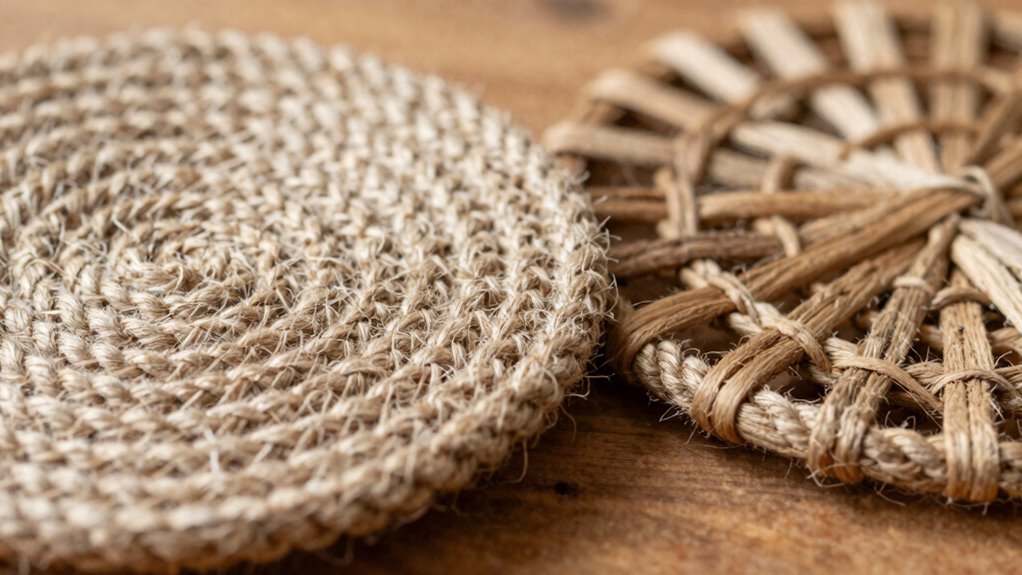
Creating rope and twine coasters and trivets is a simple and practical DIY project that adds a rustic touch to your home decor. Use eco-friendly materials like natural jute, hemp, or cotton twine to guarantee your creations are sustainable. Start by shaping your coaster or trivet with a circular or square base, then tightly wrap or braid the rope or twine around it, securing the ends with hot glue or a knot. Incorporate modern design techniques by experimenting with different patterns, colors, or weaving styles to create unique textures. These handmade pieces are not only functional but also serve as charming decor accents. With a few tools and a little patience, you’ll craft stylish, eco-conscious coasters and trivets that elevate your space.
Creating Hanging Planters With Twine and Cord
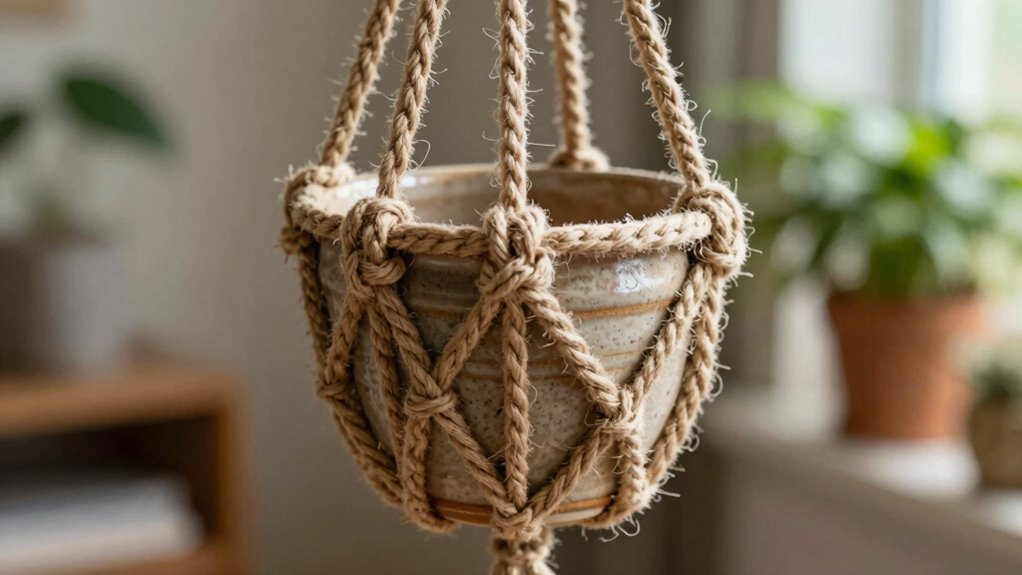
Ever wondered how to add a touch of natural charm to your space? Creating hanging planters with twine and cord is an easy way to do just that. Use different twine textures to add visual interest while promoting rope relaxation in your decor. To start, choose a sturdy container and wrap twine around its rim for a rustic look. Then, cut several lengths of twine or cord to form the hanger. Tie secure knots at equal intervals for a balanced design. Finally, attach the hanger to the container and hang it in your desired spot.
- Select contrasting twine textures for depth
- Use knots like the lark’s head or square knot
- Incorporate beads or charms for extra flair
- Experiment with different hanging heights
- Secure ties tightly for stability
Building a Rope Ladder or Swing for Indoor or Outdoor Use
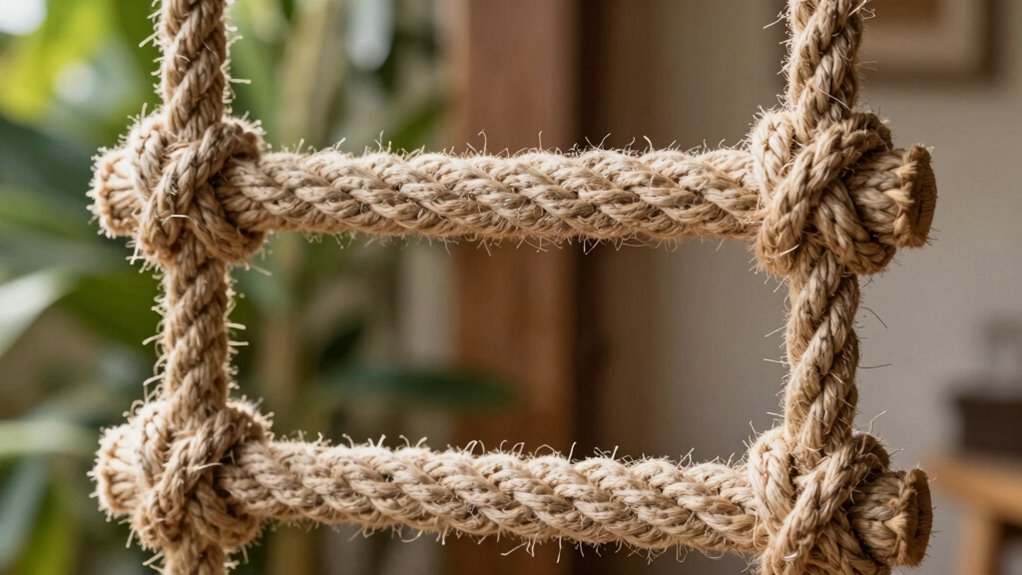
Building a rope ladder or swing can transform any indoor or outdoor space into a fun and functional area. Start by selecting sturdy, high-quality rope and inspecting it for any signs of wear to guarantee rope safety. When creating your ladder, evenly space the rungs and secure them tightly with strong knots. For a swing, attach the seat securely with durable knots, making sure the attachment points are strong enough to hold weight. To keep your workspace tidy, store extra twine neatly in a designated spot, ready for future projects. Always test your finished piece carefully before use, checking for stability and safety. With proper planning and attention to safety, your homemade rope ladder or swing will provide hours of safe, enjoyable fun.
Seasonal and Holiday Decor With Rope and Twine
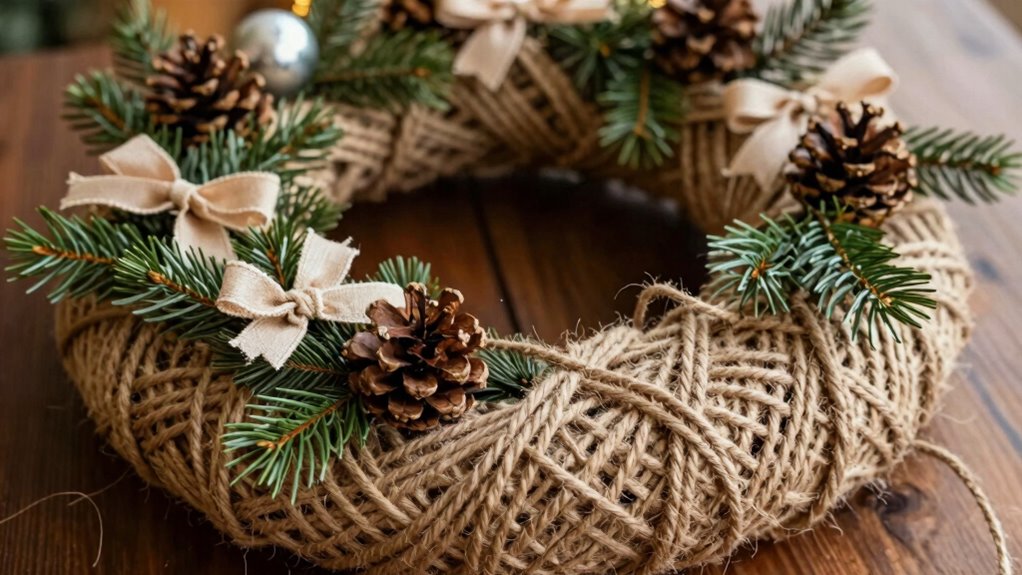
During the holiday season or when celebrating special occasions, incorporating rope and twine into your decor adds a rustic and charming touch. You can craft seasonal wreaths by wrapping twine around a wire or foam base, adding natural elements like pinecones or berries. Create holiday garlands by tying small ornaments or dried fruits with twine and stringing them along a length of rope. Use these materials to make rustic table centerpieces or hanging decorations that evoke warmth and coziness. Rope accents can also embellish candles or lanterns, enhancing your festive atmosphere. For a simple project, braid or knot twine into shapes like stars or hearts to hang on doors or walls. These handmade touches make your decor uniquely yours and full of seasonal charm.
- Craft seasonal wreaths with twine and natural accents
- String holiday garlands with ornaments and dried fruits
- Decorate candles and lanterns with rope accents
- Make rustic ribbon bows for gift wrapping
- Create hanging shapes like stars or hearts
Designing Rope Shelves and Storage Solutions
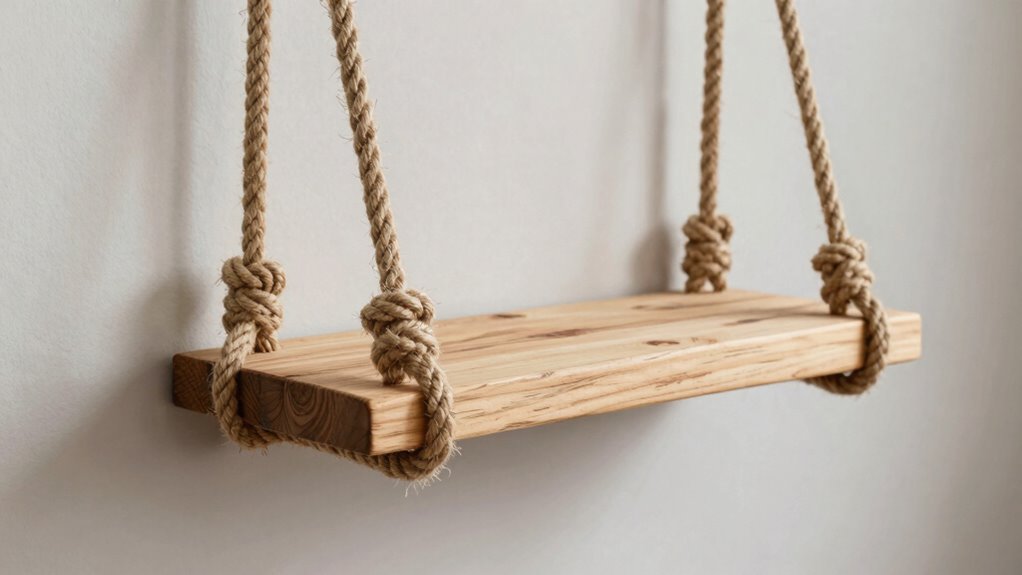
Rope isn’t just for decorative accents; it also makes a sturdy and stylish material for creating functional shelves and storage solutions. When designing rope shelves, prioritize sustainable sourcing by choosing eco-friendly, natural fibers to minimize environmental impact. Securely attaching the rope to sturdy brackets or wall anchors guarantees safety and stability, especially when holding heavier items. Always follow safety precautions, such as inspecting the rope for wear and tear before use. Use strong knots like the bowline or double knot to prevent slipping. Consider combining multiple ropes for added strength or aesthetic appeal. These DIY shelves are customizable, budget-friendly, and eco-conscious, making them perfect for any space. Proper planning and safety measures guarantee your handmade rope storage solutions will be both practical and stylish.
Troubleshooting Common Rope and Twine Challenges

When working with rope and twine, you might encounter common issues like fraying, slipping knots, or uneven tension that can compromise your project’s durability and appearance. To troubleshoot these common rope issues, start by checking your material quality and replacing worn or frayed sections. Use twine knot tips such as double knots or secure wraps to prevent slipping. Keep tension consistent while knotting to avoid unevenness. Additionally, apply a small amount of glue or sealant to prevent fraying at cut ends.
- Inspect for fraying and trim loose fibers
- Use appropriate knots for your project
- Maintain even tension during knotting
- Secure ends with glue or sealant
- Replace damaged sections promptly
Gifting Handmade Rope and Twine Crafts to Friends and Family
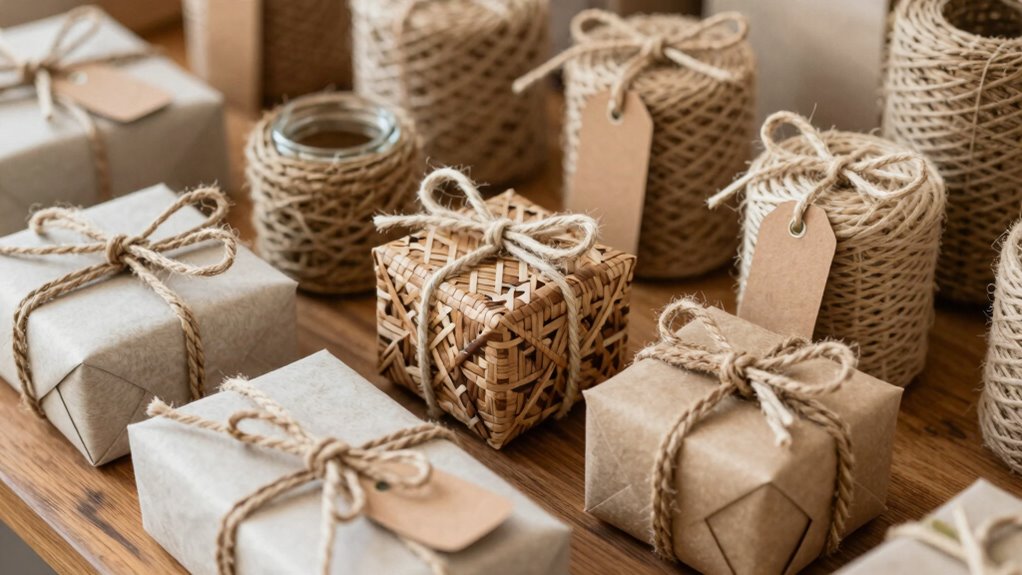
Gifting handmade rope and twine crafts adds a personal touch that friends and family will cherish. You can enhance your gift-giving with creative ideas like unique gift wrapping or jewelry making. Use rope or twine to create rustic bows, decorative tags, or wraps that add texture and charm. For jewelry, craft bracelets or necklaces with twine and beads for a personalized touch. To inspire you, here’s some ideas:
| Gift Type | Craft Idea |
|---|---|
| Gift Wrapping | Twine-wrapped boxes with handmade tags |
| Jewelry Making | Beaded twine bracelets |
| Special Occasions | Rope photo hangers or decorative accents |
Frequently Asked Questions
How Do I Prevent Rope From Fraying Over Time?
To prevent rope from fraying over time, you should focus on enhancing its durability and applying fraying prevention techniques. You can seal the ends with heat by carefully melting them, which melts the fibers and prevents unraveling. Alternatively, applying a small amount of fabric glue or nail polish at the ends also works effectively. Regularly inspecting your rope, trimming frayed strands, and handling it gently can further extend its lifespan and maintain its appearance.
What Are the Best Cleaning Methods for Twine Decor?
To clean twine decor, use gentle cleaning techniques to preserve its material durability. Mix mild soap with warm water and gently wipe the twine with a soft cloth or sponge. Avoid harsh chemicals or soaking it completely, as this can weaken the fibers. Regular dusting helps maintain its appearance, and spot cleaning keeps your decor looking fresh without risking damage. Always air dry to prevent mold and deterioration.
Can I Use Synthetic Rope for Outdoor Projects?
Yes, you can use synthetic rope for outdoor projects. Many believe natural fibers are better outdoors, but synthetic rope actually offers superior durability, especially with UV resistance. It withstands weather conditions like rain, sun, and wind much better than natural options, making it ideal for outdoor decor. Its UV resistance guarantees it won’t degrade or lose strength over time, so your projects stay looking great and last longer.
How Do I Securely Attach Rope to Different Surfaces?
To securely attach rope to different surfaces, focus on proper rope anchoring and surface adhesion. Use appropriate hardware like hooks, eye bolts, or anchors suited for your surface material. For better adhesion, clean the surface thoroughly and apply strong adhesive or outdoor-rated tape if needed. Wrapping the rope tightly around hooks or knots guarantees stability, while tensioning the rope keeps it secure and prevents slipping.
Are There Eco-Friendly Options for Natural Twine?
Did you know that over 80% of twine options are now eco-friendly? You can choose biodegradable materials like jute or hemp, which break down naturally without harming the environment. Recycled fibers are also a great option, transforming waste into beautiful decor. These eco-friendly choices help you decorate sustainably, reducing your carbon footprint while adding rustic charm. So, look for twine made from natural, recycled, and biodegradable sources for a greener craft!
Conclusion
As you craft with rope, twine, and cord, think of each project as planting seeds in a garden—you’ll nurture your skills and watch your creativity grow. Remember, even the most intricate-looking decor starts with a simple knot or twist. With patience and practice, you’ll turn everyday materials into stunning, personalized pieces that bring warmth and charm to your home. So grab your supplies and start weaving your unique story today!
Fall yard work Picks
leaf blowers
As an affiliate, we earn on qualifying purchases.