
To make your handmade signs look balanced, focus on arranging your key message or focal point slightly above center, creating a natural visual flow. Use symmetry or asymmetry thoughtfully, and incorporate white space around important elements to prevent clutter. Pair your fonts and colors carefully to guide the eye smoothly and emphasize your main message. Mastering this simple layout trick will instantly boost your sign’s professional look—keep going to discover more tips to perfect your design.
Key Takeaways
- Center key messages or focal points to create immediate visual balance and draw attention effectively.
- Use symmetrical or intentionally asymmetrical layouts to distribute visual weight evenly.
- Incorporate whitespace strategically around elements to prevent clutter and enhance harmony.
- Pair fonts thoughtfully to maintain typographic balance and avoid visual chaos.
- Arrange elements with a clear visual flow, guiding the viewer naturally across the sign.

Have you ever wondered why some handmade signs immediately catch your eye while others feel off-balance? The secret often lies in the layout, which influences how viewers perceive your message. When your sign is well-balanced, it naturally guides the eye across the design, making the message clear and engaging. One simple trick can make all the difference: mastering the art of layout by focusing on color contrast and font pairing. These elements work together to create a harmonious visual flow that feels both intentional and appealing.
Color contrast plays an essential role in catching attention and establishing hierarchy. When you choose colors that stand out against each other—like dark text on a light background or vibrant hues paired with muted tones—you create a visual punch that draws the eye to key parts of your sign. This contrast not only enhances readability but also helps to emphasize important words or messages, ensuring your audience quickly grasps the main point. Be mindful of the color wheel; complementary colors tend to pop most effectively, but even contrasting shades within a similar hue can create a pleasing balance if used thoughtfully. Understanding visual hierarchy can help you better arrange these elements for maximum impact.
Effective color contrast highlights key messages and improves readability through thoughtful use of complementary or contrasting shades.
Alongside color contrast, font pairing is equally significant. The fonts you select should complement each other to avoid visual chaos while maintaining interest. For example, pairing a bold, sans-serif font for headlines with a more delicate script for accents can establish a clear hierarchy, guiding viewers naturally from the most important information to the supporting details. Keep in mind that too many font styles can clutter the design and cause confusion, so stick to two or three at most. The right combination creates visual rhythm, making your sign easier to read and more aesthetically pleasing. Additionally, considering typographic harmony can further enhance the cohesiveness of your design.
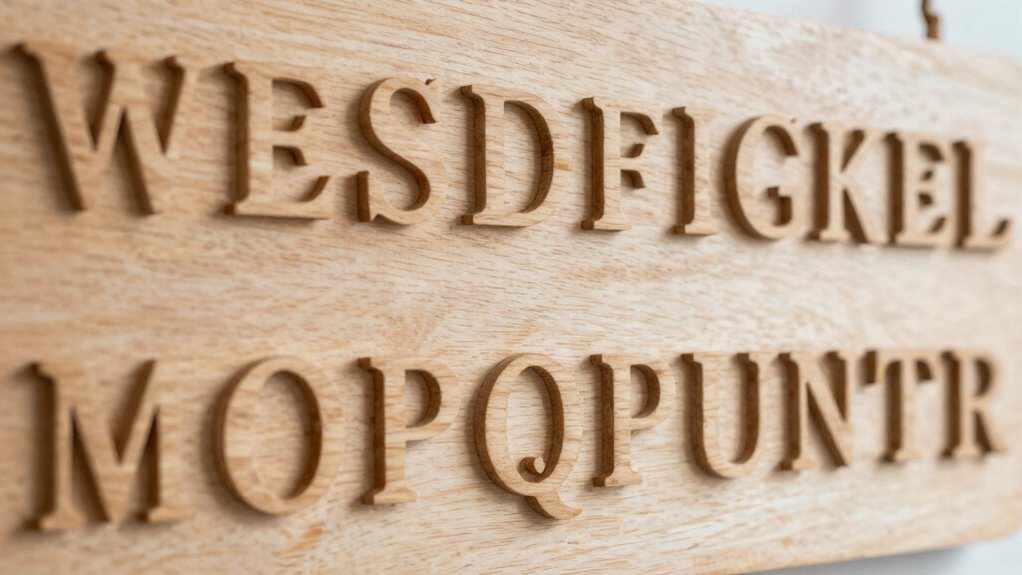
The key to making your handmade sign look balanced is in how you arrange these elements. Use the layout to emphasize contrast and harmony. Place your most important message where it naturally catches the eye—often at the center or slightly higher—and balance other elements around it. To achieve this, consider visual balance techniques, such as symmetry or asymmetry, to create an engaging composition. Leave enough whitespace so your design doesn’t feel crowded, allowing each component to breathe. When color contrast and font pairing work together within a carefully planned layout, your sign will feel cohesive and professional, even if it’s handmade.
In the end, this layout trick isn’t about complicating your process; it’s about being intentional with how you combine visual elements. When you focus on contrast and pairing, you create a sign that feels balanced and compelling, making your message stand out effortlessly.
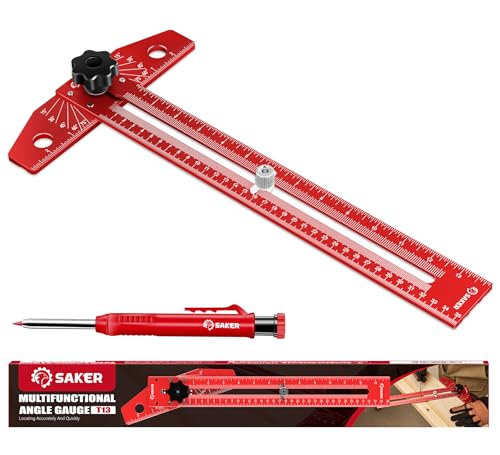
Saker Woodworking Scriber Marking Line Ruler,Aluminum Alloy T-Square
- Multifunctional T-Square Ruler: Measures length and angles easily
- Accurate Scale: Clear 0-48cm/18-inch measurements
- Durable Aluminum Body: Abrasion-resistant and deformation-proof
As an affiliate, we earn on qualifying purchases.
As an affiliate, we earn on qualifying purchases.
Frequently Asked Questions
Can This Layout Trick Be Used for Digital Signs?
Yes, you can definitely adapt this layout trick for digital signs. Digital adaptation offers great design flexibility, allowing you to easily tweak elements for ideal balance and visual appeal. By applying this trick, you’ll create more engaging, professional-looking digital signs that attract attention. It’s a versatile approach that works well whether you’re designing a static display or dynamic content, helping your message stand out effectively.
What Are Common Mistakes to Avoid With This Layout Trick?
To avoid common mistakes with this layout trick, focus on typography tips like choosing readable fonts and consistent sizes. Don’t overcrowd your sign—leave enough space for clarity. Make certain color harmony by selecting complementary colors that enhance readability and visual appeal. Keep your design balanced by aligning elements properly and avoiding too many contrasting colors. These steps will help your handmade signs look professional, polished, and easy to understand.
Does This Trick Suit All Sign Sizes and Shapes?
While this layout trick works well for many signs, it doesn’t suit all sign shapes and sizes. For larger signs, you might need more spacing or different focal points, while smaller signs could become cluttered if overused. The trick’s effectiveness depends on your sign’s shape and size; you’ll want to adapt the balance to fit each unique design. Experimentation helps find the perfect harmony for every sign.
How Long Does It Take to Master This Layout Technique?
Mastering this layout technique depends on your familiarity with design principles and your practice level. Usually, it takes a few weeks of consistent effort to develop a good sense of visual balance, but becoming truly skilled can take months. You’ll learn to intuitively apply the principles of alignment, spacing, and proportion, which are essential for creating handmade signs that look balanced and professional. Keep practicing, and you’ll see steady improvement.
Are There Any Tools That Can Help Implement This Trick?
You can definitely use sign making tools to implement this layout trick more easily. Tools like rulers, grids, and templates help you position elements accurately, ensuring balance. Additionally, layout software can be a game-changer, allowing you to preview your design before committing to the final sign. These tools streamline the process, making it simpler to achieve a professional, balanced look without guesswork, even if you’re just starting out.
Conclusion
Now that you know this simple layout trick, your handmade signs will dance with harmony and catch every eye like a well-choreographed ballet. Think of your signs as a symphony—when everything is balanced just right, they sing loudly and clearly. So, embrace this trick and let your creativity flow, turning plain signs into visual poetry that invites everyone to stop, look, and admire. Your handmade masterpiece is about to become the talk of the town!