Choosing equipment that matches your output pace helps you keep operations smooth and efficient. When your tools fit the workload, you reduce delays and avoid breakdowns, ensuring you meet deadlines. Properly aligned equipment minimizes strain on workers and prevents unnecessary wear and tear. Investing in the right machinery also means less downtime and longer-lasting tools. Keep in mind, understanding how to match equipment with demand can greatly boost productivity—if you want to learn more, stay tuned for helpful insights.

Get business pricing on tools and workshop supplies
- Business-only prices and quantity discounts
- Tax-exempt purchasing
- Multiple users, one account, clear invoices
Key Takeaways
- Matching equipment to output pace ensures smooth workflow and minimizes delays or stoppages.
- Properly aligned tools reduce breakdowns and maintenance costs, enhancing overall efficiency.
- Equipment that fits workload capacity prevents overuse or underperformance, maintaining steady productivity.
- Consistent output rate with suitable equipment helps meet deadlines and client expectations.
- Choosing equipment aligned with work demands promotes durability and reduces operational frustrations.

Choosing the right equipment is crucial to keep up with your desired output pace. When your goal is efficiency, the equipment you select should align with how quickly you need to work. Picking machinery that matches your workflow ensures smooth operation, minimizes delays, and helps you meet deadlines consistently. If your equipment isn’t suited to your pace, you risk frequent breakdowns, which can slow you down and disrupt your productivity. Opting for tools with good equipment durability means investing in machines designed to withstand your workload over time. Durable equipment reduces downtime caused by wear and tear, allowing you to focus on your work without constant repairs or replacements.
Additionally, implementing effective maintenance strategies plays an indispensable role in keeping your equipment performing at its best. Regular upkeep prevents unexpected failures and extends the lifespan of your machinery. Well-planned maintenance routines—like scheduled inspections, timely lubrication, and cleaning—help you spot issues early before they turn into costly repairs or cause delays. When your equipment is consistently maintained, it operates more efficiently, which directly supports your output pace. This proactive approach ensures your machinery remains aligned with your productivity goals, avoiding the pitfalls of neglect that can lead to breakdowns and slower work cycles. Incorporating preventative maintenance best practices can significantly enhance your equipment’s longevity and dependability.
Matching your equipment to your output pace also means choosing tools that are neither overpowered nor underpowered for your needs. Overly robust equipment might perform faster but could be more costly and harder to maintain, while underperforming tools slow down your workflow and cause frustration. The right balance allows you to work effectively without unnecessary strain or expense. When your equipment’s capabilities align with your work rate, you can optimize your effort, reduce fatigue, and maintain a steady, sustainable pace. This harmony between your needs and your tools helps you avoid the temptation of rushing with inadequate machinery or slowing down due to overly complex or fragile equipment. Recognizing the importance of equipment selection ensures you make informed decisions that enhance your overall productivity.
Furthermore, understanding the performance capabilities of your tools can help you better tailor your equipment choices to meet changing demands. Ultimately, selecting equipment that matches your output pace creates a more streamlined and efficient working environment. It minimizes interruptions, reduces maintenance burdens, and enhances equipment durability, ensuring you stay consistent and productive. When you prioritize machines that fit your workflow, you’re making an investment in your overall efficiency—one that pays off in timely deliveries and smoother operations. By combining the right equipment with solid maintenance strategies, you set yourself up for success, making it easier to meet your goals without unnecessary setbacks or headaches. Proper equipment maintenance is essential for maintaining optimal performance and preventing costly downtime.
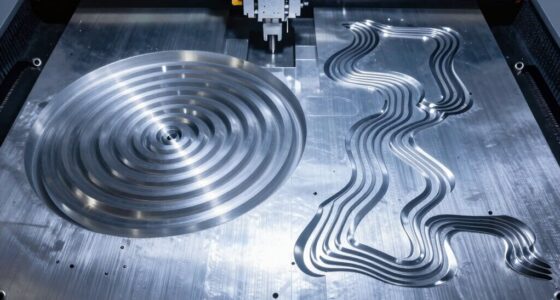
industrial machinery matching output pace
As an affiliate, we earn on qualifying purchases.
As an affiliate, we earn on qualifying purchases.
Frequently Asked Questions
How Do I Measure My Optimal Output Pace Accurately?
To measure your ideal output pace accurately, start by setting clear productivity benchmarks based on your current performance. Use equipment calibration tools to verify your machinery operates at peak efficiency. Track your output over time, noting fluctuations, and compare it to your benchmarks. Adjust your pace gradually, and re-calibrate equipment as needed. This approach helps you find and maintain the right output pace for maximum efficiency.
Can Equipment Adapt to Changing Output Speeds?
Did you know that 78% of businesses find equipment with high output flexibility essential for efficiency? Equipment can adapt to changing output speeds if it’s compatible with your system. Look for tools designed with adjustable settings or smart features, ensuring seamless integration. This compatibility allows your equipment to respond quickly to fluctuations, maintaining productivity and avoiding bottlenecks, so you keep pace without sacrificing quality or speed.
What Are Signs of Mismatched Equipment and Output Pace?
Signs of mismatched equipment and output pace include frequent jams, inconsistent product quality, and slowdowns during operation. You might notice equipment struggling to keep up or producing errors, indicating poor equipment compatibility. These issues disrupt output synchronization, causing delays and higher costs. When you see these signs, it’s a clear indicator that your equipment isn’t aligned with your output speed, and adjusting or upgrading is essential for smooth, efficient production.
How Often Should I Reassess My Equipment Choice?
You should revisit your equipment choice periodically, ideally every few months or as your workload evolves. Keep an eye on equipment durability and stay consistent with maintenance schedules to spot signs of wear early. Regular reassessment helps guarantee your gear continues to match your output pace, preventing inefficiencies. If you notice performance drops or increasing repairs, it’s time to reevaluate and consider upgrades, keeping your workflow smooth and productive.
Does Matching Equipment Pace Improve Overall Efficiency?
Matching your equipment pace definitely improves overall efficiency by ensuring equipment synchronization, so your workflow remains smooth without bottlenecks. When your tools align with your output rate, you maintain a better productivity balance, reducing downtime and fatigue. This harmony allows you to work more effectively, finish tasks quicker, and avoid unnecessary strain. Ultimately, choosing equipment that matches your pace helps optimize your performance and keeps your operations running seamlessly.
Conclusion
Just like the steady rhythm of a well-tuned drum keeps a band in sync, choosing equipment that matches your output pace keeps your workflow smooth and efficient. When you align your tools with your natural rhythm, you avoid burnout and boost productivity — it’s the secret to mastering your craft. Remember, even the greatest maestros know that harmony comes from matching tempo. So, pick equipment that moves with you, and let your success follow the beat.
Fall yard work Picks
leaf blowers
As an affiliate, we earn on qualifying purchases.