
Choosing between kiss cut and die cut stickers dramatically impacts your workflow, costs, and final design quality. Kiss cuts are great for quick, simple designs and easy peeling, but die cuts offer precise shapes with intricate details and a more polished look. Your choice affects production speed, material use, and durability. To make the best decision for your project, consider your design complexity and budget — explore more to find the perfect fit.

Get business pricing on tools and workshop supplies
- Business-only prices and quantity discounts
- Tax-exempt purchasing
- Multiple users, one account, clear invoices
Key Takeaways
- Choosing between kiss cut and die cut affects production speed, with die cuts generally enabling faster, high-volume runs.
- The decision impacts design complexity, as die cuts support intricate shapes, while kiss cuts suit simpler designs.
- Material compatibility and durability considerations vary, influencing the choice based on intended outdoor or long-term use.
- Cost efficiency differs: kiss cuts may be more economical for small batches; die cuts often reduce waste and improve precision at scale.
- Workflow flexibility and branding impact, since die cuts allow for unique shapes that enhance visual identity and marketing impact.
As an affiliate, we earn on qualifying purchases.
What’s the Difference? Kiss Cut vs. Die Cut Stickers

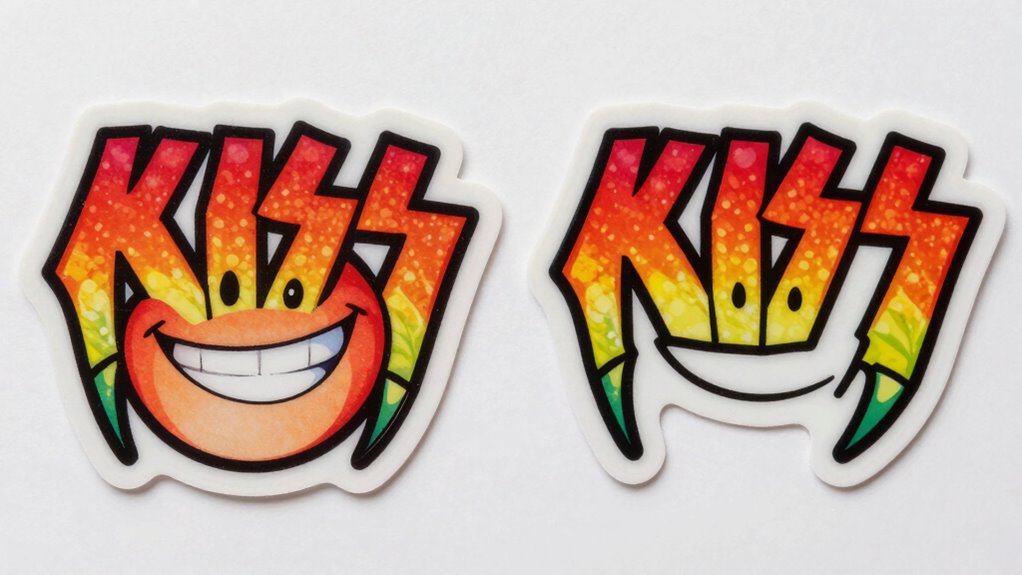
Understanding the difference between kiss cut and die cut stickers is key to choosing the right type for your project. Kiss cut stickers are cut through the backing but leave the top layer intact, making them easy to peel. Die cut stickers, on the other hand, are cut through both the sticker and backing, resulting in a custom shape with no excess material. When selecting between them, consider adhesive strength. Kiss cuts often have a consistent adhesive that sticks well without damaging the backing, ideal for easy application. Color matching also plays a role, especially for die cuts, as precise cuts ensure the design’s edges are sharp and clean. Additionally, the waterproof and weatherproof features of stickers can influence durability, especially for outdoor use. The cutting process can affect the overall appearance and precision of the sticker edges. For instance, the production method used can impact the final look and quality of your stickers. Incorporating advanced cutting technology can improve edge accuracy and overall finish, ensuring your stickers meet professional standards. Moreover, understanding the material options available can help you select stickers that best suit your project’s needs. By understanding these distinctions, you can better match your sticker type to your desired aesthetic and functionality.
When Should You Use Kiss Cut Stickers?
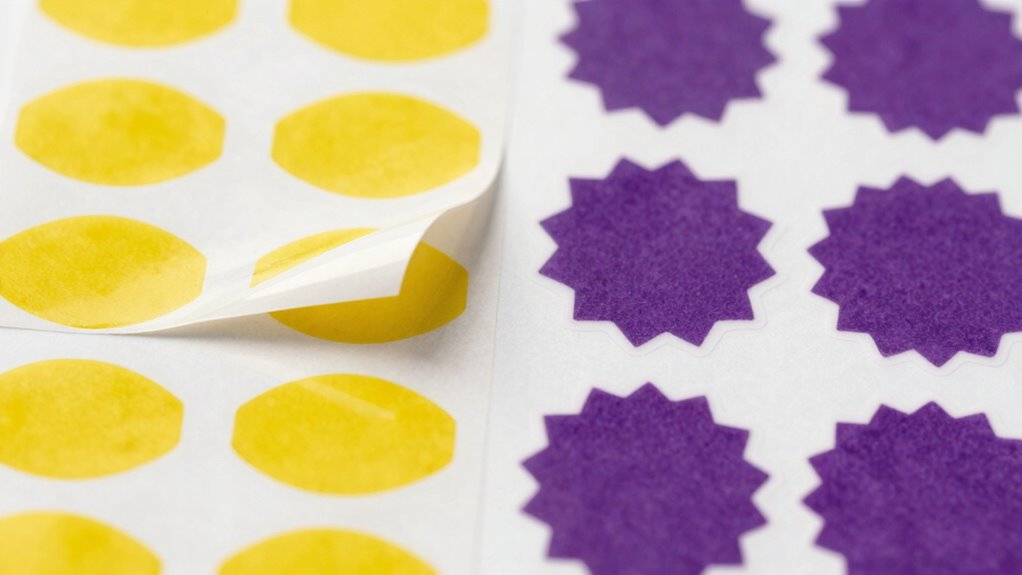
Kiss cut stickers are ideal when you need versatile, easy-to-apply decals for various surfaces. They work well when adhesive strength needs to be strong enough for secure attachment but gentle enough for easy removal without residue. This makes them perfect for product packaging, laptop decals, or promotional giveaways. Additionally, kiss cut stickers maintain excellent color consistency across batches, ensuring your designs look uniform and professional. Use them when you want the flexibility to peel and stick multiple times or when you require a clean, smooth cutting edge that separates from the backing easily. They’re especially useful if you want a simple application process without sacrificing durability or visual appeal. Overall, kiss cut stickers are your go-to choice for versatile, high-quality decals. For example, their use in personal branding has increased as businesses seek customizable, reusable promotional items.
Why Choose Die Cut Stickers? Benefits and Best Uses

Die cut stickers give you precise design control, ensuring your logo or artwork looks sharp and professional. They also open up more branding opportunities by allowing complex shapes that stand out. If your design has intricate details, die cuts are the best choice to showcase your creativity effectively. Additionally, leveraging digital resources like specialized design apps can help streamline the creation of complex die cut shapes for your stickers. Utilizing essential oil knowledge can inspire unique motifs and designs that resonate with your brand identity. Incorporating design precision techniques can further enhance the quality and impact of your die cut stickers, making them truly stand out.
Precise Design Control
Choosing die cut stickers gives you unmatched control over your design’s precision. You can shape each sticker exactly to your specifications, ensuring clean, crisp edges that highlight your artwork. This level of control allows you to optimize adhesive strength, ensuring your stickers stick securely without damaging surfaces or peeling prematurely. Die cuts also preserve color fidelity, maintaining vibrant hues and sharp details that make your design stand out. With this method, you can customize complex shapes and intricate details, giving your stickers a professional, polished look. Whether for branding, personal projects, or promotional items, die cut stickers provide the exact shape and durability you need. This precision helps your stickers make a strong visual impact while reinforcing your brand identity or creative vision.
Enhanced Branding Opportunities
Custom-shaped die cut stickers offer a powerful way to strengthen your brand identity and stand out in a crowded market. Their unique shapes immediately draw attention, creating memorable branding opportunities that other sticker types can’t match. By customizing the shape to match your logo or product, you make your branding more recognizable and cohesive. These stickers enhance your marketing strategies by offering versatile applications—whether on packaging, giveaways, or promotional events. Their eye-catching design helps reinforce brand recall and fosters customer loyalty. Plus, die cut stickers lend a professional, polished look that elevates your overall branding efforts. When you choose die cut stickers, you’re investing in a durable, impactful promotional tool that directly contributes to your brand’s visibility and long-term success. Understanding Free Floating can also help streamline your international branding efforts if you expand your market globally. Additionally, the ability to create custom shapes ensures your stickers precisely match your branding elements, making a stronger visual impact. Incorporating ethical fashion trends into your branding can also align your sticker design with social and political statements, further boosting your brand’s relevance. Recognizing the importance of safety considerations can help ensure your stickers and branding materials meet industry standards and resonate with socially conscious consumers.
Ideal For Complex Shapes
Complex shapes are where die cut stickers truly shine, making them the ideal choice for designs with intricate details or unique outlines. With their precise cutting, you can achieve sharply defined edges that match your artwork perfectly. Die cutting offers unmatched cutting precision, ensuring even the most delicate features are clear and professional. Additionally, material versatility allows you to work with various sticker substrates, from vinyl to specialty papers, without sacrificing quality. This flexibility means you can customize your stickers to fit any complex shape or texture. Whether you’re creating detailed logos, intricate illustrations, or custom outlines, die cut stickers deliver the precision needed for a polished, high-quality finish. They’re perfect for elevating your designs with complex shapes that demand accuracy and durability.
How Do Cutting Methods Affect Sticker Production Speed and Cost?

The way you cut stickers considerably impacts both production speed and overall costs. Die cuts are faster for high-volume runs because they quickly produce consistent shapes with minimal setup time. Cutting accuracy is essential to ensure that each sticker meets quality standards and reduces material waste. Precise die-cutting techniques utilize advanced machinery to achieve cleaner edges and higher efficiency, especially in large-scale production. Incorporating precision tools into your workflow can further enhance cut quality and consistency. Kiss cuts, on the other hand, tend to be more time-consuming initially but offer better control over adhesive strength, allowing you to customize how easily stickers peel without damaging the design. This flexibility can reduce waste and rework, saving costs in the long run. Additionally, the cutting method influences color fidelity; precise die cuts preserve vibrant colors by minimizing misalignments, while kiss cuts maintain the integrity of layered designs. Overall, choosing the right technique balances production efficiency with quality, directly affecting your speed and expenses. Cutting precision also plays a critical role in ensuring consistent quality and reducing material waste during production.
What Factors Should You Consider When Picking a Cutting Technique?
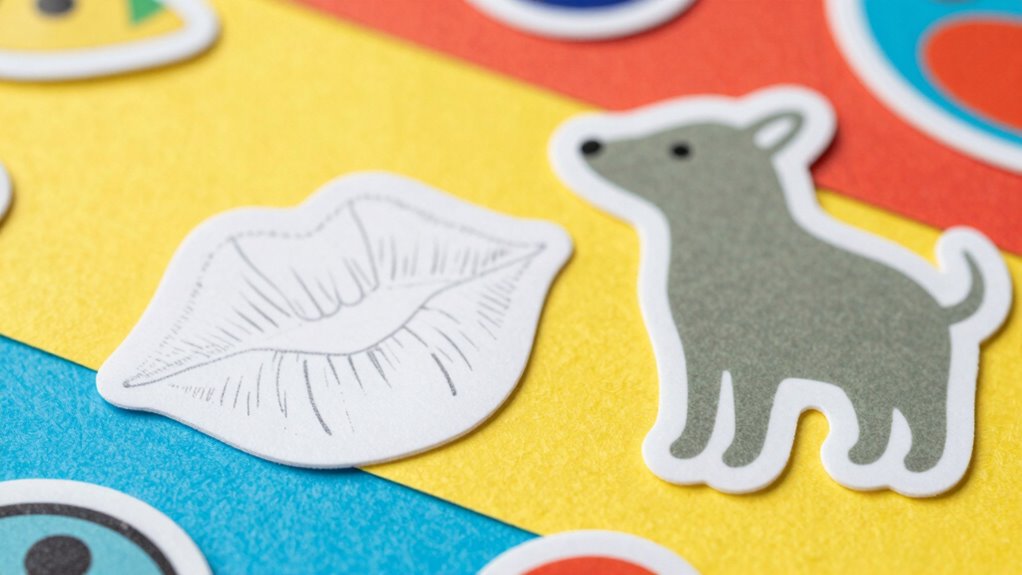
When choosing a cutting technique, you need to consider how well it works with your material. The design complexity also matters, as detailed shapes may require different methods for clean cuts. Balancing these factors ensures you pick the most effective technique for your project’s needs. Additionally, understanding how smartphone accessories interact with your workflow can help optimize your overall process and results. Knowing the cutting precision required for your designs can further influence your choice, ensuring consistent and professional outcomes. Considering material compatibility is crucial, as not all techniques perform equally across different substrates. Being aware of workflow efficiency can help streamline your process and improve productivity. Moreover, evaluating cutting speed can significantly impact your project’s timeline and quality.
Material Compatibility Considerations
Choosing the right cutting technique depends heavily on the material you’re working with, as different substrates have unique properties that affect how they respond to cutting tools. You need to contemplate substrate compatibility and how adhesive types interact with the material. For example, some adhesives may cause certain materials to peel or distort during cutting, impacting the final product. Additionally, understanding the material’s durability can help determine whether a kiss cut or die cut is more appropriate for your project. Keep these factors in mind: – The thickness and rigidity of the substrate – Whether the adhesive is compatible with the material – How the material reacts to pressure and blade contact, and considering the appropriate tool settings can further enhance your workflow and results. Being aware of the material’s properties can also prevent issues such as tearing or uneven cuts, ensuring a cleaner finish. Moreover, considering the material’s lifecycle can aid in choosing a technique that balances efficiency and quality over time. Recognizing water content in materials can also influence the cutting method, especially for materials sensitive to moisture.
Design Complexity Impact
Design complexity plays a essential role in selecting the appropriate cutting technique because intricate or detailed designs require precision and clean edges. If your design has high design intricacy, a die cut might be ideal, as it handles sharp curves and fine details well. Conversely, kiss cuts excel with simpler shapes or designs that need to stay attached to the backing for easy application. Material flexibility also influences your choice; more flexible materials can bend and conform better during cutting, impacting the ease of achieving clean cuts. For complex designs on rigid materials, die cuts typically deliver sharper results. In contrast, flexible materials paired with kiss cuts provide a smoother finish and are easier to peel. Always consider your design’s intricacy and material flexibility to select the most suitable cutting technique.
How Do Kiss Cut and Die Cut Stickers Compare in Cost, Durability, and Quality?

Ever wondered how kiss cut and die cut stickers compare in terms of cost, durability, and quality? The pricing comparison varies depending on complexity and order size, but generally, kiss cut stickers are more affordable because they require less intricate cutting. When it comes to material durability, die cut stickers often use thicker, more robust substrates, making them more resistant to wear and tear.
Consider these factors:
- Kiss cut stickers usually cost less upfront, ideal for quick projects.
- Die cut stickers tend to last longer due to sturdier materials.
- Overall quality depends on the material choice and manufacturing process.
Your decision impacts both your budget and sticker longevity, so weigh these aspects carefully.
Which Sticker Cutting Method Is Right for Your Project?

To determine which sticker cutting method is best for your project, consider your priorities for cost, durability, and design complexity. If you’re working with intricate designs or multiple layers, die cutting offers clean, precise edges that showcase detailed artwork. For simpler shapes or cost-effective options, kiss cutting might be ideal, especially when using different adhesive types like permanent or removable adhesives. Your choice also depends on printing techniques—digital printing pairs well with kiss cuts for quick, vibrant designs, while screen printing may benefit from die cutting for a professional finish. Think about how your stickers will be used—weather resistance, repositionability, and overall longevity—as these factors influence the best method. Matching your project needs with the right cutting technique ensures a successful, efficient workflow.
Common Mistakes to Avoid When Choosing Between Kiss Cut and Die Cut
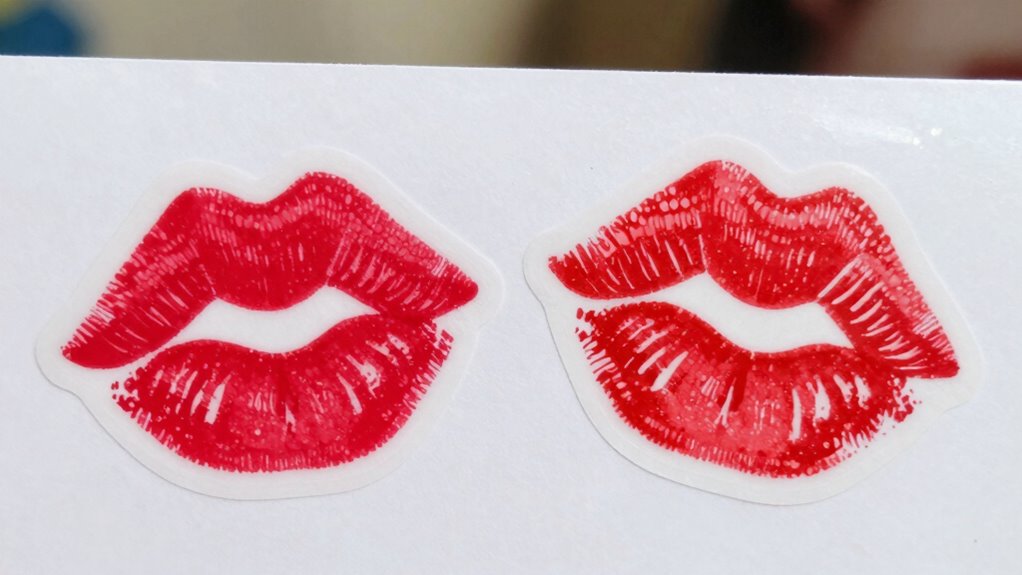
Choosing the wrong cutting method can lead to issues like wasted materials, poor product quality, or increased costs. To avoid this, don’t overlook key factors in your decision. Misjudging your pricing strategies can make a premium die cut seem unnecessary, while ignoring customer preferences might mean choosing a style that doesn’t appeal. Be cautious of these common mistakes:
Choosing the right cutting method ensures quality, reduces waste, and aligns with customer preferences.
- Assuming one method fits all projects without considering the design complexity
- Ignoring how your target audience interacts with different sticker styles
- Overlooking how production costs impact your overall pricing strategy
How to Streamline Your Sticker Workflow for Better Results
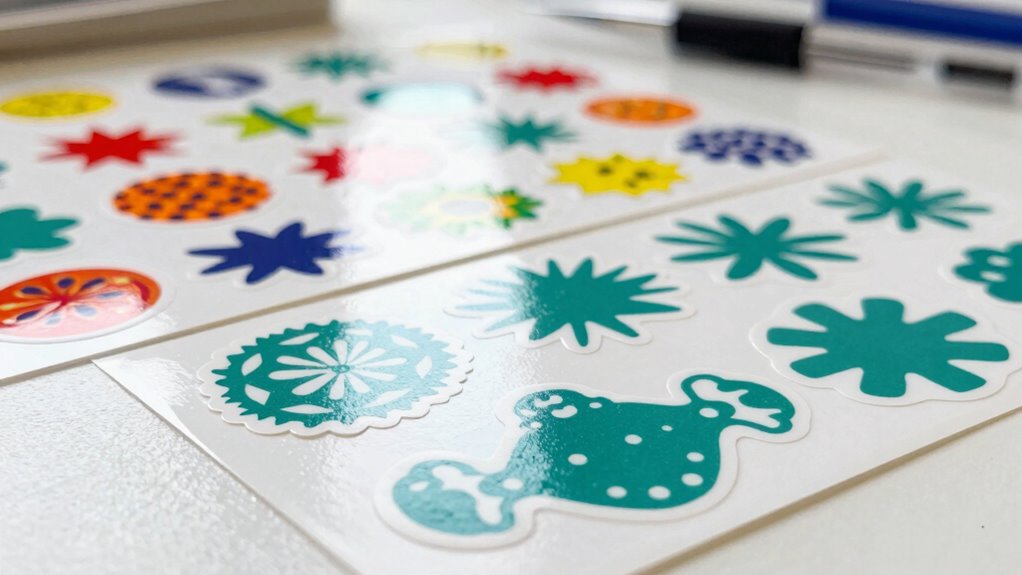
Streamlining your sticker workflow begins with organizing your design and production processes to reduce delays and errors. Start by clearly mapping each step, from designing to cutting and finishing, so you can identify bottlenecks. Incorporate a variety of customization options to meet customer preferences efficiently, allowing for quicker adjustments without overhauling your entire process. Use templates or presets for common designs to speed up production and ensure consistency. Automate repetitive tasks where possible, such as file preparation or print settings. Keep your workspace tidy and well-stocked with materials to prevent downtime. Regularly review your workflow to identify areas for improvement, and stay flexible to adapt to evolving customer preferences, ensuring your process remains efficient and capable of delivering high-quality stickers fast.
Frequently Asked Questions
Can I Combine Kiss Cut and Die Cut Stickers in One Project?
Yes, you can combine kiss cut and die cut stickers in one project. Just make certain your layered design and color matching stay consistent across both types. Use a digital file that clearly separates the kiss cut and die cut elements, so your printer and cutter know where to cut each. This approach creates a cohesive look, blending the flexibility of kiss cut with the precision of die cut, all while maintaining your design’s visual integrity.
Which Cutting Method Is More Eco-Friendly?
You’ll find that kiss cut stickers are more eco-friendly because they often use biodegradable inks and recyclable backings. While die cuts may seem more sustainable, their thicker materials can be less recyclable. Choosing kiss cuts helps reduce environmental impact, aligning with eco-conscious values. So, if sustainability matters to you, opt for kiss cut stickers—they’re a smarter choice for a greener future and a more eco-friendly workflow.
How Do Different Sticker Materials Impact Cutting Choices?
Your choice of sticker materials heavily impacts cutting decisions. For instance, thicker or textured materials require compatible cutting methods like die cuts for precise edges. Material compatibility also depends on adhesive types; removable adhesives might need gentler cuts to prevent tearing. You should consider these factors to optimize your workflow, ensuring your cutting technique aligns with the sticker material and adhesive, resulting in clean cuts and satisfied customers.
Are There Specific Design Considerations for Kiss Cut Versus Die Cut?
Imagine your sticker as a delicate dance, where design complexity guides your steps. For kiss cut, keep details simple, like a gentle whisper, ensuring adhesive compatibility and smooth cuts. For die cut, embrace bold, intricate shapes as a sculptor would, trusting your cutter to carve clean edges. Your choice shapes the workflow, balancing design intricacy with adhesive needs, turning your vision into a flawless sticker.
What Tools or Equipment Are Needed for Each Cutting Technique?
For kiss cut and die cut stickers, you’ll need a cutting machine that suits each technique. A versatile cutting machine with adjustable blade types is essential. For kiss cuts, use a sharp blade that gently cuts through the backing without cutting the sticker itself. For die cuts, opt for a blade that can cut through the entire sticker and backing. Guarantee your machine allows for precise cutting depth and blade adjustments to achieve clean results.
Conclusion
Choosing between kiss cut and die cut stickers is like selecting the right key for a lock; each opens a different path. Your decision shapes your workflow, quality, and brand identity. By understanding their unique roles, you access smoother production and lasting impressions. Remember, the right cut isn’t just a tool—it’s the symbol of your creative vision, guiding your project toward success with purpose and precision. Make your choice wisely, and watch your ideas come to life.
Fall yard work Picks
leaf blowers
As an affiliate, we earn on qualifying purchases.