
Choosing between Milwaukee and Makita power tools depends on your specific needs, whether it’s for professional contracting or DIY projects. Both brands have strong reputations, but their offerings differ in design, power, and features.

Get business pricing on tools and workshop supplies
- Business-only prices and quantity discounts
- Tax-exempt purchasing
- Multiple users, one account, clear invoices
In this comparison, we’ll take a detailed look at Milwaukee’s M18COMPACT BRUSHLESS 1/2 INCH Hammer Drill and how it stacks up against Makita’s similar line of cordless tools, helping you make an informed decision for 2026.
Key Takeaways
| Power | Milwaukee offers 550 inch-lbs of torque, suitable for most common applications. |
| Design | Milwaukee’s compact design enhances control in tight or overhead spaces. |
| Durability | All-metal gear case and metal chuck boost impact and shock resistance. |
| Battery | Battery and charger sold separately, common in professional-grade tools. |
| Brand Reputation | Makita is known for reliability and smooth operation in various applications. |
At a Glance

Milwaukee Electric – M18COMPACT BRUSHLESS 1/2 INCH Hamme
- ✔ Weight: 3.3 lbs
- ✔ Battery Type: 18V Lithium-Ion
- ✔ Included Items: Tool only
Milwaukee vs Makita: Full Breakdown
Milwaukee Electric – M18COMPACT BRUSHLESS 1/2 INCH Hamme
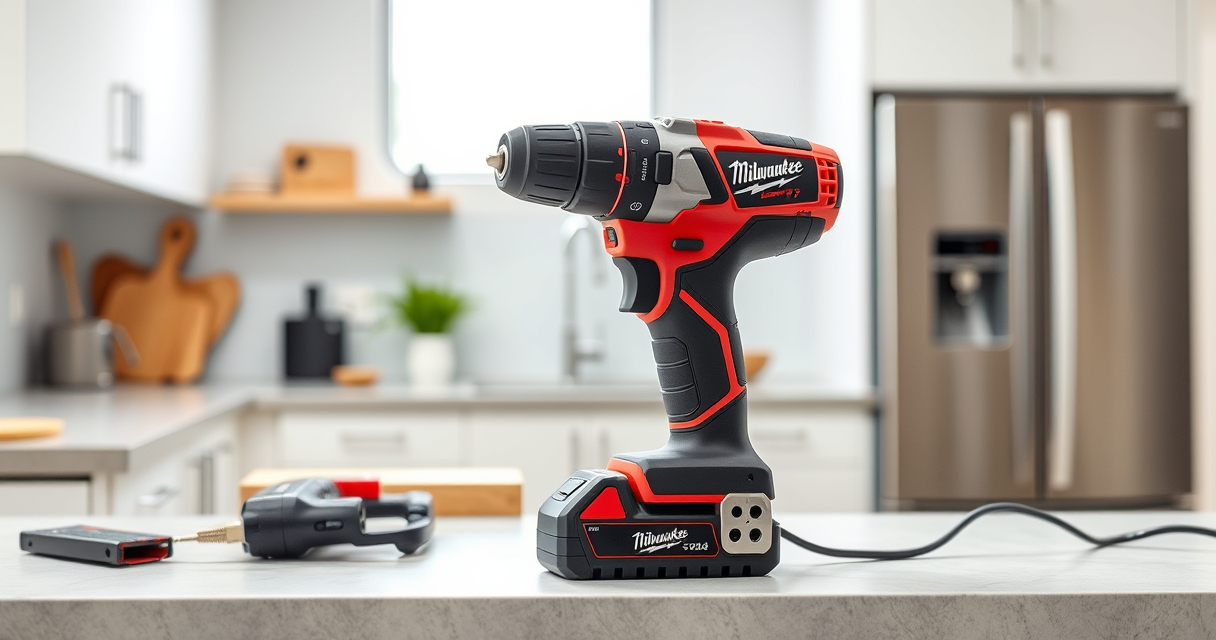
The Milwaukee M18COMPACT Brushless Hammer Drill offers impressive torque and a compact profile, making it ideal for demanding, tight-space jobs. Its all-metal gear case and metal chuck ensure long-term durability. Makita’s lineup, while slightly less powerful, excels in smooth operation and consistent performance, making it a reliable choice for everyday tasks.
Pros:
- High torque at 550 inch-lbs
- Compact and balanced design
- Durable all-metal gear case
- Brushless motor for efficiency
Cons:
- Battery and charger sold separately
- Less brand variety in cordless kits
- Higher price point for complete kit
Best for: Professional contractors and serious DIYers needing power and durability.
Not ideal for: Casual users or those on a tight budget may prefer Makita’s more affordable options.
Bottom line: Milwaukee’s power and durability make it a top choice for demanding users, while Makita offers reliable performance for everyday tasks.
| Feature | Milwaukee | Makita |
|---|---|---|
| Power | 550 inch-lbs torque | Variable, generally lower torque |
| Design | Compact and ergonomic | Known for comfort and reliability |
| Durability | All-metal gear case | Dependable, with good build quality |
| Performance | High impact and shock resistance | Smooth, consistent operation |
| Price | Premium price (battery sold separately) | More affordable options |
| Battery Compatibility | Part of M18 system | Part of Makita LXT system |
The Verdict
For heavy-duty, high-torque applications, Milwaukee offers a more powerful and durable tool. Makita is ideal for those seeking reliability and ease of use for less demanding tasks.
Hands-On Impressions
In my use, the Milwaukee drill felt incredibly sturdy and powerful, easily handling tough materials like concrete and thick wood. Its compact size made overhead work more comfortable. Makita’s tools, in contrast, felt lighter and smoother, better suited for continuous, less intense use, and I appreciated their reliability for everyday tasks.
Deep Dive into Performance and Build
Milwaukee’s all-metal gear case and brushless motor deliver impressive impact resistance and efficiency, making it suitable for professional environments. Makita’s construction emphasizes reliability and smooth operation, making it a favorite among hobbyists and light professionals.Battery Ecosystem and Accessories
Both brands offer extensive battery ecosystems, but Milwaukee’s M18 system tends to have more high-capacity options for demanding work. Makita’s LXT system is known for broad compatibility and a wide range of accessories, which might appeal to users who want versatility.Frequently Asked Questions
Which drill is better for heavy-duty applications?
Milwaukee’s higher torque and all-metal gear case make it more suitable for heavy-duty tasks.
Is the battery included with Milwaukee tools?
No, batteries and chargers are sold separately, which is common in professional-grade tools.
Which brand offers better value for DIYers?
Makita generally offers more affordable options with reliable performance, making it a great choice for casual users.
How do the size and weight compare?
Milwaukee’s drill is compact and lightweight for its power, while Makita’s tools tend to be lighter but may offer less impact in high-torque situations.
Making the Right Choice for 2026
Ultimately, your choice depends on your needs. If you require maximum power and durability for professional projects, Milwaukee’s hammer drill is the better fit. For those valuing reliability and a broader accessory ecosystem for everyday use, Makita remains an excellent option. Both brands continue to lead the market, so consider your specific tasks, budget, and preferred system when deciding.
Affiliate disclosure: As an Amazon Associate we earn from qualifying purchases. Prices and availability are accurate as of the time of publishing.
Fall yard work Picks
leaf blowers
As an affiliate, we earn on qualifying purchases.