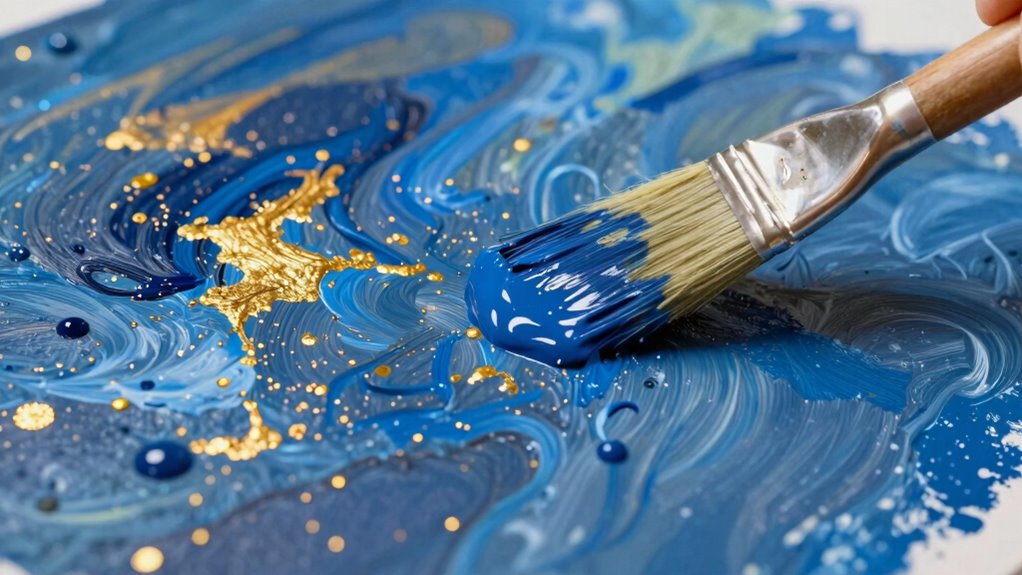

Applying the topcoat too soon is a common mistake that smears your beautiful work. If you don’t wait for the previous layer to dry properly, you risk streaks, smudges, and uneven finishes, ruining the smooth look you want. Rushing can also cause the new coat to drag wet paint, making surface imperfections worse. Paying attention to drying cues and environmental factors is key. Keep going, and you’ll discover how to avoid this mistake and achieve a flawless finish.

Get business pricing on tools and workshop supplies
- Business-only prices and quantity discounts
- Tax-exempt purchasing
- Multiple users, one account, clear invoices
Key Takeaways
- Applying topcoat before the underlying layer is fully dry causes smudges and streaks.
- Rushing the drying process leads to surface imperfections and uneven finishes.
- Environmental factors like humidity and temperature can shorten or extend drying times, risking premature application.
- Relying solely on time rather than visual and tactile cues increases the chance of smearing.
- Inadequate curing time results in poor adhesion, causing the topcoat to smear or peel.
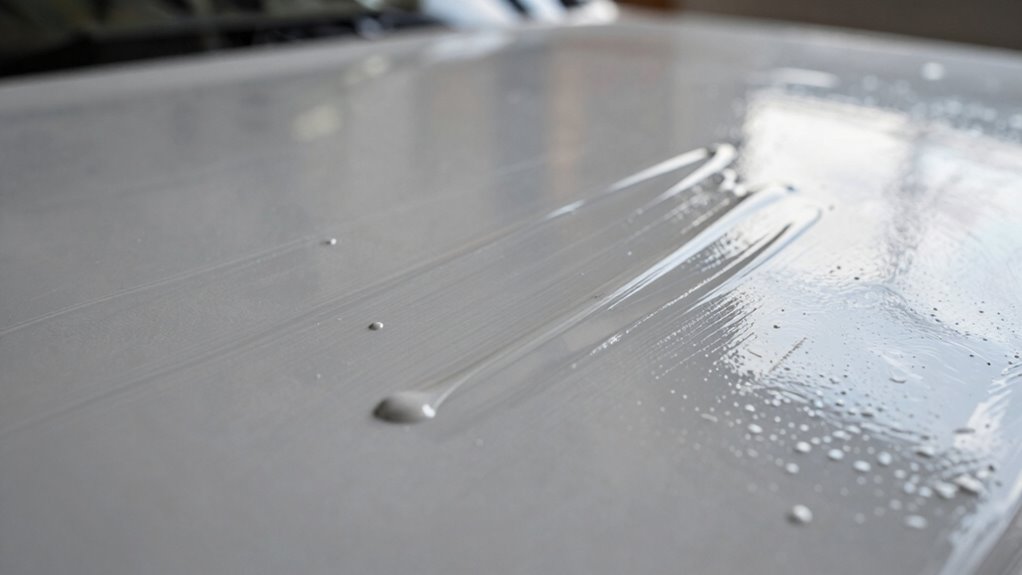
Applying a topcoat at the wrong time can ruin your entire paint job. It’s a mistake many DIYers make because they’re eager to finish or don’t fully understand the importance of timing. The key is knowing when your previous layer has dried enough to accept the new one without smudging or streaking. Rushing this process can cause smears that ruin all your hard work. One factor that influences this is your brush technique. If you apply the topcoat too soon, even the most careful brush strokes can drag wet paint, leaving visible marks or uneven finishes. Using a light, even brush technique helps, but it only works if the underlying layer has dried properly. If you’re impatient, you might find yourself trying to smooth out uneven patches, but that often just pushes the wet paint around and creates streaks.
Another essential aspect to contemplate is your drying environment. Humidity, temperature, and airflow all play roles in how long paint takes to dry. If you’re painting in a humid room or during cold weather, drying times naturally increase. Conversely, a warm, well-ventilated space speeds up drying, but rushing to apply the topcoat in these conditions can still cause problems. Too soon, and your top layer won’t adhere properly, leading to smears or peeling later on. You need to give the paint enough time to cure to a firm, tack-free finish before applying the next coat. Understanding the drying process can help you better judge when the paint is ready for the next layer. Additionally, knowing the specific drying times for your paint type can prevent premature application. Proper timing ensures that the paint bonds correctly and reduces the risk of surface imperfections. This knowledge of drying times is especially important because different paints and environments can vary significantly in their curing durations.
Patience is especially important because rushing can also lead to surface imperfections that are difficult to correct once dried. Timing isn’t just about waiting for the paint to feel dry to the touch; it’s about understanding how your environment affects drying times. You should observe how the paint looks and feels, not just rely on a clock. If you notice any glossiness or a sticky feel, it’s too early to apply the next coat. Waiting a little longer ensures that your brush technique won’t disturb the surface, and the topcoat will settle evenly. Remember, patience is vital. Rushing the process might save you a little time in the moment, but it’ll cost you in the end with a less-than-perfect finish. Proper timing, combined with an understanding of your drying environment, lets you achieve a flawless, smudge-free topcoat that enhances your entire paint job.
As an affiliate, we earn on qualifying purchases.
Frequently Asked Questions
How Do I Know When the Paint Is Fully Dry?
You’ll know the paint is fully dry when it feels firm to the touch and the surface texture is smooth and consistent, free of tackiness or gloss. Check the paint’s thickness—if it’s thin and even without any wet spots, you’re good to go. Remember, thicker coats take longer to dry, so always wait until the surface feels dry and the texture is uniform before applying a topcoat to avoid smears.
What Environmental Conditions Affect Topcoat Drying Time?
Environmental conditions like humidity levels and surface porosity greatly impact topcoat drying time. High humidity slows evaporation, making the paint take longer to dry fully. Conversely, low humidity speeds up drying but can cause uneven finishes. Porous surfaces absorb more moisture, delaying drying, while smoother, non-porous surfaces dry faster. To guarantee ideal results, check humidity levels and consider surface porosity before applying your topcoat.
Can I Apply a Second Coat Immediately After the First?
You shouldn’t apply a second coat immediately after the first, as it can cause smears and uneven finish. Wait until the topcoat is properly dry, which depends on your paint’s consistency and environmental conditions. Use a smooth brush technique to avoid streaks, and make certain your paint isn’t too thick or thin. Rushing this step risks ruining your work, so patience guarantees a flawless, durable finish.
How Long Should I Wait Before Handling the Painted Surface?
Think of your freshly painted surface as a delicate dance partner, requiring gentle patience. You should wait at least 24 hours before handling to guarantee proper surface preparation and paint compatibility. Rushing too soon risks smudging or damaging your work. Give the paint time to set, like a well-rehearsed performance, so your finish remains flawless. Patience now ensures your masterpiece shines brilliantly later.
Does Temperature Change Impact Topcoat Adhesion?
Yes, temperature change greatly impacts topcoat adhesion. When temperatures fluctuate, your surface preparation and paint compatibility might be compromised, causing poor adhesion or peeling. Make certain the surface is properly prepared and compatible with your topcoat, especially in temperature-sensitive conditions. Ideally, paint during stable, moderate weather, avoiding extreme heat or cold. This helps the topcoat adhere properly, preventing smears and ensuring a durable, beautiful finish.
Conclusion
So, after all that, the biggest mistake isn’t rushing or skipping steps—it’s applying your topcoat at the wrong time. Ironically, the very step meant to protect and perfect can ruin your hard work if timed poorly. You’ve poured your effort into the perfect finish only to sabotage it with a premature or delayed topcoat. Remember, patience isn’t just a virtue; it’s the secret to a flawless, smear-free masterpiece. Don’t let timing undo your artistry!
Fall yard work Picks
leaf blowers
As an affiliate, we earn on qualifying purchases.