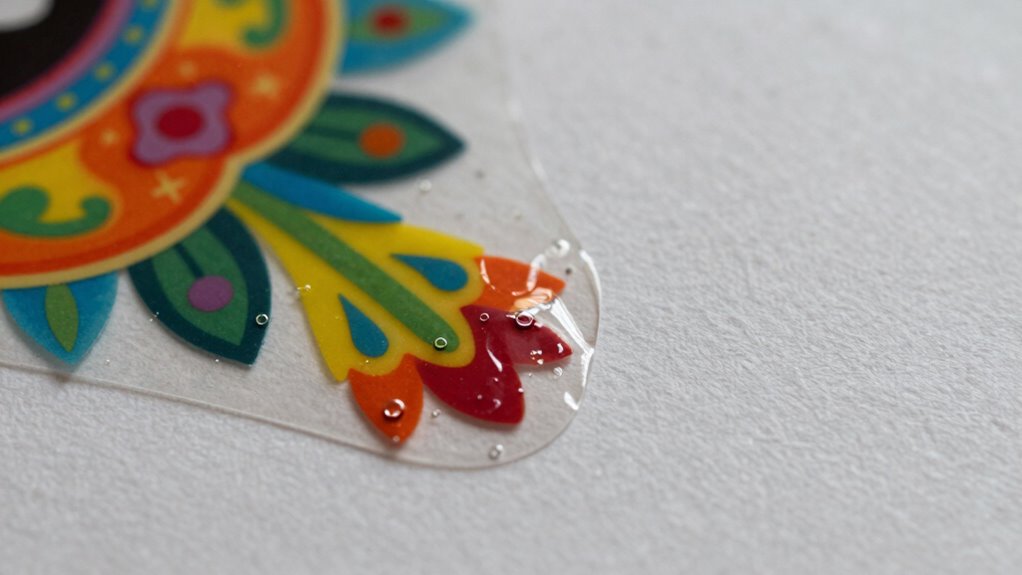
Even if you go slowly, your decals can bubble because of poor surface prep, high humidity, or cold temperatures, which affect adhesion. If the surface isn’t cleaned, dried, or sanded properly, air can get trapped underneath. Environmental factors like moisture or rough surfaces also prevent a smooth seal. Small dust particles or imperfections further cause bubbles. Keep these tips in mind, and you’ll discover how to prevent bubbles and get better results.
Key Takeaways
- Residual dust or contaminants under the decal can trap air, causing bubbles despite slow application.
- Surface imperfections or roughness may create pockets that trap air during application.
- Applying in environments with high humidity or low temperatures reduces adhesive flexibility, leading to bubbles.
- Not thoroughly cleaning or drying the surface can prevent proper adhesion, resulting in bubbles.
- Using improper or insufficient smoothing techniques can trap air even when applying slowly.
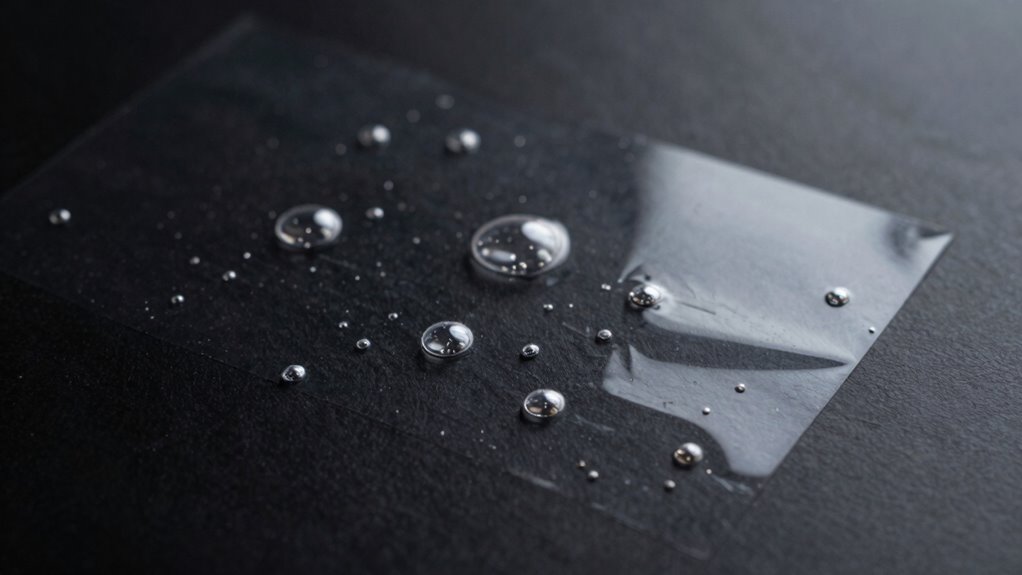
Have you ever noticed decals bubbling up when you’re driving slowly? It’s frustrating, especially since you might think that going slow would prevent such issues. The reality is, bubbling often happens because of application techniques and surface preparation mistakes. If you don’t get these right, bubbles, wrinkles, and lifting can occur regardless of your speed. Understanding how to properly apply decals can save you from the annoyance of those unsightly bubbles.
First, surface preparation is essential. You need a clean, smooth, and dry surface before applying any decal. Dirt, dust, or grease can prevent the adhesive from bonding properly, leading to bubbles or peeling later on. Take the time to thoroughly wash the area with soap and water, then dry it completely. For added assurance, wipe down the surface with a rubbing alcohol solution to remove any residual oils or contaminants. If the surface isn’t smooth—say, if it has imperfections or rough patches—consider sanding or smoothing it out before sticking on your decal. A well-prepared surface promotes better adhesion and reduces the chances of bubbles forming. Additionally, proper surface preparation helps ensure the decal adheres evenly and reduces the likelihood of trapping air beneath it.
Proper surface cleaning and smoothing prevent bubbles and ensure a strong decal bond.
Application techniques are equally important. When applying your decal, avoid rushing. Peel back a small section of the backing and carefully lay it onto the surface, smoothing it out with a squeegee or a credit card as you go. This helps push out air and excess adhesive, preventing bubbles from forming under the decal. Work slowly and methodically, pressing firmly to ensure full contact. If bubbles do appear, don’t panic. You can gently lift the decal and smooth it out again, but it’s better to prevent bubbles from forming in the first place. Also, make sure you’re applying the decal in a dust-free environment. Dust particles can settle under the decal during application, creating tiny pockets that turn into bubbles over time.
Temperature and humidity also play roles in the success of your decal application. Applying decals in a warm, dry environment ensures the adhesive remains flexible and bonds properly. Cold or humid conditions can cause the adhesive to become less effective, leading to bubbles and lifting. So, plan your application for a day with moderate temperature and low humidity.
In short, bubbling occurs mainly because of improper surface preparation and application techniques. Taking the time to clean and smooth the surface, applying the decal slowly and carefully, and considering environmental factors will help you achieve a smooth, bubble-free finish. It’s not just about going slow; it’s about doing it right every step of the way.
As an affiliate, we earn on qualifying purchases.
Frequently Asked Questions
Can Temperature Affect Decal Bubbling During Application?
Yes, temperature can affect decal bubbling during application. Temperature fluctuations can interfere with the adhesive curing process, causing it to not bond properly. When it’s too cold, the adhesive may not activate fully, leading to bubbles. Conversely, excessive heat can cause the decal to soften or wrinkle. To prevent bubbling, apply decals in a stable, moderate temperature environment, ensuring consistent conditions for ideal adhesive curing and a smooth finish.
Do Different Surfaces Cause More Decal Bubbles?
Different surfaces can cause more decal bubbles, like a rough road creating bumps in a smooth ride. Surface texture and adhesive strength play key roles in this. If the surface is uneven or porous, the decal’s adhesive might struggle to bond evenly, trapping air and causing bubbles. To avoid this, make certain surfaces are clean, smooth, and suitable for your decal, enhancing adhesion and reducing the risk of bubbling.
Is It Better to Use a Heat Gun or a Squeegee?
Using a squeegee is better for applying decals because it helps you evenly spread the decal adhesive and remove air bubbles during installation. A heat gun can be useful for smoothing out stubborn areas, but it risks damaging the decal or surface if not used carefully. Proper surface preparation is essential to prevent bubbles. Always clean and dry your surface thoroughly before applying, and work slowly to ensure a smooth, bubble-free decal.
How Long Should I Wait Before Applying Decals?
You should wait at least 24 hours before applying decals to guarantee the decal adhesive properly bonds and the surface prep has fully settled. Proper surface preparation is essential; clean and dry the surface thoroughly to prevent bubbles. If you apply decals too soon, moisture or dust can cause bubbling. Giving enough drying time ensures a smooth application and long-lasting adhesion, reducing the chances of bubbles forming later.
Do Decal Brands Vary in Bubble Resistance?
Did you know some decal brands are 30% more resistant to bubbles? Yes, decal brands do vary in bubble resistance, mainly due to decal adhesive quality and surface texture. Higher-quality adhesives stick better and reduce air pockets, while smoother surfaces help prevent bubbles. When choosing a decal, consider the brand’s reputation for bubble resistance and make sure your surface is clean and smooth for the best application.
Conclusion
So, next time your decal bubbles despite your slow approach, remember that patience alone isn’t enough. Sometimes, rushing can cause the very issues you’re trying to avoid, like trapped air or improper adhesion. It’s a quiet reminder: slow doesn’t always mean careful, and haste can sabotage your perfect finish. Embrace the process, stay attentive, and let your decals settle—because in the end, precision and patience go hand in hand for a flawless result.