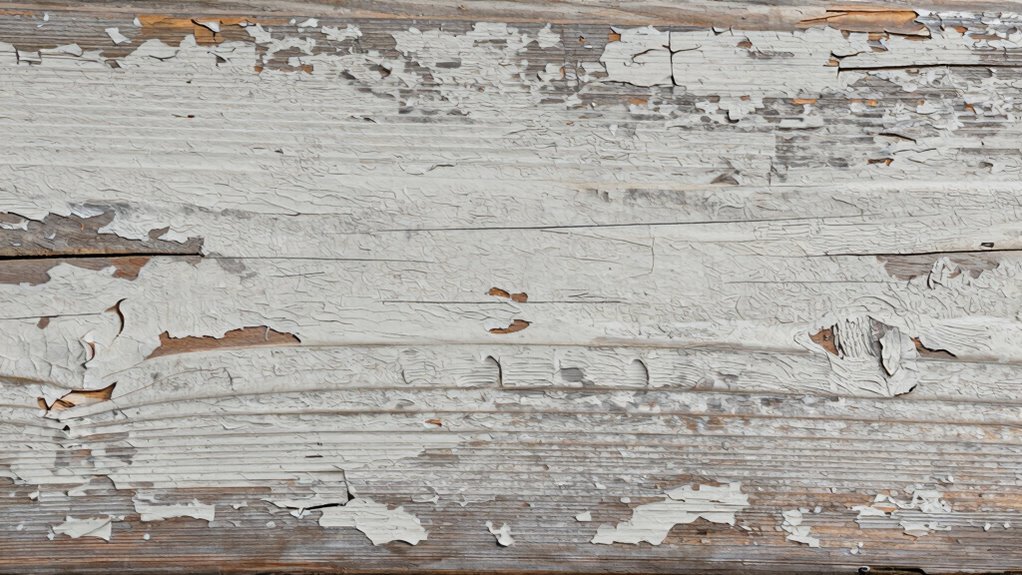

Faux distressing often looks fake because you might overdo it with heavy paint or sanding, creating an unnatural, uniform appearance. When finishes are too perfect or evenly distressed, they lack the subtle variations seen in real aging. Fake distressing usually uses harsh contrasts and bright colors that don’t mimic genuine wear. To make your projects look authentic, focus on contrasting textures and irregular patterns. Keep exploring to discover how to perfect your technique and achieve convincing results.
Key Takeaways
- Overly uniform distressing lacks the natural variation seen in genuine aging.
- Heavy-handed techniques create an artificial, fake appearance instead of subtle wear.
- Bright or mismatched colors can make distressed pieces look unnatural.
- Ignoring authentic textures like chipped edges and uneven patches reduces realism.
- Excessive paint or sanding results in a manufactured look rather than authentic patina.

Many faux distressing techniques end up looking fake rather than authentic, leaving your clothing or furniture appearing overly manufactured or poorly executed. When you aim for that vintage appeal, you want your pieces to evoke a sense of history and character, not a superficial imitation. Achieving that natural, aged look requires more than just applying paint or sanding in random spots. The key is to focus on genuine textures that mimic the wear and tear found in genuinely aged items. Without this attention to detail, your efforts can fall flat, making the piece seem like a cheap reproduction rather than a genuine vintage find.
One common mistake is overdoing the distressing. When you try to create a worn look, it’s tempting to apply heavy distressing all over, but that often results in a uniform, unnatural appearance. Instead, you should aim for subtle variations that replicate how real aging occurs—areas that naturally see more wear, such as edges, corners, and high-contact spots. These areas develop authentic textures over time, like softening of the material or slight chipping, which can be difficult to fake convincingly. If you’re too aggressive with your distressing, it can look like a cheap costume rather than a piece with true vintage appeal.
Another reason faux distressing can appear fake is poor execution of texture. Genuine aged surfaces often have a mix of smooth, rough, chipped, and worn patches that tell a story. When you try to replicate this, it’s essential to vary your techniques—use different tools, layering methods, and distressing levels—to create a more natural look. Adding scratches, dents, or areas of faded paint in uneven, irregular patterns helps develop authentic textures that mimic real wear. Conversely, uniform distressing or overly perfect finishes tend to look staged, betraying their artificial origin.
Color plays a pivotal role in achieving a convincing vintage appeal. Fake distressing often relies on heavy, uneven paint applications or harsh contrasts that don’t match the subtleties of aged materials. Instead, you want to incorporate muted, faded tones that complement the authentic textures you’re trying to imitate. Overly bright or inconsistent colors will make the piece look artificial, so blending shades and using transparent washes can help you create a more natural, aged appearance. Understanding how authentic textures develop over time can guide your color choices and application techniques, resulting in a more convincing finish. Additionally, familiarizing yourself with natural aging processes can help you replicate the subtle signs of wear more effectively.
Ultimately, the secret to convincing faux distressing is understanding how real aging occurs and replicating those subtleties. Focus on authentic textures—softened areas, chipped paint, worn edges—and avoid heavy-handed techniques. When done thoughtfully, your piece can achieve that desirable vintage appeal and look convincingly aged, rather than fake or manufactured. Recognizing the importance of genuine wear patterns can significantly improve the authenticity of your distressed pieces. Paying attention to authentic signs of aging and incorporating them naturally will elevate your work from superficial to truly convincing.
As an affiliate, we earn on qualifying purchases.
Frequently Asked Questions
Can Faux Distressing Be Done Professionally for a More Authentic Look?
Yes, faux distressing can be done professionally for a more authentic look. Skilled artisans use vintage techniques and artistic methods to create realistic wear and tear. They carefully age surfaces, applying subtle imperfections that mimic natural aging. By blending colors and textures thoughtfully, they achieve a genuine patina. Your furniture or decor will look convincingly aged and charming, without the fake appearance often seen in DIY or poorly executed faux distressing.
What Materials Are Best for Achieving Realistic Faux Distressing?
You should use materials like fine sandpaper, steel wool, or a wire brush to achieve realistic faux distressing, mimicking vintage techniques. These tools help create natural-looking wear without damaging the material’s durability. For the best results, choose sturdy materials such as solid wood or leather, which can withstand distressing while maintaining their integrity. Practice on scrap pieces first to master the technique and guarantee your distressed look appears authentic.
How Long Does Faux Distressing Typically Last Before It Looks Fake?
Faux distressing typically lasts about 1 to 3 years before it starts to look fake, depending on your aging techniques and surface treatments. If you use realistic methods like gentle sanding, vinegar washes, or dry brushing, the finish ages naturally. However, overdoing surface treatments or applying heavy distressing can make it look artificial quickly. Regular touch-ups and subtle techniques help maintain a genuine, aged appearance over time.
Are There Specific Styles or Furniture Types Better Suited for Faux Distressing?
You’ll find that vintage charm and rustic appeal make certain furniture styles, like distressed wood tables or antique dressers, perfect for faux distressing. These pieces naturally showcase wear, making the faux effect blend seamlessly. Opt for furniture with detailed grain or carved accents, as they add authenticity. Avoid overly sleek or modern designs, which can highlight the fake distressing. Stick to classic, aged-looking styles to achieve a convincing, charming look.
Can Faux Distressing Be Easily Removed or Reversed if Needed?
Faux distressing is like a delicate tattoo on furniture; it can often be gently erased or altered. If you used DIY techniques with water or paint, you might sand or strip the finish to restore the vintage appeal. However, some faux distressing may be more stubborn, especially if sealed with a topcoat. Always test a small area first to verify you can reverse the look without damaging your piece.
Conclusion
Just like trying to fake a genuine smile, faux distressing can easily fall flat if it’s not done right. Imagine walking into a room where everything looks perfectly imperfect — it feels forced and unconvincing. When you mimic genuine wear, it’s like trying to replicate a sunset with neon lights; it just doesn’t capture the true beauty. To avoid that fake look, embrace authenticity—let your pieces age naturally, and they’ll tell a story that truly resonates.