TL;DR
Archaeologists in Turkey have unearthed a 11,000-year-old sculpture showing a man riding a leopard. This discovery offers new insights into prehistoric art and human-animal relationships. The find is confirmed, but its full significance remains under study.
Archaeologists in Turkey have announced the discovery of an 11,000-year-old sculpture depicting a man riding a leopard, a find that offers rare insight into prehistoric art and symbolism. The artifact was uncovered during excavations in southeastern Turkey, and experts say it is among the oldest known representations of human-animal interaction in sculpture.
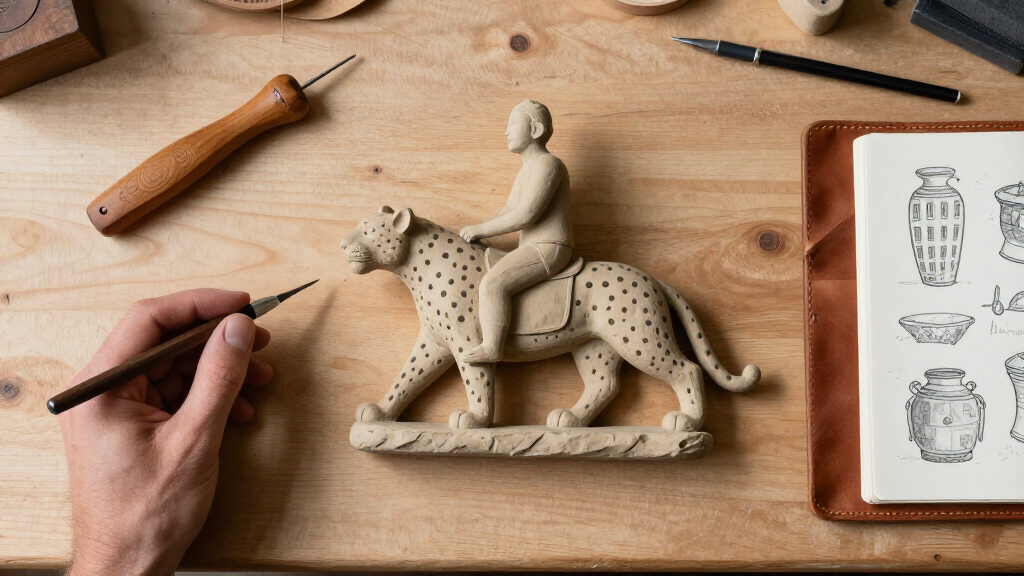
The sculpture was found at an archaeological site near the city of Şanlıurfa, an area known for its rich prehistoric history. Measuring approximately 30 centimeters in height, the carved figure shows a human figure atop a large feline, believed to be a leopard or similar big cat, with detailed features that suggest a high level of craftsmanship for its time. The discovery was made by a team from the University of Ankara, led by Dr. Emre Yılmaz, who stated that the sculpture dates back roughly 11,000 years, placing it in the late Paleolithic or early Neolithic period.
Initial analysis indicates the sculpture was carved from a soft stone, possibly limestone, and shows signs of pigment remnants, hinting that it may have been painted or decorated. The site where it was found also yielded other artifacts, including tools and animal bones, which are currently under analysis to understand the context of the sculpture’s use and significance.
Implications for Understanding Early Human Culture
This discovery is significant because it provides rare physical evidence of early human artistic expression and symbolic thinking. The depiction of a human riding a big cat suggests a complex relationship between humans and animals, possibly related to hunting, spiritual beliefs, or social hierarchy. Experts believe such sculptures could have played a role in ritual practices or storytelling, offering a glimpse into the cognitive development of early societies.
Furthermore, the find challenges previous assumptions that complex animal representations only appeared later in human history, indicating that prehistoric peoples may have engaged in sophisticated artistic activities much earlier than previously thought. This could reshape existing timelines of cultural development during the late Paleolithic period.
prehistoric animal sculpture replica
As an affiliate, we earn on qualifying purchases.
As an affiliate, we earn on qualifying purchases.
Prehistoric Art and Human-Animal Relationships in Turkey
Turkey has a long history of prehistoric human activity, with numerous sites revealing early art forms dating back tens of thousands of years. Notable discoveries include cave paintings and carved figurines from the Upper Paleolithic era. The region’s strategic location as a crossroads between continents has made it a key area for understanding early human migration and cultural evolution.
The recent discovery of this sculpture adds to the growing body of evidence that prehistoric peoples in this area engaged in complex artistic and symbolic behaviors. Previous finds in the region include carved bone figurines and decorated tools, but this sculpture is unique in its depiction of a human figure riding an animal, a motif rarely seen in such ancient artifacts.
While the exact meaning of the sculpture remains uncertain, it aligns with other evidence suggesting that early humans in the region held animals in special regard, possibly associating them with spiritual or mythological significance.
“This sculpture pushes back the timeline of complex prehistoric art and suggests that our ancestors engaged in symbolic activities much earlier than we previously believed.”
— Dr. Emre Yılmaz, lead archaeologist
Unanswered Questions About the Sculpture’s Purpose
While the discovery confirms the age and craftsmanship of the sculpture, its exact purpose remains unclear. Researchers are still analyzing whether it was used in ritual practices, as a form of storytelling, or held symbolic meaning related to hunting or spiritual beliefs. The interpretation of its imagery is still under debate, and further contextual analysis of the site is ongoing.
Future Research and Analysis of the Artifact
Researchers plan to conduct detailed chemical and pigment analysis to better understand the materials used and any potential coloring techniques. Excavations at the site will continue to uncover additional artifacts that may shed light on the broader cultural context. The team aims to publish comprehensive findings in upcoming academic journals, and further comparative studies are expected to explore similar artifacts from the region.
Key Questions
How old is the sculpture?
The sculpture is approximately 11,000 years old, dating back to the late Paleolithic or early Neolithic period.
What material was the sculpture made from?
It was carved from a soft stone, likely limestone, with remnants of pigment suggesting it may have been painted.
What does the sculpture depict?
It depicts a human figure riding a large feline, believed to be a leopard or similar big cat.
Why is this discovery important?
It provides rare evidence of early human artistic and symbolic activity, indicating complex cognitive and cultural development much earlier than previously thought.
Are similar artifacts known from this period?
While prehistoric art and figurines have been found in the region, this sculpture’s depiction of a human riding an animal is unique for its age and complexity.
Source: hn