
TL;DR
Design experts highlight corrugated metal as a unique alternative to traditional tile and stone for rustic kitchen backsplashes. This roofing material offers structural rigidity and weather resistance while providing a distinct industrial aesthetic. Installation is straightforward with basic tools, though proper safety gear is required.
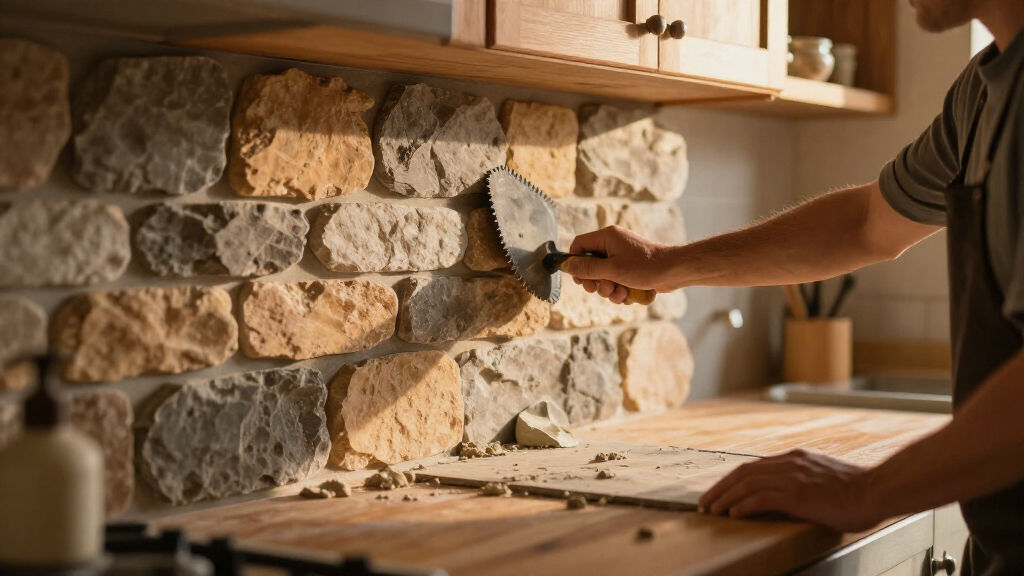
Corrugated metal is emerging as a distinctive alternative to traditional tile and stone for kitchen backsplashes, particularly within rustic farmhouse design schemes. While HGTV personalities like Erin Napier have popularized intricate tile and brick work, design reports indicate that corrugated metal offers a unique textural element that stands out in modern kitchens. This roofing material, typically used for siding, is being repurposed for interior walls to create a rugged, industrial look that is both durable and visually striking.

Get business pricing on tools and workshop supplies
- Business-only prices and quantity discounts
- Tax-exempt purchasing
- Multiple users, one account, clear invoices
The appeal of corrugated metal lies in its structural properties and aesthetic versatility. The material is created by pressing long metal sheets into panels with a wavy, ribbed texture, which increases rigidity without adding significant weight. This construction allows the metal to shed water effectively, making it highly suitable for kitchen environments where moisture and grease are common. According to design sources, the material can be sourced new in bare or painted finishes, or recycled from old roofing to achieve an authentic rusty patina that enhances the rustic feel.
Installation is described as relatively simple for homeowners with basic tools. The panels can be mounted directly over drywall, simplifying the process compared to traditional tiling which requires mortar and grout. Standard panels range from 6 to 12 feet in length, with 8-foot panels recommended for full-wall applications to match standard ceiling heights. For smaller spaces between cabinets, 3-foot by 1-foot panels are available. Cutting the metal requires heavy-duty tin snips or an angle grinder, and securing it involves pilot holes, wall anchors, and screws.
Why Metal Backsplashes Are Gaining Ground
The shift toward corrugated metal reflects a broader trend in interior design where industrial materials are being integrated into domestic spaces to create character and durability. Unlike tile, which can crack or require regrouting, corrugated metal is inherently heat- and weather-resistant, reducing long-term maintenance. The material’s ability to withstand high temperatures and repel moisture makes it a practical choice for busy kitchens. Furthermore, the rustic aesthetic aligns with current consumer preferences for homes that blend vintage charm with functional, hard-wearing surfaces. This option allows homeowners to achieve a high-impact visual statement without the complexity and cost associated with custom stone or hand-painted tile installations.
Popular right now

Breville BES870XL Barista Express Espresso Machine, Brushed Stainless Steel

De'Longhi Magnifica Evo Automatic Espresso Machine with Milk Frother, Silver

Hisense 85U6SF Pro 85-Inch U6 Pro Mini-LED 4K UHD Smart Fire TV
As an affiliate, we earn on qualifying purchases.
Evolution of Kitchen Backsplash Trends
Kitchen backsplashes have evolved from purely functional barriers to key design statements. In recent years, television design experts and influencers have showcased a wide variety of materials, from hand-painted tiles to exposed brick. These choices often prioritize visual intricacy and color. However, the introduction of corrugated metal represents a departure from these traditional decorative approaches, favoring texture and industrial authenticity. This trend highlights a growing interest in repurposed materials, where items originally intended for exterior use, such as roofing, are adapted for interior design. This approach not only offers a unique visual profile but also taps into the sustainability trend of using recycled materials to reduce waste and add historical character to new builds or renovations.
Safety and Aesthetic Limitations
While the installation process is described as straightforward, the material presents specific safety risks that require strict adherence to protective measures. Cutting corrugated metal can produce sharp edges and metal shards, necessitating the use of gloves and eye protection. It is unclear how the material performs in kitchens with extremely high humidity compared to sealed stone, though its weather resistance suggests durability. Additionally, the aesthetic appeal is subjective; while it suits rustic and industrial styles, it may clash with more traditional or minimalist interiors. The longevity of recycled metal with existing rust is also variable, as the patina may continue to degrade or stain surrounding surfaces if not properly sealed or maintained.
Installation and Maintenance Steps
For homeowners considering this option, the next steps involve sourcing the appropriate panels and preparing the workspace. Measuring the wall space is critical to determine whether full-height 8-foot panels or smaller 3-foot sections are needed. If using recycled roofing, cutting to specification will be required. Once installed, the maintenance routine is minimal, consisting of weekly wipe-downs with soap, water, or denatured alcohol to remove grease. Future developments in this trend may see more manufacturers producing corrugated metal specifically designed for interior use, potentially offering pre-finished options that reduce the need for on-site cutting and safety precautions.
Key Questions
Is corrugated metal safe to use in a kitchen?
Yes, it is generally safe and durable due to its heat and weather resistance. However, proper personal protective equipment like gloves and eye protection is essential during installation to prevent injury from sharp edges.
How do you clean a corrugated metal backsplash?
Cleaning is simple; a weekly wipe-down with soap, water, or denatured alcohol is sufficient to remove accumulated grease and maintain the surface.
Can you install corrugated metal over existing drywall?
Yes, the material can be installed directly over drywall using pilot holes, wall anchors, and screws, which simplifies the installation process compared to tiling.
Where can I source corrugated metal for a backsplash?
You can buy new panels in bare or painted finishes from hardware stores, or source recycled roofing to achieve a rustic, rusty patina.
Source: rss