
TL;DR

Get tools and workshop supplies delivered free — and shop member deals
- Fast, free delivery on millions of items
- Access to Prime Big Deal Days deals on October 6–7
- Prime Video, Amazon Music and more included
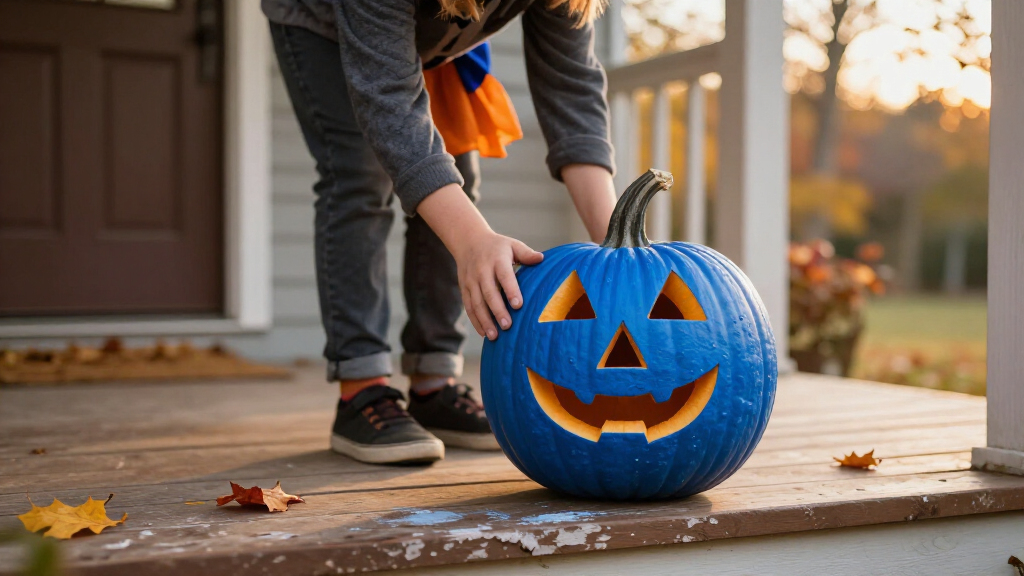
Blue pumpkins on porches signal autism-friendly homes for trick-or-treaters. Unlike teal pumpkins for allergies, blue gourds indicate sensory support and inclusion for neurodivergent children. Participation involves painting natural pumpkins or buying artificial ones.
Blue pumpkins displayed on residential porches serve as a visual signal of support for autism awareness and sensory-friendly trick-or-treating. This color choice, distinct from traditional orange decorations, informs families that the household is welcoming to neurodivergent children. The practice has gained traction as a visible method to promote inclusivity during the Halloween season.
The primary function of a blue pumpkin is to communicate that a home is sensory-friendly. According to lifestyle reporting, this color choice mirrors the established tradition of the blue porch light, which also signifies autism support. By placing a blue gourd in a visible location, homeowners signal to trick-or-treaters and their guardians that they acknowledge the needs of children who may be nonverbal or sensitive to loud noises and bright lights. This gesture allows families to identify potential stops without needing to ask or guess.
Participation in this movement is accessible through various methods. Homeowners can paint natural pumpkins using acrylic paint, often requiring multiple coats for full coverage, or purchase artificial blue pumpkins. The key requirement, as noted by home decor experts, is visibility. The pumpkin must be placed near the front door or another prominent spot to ensure it is noticed by approaching visitors. While additional decorations like wreaths or flags can complement the display, they should not replace the pumpkin itself, which remains the primary symbol of the campaign.
It is critical to distinguish blue pumpkins from teal pumpkins, which carry a different meaning. Teal gourds are part of the Teal Pumpkin Project, indicating that a home offers allergy-friendly treats or non-food items. While a household can participate in both initiatives, mixing up the colors can lead to confusion. Ensuring the correct color is used helps maintain the clarity of the message, keeping both allergy-sensitive and sensory-sensitive visitors informed.
Promoting Inclusion for Neurodivergent Families
The adoption of blue pumpkins addresses social friction and anxiety for families with autistic children. Halloween can be an overwhelming experience for individuals with sensory processing disorders, due to loud noises, dark environments, and social interactions. By clearly marking homes as autism-friendly, neighbors create a predictable environment. This visual cue allows families to plan their routes and participate in community traditions. It represents a shift toward proactive inclusivity, where community members signal their willingness to accommodate diverse needs rather than waiting for requests for help.
As an affiliate, we earn on qualifying purchases.
Distinction from Teal Pumpkin Project
The blue pumpkin trend exists alongside the Teal Pumpkin Project, which launched earlier to address food allergies. While teal indicates the presence of non-food or allergen-free treats, blue focuses on behavioral and sensory accommodations. Both movements utilize color-coded pumpkins to communicate specific information to visitors. The blue porch light campaign, which precedes the pumpkin trend, has long been associated with autism awareness. The extension of this symbolism to pumpkins provides a seasonal way to maintain visibility for the cause during October, when community interaction is at its peak.
Standardization and Official Recognition
While the meaning of blue pumpkins is widely understood in many communities, there is no single official governing body that mandates this practice. The adoption is grassroots and varies by region. It is not yet clear if all local law enforcement or community organizations formally recognize the symbol in the same way they might recognize other safety indicators. Additionally, the extent to which homeowners strictly adhere to the sensory-friendly promises implied by the pumpkin is unverified. The symbol indicates intent and welcome, but does not guarantee specific behavioral protocols are followed by every household.
Adopting the Practice for Future Seasons
As the Halloween season continues, more homeowners are expected to join the blue pumpkin movement. For those interested in participating, the next step is to acquire a blue pumpkin and place it in a visible location. Homeowners should also consider educating their guests about the meaning of the color to reinforce the message of inclusivity. Community groups may see increased discussion about how to make local trick-or-treating events more accessible, potentially leading to broader initiatives beyond individual porch decorations.
Key Questions
What is the difference between a blue and a teal pumpkin?
A blue pumpkin signals that a home is autism-friendly and sensitive to sensory needs. A teal pumpkin indicates that the home offers allergy-friendly treats or non-food items. They represent two different types of accommodations.
How can I make my own blue pumpkin?
You can paint a natural pumpkin with acrylic paint. It may require several coats to achieve a solid blue color. Alternatively, you can purchase artificial blue pumpkins from retailers.
Do I need to stop trick-or-treating if I see a blue pumpkin?
No. A blue pumpkin indicates that the home is welcoming to children with autism or sensory processing disorders. It suggests the residents are understanding and supportive, not that they are refusing visitors.
Can I participate in both the blue and teal pumpkin projects?
Yes, you can participate in both. However, you must ensure that the blue pumpkin and teal pumpkin are both visible and distinct so that visitors can clearly understand which accommodations are being offered.
Source: rss
Fall yard work Picks
leaf blowers
As an affiliate, we earn on qualifying purchases.