TL;DR

Get business pricing on tools and workshop supplies
- Business-only prices and quantity discounts
- Tax-exempt purchasing
- Multiple users, one account, clear invoices
Garden experts recommend four specific tasks for vegetable patches in October: clearing spent crops, preparing soil with mulch, planting hardy winter crops, and protecting tender plants. These steps are designed to improve soil health and extend the growing season.
October marks a critical transition period for vegetable gardeners, requiring immediate action to secure soil health and extend harvests. According to grow-your-own expert Huw Richards, the focus must shift from summer production to preparation and protection. The recommended protocol involves clearing spent crops, mulching bare soil, sowing hardy varieties, and shielding tender plants from frost. These steps are not merely aesthetic; they are functional measures to retain nutrients and boost next year’s yield.
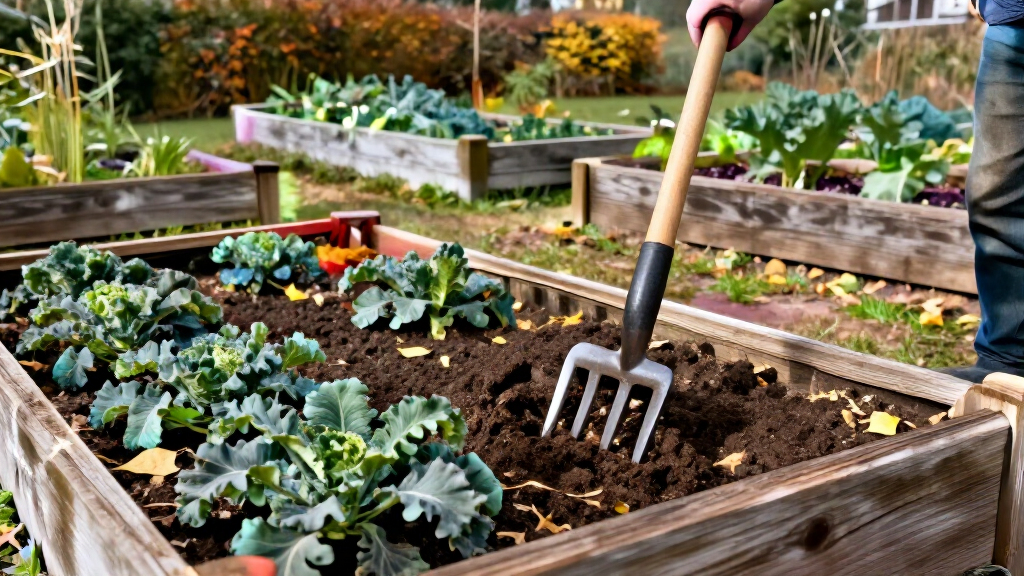
The first priority is removing finished plants. Richards advises cutting back healthy spent crops to add to compost heaps, while diseased plants should be removed entirely to prevent pathogen spread. However, he notes that healthy roots can often be left in the ground to decompose, acting as a natural green manure that feeds soil life. This method avoids the disturbance of digging and preserves soil structure.
Once cleared, empty beds require protection. Richards recommends spreading a layer of well-rotted compost or mulch over the surface rather than digging it in. This technique allows worms and soil organisms to incorporate the organic matter naturally. The mulch layer also serves a dual purpose: it shields the soil from winter weather and helps retain moisture during the colder months.
October is also a viable window for new planting. Hardy crops such as broad beans, winter salads, spinach, and spring onions can be sown, provided the varieties are suited to autumn conditions. Garlic, including elephant garlic, is particularly well-suited for October planting. Additionally, Claire Bishop, Senior Plant Buyer at Dobbies Garden Centres, notes that the soil remains warm enough for soft fruit bushes and fruit trees to establish roots before winter sets in.
Impact on Soil Structure and Yield
The shift from active cultivation to soil preservation is vital for long-term garden productivity. By leaving roots in the ground and mulching rather than digging, gardeners promote a no-dig approach that maintains soil structure and microbial health. This method reduces the labor required in spring and improves nutrient retention over winter. Furthermore, extending the season with protected crops allows for harvests well into winter, maximizing the utility of the garden space year-round.
As an affiliate, we earn on qualifying purchases.
Seasonal Transition Strategies
Autumn signals the end of the primary growing season for many temperate crops. Historically, gardeners might have left beds bare, but modern advice emphasizes continuous ground cover. The availability of tools like cloches and fleece has made it easier to extend the season for tender crops. This seasonal advice aligns with broader trends in sustainable gardening, which prioritize soil health and reduced intervention over intensive tilling.
“Remove crops that have finished producing or are badly diseased. Healthy plants can often be cut back and added to the compost heap.”
— Huw Richards, grow-your-own expert
Climate Variability Factors
While the general tasks are standard, the exact timing for sowing and protection can vary significantly based on local climate conditions. Richards notes that sowing hardy crops depends on the specific climate zone. It is not clear how these recommendations apply to regions with early or severe frosts versus those with mild winters. Gardeners must assess their local frost dates to determine if additional protection is needed immediately or if it can be delayed.
Winter Maintenance and Spring Prep
Following these October tasks, gardeners should monitor protected crops for humidity and ventilation needs. Regular checks on fleece and cloches are necessary to prevent rot. As winter progresses, the focus will shift to planning next year’s rotations and maintaining compost heaps. In late winter, gardeners can begin pruning fruit trees and preparing seed trays for early spring sowings.
Key Questions
Should I dig in my compost in October?
No. Experts recommend spreading compost on the surface rather than digging it in. This allows worms and soil organisms to incorporate it naturally, which preserves soil structure and reduces labor.
Can I leave all plant roots in the ground?
Only healthy roots should be left to decompose. Roots from diseased plants must be removed to prevent the spread of pathogens into the soil for the next season.
What vegetables can I plant in October?
Hardy options include broad beans, spinach, winter salads, spring onions, and garlic. Soft fruit bushes like raspberries and currants can also be planted if the soil is still warm.
How do I protect crops from frost?
Use fleece, cloches, cold frames, or an unheated greenhouse. Ensure you ventilate covered crops on mild days to prevent excessive humidity and disease.
Source: rss
Halloween Picks
halloween
As an affiliate, we earn on qualifying purchases.