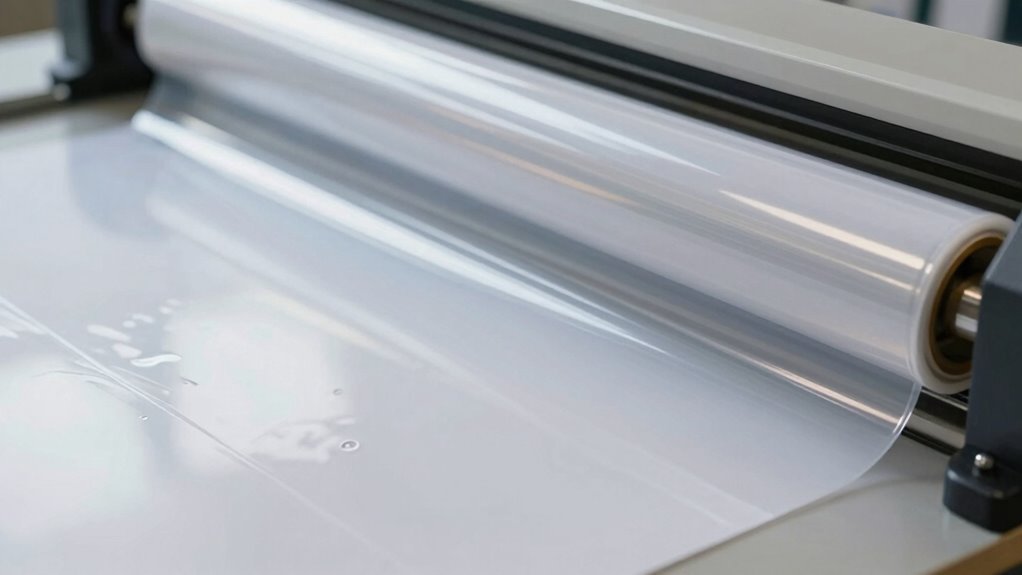
To laminate without bubbles, using the roll method is your best bet. It employs steady, even pressure that pushes out trapped air during application. Keep your materials smooth, clean, and properly aligned before starting, and set your equipment to the right temperature. Slowly feed your project through the laminator, maintaining steady pressure. By following this technique, you’ll achieve a smooth, professional finish every time—discover more tips to perfect your lamination process as you continue.

Get business pricing on tools and workshop supplies
- Business-only prices and quantity discounts
- Tax-exempt purchasing
- Multiple users, one account, clear invoices
Key Takeaways
- Maintain consistent pressure and temperature during lamination to prevent trapped air and bubbles.
- Feed materials slowly and steadily through the roller for even adhesive distribution.
- Properly clean and prepare surfaces to eliminate dust, oils, and wrinkles before lamination.
- Use high-quality adhesive compatible with your materials to ensure smooth bonding and reduce air pockets.
- Regularly inspect and maintain your laminator to ensure optimal pressure, heat, and clean rollers.
As an affiliate, we earn on qualifying purchases.
Why Do Bubbles Form During Traditional Lamination?
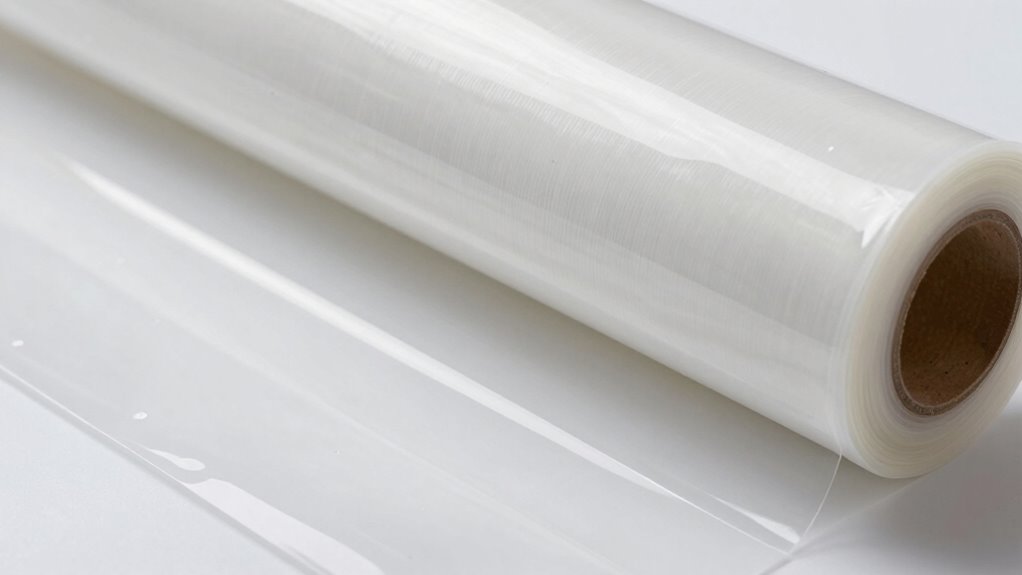
Bubbles often form during traditional lamination because trapped air gets sealed between the layers of the material. When you run the sheets through a standard laminator, uneven pressure or gaps can trap air, leading to bubble formation. The adhesive consistency also plays a vital role; if the adhesive isn’t evenly spread or is too thick, it creates pockets where air can get trapped. As heat and pressure are applied, this trapped air pushes outward, forming bubbles that mar the final look. Additionally, inadequate removal of air before sealing or improper alignment of layers can worsen the problem. Ensuring a uniform adhesive and smooth, bubble-free layering reduces the chances of bubble formation, making your lamination look professional and flawless. Proper layering techniques help prevent air pockets and ensure a smooth finish. Using a vacuum roller or similar tools can also help eliminate air and improve lamination results, leading to a more professional appearance. Employing the right lamination equipment can further minimize the risk of bubbles and achieve a clean, polished outcome. Incorporating air removal methods during the process can significantly enhance the final quality of your lamination. For example, utilizing pressure control tools can ensure consistent force distribution, reducing the likelihood of trapped air.
How Does the Roll Method Help Prevent Bubbles?
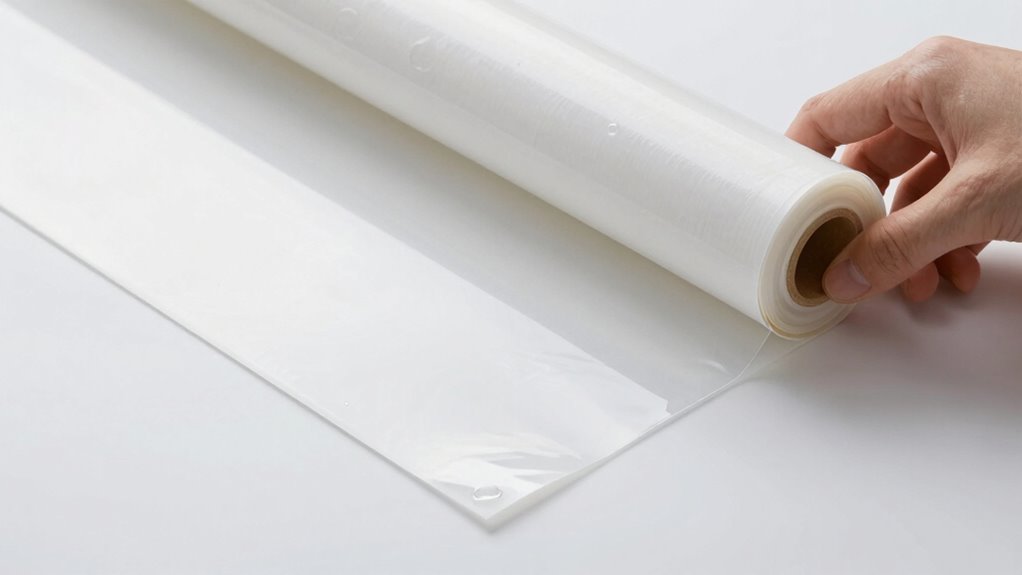
The roll method helps prevent bubbles by maintaining continuous, even pressure on the material as it moves through the laminator. This consistent pressure helps push out trapped air, reducing the chance of bubbles forming. Proper adhesive compatibility is essential; using the right adhesive ensures it bonds smoothly without creating air pockets. Temperature control also plays a critical role—if the laminator isn’t set correctly, the adhesive may not bond evenly, increasing bubble risk. By regulating heat, you allow the adhesive to flow and adhere uniformly, preventing air from getting trapped. Additionally, understanding the importance of proper lamination techniques can further improve results. The roll method’s steady pressure, combined with attention to adhesive compatibility and temperature control, creates a seamless lamination process, notably reducing the likelihood of bubbles and ensuring a professional finish. Incorporating connected equipment can also provide real-time feedback on pressure and temperature, further optimizing the process. Proper pressure distribution is vital to achieving consistent results and avoiding imperfections. Using precise control systems enhances consistency and minimizes manual errors that could lead to bubbles. Maintaining consistent material tension throughout the process also helps prevent uneven application and air entrapment.
How to Laminate Without Bubbles Using the Roll Technique
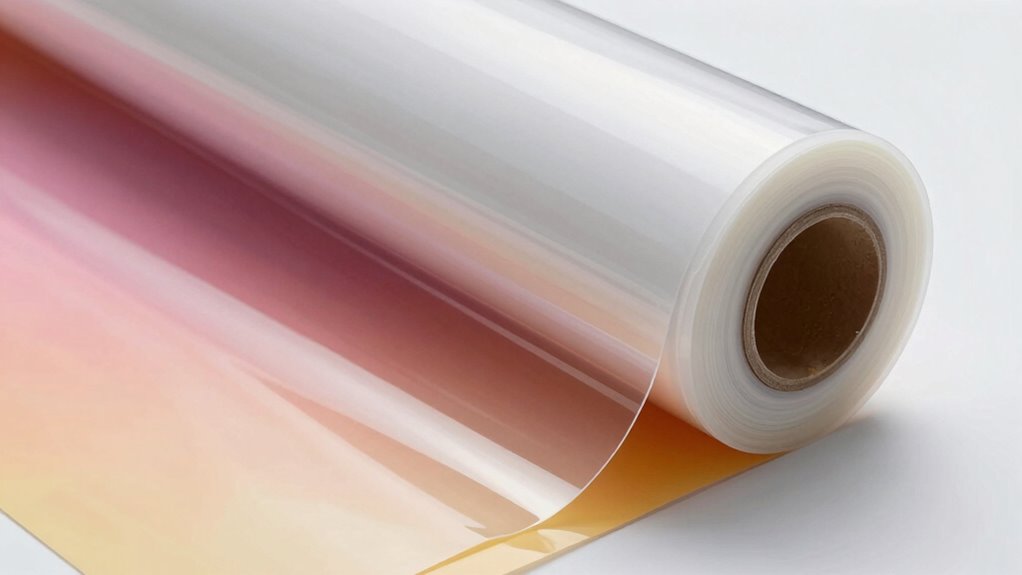
To successfully laminate without bubbles using the roll technique, you need to prepare your materials and equipment carefully. First, verify the adhesive quality is consistent and free of impurities, as poor-quality adhesive can trap air bubbles. Before starting, set your laminator to the correct temperature—too hot or too cold can cause uneven adhesive flow, leading to bubbles. Maintain steady temperature control throughout the process to promote smooth adhesive spread and adhesion. As you feed your material through the roller, do so slowly and steadily, avoiding sudden movements that can trap air. Keep the laminate taut but not stretched, and check for any wrinkles or air pockets as you go. Proper preparation and consistent temperature control are key to bubble-free lamination with the roll technique. Additionally, ensuring your filtration and pump protection is in place can help maintain a clean and consistent adhesive flow, reducing the likelihood of bubbles forming during lamination. Regularly inspecting your equipment for consistent adhesive flow can further prevent issues during the lamination process. Incorporating smart monitoring systems can also assist in maintaining optimal conditions and detecting potential problems early. These systems can help in tracking temperature fluctuations, which is crucial for achieving a smooth lamination.
What Tools Do You Need for Bubble-Free Lamination?
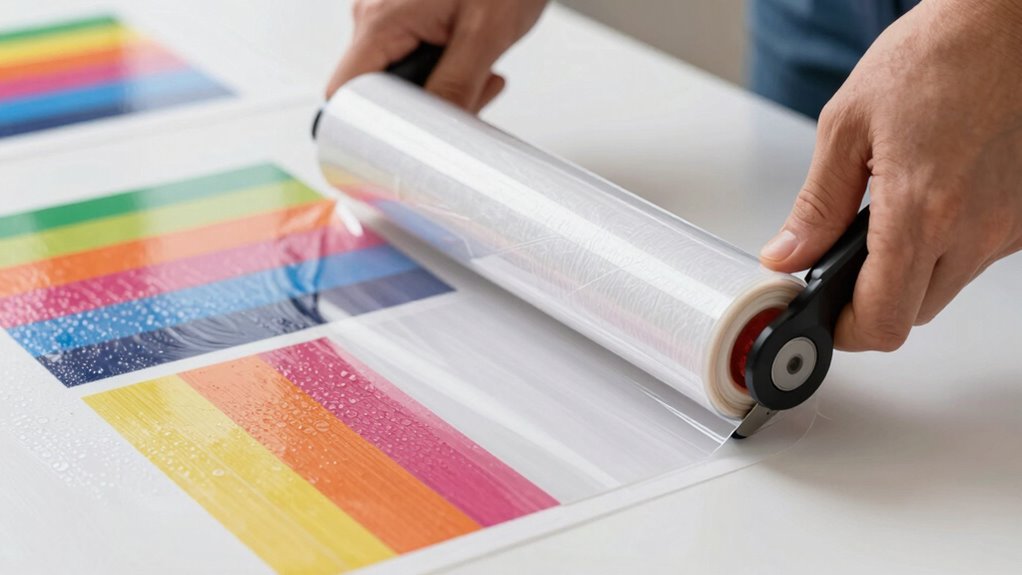
To achieve bubble-free lamination, you’ll need a few essential tools like a roller, squeegee, and clean workspace supplies. Handling these tools properly guarantees smooth application and helps prevent air pockets from forming. Mastering proper techniques with each tool makes a big difference in the final, bubble-free result. Additionally, ensuring your workspace is free of dust and debris reduces contamination that could cause bubbles or imperfections during lamination. Maintaining a clean environment is also crucial to prevent particles from getting trapped under the material during the process.
Essential Tools List
Achieving bubble-free lamination requires having the right tools on hand. You’ll need a high-quality laminator with adjustable temperature and pressure settings to guarantee even bonding. A clean, smooth roller or brayer helps remove air pockets and achieve a seamless finish, promoting lamination safety by reducing the need for excessive force. Sharp scissors or a craft knife are essential for precise trimming. A cutting mat protects surfaces and keeps your workspace organized. Additionally, using environmentally friendly laminating films minimizes environmental impact. A lint-free cloth or microfiber towel can be handy for cleaning the rollers and preventing dust from causing bubbles. Incorporating proper lamination techniques can further enhance the quality and durability of your lamination. Regularly inspecting and maintaining your lamination machine helps extend the lifespan of your equipment and maintains consistent results. Ensuring proper machine maintenance helps extend the lifespan of your equipment and maintains consistent results. Keeping your workspace organized and clean can significantly reduce the likelihood of dust and debris causing bubbles during lamination. Having these tools ready assures you can work efficiently, safely, and with minimal environmental footprint, leading to a professional, bubble-free result.
Proper Handling Techniques
Using the right tools correctly is essential for handling lamination materials without trapping bubbles. Proper handling techniques rely on precise lamination techniques and good equipment maintenance. Always use a clean, smooth roller or squeegee to evenly press the film onto the surface, preventing air pockets. Keep your tools in good condition—dull blades or dirty rollers can cause imperfections. When working with laminators, ensure they are properly calibrated and free of debris to avoid uneven pressure. Handle materials gently to prevent stretching or misalignment. Regular equipment maintenance helps maintain consistent results and reduces the risk of bubbles. By mastering these handling techniques and maintaining your tools, you’ll improve your lamination process and achieve bubble-free, professional results every time.
Common Mistakes That Cause Bubbles and How to Avoid Them
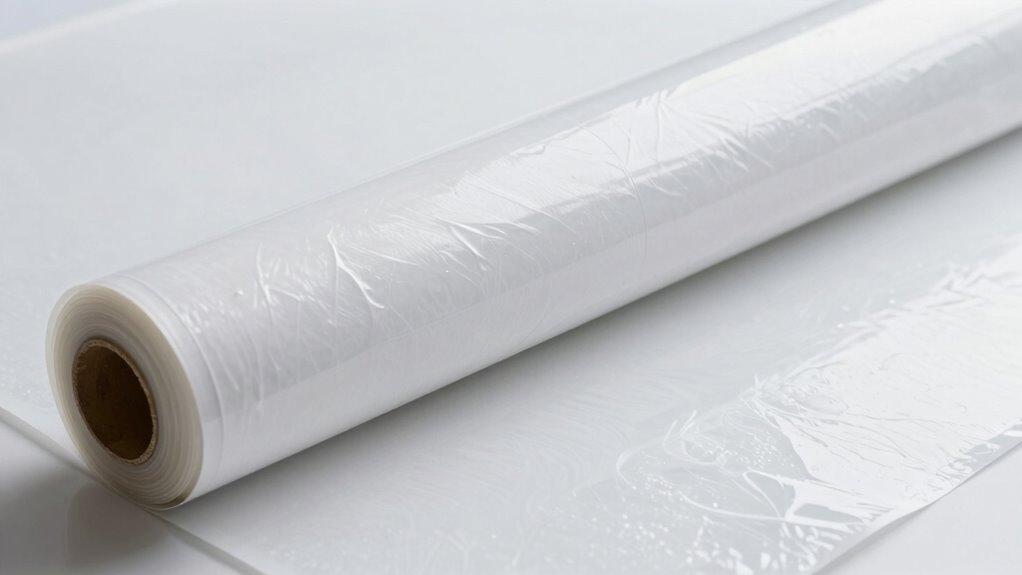
One of the most common causes of bubbles during lamination is improper handling of the film or adhesive. When you don’t smooth out the material properly, air bubbles can form, trapped beneath the surface. These bubbles happen because of poor control over surface tension, which keeps the film from settling smoothly. If you peel back too quickly or don’t apply consistent pressure, you risk creating pockets of air. To avoid this, handle the film carefully, work slowly, and use a roller or squeegee to press out air as you go. Keep the film aligned and avoid lifting it repeatedly, as this can introduce more air. Proper technique guarantees the adhesive bonds evenly, preventing those pesky bubbles from ruining your lamination.
Tips for Achieving a Smooth, Professional Lamination Finish
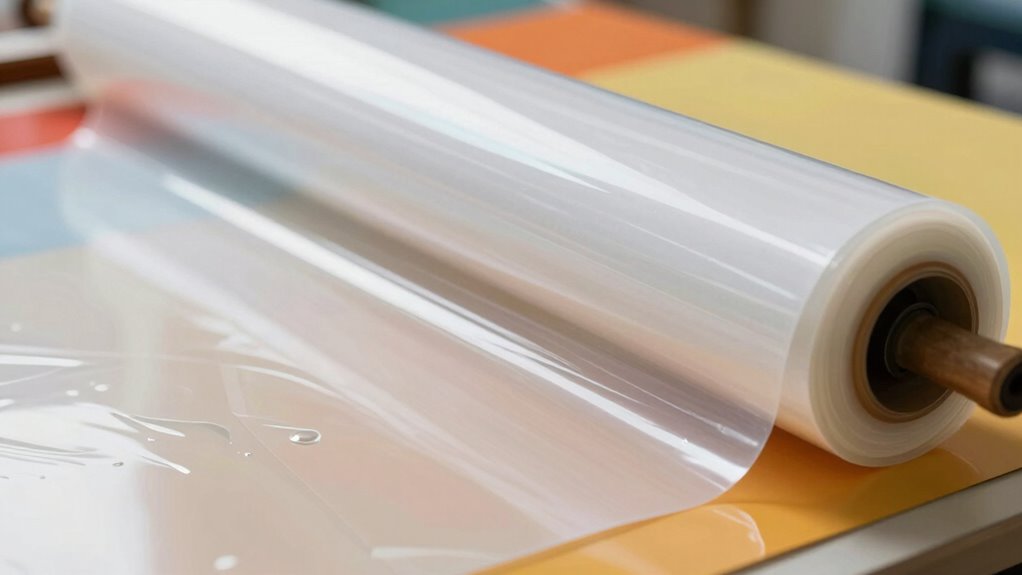
To get a smooth, professional lamination finish, focus on preparing your materials and working methodically. Make certain your lamination surface is clean, flat, and free of dust or debris, as imperfections can transfer onto the final product. Use high-quality adhesive with a consistent, even application to prevent bubbles and wrinkles. When applying the lamination film, work slowly and carefully, smoothing it out from the center toward the edges to push out air and avoid trapping bubbles. Maintain steady pressure throughout the process. Double-check that your materials are aligned properly before sealing. Taking these steps helps achieve a sleek, bubble-free finish that looks polished and professional, giving your laminated items a durable, attractive appearance.
What to Do When Bubbles Still Appear?
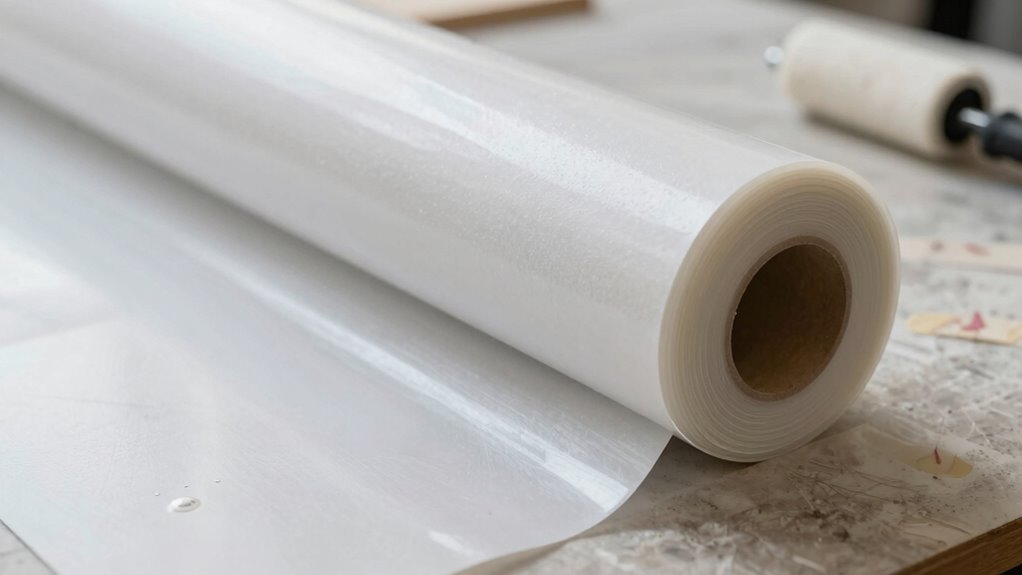
Even with careful preparation and slow, steady application, bubbles can still form during lamination. If this happens, don’t panic. Start by gently lifting the lamination and smoothing out the bubbles with a squeegee or a plastic card. Sometimes, using the right adhesive types can minimize bubble formation, especially if the adhesive allows for some extra working time. Adjust your lamination speed; slowing down can give you more control and reduce trapped air. If bubbles persist, carefully peel back the lamination and reapply, making sure to eliminate air pockets as you go. Patience is key—taking your time during application helps prevent bubbles from becoming permanent. Recognizing passive voice in your writing can also help create clearer, more direct instructions. Additionally, practicing proper techniques can significantly reduce the chances of bubbles forming. Being aware of the adhesion process can help you choose the most suitable materials and methods for a smooth finish. Understanding how materials interact during lamination can further improve your results and reduce the likelihood of bubbles. These steps can help you achieve a smooth, professional finish even when bubbles try to sneak in.
Is the Roll Method Better Than Other Lamination Techniques?
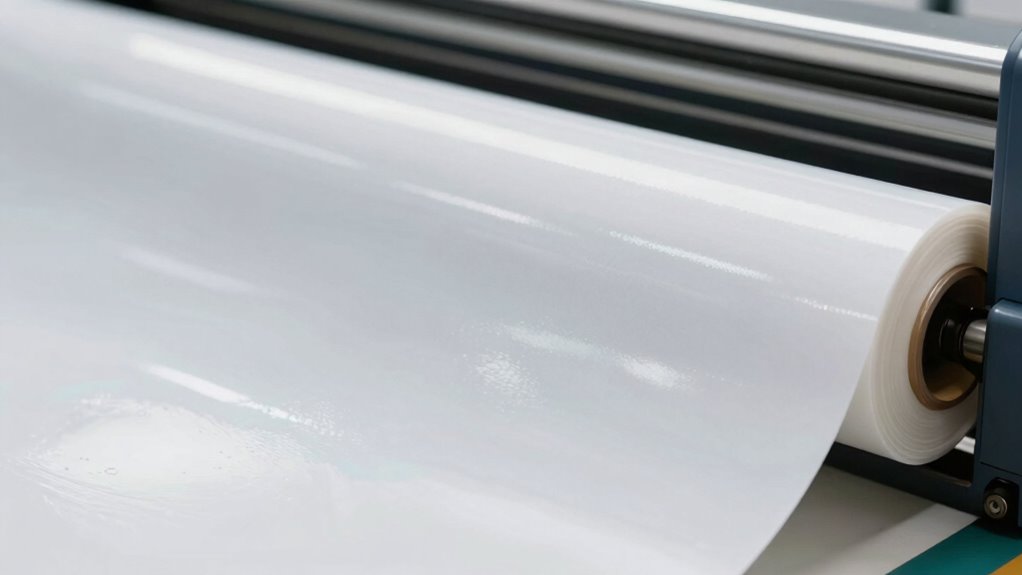
The roll method is often praised for its ease of application, making it quicker and less messy. It also tends to be more effective at preventing bubbles compared to other techniques. Considering these points can help you decide if the roll method is your best option. Additionally, understanding the application process can ensure a smoother and more durable lamination.
Ease of Application
Choosing the right lamination technique can substantially impact how easily and smoothly the process goes. The roll method offers notable application ease, making it more convenient for users. Its design allows for continuous, even application, reducing the need for constant adjustments or repositioning. Unlike some traditional methods that require meticulous alignment and careful handling, the roll technique simplifies the process, saving time and effort. You’ll find that the user convenience of this method minimizes frustration and helps achieve professional-looking results with less hassle. With less manual intervention needed, you can focus on ensuring consistent pressure and smooth movement. Overall, the roll method’s straightforward application process makes it a superior choice for those seeking efficiency and ease during lamination.
Bubble Prevention Effectiveness
The roll method’s streamlined application not only simplifies the lamination process but also enhances bubble prevention. Its effectiveness hinges on selecting adhesive compatible with your laminating film, ensuring a smooth bond without trapped air. Precise temperature control during lamination is vital; too hot, and the adhesive can become overly fluid, increasing bubble risk, while too cold, and it won’t bond properly. The roll method allows for consistent heat distribution, reducing uneven spots where bubbles could form. Compared to other techniques, this method promotes better adhesion and minimizes air pockets, even on challenging surfaces. Additionally, understanding deep-sky imaging principles can inform optimal lamination practices to prevent issues like bubbles or warping. By maintaining ideal temperature and choosing the right adhesive, you considerably improve bubble prevention, making the roll method a superior choice for achieving bubble-free lamination.
How to Maintain Your Lamination Equipment for Best Results
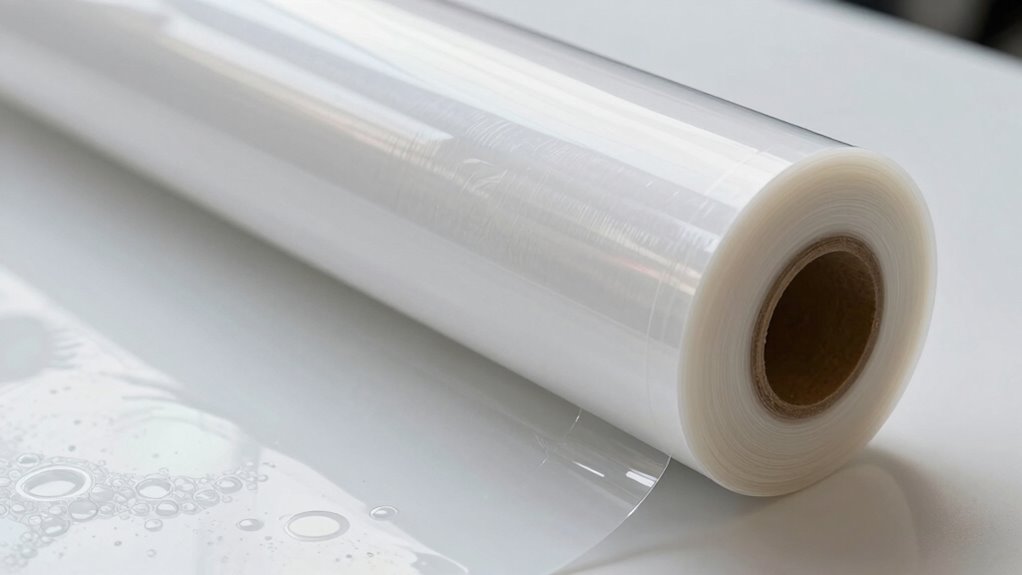
Regular maintenance is essential to keep your lamination equipment producing bubble-free results. Consistently cleaning rollers and checking for debris prevents material buildup that can cause imperfections. Regularly inspect blades and heating elements to ensure they’re functioning properly, which supports quality assurance. Lubricate moving parts as recommended to avoid wear and tear that could impact lamination quality. Keep an organized schedule for equipment maintenance to catch issues early. Proper calibration ensures consistent pressure and temperature, reducing the risk of bubbles. Using the right cleaning agents and tools prevents damage and prolongs equipment lifespan. When your equipment stays in top shape, you’ll achieve smoother lamination, faster processes, and reliable results, making bubble-free lamination more consistent and efficient.
FAQS About Bubble-Free Lamination With the Roll Method
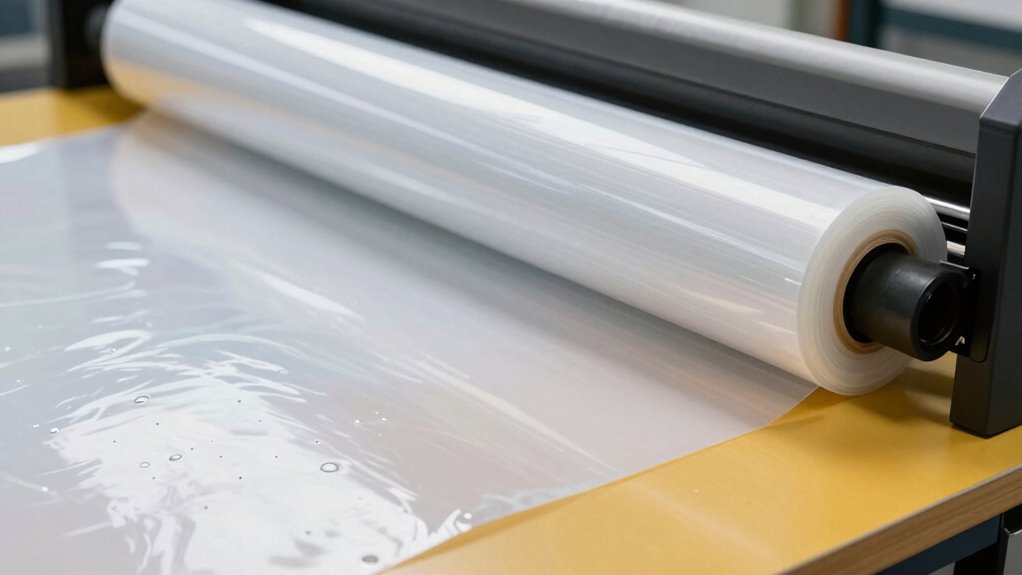
Have you wondered what causes bubbles during roll lamination? Knowing how to prepare your materials and troubleshoot common issues can help you achieve a bubble-free finish. Let’s explore the main causes, prep tips, and solutions to keep your lamination smooth.
Common Bubble Causes
Many common bubble causes during roll lamination can be easily overlooked, but identifying them is key to achieving a bubble-free finish. One frequent issue is uneven adhesive curing, which traps air and causes bubbles. Lamination speed also matters—laminating too quickly can push air into the layers, creating bubbles. Additionally, improper roller pressure or inconsistent heat can prevent proper adhesive flow, leading to bubbles. Here’s a quick overview:
| Cause | Effect | Solution |
|---|---|---|
| Adhesive curing | Air pockets trapped inside | Allow sufficient curing time |
| Lamination speed | Air gets pushed in | Reduce speed for better control |
| Roller pressure | Uneven pressure causes bubbles | Maintain consistent pressure |
| Heat inconsistency | Improper adhesive flow | Check heat settings |
| Surface contaminants | Air entrapment | Clean materials thoroughly |
Identifying these causes helps you troubleshoot effectively.
Pre-Lamination Preparation Tips
Preparing your materials properly before lamination is essential to achieving a bubble-free finish with the roll method. First, ensure your workspace is clean and dust-free to prevent particles from getting trapped. Use eco-friendly materials whenever possible, as they often require gentler handling and less chemical processing, promoting lamination safety for both you and the environment. Check that the lamination film is free of wrinkles or damages before starting. Align your document carefully to avoid misregistration, which can cause bubbles later. Warm up your laminator if needed, following manufacturer instructions, to guarantee smooth operation. Handling materials with clean hands or gloves minimizes contamination. Proper preparation reduces the risk of bubbles, saves time, and results in a professional, bubble-free finish.
Troubleshooting Bubble Issues
Even with careful preparation, bubble problems can still occur during lamination with the roll method. To troubleshoot, first check adhesive compatibility; using the wrong adhesive can trap air, causing bubbles. Make certain your adhesive is suitable for your materials and compatible with your lamination process. Next, examine your surface preparation—any dust, dirt, or oils can prevent proper adhesion and create air pockets. Clean your surfaces thoroughly before lamination, and consider applying a primer if needed. If bubbles form during the process, gently lift the affected area and reapply pressure, smoothing out trapped air. Adjusting your technique, such as reducing speed or increasing pressure, can also help. Properly matching adhesives and ensuring a clean surface are key to preventing and resolving bubble issues.
Frequently Asked Questions
Can the Roll Method Be Used on All Types of Laminating Films?
Yes, you can use the roll method on most laminating films, but it’s important to take into account film compatibility and roll method limitations. Not all films are designed for this technique, especially thicker or specialty laminates. You should check the manufacturer’s guidelines to ensure your film works well with the roll method. This helps prevent bubbles and ensures a smooth lamination, making your project look professional and flawless.
How Long Does It Take to Master the Roll Lamination Technique?
It usually takes a few practice sessions to master the roll lamination technique, with the lamination duration decreasing as your skill acquisition improves. You might need around 10 to 15 minutes per attempt initially, but with consistent practice, you’ll become faster and more precise. Keep practicing, stay patient, and you’ll find that the technique becomes second nature, making your lamination process smoother and bubble-free every time.
Is Special Training Required to Use the Roll Method Effectively?
You don’t need special training to use the roll method effectively, but learning advanced techniques can enhance your results. Focus on safety precautions, like wearing gloves and working in a well-ventilated area, to protect yourself and ensure quality lamination. Practice regularly to master the process, and consider tutorials or workshops for tips on perfecting your technique. With dedication, you’ll achieve bubble-free lamination confidently.
Are There Specific Conditions That Improve Bubble Prevention With This Technique?
Yes, maintaining proper air pressure and ensuring surface smoothness can substantially improve bubble prevention with the roll method. You should apply consistent, moderate pressure to avoid trapping air, and make sure your material is clean and free of debris. Working on a smooth, flat surface also helps prevent bubbles from forming. These conditions help you achieve a cleaner, bubble-free lamination every time.
Can the Roll Method Be Automated for Large-Scale Lamination Tasks?
Think of automation potential like a well-oiled machine; you can definitely adapt the roll method for large-scale lamination tasks. While it’s feasible, you’ll face scalability challenges, such as maintaining bubble-free results consistently. Automating the process requires precise equipment and controls, but it can substantially boost efficiency and output. With the right setup, you’ll streamline your workflow while preserving the bubble-free quality you aim for.
Conclusion
By adopting the roll method, you can confidently achieve bubble-free lamination every time. This technique minimizes trapped air, making your projects look professional and polished. While some might think bubbles are inevitable, studies suggest that proper technique and equipment maintenance are key to success. So, give the roll method a try—it’s not just a myth; it’s a proven way to perfect your lamination results with consistency and ease.
Halloween Picks
halloween
As an affiliate, we earn on qualifying purchases.