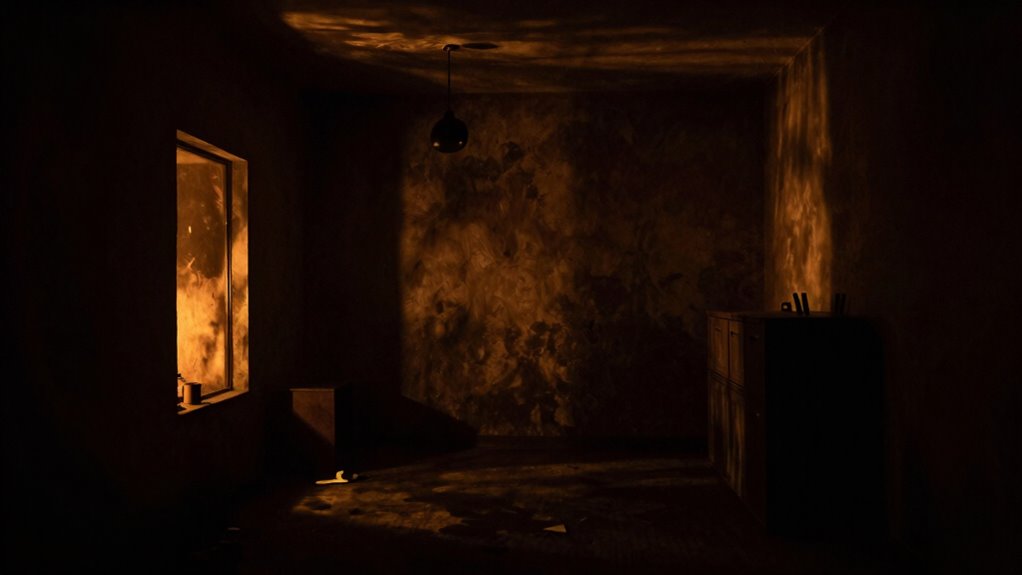

Your nervous system associates darkness with danger, triggering stress and heightened alertness, even in safe environments. Mood lighting impacts this response because dim or uneven light can intensify feelings of unease. Proper lighting cues, like natural light during the day or warm evening tones, help signal safety and relaxation. This connection shows that your lighting choices influence your emotional state more than you might think—continue exploring to understand how to make your space work for you.

Get business pricing on tools and workshop supplies
- Business-only prices and quantity discounts
- Tax-exempt purchasing
- Multiple users, one account, clear invoices
Key Takeaways
- Darkness triggers threat perception, activating the nervous system and increasing stress, making lighting choices crucial for emotional safety.
- Mood lighting influences emotional regulation by signaling safety or danger through brightness and consistency.
- Poor lighting can exacerbate anxiety and hyper-awareness, reinforcing negative associations with darkness.
- Proper lighting design can reduce hyper-vigilance by creating a sense of comfort and security.
- Natural and well-balanced lighting support relaxation, reducing danger perceptions linked to darkness.
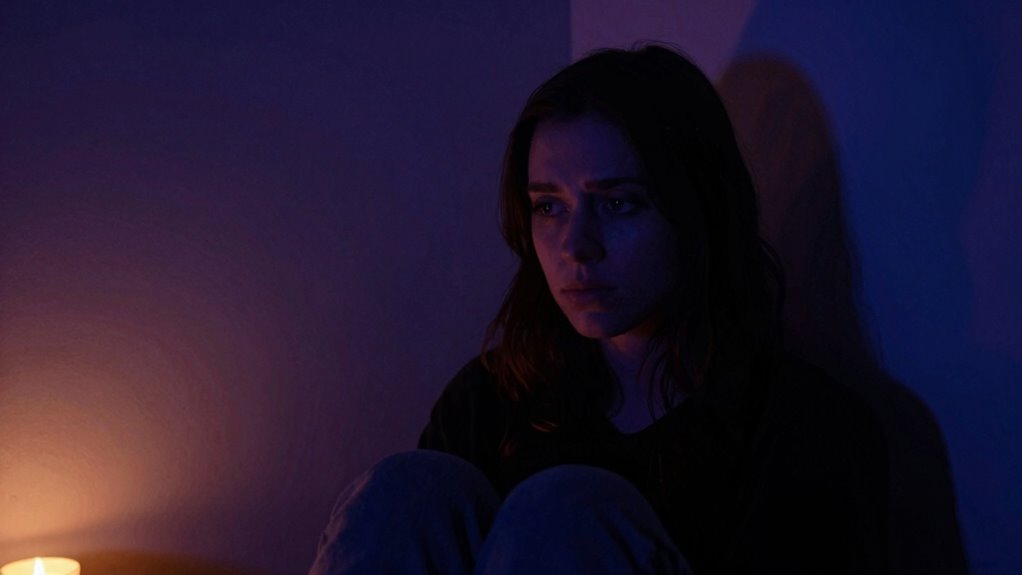
Mood lighting has a powerful influence on your nervous system, shaping your emotions, stress levels, and overall mental state. The way light is used in your environment impacts how you feel and respond, often more than you realize. This is where lighting psychology comes into play—understanding how different lighting conditions can evoke specific emotional responses and influence your mental health. When lighting is dim or uneven, it can trigger a sense of unease or alertness, especially if your brain associates darkness with danger. Over time, these associations can heighten your stress levels, making it harder to relax or feel safe in your own space.
You might not think about it often, but your nervous system is constantly interpreting the signals sent by lighting conditions. Bright, natural light tends to promote calmness and alertness, while low or flickering light can make you feel anxious or on edge. This is particularly critical when considering sleep regulation. Poor lighting habits—such as exposing yourself to blue light late at night—disrupt your body’s internal clock, or circadian rhythm. This disruption can lead to difficulty falling asleep, fragmented rest, and overall poor sleep quality. Sleep regulation is essential for maintaining emotional balance and cognitive function, and lighting plays a central role in it. When your environment signals that it’s time to wind down, the brain releases melatonin, a hormone that helps you sleep. If your lighting is too harsh or inconsistent, this process gets thrown off, leaving you feeling groggy or stressed the next day.
In environments where darkness is associated with threat, your nervous system remains on high alert, even when there’s no real danger present. This hyper-awareness can increase your stress response, making it harder to relax and recover from daily pressures. Moreover, lighting environment can influence how your body perceives safety and comfort, emphasizing the importance of thoughtful lighting design. Additionally, incorporating natural light during the day can significantly improve your mood and overall well-being, reinforcing the connection between lighting and mental health. Research also suggests that lighting quality can directly impact your emotional resilience, helping you better cope with stress. Conversely, intentional use of mood lighting—such as warm, soft glows in the evening—can help signal to your brain that it’s time to unwind, promoting better sleep regulation and reducing anxiety. Recognizing the subtle power of lighting psychology allows you to craft spaces that support your mental health rather than undermine it. Small adjustments, like dimming lights before bed or ensuring natural light during the day, can have profound effects on how your nervous system perceives safety and relaxation. It is also important to consider the impact of lighting disorder on mental health, as inconsistent or inadequate lighting can exacerbate feelings of anxiety or depression. Additionally, understanding lighting psychology can help you design environments that promote healthier emotional responses and overall well-being. Ultimately, lighting isn’t just about aesthetics; it’s a vital tool influencing your emotional well-being and your body’s natural rhythms.
As an affiliate, we earn on qualifying purchases.
Frequently Asked Questions
How Does Mood Lighting Affect Sleep Quality?
Mood lighting greatly impacts your sleep quality by shaping your sleep environment and supporting your circadian rhythms. Soft, warm lights signal your body that it’s time to wind down, helping you relax faster. Conversely, harsh or blue-toned lights can disrupt your natural sleep cycle, making it harder to fall asleep and reducing sleep quality. You should optimize your lighting to promote a calming environment that aligns with your body’s internal clock.
Can Lighting Choices Influence Anxiety Levels?
Yes, lighting choices can influence your anxiety levels. For example, using warm, dim lighting with modern lighting technology can reduce emotional associations of darkness with danger, helping you feel calmer. Conversely, harsh, bright lights may increase anxiety. By intentionally selecting calming lighting options, you can create a soothing environment that eases nervousness, showing how thoughtful lighting influences your emotional state and overall well-being.
Are There Specific Colors That Trigger Danger Responses?
Certain colors in ambient illumination can trigger danger responses due to color psychology. Reds and dark shades often evoke feelings of warning or threat, activating your nervous system’s fight-or-flight response. Bright, cool colors like blue or green tend to promote calmness. When you choose lighting colors, consider how they influence your mood and anxiety levels, especially if your nervous system perceives specific hues as signs of danger.
How Quickly Does Lighting Impact Nervous System Reactions?
Lighting can influence your nervous system reactions almost instantly, often within seconds. Your neural pathways quickly process visual cues, triggering sensory adaptation that heightens alertness or relaxes you depending on the light. Darkness may activate danger responses, while bright, calming colors can soothe nerves. This rapid response underscores how essential mood lighting is, as your nervous system constantly interprets and reacts to changes in your environment.
Is There a Way to Reprogram the Nervous System’s Response to Darkness?
Yes, you can reprogram your nervous system’s response to darkness by harnessing neuroplasticity potential. Practice sensory desensitization techniques, gradually exposing yourself to darkness in controlled settings, which helps your brain reinterpret darkness as safe. Over time, this reduces fear responses and rewires neural pathways. Consistent, gentle exposure combined with relaxation strategies enhances your ability to associate darkness with calmness, improving your comfort and emotional resilience.
Conclusion
Remember, your nervous system’s wary stance towards darkness isn’t just a minor quirk—it’s a thunderclap of ancient instincts echoing through your modern life. When you choose mood lighting, you’re not just setting a scene; you’re gently persuading your nervous system to relax and see darkness as comforting, not threatening. Think of it as wielding a magic wand that transforms a shadowy forest into a peaceful sanctuary. With mindful lighting, you can turn night into a calming embrace rather than a looming threat.
Halloween Picks
halloween
As an affiliate, we earn on qualifying purchases.