
TL;DR

Get business pricing on tools and workshop supplies
- Business-only prices and quantity discounts
- Tax-exempt purchasing
- Multiple users, one account, clear invoices
Multiple UK water companies have introduced hosepipe bans as a result of ongoing drought conditions. The restrictions aim to conserve water amid low reservoir levels and high demand, affecting millions of households.
Several UK water companies, including Anglian Water and Affinity Water, have announced hosepipe bans effective immediately, citing ongoing drought conditions and low reservoir levels. The restrictions are aimed at conserving water and preventing further shortages, affecting millions of households across southern and eastern England.
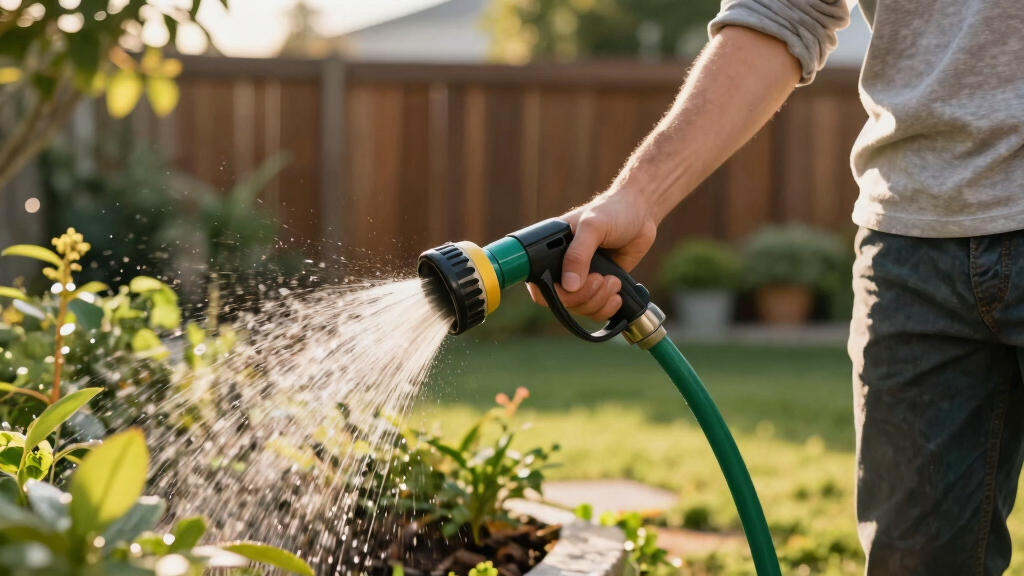
The bans, which prohibit the use of hoses for watering gardens, filling paddling pools, and other non-essential water use, are being introduced as reservoirs reach critically low levels. Anglian Water confirmed that the ban applies to its entire service area, covering parts of Norfolk, Suffolk, and Cambridgeshire, while Affinity Water extended restrictions to areas in Hertfordshire and Bedfordshire.
Officials from the water companies stated that the measures are necessary to manage the ongoing drought, which has been worsened by below-average rainfall over the past several months. The Environment Agency has also issued warnings about the risk of drought and water shortages in affected regions.
Local authorities and water companies have urged residents to comply with the bans, emphasizing the importance of water conservation during this period. Penalties for non-compliance can include fines or other enforcement actions.
Impacts of Hosepipe Bans on UK Water Conservation Efforts
The introduction of hosepipe bans marks a significant step in UK efforts to manage water resources amid increasingly frequent droughts linked to climate change. These restrictions aim to reduce household water consumption, which can account for a substantial portion of total water use, especially during dry periods. The bans also highlight the vulnerability of UK water supplies and the need for long-term planning to ensure resilience against future droughts.
For residents, the bans may lead to inconvenience but are critical for preventing more severe shortages, such as restrictions on other water uses or rationing. The measures also serve as a reminder of the importance of water conservation practices in everyday life.
As an affiliate, we earn on qualifying purchases.
Recent Drought Conditions and Water Supply Challenges in the UK
The UK has experienced below-average rainfall over the past six months, leading to declining reservoir levels across several regions. The Environment Agency has issued drought warnings for parts of eastern and southern England, where water demand is highest. Water companies have previously implemented temporary restrictions during past dry spells, but this year’s conditions have prompted more widespread and prolonged measures.
Historically, hosepipe bans are used as a last resort when water supplies are critically low, and they are typically enacted in response to severe drought conditions. The current situation reflects ongoing climate variability and the increasing frequency of drought events in the UK.
“The hosepipe ban is a necessary step to protect our water resources during this unprecedented dry spell. We urge customers to follow the restrictions and conserve water wherever possible.”
— Anglian Water spokesperson
Extent and Duration of the Hosepipe Restrictions
It is not yet clear how long the hosepipe bans will remain in place, as they depend on weather conditions and reservoir recovery. Authorities have indicated that restrictions could last several months if drought conditions persist, but specific end dates have not been announced.
Additionally, the potential for further restrictions or expansion of bans to other regions remains uncertain, depending on future rainfall and reservoir levels.
Monitoring Weather and Reservoir Levels for Future Decisions
Water companies and the Environment Agency will continue to monitor weather patterns, rainfall, and reservoir levels over the coming weeks. Authorities may lift or extend the bans based on these assessments. Public cooperation and water conservation efforts will be critical in managing the ongoing drought.
Residents are advised to stay informed through official updates and to adopt water-saving practices to help mitigate the impact of the restrictions.
Key Questions
How long will the hosepipe bans last?
The duration depends on weather conditions and reservoir levels. Authorities have not specified exact end dates, but restrictions could last several months if drought persists.
Are all water companies implementing hosepipe bans?
Not all companies have announced bans yet, but several, including Anglian Water and Affinity Water, have confirmed restrictions in their service areas. Others may follow depending on conditions.
What activities are prohibited under the hosepipe ban?
The bans typically restrict activities such as watering gardens, filling paddling pools, cleaning cars, and using hoses for outdoor irrigation, unless for essential or permitted purposes.
What penalties exist for violating the hosepipe ban?
Violators can face fines or other enforcement actions. Local authorities and water companies are monitoring compliance and may issue penalties for non-adherence.
How can residents help conserve water during this period?
Residents are encouraged to use water efficiently, avoid unnecessary outdoor water use, fix leaks, and follow official guidance to reduce overall consumption.
Source: google-trends
Halloween Picks
halloween
As an affiliate, we earn on qualifying purchases.