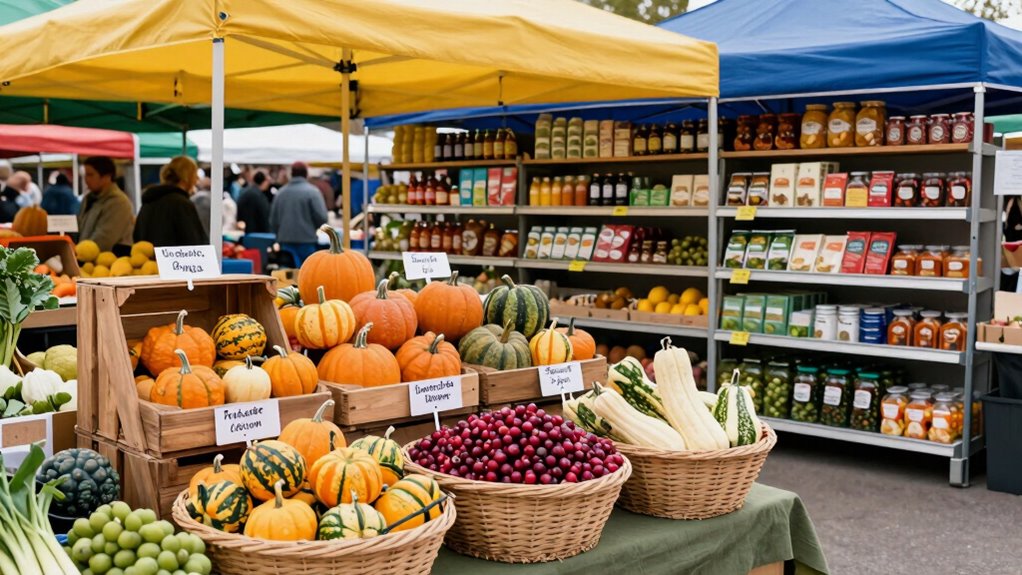

As a seasonal seller, you need different storage and packaging strategies to handle demand fluctuations effectively. Proper storage prevents spoilage, damage, and overstocking, helping you maximize profits during peak times. Customized packaging not only safeguards your products but also reinforces your brand’s identity, making you stand out. By adapting your approach, you stay flexible and competitive through busy seasons. Keep exploring to discover how tailored solutions can give you a real edge during peak periods.
Key Takeaways
- Seasonal demand fluctuations require adaptable storage to prevent overstocking or shortages.
- Proper packaging enhances brand recognition and customer experience during peak seasons.
- Temperature-sensitive products need specialized storage to maintain quality and freshness.
- Sustainable packaging aligns with eco-conscious trends and appeals to environmentally aware customers.
- Market insights help optimize storage and packaging strategies for seasonal market trends.
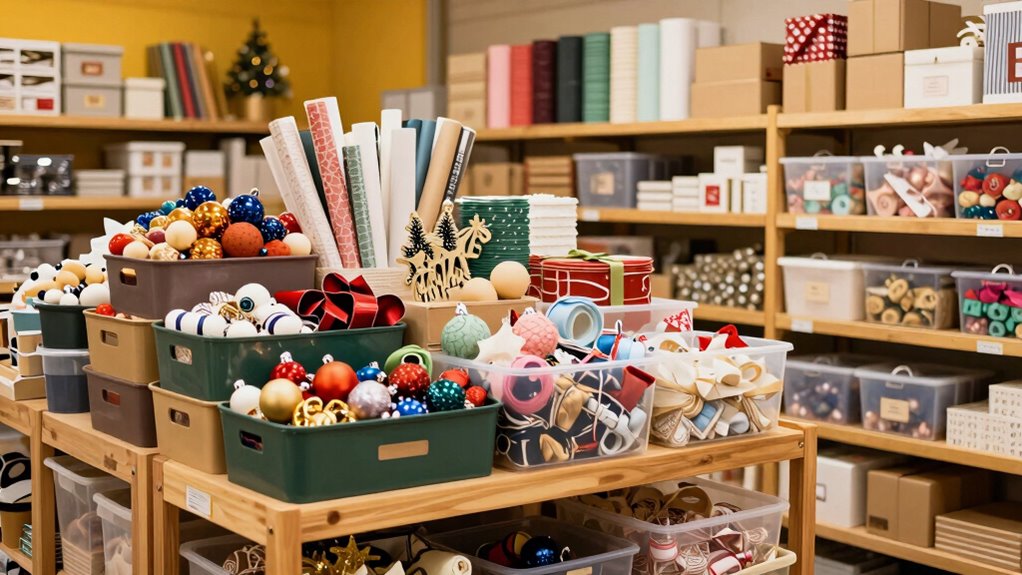
If you’re a seasonal seller, mastering storage and packaging strategies is essential to guarantee your products stay fresh, safe, and appealing throughout the year. Unlike year-round businesses, you face unique challenges in managing inventory turnover efficiently. Proper storage helps prevent spoilage, damage, and overstocking, which can tie up your capital and reduce your profit margins. When you optimize your storage solutions, you can quickly adapt to fluctuating demand, ensuring you have enough inventory during peak seasons without carrying excess stock during off-peak times. This flexibility directly impacts your inventory turnover rate, making sure you’re not stuck with outdated or unsellable products.
Packaging, on the other hand, plays a key role in maintaining your branding consistency. When your packaging reflects your brand’s identity, it creates a memorable experience for your customers, encouraging repeat business and positive reviews. During seasonal peaks, consistent branding becomes even more important because it helps you stand out amid a crowded market. You want your packaging to be easily recognizable and aligned with your overall branding message, whether it’s eco-friendliness, luxury, or fun and playful. This consistency builds trust and reinforces your reputation, which can be the difference between a one-time sale and a loyal customer.
Because seasonal products often have limited shelf lives, you need to choose storage methods that preserve freshness without sacrificing convenience. For perishable goods, refrigeration or climate-controlled storage is crucial, while non-perishable items require sturdy, airtight packaging to prevent moisture or pests. You also want to think about how your packaging can protect your products during transit, especially if you sell online or ship to distant locations. Proper packaging minimizes damage, reduces returns, and enhances customer satisfaction. Additionally, understanding seasonal demand fluctuations and adjusting your storage and packaging accordingly can help optimize your inventory management and sales performance. Incorporating sustainable packaging options can also appeal to environmentally conscious consumers and support your business’s biodiversity and conservation efforts. Being aware of changing market trends can further inform your packaging choices and help you stay competitive in seasonal markets. Moreover, utilizing innovative storage and packaging solutions, such as modular storage units or biodegradable materials, can give you a competitive edge and demonstrate your commitment to sustainability. Recognizing the importance of climate considerations can further refine your storage strategies, especially for products sensitive to temperature or humidity changes.
seasonal product storage containers
As an affiliate, we earn on qualifying purchases.
As an affiliate, we earn on qualifying purchases.
Frequently Asked Questions
How Can I Prevent Spoilage During Off-Season Storage?
To prevent spoilage during off-season storage, you should focus on temperature regulation and pest control. Keep your items in a cool, dry environment to slow down spoilage and prevent mold growth. Use airtight containers to deter pests and regularly inspect storage areas for signs of insects or rodents. Proper ventilation and humidity control also help maintain product quality, ensuring your goods stay fresh until you’re ready to sell again.
What Are the Best Eco-Friendly Packaging Options for Seasonal Products?
Did you know that over 60% of consumers prefer eco-friendly packaging? To meet this demand, you should choose biodegradable wraps and reusable containers for your seasonal products. These options not only reduce waste but also appeal to environmentally conscious buyers. Reusable containers can be used repeatedly, lowering your packaging costs, while biodegradable wraps break down naturally, helping you minimize your environmental footprint and boost your brand’s sustainability image.
How Do Storage Needs Differ Between Perishable and Non-Perishable Seasonal Items?
Your storage needs differ because perishable seasonal items require climate control to prevent spoilage, while non-perishable items can withstand more varied conditions. You should focus on climate-controlled environments for perishables and prioritize efficient inventory rotation to minimize waste. For non-perishables, stable storage conditions suffice, but regular inventory checks guarantee stock remains fresh and organized. Tailoring your storage strategies helps maintain product quality and meet customer expectations effectively.
What Are Cost-Effective Packaging Strategies for High-Volume Seasonal Sales?
You can save costs by using labeling techniques like clear, durable labels to streamline inventory rotation and reduce errors. Bulk packaging also helps lower expenses for high-volume seasonal sales. Consider using standardized containers that are easy to stack and store, which minimizes space and handling costs. Implementing these strategies guarantees your packaging remains efficient, reduces waste, and keeps inventory organized, ultimately boosting profitability during peak seasons.
How Can I Optimize Space for Storing Seasonal Inventory Efficiently?
To optimize space for storing seasonal inventory efficiently, focus on effective inventory rotation. Prioritize storing older stock upfront to prevent overstock and spoilage. Use vertical space with stackable bins or shelving, and consider modular storage units to adapt to fluctuating inventory levels. Regularly review your storage layout to identify and eliminate unused areas, ensuring space is maximized and easy access is maintained for quick restocking and sales.
Conclusion
Think of your seasonal selling journey as steering a river’s flow. Just as a boat needs the right anchors and sails to ride the waves smoothly, your storage and packaging strategies keep your business steady through fluctuating demand. When you adapt and prepare, you’re steering confidently toward success, avoiding the rapids of chaos. Embrace these strategies, and your seasonal voyage becomes a graceful glide—ready for whatever currents come your way.