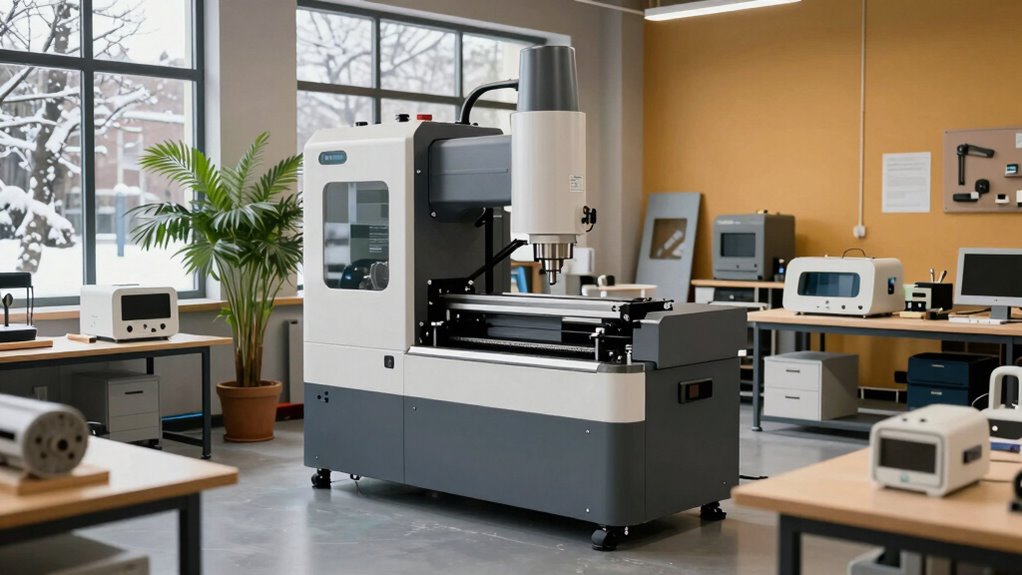

To use one machine across multiple seasons and product lines, you should implement flexible automation strategies with programmable controls and adaptable tooling. Regular maintenance and preventive checks guarantee reliable performance, while real-time monitoring helps catch issues early. Training staff on automation features and standard procedures minimizes errors during shifts. Combining these approaches allows seamless switching between specifications and keeps quality consistent. Keep exploring, and you’ll discover even more ways to optimize your machinery for diverse needs.

Get business pricing on tools and workshop supplies
- Business-only prices and quantity discounts
- Tax-exempt purchasing
- Multiple users, one account, clear invoices
Key Takeaways
- Implement automation strategies with programmable controls for quick switching between product specifications and seasonal requirements.
- Develop flexible tooling and adaptable components to facilitate seamless transitions across different product lines.
- Schedule preventive maintenance during low-demand periods to ensure reliable operation year-round.
- Utilize advanced monitoring and predictive analytics for early detection of issues and optimal performance.
- Train operators thoroughly on automation features, changeover procedures, and troubleshooting to ensure smooth transitions.
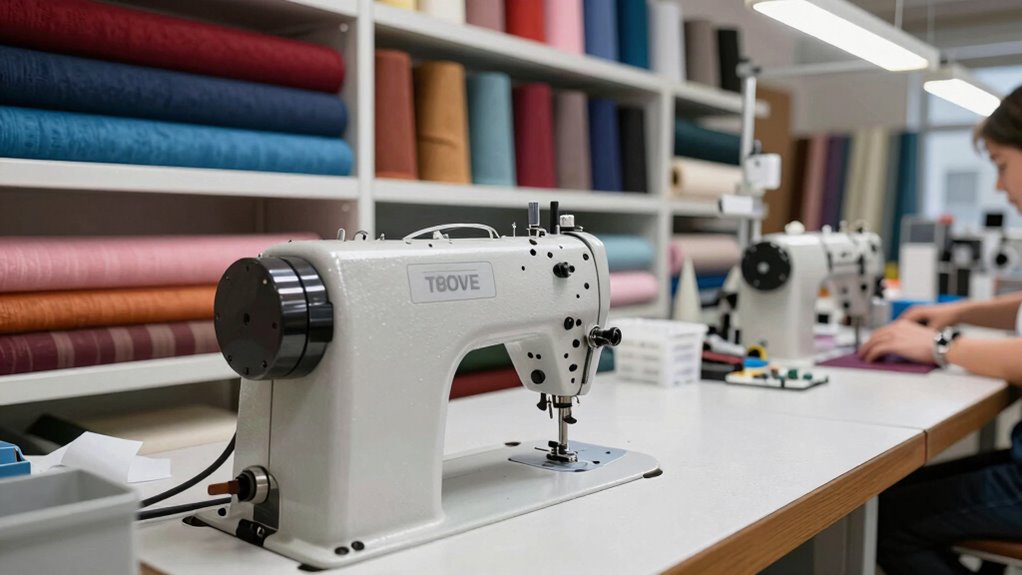
Using one machine across multiple seasons and product lines can considerably boost your efficiency and reduce costs, but it requires careful planning. To do this effectively, you need to develop automation strategies that streamline operations and minimize downtime. Automation allows you to quickly switch between different product specifications or seasonal requirements, saving time and reducing manual labor. For instance, implementing programmable controls or software that can be easily adjusted for various tasks helps you adapt your machine’s output without extensive reconfiguration. This not only accelerates production but also improves consistency across different product lines.
Alongside automation, strategic maintenance scheduling becomes essential. You must plan regular checks and preventive maintenance tailored to the machine’s diverse workloads. Proper maintenance scheduling ensures that your equipment operates reliably regardless of the season or product variation, preventing unexpected breakdowns that could disrupt your workflow. By scheduling maintenance during low-demand periods or after completing a specific product cycle, you can keep your machine in prime condition while avoiding unnecessary downtime during peak periods. A well-structured maintenance plan also extends the lifespan of your equipment, making your investment more cost-effective over time. Incorporating predictive analytics can further enhance your maintenance strategies by forecasting potential issues before they occur. Additionally, integrating real-time data from sensors can help detect anomalies early, enabling prompt corrective actions. Implementing monitoring systems can provide continuous oversight, ensuring optimal machine performance.
To maximize the benefits of using one machine across multiple seasons and product lines, you’ll want to incorporate flexible tooling and adaptable components. These modifications allow quick changes between different configurations, reducing setup time and improving turnaround. When combined with automation strategies, you create a seamless process where the machine intelligently adjusts to meet different specifications with minimal human intervention. This approach not only enhances productivity but also helps maintain quality standards across diverse products. Incorporating modern technology such as smart sensors and IoT integration can provide real-time data and insights to optimize your machine’s performance across various conditions.
Additionally, leveraging automation can help you implement predictive analytics that forecast potential issues before they occur, further improving operational reliability. Communication and training are equally essential. Ensure your operators understand the automation features and maintenance schedules thoroughly. Well-trained staff can respond swiftly to any issues, perform minor troubleshooting, and optimize machine settings for various products and seasons. Clear documentation and standardized procedures help minimize errors and facilitate smooth transitions between different production runs.
programmable industrial machine controls
As an affiliate, we earn on qualifying purchases.
As an affiliate, we earn on qualifying purchases.
Frequently Asked Questions
How Do I Ensure Safety When Switching Between Product Lines?
To guarantee safety when shifting between product lines, you should follow strict safety protocols and conduct thorough operator training. Always review safety procedures before starting a new product line, and make sure operators are familiar with specific machine settings and potential hazards. Use clear signage and safety checks to prevent accidents. Regularly update training and safety protocols to adapt to new products, keeping everyone informed and safe during shifts.
What Maintenance Practices Are Recommended for Multi-Season Use?
To promote machine longevity across multiple seasons, you should follow consistent preventative care practices. Regularly inspect and clean key components, lubricate moving parts, and check for signs of wear or damage. Schedule professional maintenance before each season to guarantee ideal performance. By staying proactive with preventative care, you minimize downtime, extend your machine’s lifespan, and keep it running smoothly across all seasons and product lines.
Can the Machine Handle Different Material Types Easily?
Yes, the machine can handle different material types easily, thanks to its high material compatibility and equipment versatility. You can switch between various materials without complicated adjustments, which makes it ideal for multi-season and multi-product use. Just make sure you select the appropriate settings for each material to maintain quality and efficiency. This flexibility helps you maximize your investment and streamline your production process across diverse product lines.
How Do I Calibrate the Machine for Various Products?
You should start by adjusting the machine settings specific to each product, considering thickness, material type, and desired finish. Follow the calibration procedures outlined in your manual, which typically involve testing with sample materials and fine-tuning parameters like temperature, speed, and pressure. Regularly recalibrate after switching products to guarantee consistency and quality. Keep detailed records of settings for each product line to streamline future adjustments.
Are There Software Updates Needed for Different Product Lines?
You might worry software updates are complicated, but they’re straightforward. To guarantee your machine works seamlessly across different product lines, regularly check for software compatibility and firmware updates. These updates improve functionality, fix bugs, and guarantee compatibility with new products. Keeping your software current minimizes issues and maximizes efficiency, so you can adapt to seasonal changes and product variations smoothly without unnecessary downtime or troubleshooting.
Conclusion
By optimizing your machine for multiple seasons and product lines, you can markedly increase efficiency and reduce costs. Imagine cutting your equipment downtime by 30%, enabling you to meet market demands faster and more flexibly. This approach not only maximizes your investment but also keeps your business adaptable in a rapidly changing industry. Embracing this strategy could be the key to staying ahead, ensuring you’re ready for whatever each new season brings.
Fall Picks
fall essentials
As an affiliate, we earn on qualifying purchases.