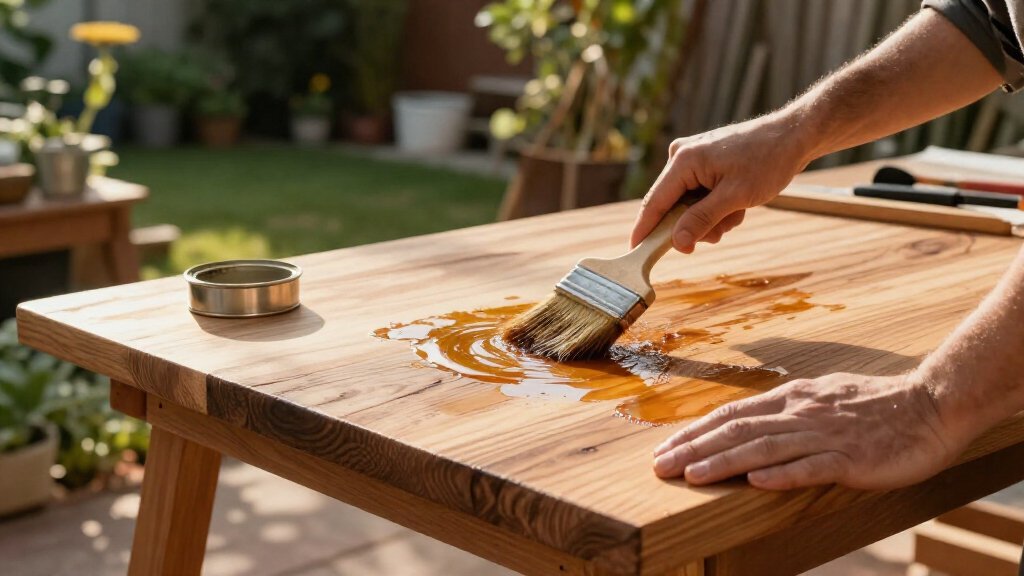

Choosing the best wood finishes depends heavily on whether you prioritize durability, ease of application, or natural aesthetics. Minwax Polycrylic Protective Wood Finish stands out as the best overall option for most indoor projects due to its low odor, fast drying time, and crystal-clear protection that won’t yellow over time. For those seeking a premium, hand-rubbed look, Rubio Monocoat Oil Plus 2C offers unparalleled simplicity and depth, while Varathane Triple Thick Polyurethane delivers maximum durability for high-traffic areas in fewer coats. The main tradeoff in this category is between film-forming finishes, which sit on top of the wood for superior protection but can look plastic-like, and penetrating oils, which enhance grain but require more frequent maintenance. Continue reading to see how these thirteen options compare in performance, application, and final appearance.

Get business pricing on tools and workshop supplies
- Business-only prices and quantity discounts
- Tax-exempt purchasing
- Multiple users, one account, clear invoices
Complete the kit



Key Takeaways
- Water-based finishes like Minwax Polycrylic have largely replaced oil-based options for clear coats due to their non-yellowing properties and faster cure times.
- Penetrating oils such as Tung Oil and Danish Oil offer the most natural feel but provide significantly less water and scratch resistance than polyurethane.
- One-coat systems like Rubio Monocoat eliminate the need for separate sealers, simplifying the workflow but requiring precise application techniques to avoid blotchiness.
- Gloss levels dramatically affect perceived quality; matte finishes hide surface imperfections better, while high-gloss options highlight the wood’s depth but reveal every flaw.
- Small-volume containers (under 16 oz) are often better for hobbyists, as large cans of fast-drying finishes can skin over before they are fully used.
| Minwax Polycrylic Protective Wood Finish, Clear Satin, ½ Pint |  | Best Overall for Clear Interior Protection | Brand: Minwax | Finish: Clear satin | Base: Water-based | VIEW LATEST PRICE | See Our Full Breakdown |
| SENVEN Water-Based Polyurethane Wood Finish, Clear Gloss, 100 ml |  | Best for Small, Fast Gloss Projects | Brand: SENVEN | Finish: Clear high-gloss | Base: Water-based polyurethane | VIEW LATEST PRICE | See Our Full Breakdown |
| Watco Natural Danish Oil Wood Finish, Pint |  | Best for a Warm, Grain-Enhancing Finish | Brand: Watco | Volume: 16 fluid ounces (1 pint) | Finish: Natural | VIEW LATEST PRICE | See Our Full Breakdown |
| Hope’s 100% Pure Tung Oil Wood Finish, 16 fl oz |  | Best Penetrating Finish for Porous Surfaces | Brand: Hope’s | Volume: 16 fl oz | Material: 100% tung oil | VIEW LATEST PRICE | See Our Full Breakdown |
| COATEZ Brown Walnut Wood Stain and Sealer, 6.35 fl oz |  | Best All-in-One Color and Seal for Indoor or Outdoor Wood | Brand: COATEZ | Color: Brown walnut | Volume: 6.35 fl oz | VIEW LATEST PRICE | See Our Full Breakdown |
| Varathane Triple Thick Polyurethane Gloss Wood Finish |  | Best for One-Coat Coverage | Finish: Gloss | Recommended use: Interior | Base: Water-based | VIEW LATEST PRICE | See Our Full Breakdown |
| Minwax Clear Polycrylic Water-Based Protective Finish – Gloss (½ pt) |  | Best Small-Batch Gloss Topcoat | Finish: Gloss | Volume: 8 fluid ounces (½ pint) | Base: Water-based | VIEW LATEST PRICE | See Our Full Breakdown |
| Minwax Polycrylic Protective Finish, Clear Matte, 1/2 Pint |  | Best Matte Water-Based Topcoat | Finish: Clear matte | Volume: 8 fluid ounces (½ pint) | Base: Water-based | VIEW LATEST PRICE | See Our Full Breakdown |
| Natura Onecoat Wood Stain Oil 2K – Clear, 360 ml |  | Best Single-Coat Hardwax Oil | Finish: Clear matte | Volume: 360 ml (12.17 fluid ounces) | Base material: Linseed oil | VIEW LATEST PRICE | See Our Full Breakdown |
| Minwax Wood Finish, Golden Oak, 1/2 Pint |  | Best Golden Oak Interior Stain | Product type: Penetrating interior wood stain | Color: Golden Oak | Base: Oil-based | VIEW LATEST PRICE | See Our Full Breakdown |
| Rubio Monocoat Oil Plus 2C Wood Finish, Pure, 350 mL |  | Best One-Coat Finish | Brand: Rubio Monocoat | Model: Oil Plus 2C | Color: Pure | VIEW LATEST PRICE | See Our Full Breakdown |
| Minwax Fast-Drying Polyurethane Protective Wood Finish, Clear Semi-Gloss, 1 Quart |  | Best for Durable Interior Protection | Brand: Minwax | Finish: Clear semi-gloss | Base: Oil-based | VIEW LATEST PRICE | See Our Full Breakdown |
| Tried & True Original Wood Finish, Polymerized Linseed Oil and Beeswax, 8 oz |  | Best for Food-Contact Projects | Brand: Tried & True | Model: Original | Ingredients: Polymerized linseed oil and filtered beeswax | VIEW LATEST PRICE | See Our Full Breakdown |
| wood finishe | Volume | Finish | Brand | Base |
|---|---|---|---|---|
| Minwax Polycrylic Protective W | — | Clear satin | Minwax | Water-based |
| SENVEN Water-Based Polyurethan | 100 ml | Clear high-gloss | SENVEN | Water-based polyurethane |
| Watco Natural Danish Oil Wood | 16 fluid ounces (1 pint) | Natural | Watco | Oil-based oil-and-varnish formula |
| Hope’s 100% Pure Tung Oil Wood | 16 fl oz | — | Hope’s | — |
| COATEZ Brown Walnut Wood Stain | 6.35 fl oz | — | COATEZ | — |
| Varathane Triple Thick Polyure | 32 fluid ounces (1 quart) | Gloss | — | Water-based |
| Minwax Clear Polycrylic Water- | 8 fluid ounces (½ pint) | Gloss | — | Water-based |
| Minwax Polycrylic Protective F | 8 fluid ounces (½ pint) | Clear matte | — | Water-based |
| Natura Onecoat Wood Stain Oil | 360 ml (12.17 fluid ounces) | Clear matte | — | — |
| Minwax Wood Finish | 8 fluid ounces (½ pint) | — | — | Oil-based |
| Rubio Monocoat Oil Plus 2C Woo | 350 mL (11.83 fl oz) | Matte | Rubio Monocoat | — |
| Minwax Fast-Drying Polyurethan | 1 quart (32 fl oz) | Clear semi-gloss | Minwax | Oil-based |
| Tried & True Original Wood Fin | 8 fl oz | Matte | Tried & True | — |
More Details on Our Top Picks
Minwax Polycrylic Protective Wood Finish, Clear Satin, ½ Pint
Minwax Polycrylic Protective Wood Finish is my most versatile pick for interior projects where the wood’s existing color should stay visible. Its water-based, clear satin finish resists yellowing and ambering, making it a better fit for pale woods and painted surfaces than Watco Natural Danish Oil, which adds a warm tone. The two-hour recoat window and soap-and-water cleanup make routine furniture or cabinet work easier to plan than an oil-based finish. The tradeoff is a more hands-on application: Minwax recommends a synthetic-bristle brush, sanding between coats, and three coats for protection. Its half-pint size also suits smaller jobs better than large furniture runs. Choose it for a familiar, clear protective coat; skip it if you want a penetrating oil look or a one-coat process.
Pros:- Dries clear and resists yellowing, helping preserve light wood and painted colors.
- Protects interior surfaces from scratches, spills, and dirt.
- Can be recoated after two hours.
- Cleans up with soap and water.
Cons:- Three coats are recommended, with sanding between coats.
- A high-quality synthetic-bristle brush is recommended for application.
- The 8-fluid-ounce container may not cover larger projects.
Best for: DIYers finishing light-colored interior furniture, cabinets, or trim who want a clear satin look and water-based cleanup.
Not ideal for: People finishing large surfaces or seeking a warm, penetrating oil finish, since this is a small container and calls for multiple coats.
- Brand:Minwax
- Finish:Clear satin
- Base:Water-based
- Size:½ pint (8 fluid ounces)
- Recoat time:2 hours
- Cleanup:Soap and water
- Recommended applicator:High-quality synthetic-bristle brush
Our verdict“Choose Minwax Polycrylic for small to medium interior projects that need a clear satin coat and straightforward cleanup.”
SENVEN Water-Based Polyurethane Wood Finish, Clear Gloss, 100 ml
SENVEN Water-Based Polyurethane suits small interior jobs where a clear gloss sheen and quick recoating matter more than covering a broad surface. It dries to the touch in about 20 minutes and allows another coat in one to two hours, a faster schedule than Minwax Polycrylic’s stated two-hour recoat time. The included brush and containers also make it a compact option for touch-ups or a small craft project. The limitation is scale: 100 ml is unlikely to stretch across larger furniture, and the product is specified for interior use. Unlike COATEZ Brown Walnut Stain and Sealer, it does not add color or cover staining and sealing in one product. Pick SENVEN when you want a small clear gloss topcoat; look elsewhere for exterior protection or a larger project.
Pros:- Clear formula is designed to preserve natural wood color and resist yellowing.
- Dries to the touch in about 20 minutes.
- Recoat time of one to two hours supports a quick multi-coat schedule.
- Includes a brush and containers, with soap-and-water cleanup.
Cons:- The 100 ml container may be insufficient for larger surfaces.
- Specified for interior use, limiting its fit for outdoor projects.
- Gloss may not suit buyers seeking a subdued satin or matte appearance.
Best for: Crafters and DIYers coating small indoor wood pieces who want a clear gloss finish and quick recoat timing.
Not ideal for: People finishing large furniture or outdoor wood, because the 100 ml volume is limited and the product is specified for interior use.
- Brand:SENVEN
- Finish:Clear high-gloss
- Base:Water-based polyurethane
- Volume:100 ml
- Recommended use:Interior wood
- Dry to touch:About 20 minutes
- Recoat time:1–2 hours
- Cleanup:Soap and water
Our verdict“Choose SENVEN for a small indoor project that calls for a clear gloss coat and short drying intervals.”
Watco Natural Danish Oil Wood Finish, Pint
Watco Natural Danish Oil is the pick for bare wood when I want the finish to bring out the grain and leave a warm, hand-rubbed appearance. Its oil-and-varnish formula penetrates the pores while staining, sealing, and protecting in one step, giving it a different role from Minwax Polycrylic, which creates a clear satin protective coat. That simpler sequence can suit a stripped or sanded indoor piece where a surface film is not the goal. The tradeoff is the warmer color shift and a six-hour wait until touch-dry; it is also not recommended for floors. Its oil-based formula may call for ventilation and solvent cleanup, unlike water-based options such as SENVEN. Choose it for grain character and a one-step treatment, not for a crystal-clear finish or a floor coating.
Pros:- Combines staining, sealing, and protection in one application step.
- Penetrates wood pores and enhances the grain with a warm appearance.
- Provides protection against spills and abrasion.
- Pint size is suited to more than a small touch-up.
Cons:- Not recommended for floors.
- Oil-based formula may require specific ventilation and solvent cleanup.
- Takes about six hours to dry to the touch.
Best for: Woodworkers finishing bare or sanded indoor furniture who want to deepen the grain with a warm tone while staining, sealing, and protecting.
Not ideal for: People seeking a crystal-clear coat, a floor finish, or water-based cleanup, since this oil-based formula adds warmth and is not recommended for floors.
- Brand:Watco
- Volume:16 fluid ounces (1 pint)
- Finish:Natural
- Base:Oil-based oil-and-varnish formula
- Coverage:Up to 85 sq ft
- Drying time:6 hours to touch
- Recommended surface:Bare, stripped, or sanded wood
- Use limitation:Not recommended for floors
Our verdict“Choose Watco Danish Oil when a warm grain-enhancing finish matters more than a clear surface coat or fast drying.”
Hope’s 100% Pure Tung Oil Wood Finish, 16 fl oz
Hope’s 100% Pure Tung Oil is my choice when a finish should soak into the material instead of forming the kind of clear surface coat Minwax Polycrylic provides. It cures to a flexible, non-oily finish and is described as resisting moisture, alcohol, oil, and everyday wear, which makes it relevant for wood items and other porous surfaces. Its indoor and outdoor use and suitability for food-contact items once dry give it broader application than Watco Natural Danish Oil, which is positioned for indoor projects on wood. The main constraint is the surface: the oil needs to penetrate, so it is not a match for sealed or otherwise nonporous material. It must also cure at room temperature, and the supplied data gives no drying schedule. Choose it for a penetrating treatment and varied porous materials; choose a film finish for a surface coating.
Pros:- Penetrates wood fibers instead of forming a surface film.
- Cures to a flexible, non-oily finish.
- Resists moisture, alcohol, oil, and everyday wear.
- Can be used indoors or outdoors and on several porous materials.
Cons:- Works only on surfaces that allow the oil to penetrate.
- Must cure at room temperature.
- Suitable for food-contact items only once dry, with no drying time specified in the supplied product data.
Best for: Woodworkers treating unfinished or weathered wood, including food-contact items, who prefer a penetrating finish and can allow room-temperature curing.
Not ideal for: People coating sealed or nonporous surfaces, or anyone needing a specified rapid drying schedule, since the oil needs to penetrate and cure.
- Brand:Hope’s
- Volume:16 fl oz
- Material:100% tung oil
- Form:Liquid
- Use:Indoor and outdoor penetrating finish
- Water resistance:Water resistant
- Compatible materials:Wood, concrete, stone, metal, brick, cast iron
- Food-contact use:Suitable once dry
Our verdict“Choose Hope’s Tung Oil for porous wood or other compatible materials when a penetrating, flexible finish is the desired result.”
COATEZ Brown Walnut Wood Stain and Sealer, 6.35 fl oz
COATEZ Brown Walnut Wood Stain and Sealer is the lineup’s color-first, all-in-one option: it combines primer, stain, and top coat in a brown walnut shade for interior and exterior wood. That makes it a better match for a project needing visible color and a protective seal than Minwax Polycrylic, which stays clear and is intended for interior use. Its detachable, washable brush also simplifies application for a small project. The tradeoff is coverage: one layer is listed for 35 square feet, while three layers cover 13, so deeper or more built-up coverage uses the bottle quickly. It reaches the touch-dry point in about two hours, but full performance takes seven days. Compared with SENVEN’s clear gloss finish, COATEZ changes the wood’s color and needs a longer wait before reaching full performance.
Pros:- Combines primer, stain, and top coat in one product.
- Suitable for interior and exterior wood surfaces.
- Includes a detachable, washable, reusable brush.
- Provides stated coverage for one, two, and three layers.
Cons:- Coverage drops from 35 sq ft for one layer to 13 sq ft for three layers.
- Full performance takes seven days.
- Brown walnut color is unsuitable for projects that need to preserve the original wood tone.
Best for: DIYers staining a small indoor or outdoor wood project brown walnut who want an integrated brush and a combined stain-and-seal product.
Not ideal for: People who need a clear finish, broad coverage across a large project, or full performance within a few days.
- Brand:COATEZ
- Color:Brown walnut
- Volume:6.35 fl oz
- Formula:Water-based, low-odor, non-toxic
- Coverage:35 sq ft for 1 layer; 20 sq ft for 2; 13 sq ft for 3
- Drying time:About 2 hours to touch
- Full performance:7 days
- Application:Interior and exterior wood; bottle includes detachable, washable brush
Our verdict“Choose COATEZ for a small wood project that needs brown walnut color and a combined protective seal indoors or out.”
Varathane Triple Thick Polyurethane Gloss Wood Finish
Varathane Triple Thick is the clearest fit for interior projects where fewer application steps matter. Its thicker, self-leveling formula is designed to cover in one coat, so a tabletop or cabinet project can move along faster than with Minwax Polycrylic Gloss, which calls for multiple coats for durability. The tradeoff is a heavier gloss look: this finish emphasizes shine and grain, while the Minwax matte option keeps reflections subdued. Its water-based formula offers soap-and-water cleanup and touch-dry time of about two hours, but that does not mean the surface is ready for full use then. Choose it for interior wood that needs a glossy protective layer; skip it for outdoor pieces or anyone seeking a low-sheen finish.
Pros:- One-coat formula can reduce application time on suitable interior surfaces.
- Self-leveling consistency is designed to help create a smooth gloss surface.
- Water-based formula cleans up with water.
- Listed coverage is up to 50 square feet per quart.
Cons:- Interior use only, so it is not suited to outdoor exposure.
- Gloss can highlight surface flaws and may be too reflective for some rooms.
- Touch-dry time does not indicate full curing or readiness for heavy use.
Best for: DIYers finishing interior furniture or trim who want a glossy protective coat with fewer application steps.
Not ideal for: People finishing outdoor wood or seeking a matte or satin appearance.
- Finish:Gloss
- Recommended use:Interior
- Base:Water-based
- Volume:32 fluid ounces (1 quart)
- Coverage:Up to 50 square feet
- Dry to touch:About 2 hours
- Compatible material:Wood
Our verdict“Choose Varathane for an interior project where one-coat convenience and a glossy look matter more than exterior suitability or a softer sheen.”
Minwax Clear Polycrylic Water-Based Protective Finish – Gloss (½ pt)
Minwax Polycrylic Gloss suits small interior jobs where a clear, shiny topcoat is the goal and a quart would be more than needed. Its 8-ounce container makes it a more focused choice than Varathane Triple Thick, which offers a larger quantity and a one-coat approach. Minwax instead emphasizes a crystal-clear, non-yellowing finish and recoats in about two hours, making it a useful option over light woods or stained surfaces when preserving color is a priority. The compromise is more work between opening the can and finishing the project: it may look milky before application, needs careful surface preparation, and generally calls for multiple coats for durability. I’d pick it for a small glossy project, not a large surface where repeated coats add time.
Pros:- Clear, non-yellowing finish helps preserve the appearance of light wood and stain.
- Water-based formula supports soap-and-water cleanup.
- About two-hour recoat time can keep small projects moving.
- Listed as compatible with oil- and water-based stains.
Cons:- Multiple coats and careful preparation add time and effort.
- Milky appearance in the container can be confusing before application.
- The 8-ounce volume is limited for larger furniture or multiple projects.
Best for: Woodworkers finishing a small indoor item who want a clear gloss topcoat in a compact container.
Not ideal for: People coating large surfaces or seeking a one-coat finish with minimal preparation.
- Finish:Gloss
- Volume:8 fluid ounces (½ pint)
- Base:Water-based
- Recoat time:About 2 hours
- Appearance:Crystal clear
- Yellowing:Non-yellowing
- Cleanup:Soap and water
Our verdict“Pick this Minwax gloss for a small interior project where clear color and a compact amount matter more than one-coat speed.”
Minwax Polycrylic Protective Finish, Clear Matte, 1/2 Pint
Minwax Polycrylic Matte is for buyers who want a protective clear coat without the shine of the gloss finishes in this roundup. Compared with Varathane Triple Thick, its matte sheen gives light woods such as maple, ash, and birch a quieter appearance, while Varathane is built around high gloss and one-coat coverage. This Minwax formula is water-based, non-yellowing, and ready for a recoat in about two hours, which suits small interior projects where preserving a pale wood tone matters. Its tradeoffs are the limited 8-ounce size and the need to stir thoroughly; the liquid can look milky before use. Buyers should also plan for more than one coat if durability is the priority.
Pros:- Matte sheen reduces reflected light compared with gloss finishes.
- Non-yellowing formula helps retain a clear appearance over time.
- Water-based cleanup uses soap and water.
- About two-hour recoat time supports a relatively quick application schedule.
Cons:- The small 8-ounce container may not suit larger projects.
- Requires thorough stirring before use.
- Multiple coats may be needed for stronger protection.
Best for: DIYers protecting a small indoor project made from light wood who prefer a low-reflection matte look.
Not ideal for: People seeking a glossy finish, coating large surfaces, or expecting durable protection from a single coat.
- Finish:Clear matte
- Volume:8 fluid ounces (½ pint)
- Base:Water-based
- Recoat time:About 2 hours
- Yellowing:Non-yellowing
- Cleanup:Soap and water
- Recommended use:Interior wood surfaces
Our verdict“Choose this Minwax matte finish for a small interior piece when a clear, subdued sheen matters more than one-coat coverage.”
Natura Onecoat Wood Stain Oil 2K – Clear, 360 ml
Natura Onecoat Wood Stain Oil 2K stands apart from the water-based polyurethanes here: it is a two-component hardwax oil intended to bond with wood fibers and protect with a matte, natural-looking surface. Its single-coat approach can simplify finishing floors and furniture, while Minwax Polycrylic Matte uses a clear topcoat approach and may need multiple coats. Natura’s listed resistance to stains, water, and heat makes it a candidate for interior surfaces that see regular contact, and its EN 71-3 certification is relevant for children’s furniture. The tradeoff is the preparation involved in a two-component system, plus a five-day full cure despite a one-hour touch-dry time. Coverage also varies with wood and sanding, so planning a project requires care.
Pros:- Designed to provide protection in one coat.
- Matte finish preserves a more natural-looking surface than gloss polyurethane.
- VOC-free formula and EN 71-3 certification for children’s furniture use.
- Listed as touch-dry in about one hour.
Cons:- Full curing takes five days, delaying normal use.
- Two-component preparation is more involved than a ready-to-use single-component finish.
- Coverage varies by wood type and sanding, making material estimates less predictable.
Best for: Woodworkers finishing interior floors or furniture who want a matte, fiber-bonding oil in a single application.
Not ideal for: People needing an immediately usable surface, a simple one-part application, or an exterior finish.
- Finish:Clear matte
- Volume:360 ml (12.17 fluid ounces)
- Base material:Linseed oil
- Coverage:Up to 200 square feet
- Touch-dry time:About 1 hour
- Full cure:5 days
- Certification:EN 71-3
- VOC content:VOC-free
Our verdict“Choose Natura Onecoat for interior floors or furniture when a matte, single-coat oil finish is worth the mixing and five-day cure.”
Minwax Wood Finish, Golden Oak, 1/2 Pint
Minwax Golden Oak is the color-changing pick in this batch: it is a penetrating oil-based stain, not a clear protective topcoat like Minwax Polycrylic or Varathane Triple Thick. That distinction matters because the stain adds a warm golden tone and enhances grain, but buyers may need a separate topcoat for surface protection. Its single-coat color and cloth-or-brush application make it a straightforward choice for interior furniture, cabinets, doors, and trim. Compared with the clear Natura Onecoat oil, Golden Oak is designed to alter the wood’s color rather than leave it clear and matte. The tradeoffs are oil-based odor, indoor-only use, and the possibility of additional coats when a deeper shade is wanted.
Pros:- Penetrating stain adds color while keeping the wood grain visible.
- Designed to deliver rich color in one coat.
- Can be applied with a cloth or brush.
- About two-hour dry-to-touch time is listed before topcoating.
Cons:- Interior use only; not suitable for exterior projects.
- Deeper color may require additional coats.
- Oil-based odor can be unpleasant during application.
Best for: DIYers staining indoor furniture, cabinets, doors, or trim who want a warm golden oak color that follows the grain.
Not ideal for: People who need a clear protective topcoat, are finishing exterior wood, or want to avoid oil-based odor.
- Product type:Penetrating interior wood stain
- Color:Golden Oak
- Base:Oil-based
- Volume:8 fluid ounces (½ pint)
- Application:Cloth or brush
- Dry to touch:About 2 hours
- Recommended use:Interior furniture, cabinets, doors, trim, and molding
Our verdict“Choose Golden Oak when you want to color interior wood warm gold and can add a separate protective topcoat afterward.”
Rubio Monocoat Oil Plus 2C Wood Finish, Pure, 350 mL
Rubio Monocoat Oil Plus 2C is the strongest fit here for buyers who want coloring and protection in a single layer. Its linseed oil formula is listed at 0% VOCs, and the supplied accelerator is part of the system for interior floors, furniture, and countertops. Compared with Tried & True Original, Rubio offers a one-layer approach instead of repeated thin applications with buffing and curing between coats. Its listed wear, water, and heat resistance also make it better suited to busy surfaces than a finish chosen mainly for a warm, soft appearance. The tradeoff is color uncertainty: results vary by wood species, so a sample is important. Coverage is an estimate and can shift with wood porosity and application method.
Pros:- Combines coloring and protection in one layer
- Listed at 0% VOCs and based on linseed oil
- Certified for food-contact surfaces and children’s toys
- Designed to resist wear, water, and heat
Cons:- Color can vary substantially with wood type, so a sample is needed
- Actual coverage may differ with porosity and application technique
Best for: Woodworkers finishing interior floors, furniture, or countertops who want a single-layer oil finish and need food-contact or toy-safety certifications.
Not ideal for: Anyone who needs a predictable color without testing on their specific wood, or who wants a finish for outdoor use.
- Brand:Rubio Monocoat
- Model:Oil Plus 2C
- Color:Pure
- Volume:350 mL (11.83 fl oz)
- Coverage:105–175 ft²
- Base material:Linseed oil
- Finish:Matte
- VOC content:0%
- Certifications:EN 71-3, GREENGUARD Gold, Eurofins
Our verdict“Choose Rubio Monocoat when a one-layer interior oil finish and certified food-contact suitability matter more than predictable color without sampling.”
Minwax Fast-Drying Polyurethane Protective Wood Finish, Clear Semi-Gloss, 1 Quart
Minwax Fast-Drying Polyurethane is the practical pick for interior wood that needs a clear film against scratches and spills. Its oil-based formula and semi-gloss sheen suit furniture, doors, cabinets, and floors, while a 4–6 hour recoat window can help keep a multi-coat job moving. Compared with the water-based Minwax Polycrylic options in this roundup, this finish is oil-based; compared with Rubio Monocoat Oil Plus 2C, it is applied as a recoatable protective finish rather than a single-layer oil system. The tradeoff is a more involved application: surfaces need sanding and dust removal, coats should be thin, and the can should not be shaken. It is for indoor projects only, and light use should wait until 24 hours after the final coat.
Pros:- Protects interior wood from scratches and spills
- Works on finished and unfinished interior wood
- Allows recoating after 4–6 hours
- Leaves a clear semi-gloss sheen
Cons:- Limited to interior wood surfaces
- Requires sanding and dust removal before application
- Calls for thin coats and careful handling without shaking
Best for: DIYers protecting interior furniture, cabinets, doors, or floors who want a clear semi-gloss coating and can follow a multi-coat schedule.
Not ideal for: People finishing outdoor wood or seeking a one-layer oil finish with food-contact certifications.
- Brand:Minwax
- Finish:Clear semi-gloss
- Base:Oil-based
- Volume:1 quart (32 fl oz)
- Recoat time:4–6 hours
- Recommended surfaces:Interior furniture, floors, doors, cabinets, and woodwork
- Application:High-quality natural or foam brush
- Wait before light use:24 hours after final coat
Our verdict“Pick Minwax Fast-Drying Polyurethane for a recoatable, clear semi-gloss interior coating when you can prepare the surface and allow time between coats.”
Tried & True Original Wood Finish, Polymerized Linseed Oil and Beeswax, 8 oz
Tried & True Original suits makers finishing cutting boards, utensils, toys, and other indoor wood items where a solvent-free oil-and-wax blend is appealing. It leaves a warm, matte appearance and can be repaired or touched up without stripping the existing finish. Compared with Rubio Monocoat Oil Plus 2C, this is a repeat-as-needed routine: apply thinly, buff dry, and allow curing between coats. That slower process gives the maker control over how many coats to apply, but it takes more hands-on work and time. Its listed protection against water and everyday use fits kitchenware and small projects; for high-traffic surfaces where one-layer application is the priority, Rubio is the more direct option. The sanding recommendation of at least 320 grit adds preparation time.
Pros:- Solvent-free blend of polymerized linseed oil and beeswax
- Suitable for food-contact projects, toys, and pet items
- Can be touched up or repaired without stripping or sanding
- Adds a warm matte appearance and helps protect against water and everyday use
Cons:- Requires buffing and a day of curing between coats
- Recommended sanding to at least 320 grit adds preparation work
Best for: Woodworkers making indoor cutting boards, butcher blocks, utensils, toys, or pet items who value a solvent-free finish that can be touched up.
Not ideal for: Anyone needing a quick multi-coat schedule or a finish specified for exterior wood and heavy-duty floor protection.
- Brand:Tried & True
- Model:Original
- Ingredients:Polymerized linseed oil and filtered beeswax
- Volume:8 fl oz
- Finish:Matte
- Color:Warm antique wood tone
- Recommended uses:Cabinets, kitchenware, wooden utensils, and toys
- Container:Bottle
Our verdict“Choose Tried & True Original for indoor kitchenware and small wood projects when a repairable, solvent-free finish is worth the slower application.”
How We Picked
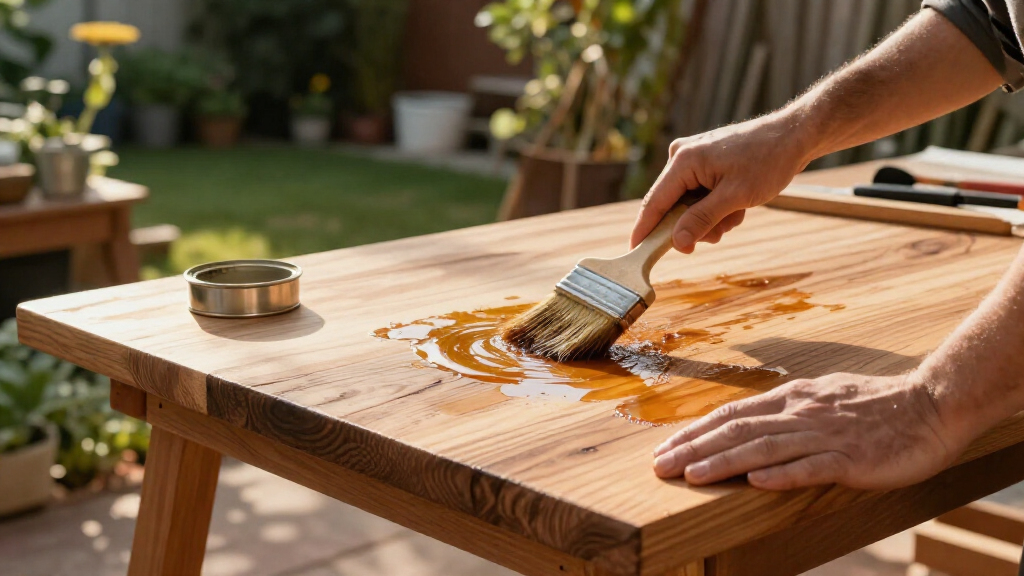
I evaluated these finishes based on three primary criteria: protection level, ease of application, and visual impact. Protection was judged by the finish’s resistance to water, heat, and abrasion, distinguishing between surface films and penetrating oils. Ease of application considered drying time, cleanup requirements (water vs. solvent), and the likelihood of application errors like brush marks or bubbles. Visual impact focused on how the finish alters the wood’s color, with clear finishes tested for yellowing and oil finishes for grain enhancement.
The ranking logic prioritizes versatility for the average DIYer. Products that offer a balance of durability and user-friendliness, such as water-based polyurethanes, rank higher than specialized products requiring expert technique or frequent maintenance. I also considered the availability of the products and their consistency across different wood species, ensuring that the recommendations hold up in real-world scenarios rather than just ideal laboratory conditions.
| wood finishe | Base |
|---|---|
| Minwax Polycrylic Protective W | Water-based |
| SENVEN Water-Based Polyurethan | Water-based polyurethane |
| Watco Natural Danish Oil Wood | Oil-based oil-and-varnish formula |
| Hope’s 100% Pure Tung Oil Wood | — |
| COATEZ Brown Walnut Wood Stain | — |
| Varathane Triple Thick Polyure | Water-based |
| Minwax Clear Polycrylic Water- | Water-based |
| Minwax Polycrylic Protective F | Water-based |
| Natura Onecoat Wood Stain Oil | — |
| Minwax Wood Finish | Oil-based |
| Rubio Monocoat Oil Plus 2C Woo | — |
| Minwax Fast-Drying Polyurethan | Oil-based |
| Tried & True Original Wood Fin | — |
Factors to Consider When Choosing Best Wood Finishes
Selecting a wood finish is not just about picking a brand; it is about matching the chemical properties of the finish to the specific stresses your project will face.Film-Forming vs. Penetrating Finishes
Understanding the fundamental difference between these two categories is the most important step in your selection process. Film-forming finishes like polyurethane and varnish create a protective layer on top of the wood, offering superior resistance to water, alcohol, and scratches. In contrast, penetrating finishes like tung oil and Danish oil soak into the wood fibers, hardening from within to enhance the grain and provide a more natural, tactile feel. While film-formers are better for tables and floors that see heavy use, penetrating oils are ideal for cutting boards, decorative items, and furniture where you want to feel the texture of the wood. The tradeoff is maintenance: film-formers are harder to repair if scratched, often requiring sanding down the entire surface, whereas penetrating oils can be spot-repaired easily by applying more oil to the affected area.
Water-Based vs. Oil-Based Chemistry
The solvent carrier in your finish dictates cleanup, drying time, and long-term appearance. Water-based finishes dry quickly (often in under two hours), clean up with soap and water, and remain clear over time, making them perfect for light woods like maple or birch. Oil-based finishes take much longer to dry (24 hours or more), require mineral spirits for cleanup, and impart a warm, amber tone that enhances darker woods like walnut or mahogany. However, oil-based products are increasingly difficult to find in some regions due to environmental regulations and can yellow noticeably on light-colored woods. If you are working on a project with tight deadlines or in a poorly ventilated space, water-based options are the safer and more convenient choice, despite traditionally having slightly lower durability than their oil-based counterparts.
The Impact of Sheen on Aesthetics
Sheen level is not merely a cosmetic preference; it directly influences how the wood’s surface imperfections are perceived. High-gloss finishes reflect light uniformly, highlighting the depth and figure of the wood but also exposing every dent, scratch, and uneven sanding mark. Matte and satin finishes diffuse light, which helps conceal surface flaws and creates a more contemporary, understated look. For furniture that will see regular handling, such as coffee tables or desks, satin is often the best compromise, offering some sheen without highlighting wear patterns. Beginners should generally avoid high gloss until they have mastered sanding techniques, as it is unforgiving of preparation errors. Conversely, if you are showcasing a highly figured veneer or exotic wood, a higher sheen can accentuate the natural beauty that would otherwise be lost in a matte finish.
Application Method and Tool Requirements
Different finishes require different tools and techniques, which can impact both the cost of your project and the difficulty level. Brush-on polyurethanes are forgiving for beginners but can leave brush marks or bubbles if applied too heavily or quickly. Wipe-on finishes like Danish oil or tung oil are much easier to apply evenly with a rag, reducing the risk of streaks, but they often require multiple coats to build up adequate protection. Spray finishes offer the smoothest result but require dedicated equipment, masking, and a controlled environment to avoid overspray. When choosing a product, consider your existing toolset and skill level; if you do not own a sprayer or quality brushes, a wipe-on oil finish might yield better results with less frustration than a high-end polyurethane applied with the wrong tools.
Curing Time vs. Drying Time
Most buyers confuse drying time with curing time, leading to premature use of finished projects and damaged surfaces. Drying time is when the solvent evaporates and the finish is dry to the touch, while curing time is when the finish reaches its maximum hardness and chemical resistance. Water-based polyurethanes may dry in two hours but can take up to two weeks to fully cure. Oil-based finishes and oils like tung oil have longer drying times but may cure faster in terms of achieving water resistance depending on the formulation. Planning your project timeline around the cure time, not just the dry time, is essential for durability. Rushing this process often results in soft spots, cloudiness, or adhesion failure when the item is used or stored immediately after application.
Frequently Asked Questions
Can I apply water-based polyurethane over oil-based stain?
Yes, you can apply water-based polyurethane over oil-based stains, but you must allow the stain to dry completely, which typically takes 24 to 48 hours depending on humidity and temperature. If you apply the topcoat too soon, the water-based finish may not adhere properly, leading to peeling or cloudiness. It is also wise to lightly sand the stained surface with fine-grit sandpaper (220-grit) to create a mechanical bond, wiping away all dust before application. Always test a small, hidden area first to ensure compatibility and desired color depth, as water-based finishes can sometimes raise the grain or slightly alter the stain color.
Why does my clear finish look milky or cloudy after drying?
Cloudiness or a milky appearance is usually caused by moisture trapped under the finish, which happens if you apply the product in high humidity or over a damp wood surface. Another common cause is applying the finish too thickly, which traps air bubbles that scatter light and create a hazy look. To fix this, you may need to sand the affected area back to a smooth surface and reapply in thin, even coats during drier conditions. Ensuring proper ventilation and allowing adequate drying time between coats helps prevent this issue. If the problem persists, check if the product was expired or stored improperly, as old finishes can degrade and fail to clear properly.
Is Danish oil good enough for a kitchen table?
Danish oil is not recommended for kitchen tables that see regular use with water glasses, hot plates, or food preparation because it offers limited resistance to water rings and heat. While it provides a beautiful, natural look and easy repairability, the film it forms is thin and can be compromised by alcohol, solvents, or prolonged moisture exposure. For a kitchen table, a hard-wearing film-forming finish like polyurethane or a specialized hard wax oil is a better choice. If you love the look of oil, consider using a high-quality tung oil or a hybrid product designed for durability, but be prepared for more frequent maintenance and the use of coasters and trivets.
Do I need to sand between coats of polyurethane?
Yes, sanding between coats of polyurethane is critical for achieving a smooth, professional-looking final surface. Each coat can raise the wood grain or trap small dust particles, creating a rough texture that becomes more pronounced with each subsequent layer. Lightly sanding with 220-grit or higher sandpaper after each coat dries removes these imperfections and provides a mechanical key for the next coat to adhere to. Be sure to remove all sanding dust with a tack cloth before applying the next layer. Skipping this step often results in a gritty, uneven finish that cannot be polished out effectively later.
Which finish is safest for food-contact surfaces like cutting boards?
Only finishes specifically labeled as food-safe should be used on cutting boards or items that come into direct contact with food. Pure tung oil and mineral oil are the most common and safest options because they cure to a non-toxic state and are resistant to bacterial growth when maintained properly. Avoid polyurethanes, varnishes, and stains on cutting boards, as these create a plastic-like film that can chip into food and harbor bacteria in the cracks. Tried & True Original Wood Finish is a popular choice for this application because it combines polymerized linseed oil with beeswax to create a durable, food-safe barrier that is easy to reapply.
Conclusion
Choosing the best wood finishes comes down to balancing protection with aesthetics and ease of use. For most indoor furniture and crafts, Minwax Polycrylic Protective Wood Finish is the best overall pick due to its clear finish, fast drying time, and user-friendly cleanup. If you are a beginner looking for a forgiving application process, Watco Natural Danish Oil offers a simple wipe-on method that is hard to mess up, though it requires more frequent reapplication. For those seeking a premium, low-maintenance solution with a natural look, Rubio Monocoat Oil Plus 2C is the top choice, offering professional-grade results with minimal effort once the technique is mastered. Finally, for high-traffic floors or outdoor furniture needing maximum durability, Varathane Triple Thick Polyurethane provides the toughest shield against wear and tear. Match the finish to your project’s specific needs, and you will achieve lasting beauty and protection.