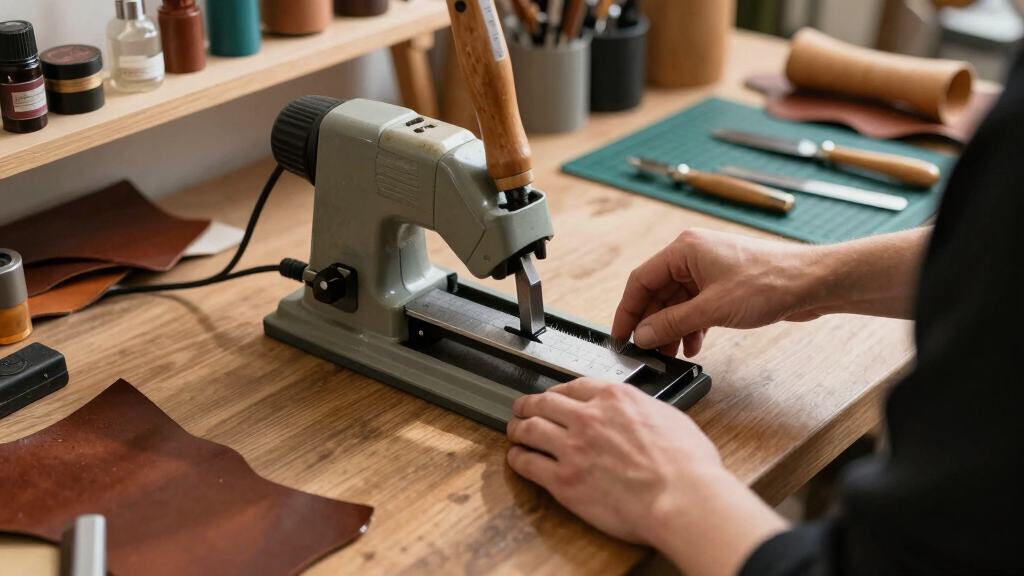
Finding the best leather splitter machine for crafts involves balancing power, precision, and affordability. The YaeTek Manual Leather Skiver stands out for its versatility and sharp blades, making it ideal for hobbyists who want control. The C.S. Osborne Splitting Machine #86 offers professional-grade durability for serious leatherworkers, though it comes at a higher price. Most options require tradeoffs between ease of use and capacity, with some models better suited for small-scale projects and others for frequent, heavy-duty use. Continue reading for a detailed comparison to help you pick the right machine for your needs.
Key Takeaways
- The top picks balance blade sharpness, build quality, and ease of operation, with no single model excelling in all areas.
- Manual models often offer better control for detailed work but require more effort, while powered machines speed up processing at a higher cost.
- Durability and blade replacement ease are key factors influencing long-term value and maintenance costs.
- Size and weight matter: smaller, lighter models are more portable, but larger ones provide greater capacity and stability.
- Price varies significantly; investing in a higher-quality machine can save money on replacements and repairs over time.


More Details on Our Top Picks
YaeTek Manual Leather Skiver Leather Splitter Leather Paring Machine Leather Craft Edge Skiving Machine with 18 Blades
This manual skiver from YaeTek stands out for its strong metal construction and user-friendly design, making it suitable for both beginners and experienced crafters. Its 18 blades offer a good range of cutting options, and the overall build quality ensures durability. Compared with the C.S. Osborne splitter, it’s lighter and easier to handle, but may lack the fine-tuning precision of higher-end models. This makes it a practical choice for hobbyists who want reliability without complexity. The included blades and rollers enhance versatility, yet the manual operation demands some effort, which could be tiring during extended use.
Pros:- Strong metal construction for durability
- Includes 18 blades for versatile trimming
- Easy for beginners to operate
Cons:- Manual operation can be tiring for long sessions
- Limited fine adjustment compared to professional models
Best for: DIY leather crafters seeking a safe, versatile, and easy-to-operate machine
Not ideal for: Professionals requiring ultra-precise splitting or high-volume production, as the manual effort may be limiting
- Material:Metal
- Blade Count:18
- Operation Type:Manual
- Included Accessories:Blades, rollers, spanner
- Safety Features:Sturdy construction, safety package
Bottom line: This skiver is best suited for hobbyists and beginners who want a reliable, easy-to-use machine with flexible blade options.
C.S. Osborne Splitting Machine #86 Professional Leather Splitter Made in USA
The C.S. Osborne #86 is renowned for its sturdy cast iron frame and precise adjustment capabilities, making it ideal for professional leather workers. Its 6-inch hollow ground blade provides a sharp, clean cut, and the fine tuning adjustment helps achieve consistent thickness across multiple pieces. Unlike the YaeTek model, it’s heavier and more stable, but this means less portability and a higher price point. It’s best suited for shops or serious hobbyists who need a reliable, high-precision splitter, though the weight and complexity could be a drawback for casual users.
Pros:- Sturdy cast iron frame for stability
- Precise fine-tuning adjustment
- Made in USA with available replacement parts
Cons:- Heavy at 6 lbs, less portable
- Higher cost may be prohibitive for hobbyists
Best for: Leather artisans and small workshop owners demanding consistent, high-quality splits
Not ideal for: Casual hobbyists or those with limited space, due to its weight and higher price
- Material:Cast iron
- Blade Size:6 inches
- Adjustment Type:Fine tuning
- Made In:USA
- Weight:6 lbs
Bottom line: This machine is best for professionals or dedicated hobbyists who prioritize precision and durability over portability and price.
Leather Skiver Splitter with Pulling Handle – Aluminum Alloy Tool for DIY Leather Thinning
This aluminum alloy skiver excels in ergonomic design, thanks to its pulling handle that reduces hand fatigue during extended use. Its adjustable thickness feature up to 3 inches wide makes it highly customizable for various projects like watch straps or belts. While it offers excellent control and durability due to CNC machining, it has a learning curve that might challenge beginners. Compared with manual machines like the YaeTek, it provides more precise control, but its narrower work width limits larger projects. This pick is ideal for craft enthusiasts who value comfort and adjustable performance in small-scale projects.
Pros:- Ergonomic gripping handle reduces effort
- Adjustable thickness up to 3 inches wide
- Made from durable CNC-machined aluminum alloy
Cons:- Steeper learning curve for beginners
- Limited to narrower leather widths
Best for: DIY leatherworkers focusing on small, detailed projects requiring precision and comfort
Not ideal for: Large-scale production or soft, wide leather pieces, as it’s limited to 3-inch widths
- Material:Aircraft-grade aluminum alloy
- Adjustable Width:Up to 3 inches
- Dimensions:6.3 x 5.1 x 4.3 inches
- Weight:2.2 pounds
- Model Number:PGD100
Bottom line: This tool is perfect for craft-minded DIYers who need precise, comfortable control for small leather projects.
YaeTek 6″ DIY Leather Skiver Peeler Splitter Shovel Skin Skiving Paring Peeling Machine
This hand-operated YaeTek skiver is designed for thin, plant-tanned leathers less than 7cm wide. Its stainless steel construction offers durability, but the manual lifting and peeling can be tiring over time. Compared with larger or powered splitters, it provides excellent control for small projects, but its limited width makes it unsuitable for thicker or wider leathers. It’s ideal for hobbyists working on small accessories, yet not recommended for soft, flexible skins or larger pieces that require broader or softer cuts.
Pros:- Stainless steel for durability
- Adjustable cutting thickness
- Good control for small-scale projects
Cons:- Limited to less than 7cm width
- Requires manual effort, which can be tiring
Best for: Craftspeople working on small, detailed projects with thin plant leather
Not ideal for: Large or soft leather pieces, as it cannot handle widths over 7cm or ultra-soft materials
- Material:Stainless steel
- Max Width:7 cm
- Operation:Manual
- Suitable Leather:Plant-tanned
- Included:Handle, screws
Bottom line: This skiver is best for hobbyists focusing on precise, small-area thinning of plant leather, but unsuitable for larger or softer leathers.
Leather Splitter, Leather Skiver Peeler, Manual Skiving Machine, Peeling Thinning Paring Machine Skiver with Blades for DIY Leathercrafting Tools
This large, stainless steel manual splitter features a sturdy clamp and five sharp blades, making it suitable for a variety of leather thinning tasks. Its adjustable screws allow for a range of thicknesses, from very thin to thicker cuts, and the included clamp helps stabilize the workpiece, improving safety and precision. Compared with the YaeTek manual skiver, it offers more control and stability for detailed work, but its size and manual operation mean it’s less ideal for high-volume production. It’s especially suitable for hobbyists or small workshops needing flexible, adjustable tools for different projects.
Pros:- Adjustable thickness via screws
- Sturdy stainless steel construction
- Includes fixing clamp for stability
Cons:- Requires manual operation, which can be tiring
- Limited to leather widths under 18cm
Best for: Amateur leather crafters and small-scale workshops needing adjustable, stable skiving tools
Not ideal for: Large-scale manufacturing or soft, ultra-thin leathers that require powered or more delicate equipment
- Material:Stainless steel
- Adjustable Range:5-38mm thickness
- Max Width:18cm
- Operation:Manual
- Included Accessories:Clamp, blades, screws
Bottom line: This machine is ideal for small workshops or hobbyists needing adjustable, stable control for a variety of leather thinning tasks.
Manual Leather Skiver Paring Machine DIY Leather Peeling Tools 6″ Cutting Blade Shovel Skin Machine
This manual skiving machine excels in providing precise, controlled peeling, especially for small projects where accuracy matters. Its side lock feature makes it easier to use two hands, reducing fatigue during extended work sessions. Unlike larger, more industrial models like the C.S. Osborne #86, this unit is designed for hobbyists and small-scale crafters, with adjustable thickness for tailored results. However, its 7cm width limit and incompatibility with ultra-soft leather mean it isn’t suitable for larger or softer materials. The stainless steel shaft and high-speed steel blade ensure durability and clean cuts, making this a great choice for detailed work. The tradeoff is that it requires manual effort, which might be tiring for prolonged use. Overall, this pick makes the most sense for crafters focusing on small projects needing fine control, rather than high-volume production.
Pros:- High precision control for detailed skiving
- Adjustable thickness for versatile projects
- Durable stainless steel shaft and steel blade
Cons:- Limited to 7cm leather width, restricting larger pieces
- Requires manual effort, which can be tiring for prolonged use
Best for: Small-scale leather crafters and hobbyists needing precise, manageable skiving tools.
Not ideal for: Professional workshops or large-volume producers who require bigger capacity and faster throughput.
- Blade Length:6 inches (15cm)
- Cutting Width:Up to 7cm
- Material:Stainless steel shaft
- Blade Material:High-speed steel
- Adjustability:Yes
- Lock Mechanism:Side lock for handle
Bottom line: This tool suits hobbyists and small craftspeople seeking precise, easy-to-handle leather skiving, with the tradeoff of manual effort and size limits.
Professional Craft Leather Paring Machine, Edge Skiving Machine Leather Splitter Skiver
This professional-grade skiving machine offers excellent stability and precise structure, making it ideal for serious leather artisans. Its straightforward design means you can use it immediately upon receipt, unlike some models such as the YaeTek with multiple blades requiring more setup. It handles up to 35mm width, providing more capacity than the smaller manual options, and the blade is a common type that’s easy to replace or sharpen locally. Its robust structure results in less effort needed, even for thicker or tougher leathers, and its no-assembly design saves time. The main tradeoff is its higher cost and bulk—it’s better suited for dedicated craft spaces than casual or occasional use. Compared to the YaeTek 6″ model, this offers a bigger cutting capacity and greater stability, making it the go-to for consistent professional results.
Pros:- Excellent stability and structural precision
- No assembly required—ready to use out of the box
- Handles thicker leather up to 35mm width
Cons:- Higher price point, less accessible for casual users
- Bulkier and heavier, less portable
Best for: Professional leather crafters and serious hobbyists who prioritize precision, stability, and larger capacity.
Not ideal for: Beginners or casual hobbyists who need a lightweight, compact tool for occasional use.
- Max Width:35mm
- Blade Type:Standard, easily replaceable
- Material:Heavy-duty metal construction
- Ease of Use:No assembly required
- Weight:Heavier, more stable
- Adjustability:Yes
Bottom line: This machine is ideal for professional or high-volume crafters seeking a stable, accurate, and ready-to-use skiving tool, with the tradeoff of size and cost.
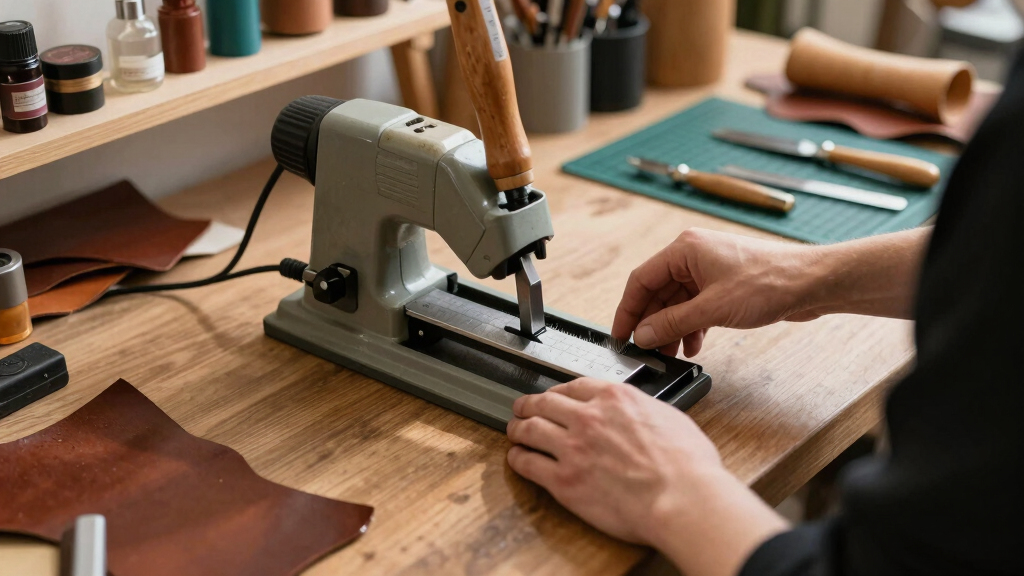
How We Picked
The products in this roundup were selected based on performance, build quality, ease of use, and value for craft-focused leatherworkers. We prioritized models with sharp, durable blades and stable frames to ensure clean, consistent cuts. Ease of operation was also key, especially for hobbyists or small workshops that need straightforward tools. Price was considered, but only when paired with quality features that justify the cost. The ranking reflects a balance of affordability, craftsmanship, and practical design suited for craft projects, not industrial use.Factors to Consider When Choosing Best Leather Splitter Machine For Crafts
Choosing the right leather splitter machine for crafts involves weighing several factors that impact usability, durability, and final results. Understanding these considerations can help you avoid common pitfalls like buying a machine that’s too powerful or too small for your projects. Think about your typical workload, budget, and experience level to find a model that fits your needs without unnecessary complexity.Power and Capacity
Evaluate how much leather you plan to process regularly. Manual models are suitable for small, detailed projects, while powered splitters can handle thicker or larger pieces faster. A machine with adjustable thickness settings offers versatility, allowing you to work on different types of leather without switching tools. Overestimating capacity can lead to buying a machine too large or expensive, while underestimating can limit your project scope.
Blade Quality and Replacement
High-quality, sharp blades are essential for clean cuts and minimizing leather waste. Check if blades are easily replaceable or adjustable—this can significantly affect maintenance costs and machine lifespan. Some models come with multiple blades or the ability to switch between different cutting widths, adding value for varied crafts. Be cautious of cheaper blades that dull quickly, forcing frequent replacements and increasing long-term expenses.
Ease of Use and Ergonomics
Depending on your skill level and project volume, ease of operation can be a deciding factor. Manual models often require significant manual effort, which can be tiring over time. Powered machines reduce effort but may involve a learning curve or require electricity and maintenance. Look for features like comfortable handles, simple adjustment mechanisms, and clear instructions to ensure smooth operation and reduce fatigue.
Size, Portability, and Storage
The physical footprint of your machine affects where and how you can use it. Smaller, lightweight models are easier to move and store, ideal for hobbyists or limited workspace. Larger, heavier machines offer greater stability and capacity but require more dedicated space. Consider your workspace size and whether portability is a priority before making a decision.
Price and Long-term Value
While budget is always a factor, investing in a slightly more expensive machine with better build quality and blades can lower costs over time. Cheaper models might seem attractive initially but often lack durability or require frequent replacements. Balance your current budget with the potential for future upgrades or replacements, aiming for a model that offers good value based on your project needs.
Frequently Asked Questions
Can I use a leather splitter machine for all types of leather?
Most leather splitter machines are versatile enough to handle a variety of leather types, including vegetable-tanned, chrome-tanned, and thinner craft leathers. However, very thick or stiff leathers may require a more powerful or specialized machine. Always check the maximum thickness capacity and blade sharpness before attempting to process tougher materials, as using the wrong machine can damage blades or produce uneven results.
How often do blades need to be replaced or sharpened?
The frequency of blade maintenance depends on usage and leather type. For regular craft projects, blades can last several months before dulling, but frequent sharpening or replacement is needed for heavy use. Proper cleaning and storage also extend blade life. Investing in high-quality blades initially can reduce long-term costs, and many models allow easy swapping or sharpening, making maintenance straightforward.
Is a powered leather splitter worth the extra cost for hobbyists?
For occasional or small-scale projects, manual models often suffice and are more budget-friendly. Powered splitters significantly speed up the process and reduce effort, making them worthwhile if you frequently work with large quantities or thicker leather. However, they require an electrical outlet, more maintenance, and a higher upfront investment. Weigh your project volume and comfort with powered tools before deciding.
What features should I prioritize if I’m new to leather crafting?
Beginners should look for models with straightforward adjustments, clear instructions, and safety features. Manual models with simple blade height controls help develop skill and understanding of the process. Avoid overly complex machines that can be intimidating or difficult to operate without experience. Starting with a reliable, easy-to-maintain model ensures you learn the craft without frustration.
How important is brand reputation when choosing a leather splitter?
Brand reputation often reflects build quality, customer support, and availability of replacement parts. Well-known brands typically provide more durable products and better after-sales service, which is important for long-term use. However, lesser-known brands can sometimes offer good value, so reading reviews and considering warranty terms can help you make a balanced decision based on quality and price.
Conclusion
If you are just starting out or working on small, detailed projects, the YaeTek Manual Leather Skiver offers excellent control and affordability. For those requiring professional-grade durability and capacity, the C.S. Osborne Splitting Machine #86 is a solid investment, especially in a workshop setting. Budget-conscious crafters will appreciate the value of manual or smaller powered models, while experienced leatherworkers needing heavy-duty performance should consider premium options with advanced features. Ultimately, your choice should match your project scope, frequency, and comfort with powered tools to get the best results in your leather crafting endeavors.