
As a space enthusiast, I know how important long battery life and great displays are for stargazing and exploring space software. I recommend models like the ACEMAGIC 2024 and 2025 setups, which offer large screens, powerful processors, and batteries that last up to 5 hours or more. Lightweight, durable designs help with outdoor use, and high-quality displays reduce eye strain during long sessions. Keep going to discover more about top picks tailored for your cosmic adventures.
Key Takeaways
- Prioritize laptops with large, high-resolution displays (17.3-inch FHD or larger) for immersive star chart viewing and detailed space analysis.
- Select models with long battery life (over 4 hours) like ACEMAGIC 2024 or ACEMAGIC 2025 for extended outdoor stargazing sessions.
- Opt for lightweight and portable designs such as 15.6-inch or slim metal bodies to facilitate easy transport during field astronomy.
- Focus on high-performance hardware (e.g., 12th Gen Intel Alder Lake, 16GB RAM) for smooth operation of space software and data processing.
- Consider durability features like anti-glare screens, durable shells, and versatile connectivity options for reliable outdoor use.
HP Flagship Laptop Computer with Windows 11 Pro and AI-Features


If you’re looking for a reliable laptop that combines portability with powerful features, the HP Flagship Laptop with Windows 11 Pro and AI capabilities is an excellent choice for stargazing enthusiasts who also need a versatile device for work or study. Weighing just over three pounds, it offers a sleek, durable design with a 14-inch anti-glare display perfect for outdoor use. Powered by an Intel quad-core processor and up to 32GB of RAM, it handles multitasking effortlessly. The long-lasting battery (up to 11.5 hours) and fast charging guarantee you’re ready for nights under the stars, whether you’re analyzing star charts or attending virtual astronomy classes.
Best For: students, professionals, and outdoor enthusiasts seeking a portable, durable laptop with robust performance and long battery life for work, study, or stargazing activities.
Pros:
- Lightweight and sleek design weighing just over three pounds for easy portability
- Long-lasting battery life up to 11.5 hours with fast charging capability
- Powerful hardware with up to 32GB RAM and Intel quad-core processor for multitasking and demanding applications
Cons:
- 128GB UFS storage may be limited for users with large data needs
- Non-touch HD display might not be ideal for creative or detailed visual work
- Some users report minor issues with mouse responsiveness and power button placement
ACEMAGIC 2025 AX16 16.0-inch Laptop with 16GB RAM and 512GB SSD
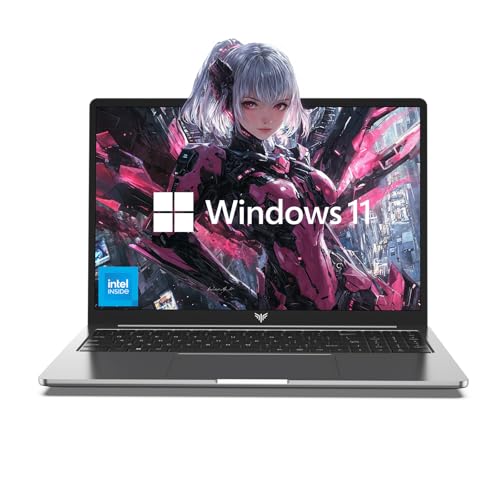
Are you looking for a laptop that combines powerful performance with portability for your stargazing adventures? The ACEMAGIC 2025 AX16 delivers with an Intel 12th Gen Alder Lake Quad-Core processor and integrated Intel UHD graphics, ensuring smooth multitasking and vivid visuals. It comes with 16GB DDR4 RAM and a 512GB SSD, offering fast performance and ample storage, expandable up to 2TB. Its 16-inch display provides immersive, crisp images. With an 8-hour battery life and a durable, compact metal shell, it’s perfect for nights under the stars. Plus, it includes unlimited support and versatile connectivity options to keep you connected on the go.
Best For: outdoor enthusiasts and students seeking a portable, high-performance laptop for both work and entertainment during their adventures under the stars.
Pros:
- Powerful Intel 12th Gen Alder Lake Quad-Core processor with integrated UHD graphics for smooth multitasking and vivid visuals
- 16GB DDR4 RAM and 512GB SSD ensure fast performance and ample storage, expandable up to 2TB
- Long-lasting 8-hour battery life combined with a durable, compact metal shell for portability and durability
Cons:
- Limited battery capacity may not suffice for extended use without recharging in very remote locations
- The display, while immersive, may be less bright for outdoor use in direct sunlight
- Connectivity options like WiFi 5 may be slightly outdated compared to newer standards such as WiFi 6
ACEMAGIC 2024 17.3-Inch FHD Laptop with 12th Gen Quad-Core Processor

The ACEMAGIC 2024 17.3-Inch FHD Laptop with a powerful 12th Gen Quad-Core Processor is an excellent choice for stargazing enthusiasts who want a portable device capable of running astronomy software and managing star maps with ease. Its large 17.3-inch FHD display provides immersive viewing, while the lightweight design makes it easy to carry in the field. With 16GB RAM, a fast SSD, and Intel UHD Graphics, it handles multitasking and graphic tasks smoothly. The battery lasts up to 5 hours, supporting extended stargazing sessions. Connectivity options like HDMI and USB-C ensure seamless connection to external devices, making it a versatile tool for space enthusiasts.
Best For: Stargazing enthusiasts seeking a portable, high-performance laptop capable of running astronomy software and managing star maps effortlessly.
Pros:
- Large 17.3-inch FHD display offers immersive viewing experience perfect for astronomy applications
- Lightweight design (6.14 pounds) enhances portability for field use during stargazing sessions
- Fast 12th Gen Quad-Core Processor, 16GB RAM, and SSD ensure smooth multitasking and quick data access
Cons:
- Customer reports of hardware issues such as hinge breakage and trackpad failures after several months
- Battery life of up to 5 hours may be limiting for extended outdoor stargazing without recharge options
- Support response times can vary, potentially delaying resolution of technical problems
ACEMAGIC 17.3 Laptop with Quad Core Processor (N97)
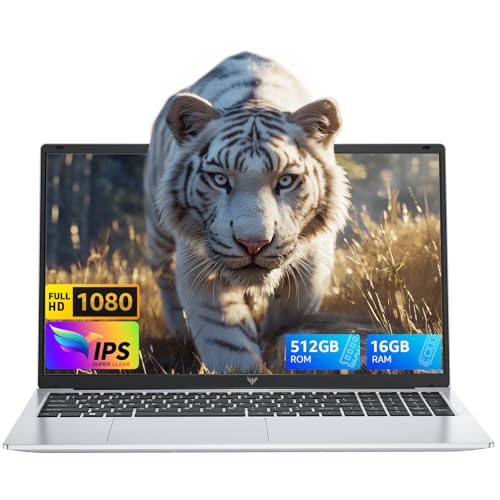
The ACEMAGIC 17.3-inch laptop stands out as an excellent choice for stargazing enthusiasts who want a portable device with a large, immersive display. Its 12th Gen Alder Lake N97 processor offers solid performance for multitasking, streaming, and light editing. Equipped with 16GB RAM and a 512GB SSD, it handles multiple apps smoothly. The FHD IPS screen delivers bright, clear visuals, perfect for relaxing under the stars. While its battery lasts around five hours, I appreciate its lightweight metal chassis for portability. Overall, it’s a budget-friendly option that balances decent performance and a large display, making it suitable for casual astronomers on the go.
Best For: casual users seeking a large, portable, and affordable laptop for everyday tasks, streaming, light editing, and entertainment on the go.
Pros:
- Large 17.3-inch FHD IPS display for immersive viewing experience
- Efficient 12th Gen Alder Lake N97 processor with 16GB RAM for multitasking
- Lightweight metal chassis (3.52 pounds) enhances portability and durability
Cons:
- Lack of touchscreen and backlit keyboard features
- Battery life of around five hours may be limited for extended use
- Some concerns about build quality and compatibility of USB-C charging
New Laptop with 15.6″ FHD Display, 8GB RAM, 256GB SSD

A 15.6-inch FHD IPS display makes this laptop an excellent choice for stargazing enthusiasts who want clear, vibrant visuals during late-night sessions. Its detailed 1920×1080 resolution ensures sharp images, perfect for observing star charts or space documentaries. Powered by an 11th Gen N5095 Quad-Core processor, it handles multitasking smoothly, while 8GB of DDR4 RAM keeps everything responsive. The 256GB NVMe SSD offers blazing-fast read/write speeds, reducing load times. With built-in dual-band WiFi and Bluetooth 4.2, connectivity is seamless. Plus, features like Type-C fast charging and multiple ports make this laptop both portable and versatile for your space adventures.
Best For: students, professionals, and space enthusiasts seeking a portable laptop with vibrant display and fast performance for multitasking and media consumption.
Pros:
- Sharp 15.6-inch FHD IPS display delivers vibrant, detailed visuals perfect for observing space content.
- Fast 11th Gen N5095 processor combined with 8GB RAM ensures smooth multitasking and responsiveness.
- Rapid 256GB NVMe SSD significantly reduces load times with read/write speeds up to 2000MB/s.
Cons:
- Integrated UHD Graphics may not support high-end gaming or advanced graphic design tasks.
- Limited to 256GB storage, which might require external drives for extensive data storage.
- No dedicated GPU, potentially affecting performance in graphics-intensive applications.
17.3-Inch Laptop with 16GB RAM and 512GB SSD
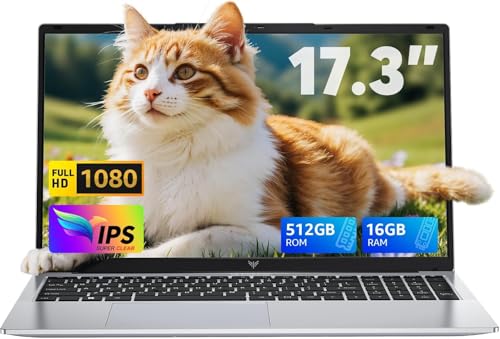
If you’re looking for a compact yet powerful laptop to enhance your stargazing experience, this 3-inch model with 16GB RAM and a 512GB SSD is an excellent choice. Despite its small size, it features a 17.3-inch IPS FHD display with vibrant colors and immersive visuals, perfect for viewing star maps or space data. Its Intel N97 processor and ample RAM handle multitasking smoothly, while the fast SSD ensures quick access to files. The device offers multiple ports, WiFi, and Bluetooth, making it versatile for mobile setups. Its slim profile and lightweight design make it easy to carry, letting you enjoy space exploration anywhere.
Best For: students, business professionals, and space enthusiasts seeking a portable, high-performance 17.3-inch laptop with vibrant visuals and multitasking capabilities.
Pros:
- Large immersive 17.3-inch FHD IPS display with vibrant color clarity
- 16GB RAM and 512GB SSD ensure fast multitasking and quick data access
- Portable and lightweight design with multiple connectivity options
Cons:
- Battery life of approximately 5 hours may be limited for extended on-the-go use
- Slightly heavy at around 5.99 pounds for ultraportability
- The 12th gen Intel N97 processor, while powerful, may be overkill for basic tasks and could impact battery efficiency
Laptop Computer with 15.6″ HD Display, 12GB RAM, 512GB SSD, UHD Graphics, Celeron N5095 Processor

This laptop’s 15.6-inch HD display with an ultra-slim bezel provides a clear and immersive viewing experience, making it an excellent choice for stargazing enthusiasts who want to enjoy celestial visuals without sacrificing portability. Its 12GB RAM ensures smooth multitasking, perfect for running astronomy apps or browsing star charts. The 512GB SSD offers fast storage, with room for your files and software. Powered by a Celeron N5095 processor and Intel UHD Graphics, it handles light graphic tasks and casual use efficiently. Weighing around 3 pounds, it’s lightweight and portable, ideal for travel and outdoor observations. Battery life averages six hours, supporting longer stargazing sessions on the go.
Best For: casual users, students, and hobbyists seeking an affordable, portable laptop suitable for light productivity, browsing, and basic graphic tasks.
Pros:
- Lightweight and portable at around 3 pounds, ideal for travel and outdoor use
- Fast SSD storage and 12GB RAM for smooth multitasking and quick data access
- Affordable price point with a modern, sleek design and immersive 15.6-inch display
Cons:
- Limited processing power with Celeron N5095, not suitable for heavy multitasking or demanding applications
- Average battery life of about 6 hours, which may not suffice for extended outdoor sessions
- Software bugs and hardware limitations, such as potential freezes and lack of touchscreen or biometric security
NIMO 15.6″ FHD Laptop with 16GB RAM and 1TB SSD

The NIMO 15.6″ FHD Laptop stands out as an excellent choice for stargazing enthusiasts who need a reliable machine for astrophotography, star charting, or streaming celestial events. It features a durable metal shell built to last, with a 15.6-inch anti-glare display that reduces eye strain while delivering vibrant colors. Powered by a 12th Gen Intel Alder Lake processor, 16GB RAM, and a 1TB SSD, it offers fast performance and ample storage. Lightweight and portable, it includes Wi-Fi 6, Bluetooth 5.2, and a backlit keyboard, making it perfect for on-the-go astronomy sessions and long-term use.
Best For: Stargazing enthusiasts and astronomers seeking a reliable, portable laptop for astrophotography, star charting, and streaming celestial events.
Pros:
- Durable metal shell ensures long-term durability and ruggedness
- High-resolution 15.6″ FHD anti-glare display reduces eye strain and provides vibrant colors
- Powerful 12th Gen Intel Alder Lake processor with 16GB RAM and 1TB SSD for fast performance and ample storage
Cons:
- Limited to integrated graphics, which may not support high-end gaming or intensive 3D rendering
- Slightly heavier than ultra-lightweight laptops, potentially impacting portability for some users
- No dedicated GPU, which could limit performance in graphics-intensive applications
Laptop Computer 15.6in with Backlit Keyboard, 1TB SSD, 16GB RAM

When I need a reliable laptop for late-night stargazing sessions, the 15.6-inch FIREBAT model stands out with its backlit keyboard, making it easy to work or browse even in dim environments. It’s powered by the latest Intel 13th Gen Twin Lake N150 processor, delivering lightning-fast performance for multitasking and media. The 15.6-inch IPS FHD display offers sharp images and rich colors, perfect for viewing star maps or streaming space documentaries. With 16GB RAM and a 1TB SSD, I get quick load times and plenty of storage. Its slim design and long-lasting 38Wh battery make it ideal for extended sessions, whether indoors or outdoors.
Best For: students, professionals, and light gamers seeking a reliable, high-performance laptop with excellent display and long battery life for everyday use and multimedia.
Pros:
- Fast and efficient performance with Intel 13th Gen Twin Lake N150 processor
- Bright and sharp 15.6-inch IPS FHD display with vivid colors
- Large 16GB RAM and 1TB SSD for smooth multitasking and ample storage
Cons:
- Battery life may vary with heavy usage due to 38Wh capacity
- Limited upgrade options beyond 32GB RAM
- No dedicated graphics card, which may affect high-end gaming or intensive graphic tasks
NIMO 15.6″ FHD Laptop with 16GB RAM and 1TB SSD

If you’re looking for a portable yet powerful laptop to enhance your stargazing experiences, the NIMO 15.6″ FHD Laptop stands out with its bright, vibrant display and reliable performance. Its 1920×1080 anti-glare screen offers excellent color accuracy and reduces eye strain, perfect for late-night observations. Powered by an Intel Alder Lake-N100 12th Gen processor and 16GB RAM, it handles multitasking smoothly. The 1TB SSD ensures fast data access and quick boot times. Its lightweight design and durable metal shell make it easy to carry, while expandable RAM and storage provide future-proofing. Overall, it combines portability, power, and durability for space enthusiasts.
Best For: users seeking a portable, high-performance laptop suitable for work, study, multimedia, and casual activities with an emphasis on durability and expandability.
Pros:
- Bright, vibrant 15.6-inch FHD anti-glare display with excellent color accuracy
- Powerful performance with Intel Alder Lake-N100 12th Gen processor and 16GB RAM
- Durable metal shell combined with lightweight design for portability
Cons:
- Battery life averages around 5 hours, which may be limited for extended use away from power sources
- Some users report only 3-4 hours of web surfing, indicating moderate battery endurance
- Limited pre-installed storage capacity (1TB SSD) may require upgrades for heavy data users
15.6-inch Laptop with 16GB RAM and 512GB SSD

A 6-inch laptop with 16GB RAM and 512GB SSD stands out as an excellent choice for stargazing enthusiasts who value portability without sacrificing performance. Its compact size makes it perfect for quick setup during outdoor sessions, while the powerful specs guarantee smooth multitasking and fast data access. The 16GB RAM handles multiple applications easily, and the 512GB SSD provides ample storage for star charts, astronomy apps, and media. Although the battery lasts around 5 hours, its lightweight design and modern features like Windows 11 make it a reliable companion for space explorers on the go. It’s a perfect blend of power and portability for stargazing adventures.
Best For: students, professionals, and casual users seeking a portable, high-performance laptop for work, streaming, and light gaming.
Pros:
- 15.6-inch Full HD IPS display with anti-glare coating for crisp visuals and reduced eye strain
- 16GB RAM and 512GB SSD ensure smooth multitasking and fast data access
- Lightweight and compact design (3.54 pounds) for portability on the go
Cons:
- Battery life around 5 hours may require frequent charging during extended use
- Integrated graphics limit performance for heavy gaming or demanding creative tasks
- Slightly larger size compared to ultra-compact devices might reduce pocketability
Laptop Computer with 15.6″ FHD IPS Screen, 12GB RAM, 512GB SSD, WiFi 2.4G+5G, 2 Years Warranty

This 15.6-inch FHD IPS laptop is an excellent choice for stargazing enthusiasts who want a portable device that combines vivid visuals with reliable performance. Its sleek stardust gray design is lightweight at around 3 pounds, making it perfect for travel and outdoor use. The thin-bezel display offers immersive, crisp images, reducing eye strain during long sessions. Powered by an Intel Jasper Lake N5095 processor and 12GB of RAM, it handles multitasking and media smoothly. The 512GB SSD ensures fast load times and ample storage, while Wi-Fi dual-band keeps you connected. Plus, it comes with a 2-year warranty, offering peace of mind for dedicated space lovers.
Best For: students, professionals, and travelers seeking a lightweight, high-resolution laptop with reliable performance for work, study, or leisure.
Pros:
- Sleek, modern stardust gray design with a lightweight, portable build (~3 pounds)
- Vibrant 15.6-inch FHD IPS display with thin bezels for immersive viewing and reduced eye strain
- Fast performance with Intel Jasper Lake N5095 CPU, 12GB RAM, and 512GB SSD for multitasking and quick load times
Cons:
- Battery life may drop significantly after initial use, with some users experiencing only 30 minutes of usage remaining
- Occasional hardware reliability issues reported, including system freezes and blue screen errors
- Customer support experiences are mixed, with some users unable to reach assistance when needed
ACEMAGIC 2024 17.3-Inch FHD Laptop with 16GB RAM and 512GB SSD

The ACEMAGIC 2024 17.3-Inch FHD Laptop stands out with its vibrant display and powerful performance, making it an excellent choice for stargazing enthusiasts who want to explore the night sky while staying productive. Its large 17.3-inch screen with 1920×1080 resolution offers crisp visuals, perfect for viewing star charts or watching space documentaries. Equipped with a 12th Gen Intel Alder Lake quad-core processor, 16GB RAM, and a 512GB SSD, it handles multitasking smoothly. The sleek silver design, lightweight build, and all-day battery capacity make it portable and reliable for extended stargazing sessions or casual space exploration.
Best For: space enthusiasts and students seeking a portable, high-performance laptop for both stargazing and productivity.
Pros:
- Vibrant 17.3-inch FHD display with crisp visuals ideal for space charts and media
- Powerful 12th Gen Intel Alder Lake processor with 16GB RAM ensures smooth multitasking
- Lightweight design with all-day battery life makes it portable for extended use
Cons:
- Some users have reported hardware issues or setup challenges that may require support assistance
- Battery life averaging 5 to 5.5 hours may be limited for very long stargazing sessions without charging
- Occasional reports of hardware failures and unresponsive support could impact long-term reliability
2025 Laptop with N97 CPU, 8GB DDR4 RAM, 256GB SSD, 15.6″ FHD IPS Display, 5000mAh Battery, Metal Body, Portable Slim Laptop

With its lightweight metal body and compact 15.6-inch FHD IPS display, the 2025 MALLRACE laptop is perfect for stargazing enthusiasts who need a portable device to explore star maps, astrophotography, or astronomy apps on the go. Powered by an N97 CPU and 8GB DDR4 RAM, it handles multitasking smoothly. The 256GB SSD ensures quick data access, while the 5000mAh battery offers over 4 hours of use, ideal for outdoor or travel sessions. Its slim, durable metal design makes it easy to carry without sacrificing build quality. Overall, this laptop combines performance, portability, and long battery life—making it a reliable tool for space lovers.
Best For: space enthusiasts and outdoor explorers who need a portable, high-performance laptop for star mapping, astrophotography, and astronomy apps on the go.
Pros:
- Lightweight metal body and slim profile for excellent portability and durability
- Powerful N97 CPU with 8GB RAM supports smooth multitasking and multimedia use
- Long battery life of over 4 hours ideal for outdoor or travel sessions
Cons:
- Limited battery life for extended use beyond 4 hours without charging
- Small 15.6-inch display may be less ideal for detailed star observations compared to larger screens
- No dedicated graphics card; integrated UHD Graphics may limit high-end gaming or intensive visual tasks
ACEMAGIC 2025 17.3-Inch FHD Laptop with 12th Gen Alder Lake N97, 16GB RAM, 512GB SSD

If you’re looking for a portable yet powerful laptop to support your stargazing projects, the ACEMAGIC 2025 17.3-Inch FHD model stands out with its robust 12th Gen Alder Lake N97 processor and 16GB of RAM. Its 17.3-inch FHD IPS display offers a spacious, clear view, perfect for analyzing star maps or space data. The 512GB SSD ensures fast performance and ample storage. With a 6000mAh battery supporting up to 5 hours of use, it balances portability and power. Its slim, metal design, combined with reliable cooling and multiple connectivity options, makes it an excellent choice for space enthusiasts on the go.
Best For: space enthusiasts and professionals seeking a portable, high-performance laptop for stargazing, analyzing star maps, and handling space data on the go.
Pros:
- Powerful 12th Gen Intel Alder Lake N97 processor with 16GB RAM for smooth multitasking
- Large 17.3-inch FHD IPS display provides clear, spacious viewing for detailed analysis
- Durable metal casing combined with a slim, lightweight design enhances portability and build quality
Cons:
- Battery life supports only up to 5 hours, which may be limited for extended outdoor use
- Limited to data transfer via data-only Type-C port, restricting peripheral options
- No dedicated GPU, which could impact performance for graphically intensive applications
Factors to Consider When Choosing Astronomy Laptops With High Battery Life
When selecting an astronomy laptop with high battery life, I focus on battery capacity and how long it can last during long stargazing sessions. I also consider power-efficient technologies and how they help extend usage, along with display settings that drain less power. finally, hardware weight and portability are key since I want a device that’s easy to carry without sacrificing performance.
Battery Capacity and Longevity
Choosing an astronomy laptop with long battery life starts with understanding its capacity, often measured in milliampere-hours (mAh) or watt-hours (Wh). Generally, higher capacity indicates longer usage between charges, which is vital when observing in the field. However, battery longevity also hinges on the laptop’s power efficiency, including hardware like processors and display technology that conserve energy during extended use. Real-world battery life can vary widely from manufacturer estimates, influenced by screen brightness, applications, and network activity. Larger capacity batteries, often lithium-ion or lithium-polymer, provide more hours of operation but can add weight and size. Selecting a laptop with advanced power management features and energy-efficient components helps maximize battery life, ensuring you can enjoy longer stargazing sessions without frequent recharging.
Power Efficiency Technologies
Have you ever wondered how some laptops last much longer on a single charge? Power efficiency technologies play a big role in that. ARM-based processors or low-voltage Intel chips cut down energy use, extending battery life during long stargazing sessions. Features like dynamic voltage and frequency scaling (DVFS) adjust performance based on workload, saving power when full speed isn’t needed. Advanced power management systems monitor components, shutting down or dimming non-essential parts to conserve energy. Using efficient display technologies such as OLED or low-brightness LCDs also helps reduce power drain during extended observations. Additionally, hardware like solid-state drives and energy-efficient Wi-Fi modules contribute to overall savings. Together, these technologies ensure your laptop operates longer, giving you more time to explore the cosmos without worrying about battery life.
Display Battery Consumption
Display technology and settings are key factors in how long your laptop’s battery lasts during long stargazing sessions. LED screens tend to be more energy-efficient than IPS displays, helping conserve power over extended use. Brightness levels also play a big role—cranking up the screen brightness can cut battery life by up to 30%, so keeping it lower helps prolong your session. Screen resolution matters too; higher resolutions like 4K consume more power than standard FHD displays. Features such as anti-glare coatings and matte finishes can reduce the need for maximum brightness, saving energy. Additionally, using power management settings like auto-dimming and display timeout can optimize battery life further by reducing display activity when you’re not actively viewing.
Processor Power Management
Efficient processor power management is essential for extending your laptop’s battery life during long stargazing sessions. Modern CPUs use dynamic voltage and frequency scaling (DVFS) to lower clock speeds when full performance isn’t needed, conserving energy. Adjusting power settings within the operating system helps control CPU activity, reducing background processes that drain the battery. Opting for processors with integrated power-saving features like Intel’s Speed Shift or AMD’s Precision Boost ensures a good balance between performance and efficiency, enabling longer use without overheating. Proper thermal management in processor design prevents overheating and minimizes the energy needed for cooling. All these factors work together to maximize battery life, making your astronomy laptop reliable for extended observation sessions without frequent recharging.
Hardware Weight and Portability
When choosing an astronomy laptop with long battery life, weight and portability are critical factors to contemplate. Lighter laptops, typically under 3 pounds, are easier to carry during extended stargazing sessions or fieldwork. Compact designs with slim profiles (less than 0.75 inches thick) make transportation convenient without sacrificing key features. The hardware weight also impacts battery efficiency; lighter devices often incorporate energy-efficient components that extend battery life. Additionally, portable laptops tend to feature rugged, durable shells, ensuring they withstand outdoor conditions and travel. Balancing weight and size allows for maximum portability, enabling astronomers to easily carry their devices for on-the-go star mapping and observations. Choosing the right lightweight, portable laptop enhances convenience and overall field performance.
Screen Brightness Settings
Adjusting screen brightness is one of the simplest yet most effective ways to extend your laptop’s battery life during long stargazing sessions. Lowering the brightness can cut power consumption of the display by up to 50%, substantially boosting your usage time. Many laptops have automatic brightness features that adjust based on ambient lighting, helping conserve power without sacrificing visibility. Using the highest brightness setting can drain the battery faster, often reducing your session by an hour or more. Dimming the display in outdoor or bright environments not only improves visibility but also helps preserve battery life. Additionally, some laptops include a dedicated battery saver mode that reduces brightness and background activity, further maximizing your remaining juice for those critical stargazing moments.
Software Optimization Practices
Selecting an astronomy laptop with high battery life requires careful attention to software optimization practices that can substantially extend usage time. I recommend managing background processes and disabling unnecessary startup programs, which reduces CPU load and conserves energy. Using power-efficient software settings, like dimming screen brightness and activating battery saver modes, makes a notable difference during long stargazing sessions. Choosing astronomy applications optimized for low CPU and GPU usage ensures minimal power drain while maintaining essential functionality. Regularly updating your software is vital, as updates often include energy-saving improvements and bug fixes that enhance battery efficiency. Additionally, employing system resource monitoring tools helps identify power-hungry processes, allowing you to close them promptly. These practices collectively optimize your laptop’s battery life, keeping you out under the stars longer.
External Power Compatibility
Ensuring your astronomy laptop can seamlessly connect to external power sources is essential for extended stargazing sessions, especially in remote locations. Look for models that support universal power adapters with voltage ranges from 100V to 240V, allowing reliable charging worldwide. Confirm the compatibility of the laptop’s charging port with standard external power banks or portable chargers that provide sufficient wattage to sustain high battery life. It’s also important to check if the device has a widely compatible DC input port, which simplifies connecting to various external power solutions without needing specialized adapters. Evaluate the power input specifications, including wattage and connector type, to guarantee external accessories deliver the necessary energy safely. Additionally, verify that compatible high-capacity portable chargers or solar-powered options are available for extended use in remote settings.
Frequently Asked Questions
What Is the Optimal Battery Capacity for Stargazing Sessions?
For stargazing sessions, I find a battery capacity of around 70 to 100 watt-hours ideal. This range typically provides 8 to 12 hours of use, depending on the laptop’s power consumption and activities like running astronomy software or viewing high-resolution images. I always choose laptops with larger batteries and energy-efficient components to make certain I can enjoy extended stargazing without constantly searching for power outlets.
How Does Screen Brightness Affect Battery Life During Astronomy Viewing?
Screen brightness has a big impact on battery life during astronomy viewing. When I lower the brightness, I notice my laptop lasts much longer, allowing me to enjoy longer stargazing sessions. Bright screens drain power quickly, especially in dark environments. So, I always keep the brightness at a comfortable, lower level when observing the night sky. This simple adjustment helps me maximize my laptop’s battery life during extended astronomy outings.
Are There Specific Laptop Features That Improve Outdoor Visibility?
Imagine holding a lantern in a dark forest—that’s how outdoor visibility on a laptop feels. To improve this, I look for laptops with anti-reflective screens, high brightness levels, and matte finishes. These features reduce glare and enhance clarity under moonlight or starlight. Brightness controls and outdoor modes also help, making sure I can see the stars clearly without straining my eyes, even under bright outdoor conditions.
Can Battery Performance Vary With Different Operating Systems?
Yes, battery performance can vary with different operating systems. I’ve noticed that Windows laptops often drain faster due to background processes and higher power demands, while macOS tends to be more efficient, extending battery life. Linux can be very power-efficient if configured properly. I recommend checking real-world battery tests for specific OS and models, as usage habits and software can markedly impact battery longevity during outdoor stargazing sessions.
How Long Do High-Performance Laptops Typically Last on a Single Charge?
You might think high-performance laptops are always running out of juice, but they can last quite a while on a single charge. Typically, I see them go between 4 to 8 hours, depending on usage and power settings. Heavy tasks like gaming or video editing drain it faster, while lighter activities stretch the battery longer. If you want to keep your laptop running smoothly during long stargazing sessions, optimize your power plan.
Conclusion
Imagine gazing up at a starry night, your laptop’s battery glowing softly beside you, prepared to capture the cosmos. With the right astronomy laptop, long-lasting power maintains your stargazing seamless, like a steady telescope pointing toward distant worlds. Whether you’re tracking planets or exploring nebulae, these laptops ensure your adventure never dims. So, pick one that matches your passion, and let your journey through the universe continue under the endless night sky.