
If you’re searching for the 8 best industrial thermal label printers for 2026, I recommend looking at models like Westinghouse, Rollo, HP, Arkscan 2054A, Zebra ZT410, Makeid D50, and DETONGER DT5150P. These printers excel in speed, durability, and media flexibility, making them ideal for high-volume shipping and rugged environments. Keep exploring to discover how each model can meet your specific needs and boost your workflow efficiency.
Key Takeaways
- Prioritize models with high-speed printing (6-14 in/sec) and high resolution (203-300 DPI) for efficient industrial workflows.
- Consider durability features like dustproof, weather-resistant bodies suitable for outdoor and harsh environments.
- Ensure compatibility with major shipping platforms and operating systems (Windows, macOS, Linux, Android).
- Opt for flexible media handling supporting labels up to 4×6 inches, various roll sizes, and continuous media options.
- Evaluate connectivity options such as Ethernet, Wi-Fi, and Bluetooth for seamless network integration and mobility.
| Westinghouse Thermal Shipping Label Printer (USB 4×6) |  | Best Overall | Connectivity: Ethernet and USB | Print Resolution: 203 DPI | Max Media Size: 4×6 inches | VIEW LATEST PRICE | See Our Full Breakdown |
| Rollo USB Thermal Shipping Label Printer |  | Best Value | Connectivity: USB only | Print Resolution: 203 DPI | Max Media Size: 1.57 to 4.1 inches width (length varies) | VIEW LATEST PRICE | See Our Full Breakdown |
| HP Thermal Label Printer with Ethernet High-Speed |  | Industrial Strength | Connectivity: Ethernet and USB | Print Resolution: 203 or 300 DPI | Max Media Size: 4×6 inches | VIEW LATEST PRICE | See Our Full Breakdown |
| Arkscan 2054A Thermal Label Printer for Shipping | 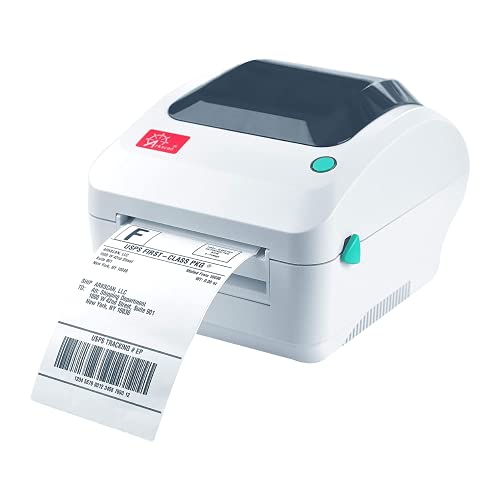 | Versatile Performance | Connectivity: USB only | Print Resolution: Not specified (likely thermal) | Max Media Size: 4×6 inches | VIEW LATEST PRICE | See Our Full Breakdown |
| Zebra ZT410 Barcode Printer 4-Inch USB/Ethernet |  | Heavy-Duty Reliability | Connectivity: USB and Ethernet | Print Resolution: 203 DPI | Max Media Size: 4×6 inches | VIEW LATEST PRICE | See Our Full Breakdown |
| Makeid D50 Industrial Label Printer with Battery |  | Portable Powerhouse | Connectivity: Mobile app, PC software (likely USB/Bluetooth) | Print Resolution: 300 DPI | Max Media Size: Up to 4 inches wide (likely 2 inches length support) | VIEW LATEST PRICE | See Our Full Breakdown |
| DETONGER DT5150P Industrial Colorfast Label Maker | 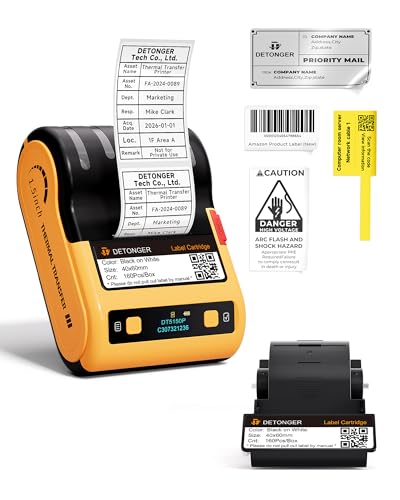 | Outdoor Durability | Connectivity: USB and Ethernet | Print Resolution: 300 DPI (implied for durability) | Max Media Size: 1.65 inches wide (cables, equipment labels) | VIEW LATEST PRICE | See Our Full Breakdown |
| HP 4×6 Thermal Shipping Label Printer |  | Small Business Essential | Connectivity: USB only | Print Resolution: 203 DPI | Max Media Size: 4×6 inches | VIEW LATEST PRICE | See Our Full Breakdown |
More Details on Our Top Picks
-
Rollo USB Shipping Label Printer - Commercial Grade 4x6 Thermal Label Printer for Shipping Packages - High Speed Custom Sticker Label Maker for Small Business - Supports Windows & Mac
ROLLO PRINTER: Rollo USB is compatible with both Windows (XP and newer) and Mac (10.9 and newer) with...
As an affiliate, we earn on qualifying purchases.
Westinghouse Thermal Shipping Label Printer (USB 4×6)
If you’re looking for a reliable, high-speed thermal label printer for small to medium shipping volumes, the Westinghouse Thermal Shipping Label Printer (USB, 4×6) is a top contender. It prints crisp 4×6 labels at 6 inches per second with 203 DPI resolution, ensuring professional quality. Compatible with Windows, macOS, Linux, and ZPL software, it supports Ethernet and USB connections, making setup straightforward. Designed for shipping platforms like USPS, FedEx, and Amazon, it handles various media widths and roll sizes. Its direct thermal technology eliminates ink ribbons, reducing maintenance and costs. Overall, it’s a versatile, efficient choice for small businesses and eCommerce operations.
- Connectivity:Ethernet and USB
- Print Resolution:203 DPI
- Max Media Size:4×6 inches
- Printing Technology:Direct thermal
- Speed (Approximate):6 inches/sec
- Power Source / Portability:AC power, includes power adapter, USB, Ethernet
- Additional Feature:Ethernet and USB interfaces
- Additional Feature:Supports fanfold labels
- Additional Feature:Automatic duplex printing
-
HP Direct Thermal Label Printer with Ethernet Connection – Industrial-Grade, Easy-to-Use, & High-Speed Shipping Label Printer (203 DPI)
DIRECT THERMAL PRINTING – Never worry about running out of ink or toner again. The portable printer’s thermal...
As an affiliate, we earn on qualifying purchases.
Rollo USB Thermal Shipping Label Printer
Looking for a reliable, high-speed thermal label printer that seamlessly integrates with your existing shipping setup? The Rollo USB Thermal Shipping Label Printer is an excellent choice. It’s compatible with Windows XP and newer and Mac 10.9 and later, making setup straightforward via USB. It supports major shipping platforms like FedEx, UPS, USPS, and popular marketplaces such as Amazon and eBay. With a 203 DPI print head and a speed of 150mm/sec, it produces clear, scannable labels up to 4.1 inches wide. Plus, it eliminates ink and toner costs, streamlining your shipping process and boosting efficiency for small businesses.
- Connectivity:USB only
- Print Resolution:203 DPI
- Max Media Size:1.57 to 4.1 inches width (length varies)
- Printing Technology:Direct thermal
- Speed (Approximate):150mm/sec (~5.9 inches/sec)
- Power Source / Portability:USB powered, portable
- Additional Feature:Compatible with major platforms
- Additional Feature:Supports custom label creation
- Additional Feature:No ink or toner needed
-
Arkscan 2054A Shipping Label Printer for Windows Mac Chromebook Android, Supports Amazon Ebay Paypal Etsy Shopify ShipStation Stamps UPS USPS FedEx DHL, Roll & Fanfold 4x6 Direct Thermal Label
Print shipping labels for Amz Seller Merchant Fulfillment, FBA, FNSKU, EasyPost, EasyShip, eBay, Endicia Dazzle, Etsy, Fedex Ship...
As an affiliate, we earn on qualifying purchases.
HP Thermal Label Printer with Ethernet High-Speed
The HP Thermal Label Printer with Ethernet and high-speed capabilities stands out as an ideal choice for busy warehouses and fulfillment centers that require reliable, fast, and high-quality label printing. It’s built for durability, handling demanding environments while printing at speeds up to 7 inches per second with crisp, detailed labels at 203 or 300 DPI. Its direct thermal technology eliminates the need for ink or toner, reducing maintenance costs. With versatile media handling—supporting labels up to 4×6 inches and rolls up to five inches wide—it integrates seamlessly via Ethernet and USB. Compact and lightweight, it’s perfect for high-volume, efficient labeling workflows.
- Connectivity:Ethernet and USB
- Print Resolution:203 or 300 DPI
- Max Media Size:4×6 inches
- Printing Technology:Direct thermal
- Speed (Approximate):7 inches/sec
- Power Source / Portability:AC power, includes power cord
- Additional Feature:High-speed 7 in/sec printing
- Additional Feature:Industrial-grade durability
- Additional Feature:Supports multiple media types
Arkscan 2054A Thermal Label Printer for Shipping
Designed for small to medium-sized shipping operations, the Arkscan 2054A Thermal Label Printer stands out with its versatile compatibility and high-speed printing capabilities. It supports Windows, Mac, Chromebook, and Android via USB, working seamlessly with carriers like USPS, FedEx, UPS, DHL, and platforms such as ShipStation, Shopify, and ShipWorks. Capable of printing labels from 0.75 to 4.25 inches wide and up to 90 inches long, it handles shipping, product, and barcode labels efficiently at 5 inches per second. Its direct thermal technology eliminates ink or toner needs, making it a reliable, low-maintenance choice for streamlining your shipping process.
- Connectivity:USB only
- Print Resolution:Not specified (likely thermal)
- Max Media Size:4×6 inches
- Printing Technology:Direct thermal
- Speed (Approximate):5 inches/sec
- Power Source / Portability:AC power, includes power cord
- Additional Feature:Free BarTender design software
- Additional Feature:Real-time U.S.-based support
- Additional Feature:Supports roll and fanfold labels
Zebra ZT410 Barcode Printer 4-Inch USB/Ethernet
If you’re seeking a reliable industrial barcode printer with versatile connectivity, the Zebra ZT410 4-Inch model is an excellent choice. It supports thermal transfer and direct printing, with a 4-inch media width and 203 dpi resolution, ideal for high-quality barcode labels. Equipped with USB and Ethernet ports, it easily integrates into existing systems. The printer handles media sizes up to 4 x 6 inches and has a capacity of 50 labels per input. Designed for durability, it weighs 41.4 pounds and includes a user-friendly touch interface. While reviews are mixed, it remains a solid option for demanding industrial environments needing dependable, straightforward printing.
- Connectivity:USB and Ethernet
- Print Resolution:203 DPI
- Max Media Size:4×6 inches
- Printing Technology:Thermal transfer and direct thermal
- Speed (Approximate):Not specified (high-speed industrial)
- Power Source / Portability:AC power, no mention of battery
- Additional Feature:Supports thermal transfer
- Additional Feature:Industrial use focus
- Additional Feature:Durable, heavy-duty construction
Makeid D50 Industrial Label Printer with Battery
Looking for an industrial label printer that offers both versatility and portability? The Makeid D50 is perfect for those needs. It features a 2-inch print head, suitable for cable, asset tracking, electrical, and labelling tasks. Its thermal transfer technology creates durable labels that last up to 5 years and resist oil, low temperatures, and outdoor elements. With a quick-change cartridge and automatic cutter, it boosts productivity. Powered by a 2600mAh battery, it provides up to 90 days of standby, making it ideal for mobile use. Its compact design and heavy-duty roll ensure reliable performance in demanding environments, whether on-site or in the warehouse.
- Connectivity:Mobile app, PC software (likely USB/Bluetooth)
- Print Resolution:300 DPI
- Max Media Size:Up to 4 inches wide (likely 2 inches length support)
- Printing Technology:Thermal transfer
- Speed (Approximate):5 inches/sec
- Power Source / Portability:Battery-powered, portable
- Additional Feature:Battery-powered mobile printing
- Additional Feature:300 DPI high resolution
- Additional Feature:Ultra-strong adhesive labels
DETONGER DT5150P Industrial Colorfast Label Maker
The DETONGER DT5150P Industrial Colorfast Label Maker stands out for its construction-grade durability, making it an ideal choice for professionals working in tough outdoor environments. Its industrial-grade, shockproof, wear-resistant, and dustproof body can withstand harsh job site conditions. The thermal transfer technology produces sunlight-resistant, fade-free labels that stay clear under bright lighting. With support for label widths from 0.3″ to 1.65″ and a high-speed 30mm/sec printing rate, it boosts productivity. The device features automatic cutting, dual-end editing via mobile app or PC, and rechargeable batteries that last up to 4 hours, perfect for long outdoor work sessions.
- Connectivity:USB and Ethernet
- Print Resolution:300 DPI (implied for durability)
- Max Media Size:1.65 inches wide (cables, equipment labels)
- Printing Technology:Thermal transfer
- Speed (Approximate):30mm/sec (~1.2 inches/sec)
- Power Source / Portability:AC power, rechargeables optional
- Additional Feature:Weather-resistant, fade-proof labels
- Additional Feature:Dual-end editing capability
- Additional Feature:Quick-change consumables
HP 4×6 Thermal Shipping Label Printer
For small businesses and home offices needing quick, reliable shipping label printing, the HP 4×6 Thermal Shipping Label Printer stands out as an excellent choice. It’s compact, commercial-grade, and supports high-speed printing at 7 inches per second. With a 4×6 inch media capacity and 203 DPI resolution, it produces clear, professional labels for mailing, shipping, and warehouse needs. Compatible with Mac and PC, it integrates seamlessly with platforms like Amazon, eBay, and Shopify. Easy to set up, lightweight, and durable, this printer is perfect for streamlining small-scale operations without sacrificing quality or efficiency.
- Connectivity:USB only
- Print Resolution:203 DPI
- Max Media Size:4×6 inches
- Printing Technology:Direct thermal
- Speed (Approximate):7 inches/sec
- Power Source / Portability:AC power, USB cable included
- Additional Feature:Lightweight, compact design
- Additional Feature:128 MB memory
- Additional Feature:Supports up to 6 labels per run
Factors to Consider When Choosing an Industrial Thermal Label Printer
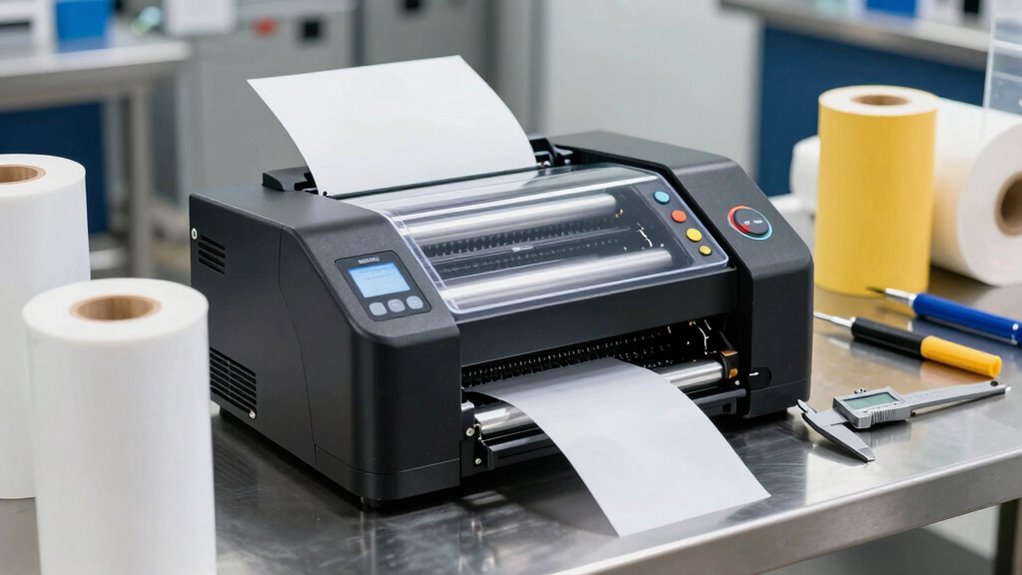
When selecting an industrial thermal label printer, I focus on compatibility with my existing platforms and the required print speed. I also consider media size flexibility, connectivity options, and the printer’s durability in my working environment. These factors make certain I choose a device that meets my needs reliably and efficiently.
Compatibility With Platforms
Choosing an industrial thermal label printer requires careful attention to its compatibility with your existing platforms. I make certain it supports my operating system—whether Windows, macOS, or Linux—to guarantee smooth integration. It’s also essential that the printer works with my shipping and eCommerce platforms like USPS, FedEx, UPS, Amazon, eBay, or Shopify, so my workflow remains streamlined. I verify compatibility with label design and management software such as BarTender or ShipStation, which helps me customize labels easily. Connectivity options like USB, Ethernet, or Wi-Fi must align with my network infrastructure for reliable data transfer. Finally, I check that the printer supports the label sizes and types required by my carriers and inventory systems to avoid any operational hiccups.
Print Speed Requirements
Print speed is a essential factor because it directly impacts how efficiently I can produce labels, especially in high-volume environments. It’s measured in inches or millimeters per second and determines how quickly labels are printed. Higher speeds, around 5-7 inches per second, are critical when I need to meet tight deadlines and handle large orders. If the printer is too slow, it creates bottlenecks, slowing down overall productivity and delaying shipments. However, the ideal speed depends on the volume I need and the complexity of the print content. To maintain consistent high speeds, I need a robust printer that won’t overheat or jam, ensuring continuous operation without sacrificing quality. Balancing speed with reliability is key to optimizing my labeling workflow.
Media Size Flexibility
To guarantee I can handle a variety of labeling tasks efficiently, I need a printer that supports multiple media sizes. It should accommodate widths from 0.75 inches up to at least 4 inches, allowing me to print both small and large labels without hassle. I also check if it can handle different media lengths, like continuous rolls and fanfold options, for maximum flexibility. Compatibility with both roll-fed and fanfold labels is essential to cover various applications. I look for printers that support custom media sizes beyond standard options, especially for specialized tasks. Additionally, I verify the maximum media diameter and core size to ensure smooth loading and feeding during high-volume printing. This flexibility helps me adapt to changing labeling needs efficiently.
Connectivity Options Available
Selecting the right connectivity options for an industrial thermal label printer is essential to guarantee smooth integration with your existing systems. USB is reliable and straightforward for direct connections to computers or POS systems, making setup quick and simple. Ethernet connectivity allows high-speed network access, enabling multiple devices to share the printer efficiently across a local area network. For greater flexibility, especially in mobile or distributed workflows, some models support wireless options like Wi-Fi or Bluetooth. These wireless options eliminate the need for physical connections, increasing convenience and mobility. Your choice impacts printing speed, network security, and how easily the printer integrates with shipping platforms, inventory management, and enterprise systems. Careful consideration assures you select a connection type that aligns with your operational needs.
Durability and Environment
Choosing an industrial thermal label printer means considering how well it can handle tough environments. These printers must endure dust, moisture, and temperature swings to stay reliable. Look for models with shockproof and wear-resistant materials that can withstand harsh conditions without failing. For outdoor or industrial use, weather-resistant labels printed with thermal transfer technology are vital—they resist fading, scratching, and water damage. Additionally, printers with sealed components and reinforced housings offer extra protection against debris, vibrations, and environmental stressors. The ability to operate effectively in direct sunlight or bright light is essential for outdoor applications. Overall, a durable construction combined with environmental resistance guarantees your printer maintains performance, reduces downtime, and supports long-term operational efficiency.
Cost of Consumables
The cost of consumables plays a crucial role in the overall expense of operating an industrial thermal label printer. Unlike ink or toner, these printers eliminate the need for traditional supplies, but they still depend on thermal transfer ribbons or labels. The price varies based on material quality, size, and durability—higher-quality labels may cost more upfront but reduce reprints and replacements over time. Larger roll sizes lower the cost per label, making bulk purchases more economical for high-volume printing. Additionally, compatibility with affordable third-party consumables can considerably cut long-term expenses. While initial investment is important, understanding the ongoing costs of consumables helps ensure that your choice balances quality and affordability, ultimately optimizing your total operational costs.
Software and Design Tools
When evaluating industrial thermal label printers, software and design tools are essential for streamlining your labeling process. Many models come with dedicated software like BarTender UltraLite or similar programs, allowing you to customize labels with text, graphics, barcodes, and QR codes efficiently. Support for mobile app integration is a big plus, enabling on-the-go label creation from smartphones or tablets. Advanced design tools help you create templates for repetitive labels, reducing setup time and ensuring consistency in high-volume printing. Compatibility with Windows, Mac, or PC is crucial for seamless integration into existing workflows and for utilizing features like serializing and batch printing. Some printers also offer cloud-based or network-enabled platforms, making remote editing and collaboration easier in busy industrial environments.
Warranty and Support
Ever wondered how to protect your investment in an industrial thermal label printer? The key is choosing a model with a solid warranty, ideally covering hardware and software for at least 90 days up to several years. An all-encompassing warranty gives peace of mind against defects and operational issues. Reliable customer support is equally important—look for channels like phone, live chat, or remote assistance that are responsive and knowledgeable. Confirm that the warranty includes critical components such as print heads and internal electronics. It’s also essential that the support team understands industrial environments and can provide on-site or remote help when needed. Lastly, check user reviews to gauge the support’s effectiveness and responsiveness, ensuring you’ll get timely help when it matters most.
Frequently Asked Questions
What Maintenance Practices Extend the Lifespan of Industrial Thermal Label Printers?
Regular cleaning is essential—I wipe the print head and rollers with a soft, damp cloth to prevent dust buildup and guarantee clear prints. I also inspect and replace worn-out parts like the print head and platen roller promptly to avoid damage. Using quality consumables and keeping the printer in a dust-free, cool environment further extends its lifespan. Consistent maintenance keeps my printer running smoothly and prolongs its service life.
How Do Environmental Factors Affect Thermal Printing Quality and Performance?
Environmental factors can dramatically impact thermal printing quality and performance. I’ve seen humidity cause smudged labels, and dust clogging print heads reduces clarity. Temperature swings can lead to inconsistent prints or even damage the device. Keep your printer in a stable, clean environment, and you’ll notice fewer errors and longer-lasting performance. Ignoring these factors risks costly downtime and compromised labels — so stay vigilant and protect your equipment carefully.
Are There Eco-Friendly Thermal Labels Compatible With Industrial Printers?
Yes, there are eco-friendly thermal labels compatible with industrial printers. I’ve found that labels made from recycled or FSC-certified materials, along with soy-based or water-based adhesives, reduce environmental impact. These labels work seamlessly with most industrial thermal printers, offering durability and clarity. Switching to eco-friendly labels is a simple way to minimize waste, support sustainability, and stay compliant with green initiatives without sacrificing performance.
What Are the Typical Operational Costs Associated With Different Models?
Operational costs for industrial thermal label printers vary based on model, but I typically consider ink or ribbon expenses, maintenance, and energy use. Some models are like a well-oiled machine, with lower ongoing costs, while others might seem more like a money pit. I recommend comparing ribbon longevity and energy efficiency to keep costs manageable. Balancing initial investment with long-term expenses helps make sure you get the best value.
How Can Users Troubleshoot Common Printing Errors Effectively?
When troubleshooting common printing errors, I start by checking for paper jams or misaligned labels, then make sure the printer is connected properly. I also verify the correct print settings and clean the print head regularly. If issues persist, I consult the user manual or contact support. Staying patient and systematic helps me quickly identify and fix problems, minimizing downtime and keeping operations running smoothly.
Conclusion
Choosing the right industrial thermal label printer is like finding the perfect balance between speed and precision, durability and affordability. While some models excel in high-volume tasks, others shine in portability and versatility. It’s easy to get caught up in features, but remember, the best printer for you is the one that fits your needs without breaking the bank. After all, in this world of tech, a reliable printer is your silent partner in success.