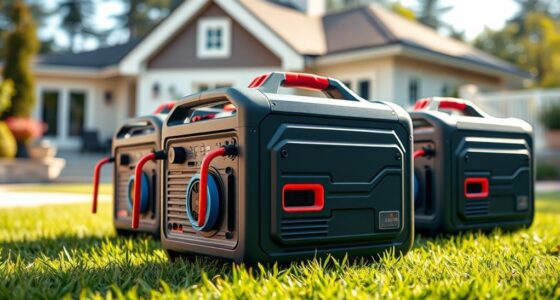
When searching for an LFP battery power station, the main considerations are capacity, longevity, and safety. The Jackery HomePower 3000 stands out as the best overall choice for its balance of power and reliability. For those prioritizing long-term durability, the PECRON E3800 offers a substantial 3840Wh capacity with an LFP battery that lasts many years. Meanwhile, the EF ECOFLOW Delta 2 provides a high surge capacity and advanced features for heavy-duty use. Readers face tradeoffs between capacity, portability, and price — continue reading for a full breakdown of these options and how they compare.

Get business pricing on tools and workshop supplies
- Business-only prices and quantity discounts
- Tax-exempt purchasing
- Multiple users, one account, clear invoices
Complete the kit


Key Takeaways
- Top picks balance capacity, battery longevity, and safety features for different power needs.
- LFP batteries tend to last longer and degrade less over time compared to other chemistries, making them ideal for frequent use.
- Higher capacity models often come with increased weight and size, impacting portability and setup ease.
- Price varies widely, with premium options offering better longevity and features, but not always necessary for casual users.
- Versatility in input/output options and expandability can significantly enhance the value of a power station.
| Jackery HomePower 3000 Portable Power Station, 3072Wh, 3600W AC Output |  | Best Overall for Home Backup and Outdoor Versatility | Capacity: 3072Wh | AC Output: 3600W | Surge Power: 7200W | VIEW ON AMAZON | See Our Full Breakdown |
| PECRON Portable Power Station E3800 with 3840Wh LiFePO4 Battery Backup |  | Best for Long-Term, Heavy-Duty Power Backup | Battery Type: LiFePO4 | Capacity: 3840Wh | Max Power Output: 4200W | VIEW ON AMAZON | See Our Full Breakdown |
| EF ECOFLOW Portable Power Station RIVER 2 Pro, 768Wh, 800W |  | Best for Light Outdoor and Emergency Use | Capacity: 768Wh | Power Output: 800W | Recharge Time (AC): 70 minutes | VIEW ON AMAZON | See Our Full Breakdown |
| EF ECOFLOW Portable Power Station Delta 2, 1024Wh, 1800W, LiFePO4 Battery |  | Best for Versatile Camping and Off-Grid Power | Capacity: 1024Wh | Output Power: 1800W | Charge Time: 0-80% in 50 mins | VIEW ON AMAZON | See Our Full Breakdown |
| DJI Power 1000 V2 Portable Power Station, 1024Wh LFP Battery |  | Best for Quiet, Emergency, and Night Use | Battery Capacity: 1024Wh | Battery Type: LFP | Charging Time: 80% in 37 mins | VIEW ON AMAZON | See Our Full Breakdown |
| EF ECOFLOW Portable Power Station RIVER 2, 256Wh, 300W |  | Best for Lightweight Outdoor Use | Wattage: 256 watt-hours | Fuel Type: Electric | Power Source: Solar Powered | VIEW ON AMAZON | See Our Full Breakdown |
| BLUETTI Elite 30 V2 Portable Power Station 288Wh 600W LFP Solar Generator |  | Best for Versatile Outdoor and Emergency Use | Capacity: 288Wh | Weight: 9.4 lbs | Continuous Power: 600W | VIEW ON AMAZON | See Our Full Breakdown |
| Librids Portable Power Station 640Wh, 1200W Surge, Solar Generator with 4 AC Outlets |  | Best for Heavy-Duty Backup and Camping | Capacity: 640Wh | Surge Power: 1200W | Charging Time: 1.5 hours | VIEW ON AMAZON | See Our Full Breakdown |
| Jackery Explorer 300 Portable Power Station, 292Wh |  | Best for Lightweight, Long-Term Outdoor Power | Weight: 7.5 lbs | Capacity: 292Wh | Rated Output: 300W | VIEW ON AMAZON | See Our Full Breakdown |
| BLUETTI AC180 Portable Power Station 1152Wh 1800W LiFePO4 Solar Generator |  | Best for High Capacity and Rapid Charging | Battery Capacity: 1152Wh | Voltage: 120 volts | Output Wattage: 1800W | VIEW ON AMAZON | See Our Full Breakdown |
| 1000W 1024Wh LiFePO4 Portable Power Station |  | Best Versatile Off-Grid Power Station | Battery Capacity: 1024Wh | Continuous Output: 1000W | Battery Chemistry: LiFePO4 | VIEW ON AMAZON | See Our Full Breakdown |
| DJI Power 2000 Portable Power Station, 2048Wh LFP Battery |  | Best for Extended Off-Grid Power Needs | Battery Capacity: 2048Wh | Charge Time: 80% in 55 min | Battery Type: LFP | VIEW ON AMAZON | See Our Full Breakdown |
| Jackery HomePower 3600 Plus Portable Power Station, 3584Wh, 3600W |  | Best for Large Home Backup and Flexibility | Battery Capacity: 3584Wh | AC Output: 3600W | Parallel Output: 7200W | VIEW ON AMAZON | See Our Full Breakdown |
| Jackery Explorer 1000 v2 Portable Power Station, 1070Wh, 1500W |  | Best for Portable, Emergency, and Camping Power | Capacity: 1070 Wh | AC Output: 1500 W | Surge Peak: 3000 W | VIEW ON AMAZON | See Our Full Breakdown |
| lfp battery power station | Capacity | Battery Type | Weight |
|---|---|---|---|
| Jackery HomePower 3000 Portabl | 3072Wh | LiFePO4 | Lightweight and portable |
| PECRON Portable Power Station | 3840Wh | LiFePO4 | — |
| EF ECOFLOW Portable Power Stat | 768Wh | LFP | 17.2 lbs |
| EF ECOFLOW Portable Power Stat | 1024Wh | — | — |
| DJI Power 1000 V2 Portable Pow | — | LFP | — |
| EF ECOFLOW Portable Power Stat | — | — | — |
| BLUETTI Elite 30 V2 Portable P | 288Wh | — | 9.4 lbs |
| Librids Portable Power Station | 640Wh | LiFePO₄ | — |
| Jackery Explorer 300 Portable | 292Wh | — | 7.5 lbs |
| BLUETTI AC180 Portable Power S | — | — | 37.4 pounds |
| 1000W 1024Wh LiFePO4 Portable | — | — | 27.73 lbs |
| DJI Power 2000 Portable Power | — | LFP | — |
| Jackery HomePower 3600 Plus Po | — | — | — |
| Jackery Explorer 1000 v2 Porta | 1070 Wh | LFP | 23.8 pounds |
More Details on Our Top Picks
Jackery HomePower 3000 Portable Power Station, 3072Wh, 3600W AC Output
The Jackery HomePower 3000 stands out for its massive 3072Wh capacity and 3600W continuous output, making it a top choice for serious home backup or outdoor events where high power is essential. Compared with the EF ECOFLOW Delta 2, it offers a larger capacity and longer cycle life, but it’s significantly heavier, which may hinder portability. Its fast recharging options, including hybrid AC/DC and solar, ensure quick recovery after use. The durable LiFePO4 batteries promise over 4,000 cycles, translating to years of reliable performance. Its multiple ports—including USB-C, USB-A, AC, and RV—support a broad range of devices. The main tradeoff involves its weight, which could be inconvenient for frequent transport, and the higher price point may stretch some budgets. This pick makes the most sense for those prioritizing capacity and longevity in a versatile, portable form.
Pros:- High capacity of 3072Wh supports long-term backup needs
- Fast recharge times with hybrid and solar options
- Long cycle life of over 4,000 cycles ensures durability
- Multiple versatile ports for various devices
Cons:- Relatively heavy for frequent portability
- Higher cost compared to smaller models
Best for: Homeowners needing dependable backup power with occasional outdoor use, and those prepared for a heavier device.
Not ideal for: Travelers or outdoor enthusiasts who require a lightweight, compact unit for frequent mobility.
- Capacity:3072Wh
- AC Output:3600W
- Surge Power:7200W
- Recharge Time (AC):2.2 hours
- Battery Type:LiFePO4
- Cycle Life:4,000 cycles
- Dimensions:47% smaller than comparable models
- Weight:Lightweight and portable
Our verdict“This power station is best suited for users who need extensive capacity and long-term reliability, even if it means added weight.”
PECRON Portable Power Station E3800 with 3840Wh LiFePO4 Battery Backup
The PECRON E3800 offers a substantial 3840Wh capacity and a robust 4200W maximum output, making it ideal for extended outages or off-grid living where sustained high power is needed. It surpasses the EF ECOFLOW Delta 2 in capacity and cycle life, boasting over 3500 cycles and a 10-year lifespan. Its multiple charging options, including AC, solar, and car, add flexibility for remote locations. The LCD touchscreen simplifies control and monitoring, and UPS support ensures seamless power transitions. However, its weight and bulk are significant, making it less practical for frequent transport. The higher initial investment reflects its long-term durability and capacity. This model suits users who need reliable, heavy-duty power with smart features for extended off-grid or backup use.
Pros:- Large 3840Wh capacity supports multiple devices for extended periods
- Over 3500 cycles offers long-term reliability
- Multiple input options increase flexibility
- Smart controls and UPS features enhance usability
Cons:- Heavy and bulky for easy transport
- Higher initial cost may be prohibitive
Best for: Off-grid residents and long-term backup users who prioritize capacity and durability over portability.
Not ideal for: Frequent travelers or those needing lightweight, portable solutions for short-term use.
- Battery Type:LiFePO4
- Capacity:3840Wh
- Max Power Output:4200W
- Cycle Life:3500+ cycles
- Input Charging:AC, Solar, Car
- Output Ports:4x AC, 3x DC, 4x USB-A, 2x USB-C
- Expandable Capacity:up to 53.76kWh
- Protection Features:Overcurrent, overvoltage, short-circuit, overtemperature
Our verdict“This station is best for users who need a rugged, high-capacity power source for long-term, off-grid, or backup applications, regardless of size.”
EF ECOFLOW Portable Power Station RIVER 2 Pro, 768Wh, 800W
The EF ECOFLOW RIVER 2 Pro offers a compact 768Wh capacity with an 800W output, balancing portability with enough power for most mobile devices and small appliances. Its rapid AC recharge in 70 minutes outperforms many larger units, making it suitable for quick turnaround scenarios. The long-lasting LFP battery exceeds 3000 cycles, promising durability for regular outdoor use. While its 800W output limits powering high-wattage devices, it handles most phones, laptops, and small kitchen gadgets effectively. Its light weight of 17.2 lbs makes it easy to carry, but it’s less suited for powering larger appliances or extended backup needs. This model is perfect for casual campers or emergency kits where weight and speed matter most.
Pros:- Fast AC recharge in just 70 minutes
- Lightweight at 17.2 lbs for portability
- Long-lasting LFP battery with over 3000 cycles
Cons:- Limited to 800W output, restricting high-wattage appliances
- Price not specified, but likely higher relative to capacity
Best for: Casual outdoor users and emergency preparedness who need a lightweight, fast-rechargeable unit for small devices.
Not ideal for: Users needing to run high-wattage equipment or large appliances for extended periods.
- Capacity:768Wh
- Power Output:800W
- Recharge Time (AC):70 minutes
- Battery Type:LFP
- Cycle Life:over 3000 cycles
- Weight:17.2 lbs
Our verdict“This portable station offers quick charging and portability, making it best suited for small devices and light outdoor use rather than heavy-duty power needs.”
EF ECOFLOW Portable Power Station Delta 2, 1024Wh, 1800W, LiFePO4 Battery
The EcoFlow Delta 2 combines a 1024Wh capacity with an 1800W output, making it a versatile choice for camping, RVs, and off-grid scenarios. Its fast charging—0-80% in 50 minutes—outpaces many competitors like the Jackery HomePower 3000, especially for those who value quick turnaround. The expandable capacity up to 3kWh allows for future upgrades, catering to users with evolving power needs. The LiFePO4 chemistry ensures over 3000 cycles, promising long-term performance. While heavier than some compact models, its multiple outlets and solar input support a broad range of appliances. The price may be higher, but the flexibility and fast charging make it a solid all-around option for semi-permanent off-grid setups.
Pros:- Fast charging: 0-80% in 50 minutes
- Expandable capacity up to 3kWh
- Long-lasting LiFePO4 with over 3000 cycles
- Multiple outlets and solar input support diverse devices
Cons:- Relatively heavy for portable use
- Limited solar input capacity for larger setups
Best for: Campers, RV owners, and off-grid users who need quick recharge and expandable capacity without excessive weight.
Not ideal for: Lightweight backpackers or those seeking ultra-portable solutions for short trips.
- Capacity:1024Wh
- Output Power:1800W
- Charge Time:0-80% in 50 mins
- Expandable Capacity:up to 3kWh
- Battery Chemistry:LiFePO4
- Solar Input:up to 500W
- Cycle Life:3000+ cycles
Our verdict“This device balances fast charging, expandability, and durability, ideal for users who need reliable off-grid power without sacrificing some portability.”
DJI Power 1000 V2 Portable Power Station, 1024Wh LFP Battery
The DJI Power 1000 V2 offers a 1024Wh capacity with a focus on quiet operation—only 26 dB—making it suitable for nighttime use or emergency situations where noise is a concern. Its fast charging—80% in just 37 minutes—outperforms many others, including the Jackery Explorer 300, which offers less capacity and slower recharge times. The inclusion of two USB-C ports supporting 140W each adds versatility for modern devices. Its seamless UPS feature ensures reliable switching during outages, making it dependable for critical applications. However, it lacks MPPT or car charging modules, requiring separate adapters for solar or vehicle charging, which can complicate setup. Its weight and limited solar compatibility make it less suitable for extended off-grid adventures. This station suits users prioritizing quiet operation and emergency backup over high capacity.
Pros:- Quiet operation at 26 dB ideal for night use
- Fast charging: 80% in 37 minutes
- Seamless UPS switching ensures reliability
- Dual USB-C ports support modern devices
Cons:- Requires separate adapters for MPPT and car charging
- Limited solar input compatibility
Best for: Emergency preparedness and nighttime use where noise level and quick charging are priorities, especially for urban or quiet environments.
Not ideal for: Heavy-duty off-grid or long-term power needs where larger capacity and solar integration are required.
- Battery Capacity:1024Wh
- Battery Type:LFP
- Charging Time:80% in 37 mins
- USB-C Ports:2 ports, 140W each
- Noise Level:26 dB
- Warranty:5 years
- Switch Time:10ms
Our verdict“This power station excels in quiet, fast-charging emergency scenarios, making it perfect for urban households or night-time backup needs, despite some setup limitations.”
EF ECOFLOW Portable Power Station RIVER 2, 256Wh, 300W
The EF ECOFLOW RIVER 2 stands out for its portability and quick recharge capabilities, making it ideal for camping or emergency essentials. Compared to the Jackery Explorer 300, it offers a slightly higher wattage output and faster AC recharge in just one hour, though its runtime at full load is limited to around 3 hours. The LiFePO4 battery promises durability over 3000 cycles, but the absence of a built-in solar panel means you’ll need additional gear for solar recharging. Its compact design at only 7.7 lbs makes it easy to carry, but the short runtime could be a concern for extended use. The lack of included solar panel is a tradeoff for those prioritizing portability and quick recharging.
Pros:- Fast 1-hour AC recharge with X-Stream technology
- Lightweight and portable at only 7.7 lbs
- Long-lasting LiFePO4 battery with over 3000 cycles
- Multiple output ports including USB-C and AC outlets
Cons:- Limited to 3 hours runtime at full load
- Requires solar input or AC for recharging; no built-in panel
Best for: Outdoor enthusiasts and emergency kit owners who need a lightweight, fast-recharging power source for short trips.
Not ideal for: Long-term backup power users or those needing prolonged runtime without frequent recharges.
- Wattage:256 watt-hours
- Fuel Type:Electric
- Power Source:Solar Powered
- Voltage:120 volts
- Output Wattage:600W
- Additional Features:LiFePO4 10-Year Long-Life Battery, Fast Solar Recharge
Our verdict“This power station suits those needing a portable, quick-recharge unit for brief outdoor or emergency use, accepting limited runtime.”
BLUETTI Elite 30 V2 Portable Power Station 288Wh 600W LFP Solar Generator
The BLUETTI Elite 30 V2 offers a lightweight yet capable 288Wh capacity with a 600W continuous output, making it suitable for outdoor adventures and backup power. Its versatility surpasses the Jackery Explorer 300 with support for multiple charging methods, including solar, wall, and car power. The fast 0-80% charge in 45 minutes is a significant advantage for quick readiness, though the battery capacity may fall short for prolonged off-grid use. At just 9.4 lbs, it balances portability with sufficient power for many small appliances, but users should note that solar panel compatibility is required for solar recharging, which is not included. The UPS function adds reliability during outages, but the slightly higher price might be a concern for budget-conscious buyers.
Pros:- Lightweight and portable for outdoor and emergency use
- Supports multiple charging modes including solar, wall, and car
- Fast charging from 0-80% in 45 mins
- UPS function for device protection during power outages
Cons:- Limited battery capacity for extended use
- Requires compatible solar panel (not included)
Best for: Campers and emergency prepper who value quick charging and multiple recharging options in a lightweight package.
Not ideal for: Users seeking extended power duration or larger appliances that exceed 600W continuous output.
- Capacity:288Wh
- Weight:9.4 lbs
- Continuous Power:600W
- Surge Power:1500W
- Charging Modes:AC wall, solar, car
- Fast Wall Charge:380W/200W adjustable
Our verdict“Ideal for users who need quick, versatile charging options in a portable form, accepting limited runtime for larger appliances.”
Librids Portable Power Station 640Wh, 1200W Surge, Solar Generator with 4 AC Outlets
The Librids Portable Power Station delivers a substantial 640Wh capacity with a 1200W surge capacity, making it a strong choice for backup power, camping, or mobile workstations. Its fast 1.5-hour charging time and long cycle life of over 4000 cycles set it apart from smaller models like the Jackery Explorer 300. The four AC outlets and pure sine wave inverter support multiple sensitive devices simultaneously, but its weight and bulk—more than 37 pounds—limit portability. The device is intended for indoor or protected outdoor environments, as it’s not suited for wet or humid conditions. This model excels where prolonged, reliable power is needed, but not for those seeking ultralight solutions.
Pros:- Fast charging in 1.5 hours
- Multiple outlets support several devices simultaneously
- Long-lasting LiFePO₄ battery with over 4000 cycles
- Pure sine wave inverter protects sensitive electronics
Cons:- Heavy and bulky for portable use
- Indoor use only, limiting outdoor flexibility
Best for: Home backup, indoor workshop, or semi-permanent outdoor station where weight and portability are less critical.
Not ideal for: Frequent travelers or outdoor adventurers needing a lightweight, portable unit for quick moves.
- Capacity:640Wh
- Surge Power:1200W
- Charging Time:1.5 hours
- Battery Type:LiFePO₄
- Cycle Life:4000+ cycles
- Number of Outlets:4 AC
Our verdict“Best suited for stationary backup or indoor use, where weight is less of a concern but reliable, long-term power matters.”
Jackery Explorer 300 Portable Power Station, 292Wh
The Jackery Explorer 300 offers a compact 292Wh capacity with a rated 300W output, making it perfect for light outdoor adventures and backup needs. Its weight of only 7.5 lbs and integrated handle provide excellent portability, surpassing the bulkier Librids model for quick trips. The LiFePO₄ battery supports over 4,000 cycles, ensuring durability for long-term use. While it supports solar recharging with compatible panels, the absence of a solar panel included can be a drawback for those seeking true off-grid independence. Its 300W output may limit use with larger appliances, but for charging phones, small laptops, and LED lights, it excels.
Pros:- Lightweight at 7.5 lbs with convenient handle
- Supports up to six devices via various ports
- Long-life LiFePO₄ battery with over 4,000 cycles
- Compatible with solar panels for off-grid charging
Cons:- Solar panel not included, adding extra cost
- Limited to 300W output, restricting larger device use
Best for: Hikers, campers, and emergency preppers needing a lightweight, reliable backup power source with long cycle life.
Not ideal for: Users requiring high power output or extended runtime for larger appliances or multiple devices simultaneously.
- Weight:7.5 lbs
- Capacity:292Wh
- Rated Output:300W
- Peak Surge:600W
- Battery Chemistry:LiFePO₄
- Charge Cycles:Over 4,000
Our verdict“Perfect for portable, long-lasting outdoor power for those prioritizing weight and durability over high wattage.”
BLUETTI AC180 Portable Power Station 1152Wh 1800W LiFePO4 Solar Generator
The BLUETTI AC180 delivers impressive 1152Wh capacity with the ability to charge in just 1 hour, positioning it as a powerhouse for emergency backup and off-grid applications. Its substantial 1800W continuous output, with a surge capacity up to 2700W, supports larger appliances like microwaves and coffee makers, unlike the smaller Jackery Explorer 300. Heavier at over 37 pounds, it’s less portable but excels in stationary or semi-permanent setups. The extensive outlet options and 5-year warranty add to its appeal, though detailed information on solar input efficiency remains limited. This model is best for those who need reliable, high-capacity power with rapid recharge, accepting the tradeoff of increased weight and complexity.
Pros:- Fast charging in just 1 hour
- High capacity with 1152Wh
- Multiple outlets including high wattage support
- Supports large appliances and sensitive electronics
Cons:- Relatively heavy at 37.4 pounds
- Complex setup with many features can be overwhelming
Best for: Home backup, off-grid living, or emergency situations where high capacity and speed matter most.
Not ideal for: Frequent travelers or those requiring ultra-light portable solutions due to its weight and size.
- Battery Capacity:1152Wh
- Voltage:120 volts
- Output Wattage:1800W
- Number of Outlets:11
- Weight:37.4 pounds
- Charging Time:1 hour
Our verdict“Designed for those needing a high-capacity, fast-charging station for home or emergency use, accepting portability limitations.”
1000W 1024Wh LiFePO4 Portable Power Station
This power station stands out for its solid 1024Wh capacity paired with over 3,000 charge cycles thanks to its LiFePO4 chemistry. Unlike the DJI Power 2000, which offers more capacity but lacks solar input support in its basic package, this model emphasizes safety and versatility with multiple charging ports and a smart BMS. Its 1000W continuous output suits most small appliances but may fall short for high-wattage tools, making it less suitable for heavy-duty applications. The solar input support at up to 300W offers off-grid independence, but charging times can stretch to 6-8 hours in full sun, which could be limiting during emergencies. Overall, it’s a well-rounded choice for those who want reliable, safe battery life with decent capacity for camping or emergency backup, especially when solar is available. However, the need for optional solar panels and limited high-wattage support are tradeoffs to consider.
Pros:- High-capacity LiFePO4 battery with over 3,000 charge cycles
- Supports up to five devices simultaneously
- Versatile solar input support for off-grid independence
- Multiple safety protections including smart BMS
Cons:- Solar panel is optional and not included, adding extra cost
- Charging from solar takes 6-8 hours, which may be slow in emergencies
- Limited to 1000W continuous output, restricting high-wattage appliances
Best for: Outdoor enthusiasts and emergency preppers needing durable, long-cycle batteries and versatile device charging.
Not ideal for: Users requiring high-wattage appliances or quick power delivery, as the 1000W limit restricts larger tools and devices.
- Battery Capacity:1024Wh
- Continuous Output:1000W
- Battery Chemistry:LiFePO4
- AC Outlets:2 × 110V
- USB-C Port:1 × 60W PD
- Maximum Solar Input:300W
- Battery Cycle Life:3,000+ cycles to 80%
- Weight:27.73 lbs
Our verdict“This model suits users seeking a reliable, long-lasting portable power station for moderate off-grid use and emergencies, with some limitations on high-wattage appliances.”
DJI Power 2000 Portable Power Station, 2048Wh LFP Battery
The DJI Power 2000 offers a significantly larger 2048Wh capacity with fast recharge times, making it ideal for extended off-grid use or backup power scenarios. Compared to the Jackery HomePower 3600 Plus, which provides higher output but less capacity at 3584Wh, the DJI emphasizes rapid recharging—reaching 80% in just 55 minutes—crucial during power outages. Its 15 ports, including dual SDC ports, provide extensive connectivity, while the quiet operation (as low as 30 dB) makes it suitable for nighttime use. However, it requires separate adapters for solar or car charging, which can complicate setup or increase costs. Its 5-year warranty highlights durability, but the need for additional accessories and lack of built-in expansion support restricts flexibility. This pick makes the most sense for users needing long-lasting, quiet power with fast recharge times, especially in remote or backup scenarios.
Pros:- Large 2048Wh capacity supports long-duration needs
- Fast recharge time of 80% in 55 minutes
- Low noise level ideal for quiet environments
- Multiple ports and smart app control for convenience
Cons:- Requires separate adapters for solar and car charging
- Expansion batteries are sold separately, adding cost
- No built-in support for expansion modules
Best for: Campers and remote workers who need extended, quiet power with rapid recharging capabilities and multiple device connections.
Not ideal for: Users seeking an all-in-one solution with built-in solar or expansion batteries, as they require additional purchases for full flexibility.
- Battery Capacity:2048Wh
- Charge Time:80% in 55 min
- Battery Type:LFP
- Ports:15 including dual SDC
- Noise Level:as low as 30 dB
- Warranty:5 years
Our verdict“This power station is best suited for those who prioritize large capacity and fast recharging in remote or emergency settings, with some extra purchase requirements for full flexibility.”
Jackery HomePower 3600 Plus Portable Power Station, 3584Wh, 3600W
The Jackery HomePower 3600 Plus stands out for its massive 3584Wh capacity and 3600W continuous output, making it ideal for home backup or powering multiple high-demand appliances. Compared with the Jackery Explorer 1000 v2, which offers portability and lighter weight, this model emphasizes capacity and power, supporting 120V and 240V operation in parallel with a 7200W output. Its expandable capacity up to 21kWh per unit or 43kWh with multiple units provides unmatched flexibility for extended outages. The wheeled design and telescopic handle improve mobility, but it’s a heavy device and less suited for frequent transport. The absence of weight and dimensions in the specs makes it harder to assess portability fully, but it’s clearly intended for stationary backup solutions. This pick makes the most sense for homeowners seeking a reliable, high-capacity, long-term backup system.
Pros:- High 3600W continuous power output supports large appliances
- Expandable capacity up to 21kWh per unit or 43kWh with multiple units
- Wheeled design and handle enhance mobility within the home
- Supports 120V and 240V in parallel for versatile use
Cons:- Heavy and less portable for frequent moving
- No weight or size info complicates portability assessment
- Requires parallel setup for full 240V support, adding complexity
Best for: Homeowners needing a reliable, high-capacity backup solution capable of supporting entire households during outages.
Not ideal for: Those looking for a portable, lightweight unit for camping or short trips, as its bulk and weight limit mobility.
- Battery Capacity:3584Wh
- AC Output:3600W
- Parallel Output:7200W
- Voltage:120V; 240V in parallel
- Expandable Capacity:Up to 21kWh per unit
- Battery Chemistry:LFP
- Battery Life:6,000 cycles
Our verdict“This model is perfect for homeowners seeking a scalable, high-capacity backup system capable of supporting whole-house needs during outages.”
Jackery Explorer 1000 v2 Portable Power Station, 1070Wh, 1500W
The Jackery Explorer 1000 v2 balances portability with decent capacity, featuring 1070Wh and a 1500W continuous output—adequate for most camping or emergency needs. Its lightweight design at under 24 pounds and foldable handle make it easier to carry than larger units like the Jackery HomePower 3600 Plus. Compared with the DJI Power 2000, which offers more capacity but less portability, this model targets users who need quick, reliable power on the go. The ability to support fast charging via its app shortens downtime, though the capacity might limit extended high-power use. Its long-life LFP battery with up to 4,000 cycles ensures longevity, but solar compatibility is limited to Jackery panels, and the capacity may fall short for sustained high-demand applications. This makes it an ideal choice for travelers or emergency kits with moderate power needs.
Pros:- Supports fast charging from 0% to 100% in about one hour
- Multiple outputs including USB-C PD 100W and AC outlets
- Lightweight at 23.8 pounds with foldable handle for portability
- Long-lasting LFP battery rated for up to 4,000 cycles
Cons:- Solar panel is not included, requiring additional purchase
- Fast charging requires enabling emergency mode in the app
- Limited capacity for long-term high-power applications
Best for: Travelers, campers, and emergency kit owners looking for a lightweight, reliable portable power station with fast charging.
Not ideal for: Users needing long-duration backup for high-power appliances or large households, as the 1070Wh capacity could be insufficient for extended use.
- Capacity:1070 Wh
- AC Output:1500 W
- Surge Peak:3000 W
- Battery Type:LFP
- Charge Time:1 hour with emergency mode
- Ports:3 AC, 2 USB-C, 1 USB-A, 1 DC
- Weight:23.8 pounds
Our verdict“This model suits active users needing portable, quick-charging power for short-term or emergency use, with some capacity limitations for extended needs.”
How We Picked
In selecting these LFP battery power stations, I focused on key factors that matter most to buyers: capacity, battery lifespan, safety features, and overall build quality. Performance metrics like surge capacity and inverter wattage were also considered to ensure the units could handle real-world usage. Price-to-value ratios played a role—favoring models that offer durable batteries and versatile outputs without unnecessary extras. I prioritized products with proven longevity and positive user feedback, ranking them based on how well they balance these factors for different types of users.Factors to Consider When Choosing Lfp Battery Power Station
Choosing the right LFP battery power station requires understanding several critical factors beyond just capacity. The right model depends on how you plan to use it—whether for emergencies, outdoor adventures, or daily backup. Carefully weighing these factors can help avoid common pitfalls like overpaying for features you don’t need or selecting a unit with insufficient capacity. Here are the key considerations to keep in mind:Capacity and Power Output
Capacity, measured in watt-hours (Wh), determines how long your devices can run. Higher capacity units can power larger appliances or run for extended periods, but they tend to be heavier and more expensive. Surge capacity, or the maximum wattage a unit can handle temporarily, is crucial for starting appliances with motors. Matching capacity and surge specs to your typical load ensures you won’t be caught short when powering essential devices.
Battery Chemistry and Longevity
LFP (Lithium Iron Phosphate) batteries are prized for their long cycle life, enhanced safety, and thermal stability. They usually last much longer than standard lithium-ion batteries, making them ideal for frequent use or long-term investment. However, they might come at a higher upfront cost. Understanding the battery’s cycle life and degradation rate can prevent premature replacements and save money over time.
Portability and Size
While larger capacity models provide more power, they often sacrifice portability. Consider how you’ll transport and set up your power station—lighter, compact units are easier for outdoor or mobile use, but may have limited capacity. Conversely, heavier models are better suited to stationary setups or home backup. Think about your typical use case to find the right balance.
Input/Output Versatility
Look for models with a variety of AC, USB, and DC ports. Some stations also support solar input, which can be a game-changer for off-grid use. Expandability options, like adding extra batteries, boost flexibility and system longevity. Beware of units with limited ports or incompatible charging options, which can restrict your device compatibility or charging methods.
Price and Overall Value
While premium models offer longer-lasting batteries and more features, they come at a higher price. For casual or infrequent use, a lower-cost unit might suffice. However, if you need reliable, long-term performance, investing in a higher-end model can be more economical over time. Always compare features relative to cost to find the best value for your specific needs.
Frequently Asked Questions
How long does an LFP battery power station last before needing replacement?
LFP batteries typically last between 2,000 to 3,000 full charge cycles, which can translate to 10-15 years of regular use depending on how often they are charged and discharged. This surpasses standard lithium-ion batteries, making LFP units a more durable investment for long-term use. Proper maintenance, like avoiding deep discharges and keeping the unit in a cool, dry environment, can extend the lifespan further.
Can I recharge an LFP battery power station with solar panels?
Yes, most LFP battery power stations support solar recharging, often through dedicated input ports or compatible solar panels. This feature makes them excellent for off-grid applications or emergency preparedness, as they can be recharged silently and sustainably. Be sure to check the maximum solar input wattage supported by your station to avoid compatibility issues or slow charging speeds.
Is an LFP battery power station safe for indoor use?
Absolutely. LFP batteries are inherently safer than other lithium-ion chemistries because they are less prone to thermal runaway and overheating. This makes them suitable for indoor environments, provided the unit is placed in a well-ventilated area and used according to manufacturer guidelines. Their stability also reduces the risk of fire or explosion, adding peace of mind for home use.
How do I choose the right capacity for my needs?
Start by listing the devices you intend to power and their wattage, then estimate how long each device will need to run. For example, a small refrigerator or essential lights might only need a few hundred watt-hours, while larger appliances require thousands. Consider future needs as well; opting for slightly higher capacity than your current requirements can prevent outgrowing your power station quickly. Balance capacity with portability and price to find the best fit.
Are there any downsides to LFP batteries in power stations?
While LFP batteries excel in longevity and safety, they tend to be more expensive upfront compared to standard lithium-ion units. They are also slightly heavier for the same capacity, which can impact portability. Additionally, some models may have lower discharge rates, limiting their use for very high-power appliances. Weighing these tradeoffs against their long-term benefits is essential when making a purchase decision.
Conclusion
The best overall LFP battery power station for most users remains the Jackery HomePower 3000 thanks to its balanced capacity and portability. For those focused on long-term durability and maximum capacity, the PECRON E3800 offers exceptional value. Beginners or casual users might prefer the compact and affordable Jackery Explorer 300. Meanwhile, for heavy-duty or grid-independent setups, the EF ECOFLOW Delta 2 or the BLUETTI AC180 provide robust performance. Clarifying your main use case will help pinpoint the ideal choice—whether for emergency backup, outdoor adventures, or long-term off-grid power.