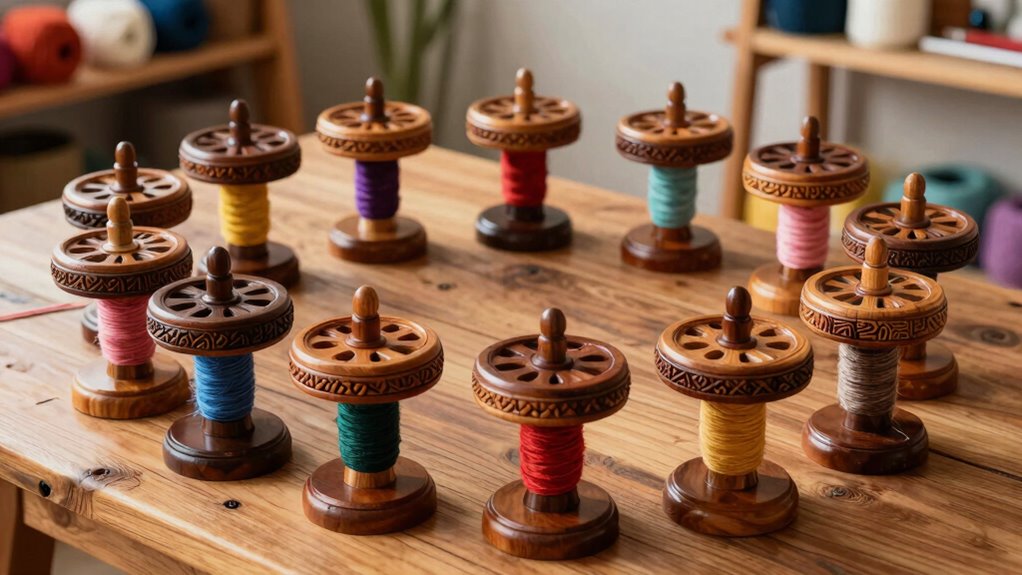

If you’re looking for the best spinning wheels for beginners in 2026, I recommend starting with devices that are easy to use, portable, and budget-friendly. Electric spinning wheels with adjustable speeds and features like reverse are great for smoother control, while manual hand spindles are perfect for simplicity and practice. Considering durability and compatibility with fabrics is key. Keep exploring—I’ll help you discover options that match your skill level and goals as you continue your journey into spinning.
Key Takeaways
- Focus on beginner-friendly wheels with simple setup, adjustable tension, and intuitive controls for easy learning.
- Prioritize portability, lightweight design, and durable materials like ABS or steel for long-term use.
- Consider compatibility with various fibers such as wool, cotton, or silk, and features supporting fiber prep.
- Look for models with helpful features like stepless speed control, dual-direction spinning, and clear tutorials.
- Choose affordable options within $50–$300 that offer good performance and ease of maintenance for beginners.
| Yarn Spin It Yourself: Beginner’s Guide to Spinning | Beginner-Friendly Guide | Power Source: Hand-powered (manual) | Capacity (Spool/Output): Not specified (general spinning) | Speed Adjustment: Yes, adjustable (manual) | VIEW LATEST PRICE | See Our Full Breakdown | |
| Start Spinning: Everything You Need to Know to Make Great Yarn | 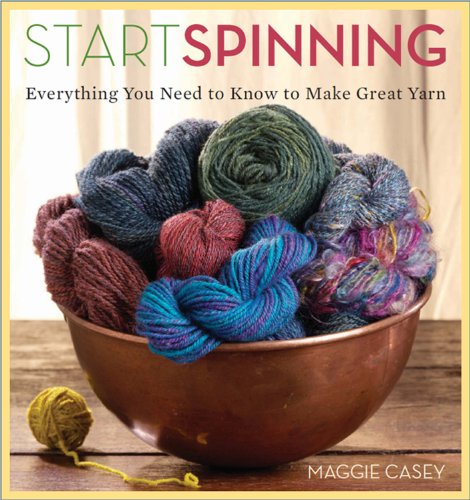 | Comprehensive Spinning | Power Source: Manual (hand spinning) | Capacity (Spool/Output): Not specified | Speed Adjustment: Yes, adjustable | VIEW LATEST PRICE | See Our Full Breakdown |
| How to Spin: From Choosing a Spinning Wheel to Making Yarn (Storey Basics) |  | Expert Introduction | Power Source: Manual (hand spinning) | Capacity (Spool/Output): Not specified | Speed Adjustment: Yes, adjustable | VIEW LATEST PRICE | See Our Full Breakdown |
| Secrets of Yarn Spinning: Learn to Spin Naturally |  | Visual Learning Aid | Power Source: Manual (hand spinning) | Capacity (Spool/Output): Not specified | Speed Adjustment: Yes, adjustable | VIEW LATEST PRICE | See Our Full Breakdown |
| Electric Spinning Wheel with Reverse & 4oz Capacity |  | Electric Convenience | Power Source: Electric (12V power) | Capacity (Spool/Output): 4oz (120g) | Speed Adjustment: Stepless speed control | VIEW LATEST PRICE | See Our Full Breakdown |
| Black Electric Fiber Wheel for Yarn Spinning |  | Versatile Electric | Power Source: Electric (12V power) | Capacity (Spool/Output): Not specified | Speed Adjustment: Seamless speed adjustment | VIEW LATEST PRICE | See Our Full Breakdown |
| How to Spin Wool into Yarn: Beginner’s Guide |  | Classic Wool Spinning | Power Source: Manual (hand spinning) | Capacity (Spool/Output): Not specified | Speed Adjustment: Variable speed (manual control) | VIEW LATEST PRICE | See Our Full Breakdown |
| Electric Fiber Wheel for Wool Knitting (3 Spools) |  | Modern Electric | Power Source: Electric (12V power) | Capacity (Spool/Output): 3 spools, 4oz each | Speed Adjustment: Seamless speed control | VIEW LATEST PRICE | See Our Full Breakdown |
| Mini Electric Spinning Wheel with Spools and Pedal |  | Digital Precision | Power Source: Electric (12V power) | Capacity (Spool/Output): Up to 8oz per spool | Speed Adjustment: Digital stepless control | VIEW LATEST PRICE | See Our Full Breakdown |
| PENN Rival Level Wind Conventional Fishing Reel |  | Saltwater Ready | Power Source: Manual/Electric (12V) | Capacity (Spool/Output): 3 spools, 4oz each | Speed Adjustment: Adjustable via knob | VIEW LATEST PRICE | See Our Full Breakdown |
| Yarn Spinning Handbook with Tools and Supplies |  | Compact Power | Power Source: Manual (hand spinning) | Capacity (Spool/Output): Not specified | Speed Adjustment: Digital display, adjustable | VIEW LATEST PRICE | See Our Full Breakdown |
| Spinning Wheels: Trial and Error Principle | DIY Focus | Power Source: Manual (hand spinning) | Capacity (Spool/Output): Not specified | Speed Adjustment: Not specified | VIEW LATEST PRICE | See Our Full Breakdown | |
| 6Pcs Wool Carder and Spindle Felting Kit | 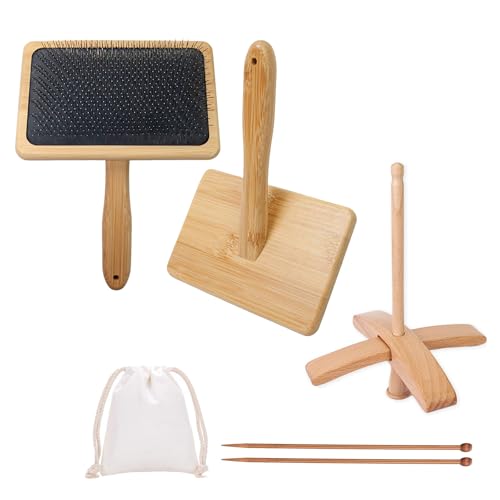 | Complete Kit | Power Source: Manual (hand spinning) | Capacity (Spool/Output): Not specified | Speed Adjustment: Adjustable, manual | VIEW LATEST PRICE | See Our Full Breakdown |
| Schylling Magnetic Gyro Wheel Balancing Spinning Toy |  | Nostalgic Fun | Power Source: Manual (hand spinning) | Capacity (Spool/Output): 3-4oz spools (varies) | Speed Adjustment: Digital, unlimited speed | VIEW LATEST PRICE | See Our Full Breakdown |
More Details on Our Top Picks
Yarn Spin It Yourself: Beginner’s Guide to Spinning
If you’re new to spinning, this beginner’s guide is perfect for you because it breaks down the process into simple, manageable steps. I found that starting with basic tools like hand spindles and spinning wheels makes a big difference. Preparing fibers by carding and combing ensures smooth, even yarn. Once you understand the tools and fiber prep, spinning becomes an enjoyable, relaxing craft. You’ll learn to spin singles, ply yarn, and create balanced threads. With practice, you can experiment with color blending and textured yarns. This guide makes spinning accessible, helping you transform fibers into beautiful, handcrafted yarns for your creative projects.
- Power Source:Hand-powered (manual)
- Capacity (Spool/Output):Not specified (general spinning)
- Speed Adjustment:Yes, adjustable (manual)
- Dual-Direction Spinning:Not specified
- Portability:Yes (hand-held, portable)
- Construction Material:Not specified (likely wood/metal)
- Additional Feature:Fiber preparation techniques
- Additional Feature:Creative project ideas
- Additional Feature:Finishing and maintenance tips
Start Spinning: Everything You Need to Know to Make Great Yarn
Starting to spin yarn can seem intimidating at first, but choosing the right tools makes all the difference. Whether you opt for a spindle or a wheel, I recommend following detailed instructions and troubleshooting tips to keep your spinning smooth. Selecting the right fiber—like wool, alpaca, or flax—and preparing it properly is essential for great results. As you transform fibers into yarn, focus on techniques that suit your project, and measure your yarn carefully to meet your needs. With patience and practice, you’ll craft beautiful yarn ready for knitting, crocheting, or weaving, making your spinning journey enjoyable and rewarding.
- Power Source:Manual (hand spinning)
- Capacity (Spool/Output):Not specified
- Speed Adjustment:Yes, adjustable
- Dual-Direction Spinning:Yes
- Portability:Yes
- Construction Material:Not specified
- Additional Feature:Yarn measurement guidance
- Additional Feature:Troubleshooting spinning issues
- Additional Feature:Applications for spun yarn
How to Spin: From Choosing a Spinning Wheel to Making Yarn (Storey Basics)
For beginners enthusiastic to learn the art of yarn spinning, choosing the right spinning wheel is essential to guarantee a smooth and enjoyable experience. I recommend considering your needs and preferences, such as wheel type and size, to find a suitable option. Once you have your wheel, the process involves preparing fibers through cleaning, carding, and drafting. Following clear, step-by-step instructions makes spinning accessible. Plying, winding, and finishing are next, transforming your spun fiber into professional-looking yarn. Throughout, visual aids and practical tips help troubleshoot common issues, ensuring your journey from fiber to yarn is successful and rewarding.
- Power Source:Manual (hand spinning)
- Capacity (Spool/Output):Not specified
- Speed Adjustment:Yes, adjustable
- Dual-Direction Spinning:Yes
- Portability:Yes
- Construction Material:Not specified
- Additional Feature:Visual instructional aids
- Additional Feature:Equipment selection advice
- Additional Feature:Plying and finishing techniques
Secrets of Yarn Spinning: Learn to Spin Naturally
Mastering the art of yarn spinning naturally is all about understanding your tools and techniques, especially if you’re just starting out. I’ve found that selecting the right tool, whether a drop spindle or spinning wheel, makes a big difference. Knowing how to adjust tension and gears helps create consistent yarns. Practice combining singles into two-ply yarns and learn finishing techniques to boost durability and appearance. Watching video lessons alongside written instructions really helped me grasp complex steps. Plus, with helpful coupons for supplies included in the guide, I felt confident beginning my spinning journey. Natural spinning is accessible and rewarding when you understand these core secrets.
- Power Source:Manual (hand spinning)
- Capacity (Spool/Output):Not specified
- Speed Adjustment:Yes, adjustable
- Dual-Direction Spinning:Yes
- Portability:Yes
- Construction Material:Not specified
- Additional Feature:Expert video lessons
- Additional Feature:Spinning tool comparisons
- Additional Feature:Spinning supply coupons
Electric Spinning Wheel with Reverse & 4oz Capacity
If you’re new to spinning and need a portable, easy-to-use machine, this electric spinning wheel with reverse and a 4-ounce capacity is an excellent choice. It features an 800 RPM high-torque motor that smoothly handles wool, cotton, silk, linen, pet hair, and blends. The compact, lightweight design (about 3.53 pounds) and no-assembly setup make it perfect for home, outdoor, or travel use. With stepless speed control and forward-reverse switching, you can easily customize your spinning. Its durable ABS and carbon-fiber construction ensure quiet, stable operation, ideal for beginners or hobbyists looking for versatility and convenience.
- Power Source:Electric (12V power)
- Capacity (Spool/Output):4oz (120g)
- Speed Adjustment:Stepless speed control
- Dual-Direction Spinning:Yes (forward/reverse)
- Portability:Yes (compact, lightweight)
- Construction Material:ABS, carbon fiber, steel
- Additional Feature:Stepless speed control
- Additional Feature:Portable, no assembly
- Additional Feature:Multiple fiber compatibility
Black Electric Fiber Wheel for Yarn Spinning
The Black Electric Fiber Wheel stands out as an ideal choice for beginners who want to simplify yarn spinning without sacrificing quality. It transforms fibers like wool, cotton, and silk into consistent yarns, making the process more efficient and enjoyable. With a powerful steel motor reaching 800 RPM and seamless speed control, you can easily adjust for delicate or thick strands. The dual-direction spinning allows for creating Z-Twist or S-Twist yarns. Its lightweight, tool-free assembly, and portability—thanks to 12V power compatibility—make it perfect for small projects. Overall, it’s a versatile, easy-to-use tool that boosts your spinning experience.
- Power Source:Electric (12V power)
- Capacity (Spool/Output):Not specified
- Speed Adjustment:Seamless speed adjustment
- Dual-Direction Spinning:Yes
- Portability:Yes
- Construction Material:Steel, carbon fiber, aluminum
- Additional Feature:Dual-direction spinning
- Additional Feature:Hollow, display design
- Additional Feature:Supports diverse fibers
How to Spin Wool into Yarn: Beginner’s Guide
For beginners enthusiastic to turn raw wool into beautiful yarn, choosing the right spinning tool makes all the difference. I recommend starting with a drop spindle or a beginner-friendly spinning wheel, as they’re simple to learn and effective. First, prepare your wool by cleaning, carding, and combing to align fibers smoothly. Then, control the twist as you draft fibers from the wool, gradually winding it onto your spindle or wheel. Practice maintaining consistent tension and twist, adjusting as needed. With patience and practice, you’ll develop a feel for creating balanced, strong yarns. This foundational skill opens the door to endless creative possibilities in your fiber art journey.
- Power Source:Manual (hand spinning)
- Capacity (Spool/Output):Not specified
- Speed Adjustment:Variable speed (manual control)
- Dual-Direction Spinning:Yes
- Portability:Yes
- Construction Material:Not specified
- Additional Feature:Wool fiber characteristics
- Additional Feature:Step-by-step spinning methods
- Additional Feature:Craftsmanship and creativity
Electric Fiber Wheel for Wool Knitting (3 Spools)
This electric fiber wheel with 3 spools stands out as a perfect choice for beginners who want a compact, efficient, and modern spinning solution. Its lightweight design, weighing about 2 kg, makes it easy to move and use anywhere. The powerful steel tube motor with adjustable speed up to 800 RPM offers seamless control for spinning fibers like wool, cotton, silk, and more. Dual-direction spinning helps create different twist types, perfect for plying or correcting mistakes. The hollow spool design lets you see your yarn develop in real-time, adding a touch of style and practicality. Overall, it simplifies spinning, making it ideal for home studios or on-the-go crafting.
- Power Source:Electric (12V power)
- Capacity (Spool/Output):3 spools, 4oz each
- Speed Adjustment:Seamless speed control
- Dual-Direction Spinning:Yes
- Portability:Yes
- Construction Material:Steel, plastic, aluminum
- Additional Feature:12V power compatibility
- Additional Feature:Multi-fiber support
- Additional Feature:Compact, lightweight design
Mini Electric Spinning Wheel with Spools and Pedal
Looking for an easy-to-use spinning wheel that combines portability with versatile features? The Mini Electric Spinning Wheel with Spools and Pedal is perfect for both beginners and experienced fiber artists. It spins fibers like wool, cotton, linen, and silk into yarns of various types. Its compact size makes it ideal for home use, and it offers precise control with adjustable forward and reverse switches, digital speed control, and a safe 12V power supply. With three spools, a pedal, and durable construction, this wheel provides flexibility and reliability for creative fiber projects. It’s a great choice to kickstart your spinning journey.
- Power Source:Electric (12V power)
- Capacity (Spool/Output):Up to 8oz per spool
- Speed Adjustment:Digital stepless control
- Dual-Direction Spinning:Yes
- Portability:Yes
- Construction Material:Plastic, metal, aluminum
- Additional Feature:Digital speed display
- Additional Feature:Adjustable forward/reverse
- Additional Feature:Two model options
PENN Rival Level Wind Conventional Fishing Reel
The PENN Rival Level Wind Conventional Fishing Reel stands out for anglers seeking durability and reliability in saltwater conditions. Made with a corrosion-resistant aluminum frame and black finish, it’s built to withstand harsh environments. Its lightweight graphite sideplates and frame make it comfortable for long fishing sessions without sacrificing strength. The gear ratio of 5.1:1 ensures smooth retrieval, while the HT-100 carbon fiber drag washers provide up to 15 pounds of smooth, consistent drag. With shielded stainless steel bearings and a marine-grade gear, it offers dependable performance and longevity. Its level wind system and line capacity rings make line management easy, making it a great choice for diverse saltwater fishing adventures.
- Power Source:Manual/Electric (12V)
- Capacity (Spool/Output):3 spools, 4oz each
- Speed Adjustment:Adjustable via knob
- Dual-Direction Spinning:Yes
- Portability:Yes
- Construction Material:Metal (aluminum/steel) with plastic parts
- Additional Feature:Saltwater resistant build
- Additional Feature:Line capacity rings
- Additional Feature:Quick engagement gears
Yarn Spinning Handbook with Tools and Supplies
A Yarn Spinning Handbook with Tools and Supplies is an invaluable resource for beginners enthusiastic to learn the craft. It offers clear guidance on essential tools like spindles, spinning wheels, and various fibers, explaining how each works and how to choose the right equipment. The book provides step-by-step instructions for spinning wool using drop spindles and wheels, along with techniques for drafting, plying, and troubleshooting common issues. It also covers finishing techniques such as washing, drying, and twisting yarns to ensure quality and durability. This extensive guide equips beginners with the knowledge to create beautiful, personalized yarns for all their textile projects.
- Power Source:Manual (hand spinning)
- Capacity (Spool/Output):Not specified
- Speed Adjustment:Digital display, adjustable
- Dual-Direction Spinning:Yes
- Portability:Yes
- Construction Material:Not specified
- Additional Feature:Troubleshooting spinning problems
- Additional Feature:Finishing and processing yarns
- Additional Feature:Equipment maintenance tips
Spinning Wheels: Trial and Error Principle
If you’re just starting out with spinning, understanding the trial and error principle behind building these wheels can be incredibly helpful. I learned this firsthand, creating 26 prototypes before designing a functional wheel. The process involved experimenting with different materials and techniques, often learning from mistakes along the way. This hands-on approach emphasizes patience and persistence, showing that building a good spinning wheel isn’t about perfection on the first try. Many of my wheels still operate across the UK, and some have even traveled internationally. My experience highlights that close attention, experimentation, and a willingness to learn are key to mastering this craft.
- Power Source:Manual (hand spinning)
- Capacity (Spool/Output):Not specified
- Speed Adjustment:Not specified
- Dual-Direction Spinning:Not specified
- Portability:Yes
- Construction Material:Not specified
- Additional Feature:Handmade from vintage parts
- Additional Feature:Iterative development process
- Additional Feature:Legacy of homemade wheels
6Pcs Wool Carder and Spindle Felting Kit
For beginners exploring fiber arts, the Pcs Wool Carder and Spindle Felting Kit offers an all-in-one solution that combines essential tools with portability. It includes two wool carding brushes, bamboo knitting needles, a Turkish drop spindle, and a large storage bag, making it perfect for organizing and on-the-go crafting. The Turkish spindle allows for creative, personalized yarns with center-pull balls, while the carding brushes make fiber preparation easy and comfortable. Designed for ease of use and efficiency, this kit is ideal for beginners and experienced artists alike. It also makes a thoughtful gift for anyone interested in spinning, felting, or knitting.
- Power Source:Manual (hand spinning)
- Capacity (Spool/Output):Not specified
- Speed Adjustment:Adjustable, manual
- Dual-Direction Spinning:Yes
- Portability:Yes
- Construction Material:Not specified
- Additional Feature:Fiber blending capability
- Additional Feature:Ergonomic carding brushes
- Additional Feature:Custom yarn creation
Schylling Magnetic Gyro Wheel Balancing Spinning Toy
The Schylling Magnetic Gyro Wheel Balancing Spinning Toy stands out as an ideal choice for beginners who enjoy classic, hands-on entertainment. Its retro design appeals to both kids and adults, offering mesmerizing visual effects and sensory stimulation. Made with a metal frame and a colorful plastic wheel with magnets, it requires no batteries—just a simple wrist flick to start spinning. The toy spins smoothly, even upside down, thanks to its magnetic and mechanical precision. Lightweight and easy to operate, it encourages active play, focus, and manual dexterity. It’s a timeless, engaging toy that combines nostalgia with straightforward fun for all ages.
- Power Source:Manual (hand spinning)
- Capacity (Spool/Output):3-4oz spools (varies)
- Speed Adjustment:Digital, unlimited speed
- Dual-Direction Spinning:Yes
- Portability:Yes
- Construction Material:Steel, plastic, aluminum
- Additional Feature:Magnetic balancing design
- Additional Feature:Manual wrist flicks
- Additional Feature:Nostalgic, sensory toy
Factors to Consider When Choosing a Spinning Wheel for Beginners

When selecting a spinning wheel, I take into account factors such as your budget and price range to find options that meet your needs. I also examine tool compatibility, ease of use, and portability to guarantee it’s appropriate for beginners. Finally, I verify fiber compatibility to match the wheel with your preferred materials and spinning style.
Budget and Price Range
Setting a clear budget before shopping is essential because beginner spinning wheels generally cost between $50 and $300, depending on their features and quality. I recommend choosing an option that offers essential functions like tension control and easy operation, ensuring good value for your money. Keep in mind that lower-priced wheels might have limited durability or fewer adjustable features, which could affect your long-term satisfaction. It’s smart to set a price range that matches your level of commitment and future spinning goals, so you don’t overspend on unnecessary features. Look for beginner-friendly wheels within your budget that come with positive reviews and guarantees. This way, you’ll have a reliable spinning experience without overextending your finances.
Tool Compatibility and Type
Choosing the right spinning wheel involves more than just budget; you also need to contemplate its compatibility with your workspace and the types of fibers you’ll be working with. Different wheel types, like upright, table, or portable models, suit various spaces and mobility needs. Spindle wheels tend to be more affordable and simple, making them perfect for beginners learning basic techniques. Additionally, consider how well the wheel handles different fibers—some are better suited for wool, while others excel with cotton or silk. The drive system, whether single or double drive, affects control over tension and speed. Finally, check for compatibility with various bobbin sizes and accessories like lazy kate or plying devices, which can expand your spinning options.
Ease of Use
A spinning wheel that’s easy to use can make all the difference for beginners just starting out. Look for one with straightforward assembly, minimal adjustments, and intuitive controls, so you can start spinning without frustration. Lightweight and portable designs reduce physical effort, making longer practice sessions more comfortable and enjoyable. Clear instructions, visual guides, and step-by-step tutorials are essential—they help you learn proper techniques quickly and confidently. Features like tension adjustments and simple speed controls allow you to experiment with different fiber thicknesses and styles easily. Additionally, a user-friendly wheel requires less maintenance and troubleshooting, so you can focus on spinning rather than fixing problems. Overall, ease of use boosts confidence and makes the learning process smoother for those new to fiber arts.
Portability and Storage
Portability and storage are key factors to contemplate when selecting a spinning wheel, especially for beginners who may need to practice in different locations or store their equipment easily. Lightweight wheels weighing under 5 pounds are perfect for on-the-go spinning, making it simple to carry to classes or parks. Compact designs with foldable or removable parts help save space and make storing your wheel in small closets or travel bags hassle-free. Wheels with built-in handles or shoulder straps add convenience for transporting your equipment. Additionally, choosing a wheel with a smaller spool capacity—around 2 to 4 ounces—reduces storage needs and makes handling easier. Finally, opt for a model that assembles without tools, so you can quickly set up or pack away your wheel whenever needed.
Fiber Compatibility
Selecting a spinning wheel that’s compatible with your fibers is essential for achieving smooth, consistent results. I recommend checking if the wheel can handle different fiber types like wool, cotton, silk, or blends, since versatility makes spinning more enjoyable. Make sure it can handle various textures, from fine and soft to coarse and bulky, so you’re prepared for different projects. The tension system should accommodate different fibers to prevent uneven spinning or breakage. Also, consider whether the bobbins and spools are suitable for the fiber’s diameter and weight, making handling easier. Finally, verify if the wheel supports fiber pre-drafting and drafting techniques specific to your fibers, ensuring ideal control and quality in your spinning. Proper fiber compatibility helps you get the best results every time.
Maintenance Requirements
Maintaining a spinning wheel is essential to guarantee it runs smoothly and lasts for years. Regular cleaning of parts like the drive band and flyer prevents dust and fiber buildup that can hinder performance. Lubricating the bearings and joints periodically ensures smooth operation and reduces wear. It’s also important to check and tighten screws and bolts regularly, keeping the wheel stable and safe during use. Replacing worn or damaged drive belts and cords promptly avoids operational disruptions and maintains consistent tension. Proper storage in a dry, dust-free environment further extends the wheel’s lifespan and minimizes maintenance needs. By staying on top of these simple tasks, you’ll keep your wheel in top condition, making spinning easier and more enjoyable over time.
Skill Level Suitability
Choosing the right spinning wheel for beginners depends largely on its ease of use and how well it matches your skill level. Look for a wheel with minimal setup and straightforward operation, so you can focus on learning without frustration. Adjustable tension and speed settings are essential—they allow you to practice different techniques and develop control gradually. Lightweight and portable wheels are ideal, making handling and storage easier as you progress. Additionally, wheels with clear instructions or tutorials help you understand basic functions and improve faster. Simple designs without complex features are best, as they reduce intimidation and let you concentrate on mastering fundamental spinning techniques. Overall, select a wheel that’s beginner-friendly, adaptable, and easy to use.
Frequently Asked Questions
What Safety Precautions Are Recommended for Beginners Using Spinning Wheels?
When starting with spinning wheels, I always recommend wearing snug-fitting clothes and removing jewelry to prevent anything from catching. I make sure to keep my hands and fingers clear of moving parts and never rush the process. It’s important to read the manual carefully, wear safety glasses if needed, and work in a well-lit, clutter-free space. Taking these precautions helps me stay safe and enjoy spinning without accidents.
How Do Different Wheel Materials Affect Spinning Quality and Durability?
Imagine spinning on a wheel like carving a sculpture; the material shapes your experience. I’ve found that wooden wheels offer a warm, smooth ride, enhancing yarn quality and durability, while synthetic materials like plastic are lightweight and affordable but may wear faster. Different materials influence how evenly your wheel spins and how long it lasts, so choosing based on your needs guarantees a smoother, more enjoyable spinning journey.
Can I Use Synthetic Fibers on Traditional Spinning Wheels?
Yes, you can use synthetic fibers on traditional spinning wheels. I’ve done it myself, and it works well with proper adjustments. Synthetic fibers like nylon and acrylic spin smoothly and produce strong yarns, but they may require a bit more tension control. Just make sure your wheel’s whorls and tension mechanisms are compatible, and you’ll enjoy spinning synthetic fibers just as much as natural ones.
What Maintenance Is Required to Keep a Spinning Wheel in Optimal Condition?
Did you know that regular maintenance can double your spinning wheel’s lifespan? To keep it in top shape, I recommend cleaning it after each use, lubricating moving parts every few months, and tightening any loose components. I also check the drive band and tension settings regularly. With proper care, your wheel will spin smoothly and last for years, making your fiber arts journey even more enjoyable.
Are There Specific Spinning Techniques Suited for Different Fiber Types?
Yes, I find that different fiber types benefit from specific spinning techniques. For example, when I spin wool, I use a drafting method that emphasizes smooth, even twists to keep the fiber’s natural elasticity. For silk or fine fibers, I adopt a more delicate, controlled approach to avoid breakage. Adjusting my technique to match the fiber’s characteristics helps me achieve better yarn quality and more consistent results.
Conclusion
Whether you’re just starting out or looking to refine your craft, choosing the right spinning wheel is like finding the perfect dance partner—guiding you smoothly through every twist and turn. With a little patience and the right equipment, you’ll be weaving beautiful yarns in no time. Remember, every spin brings you closer to turning raw fibers into art—so embrace the journey and let your creativity flow like a gentle river.