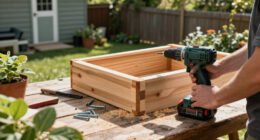

This checklist is for DIY woodworkers who want to prepare for common shop tasks with practical safety gear. It covers eye, hearing, hand, and knee protection, along with respirator and first aid guidance.

Get business pricing on tools and workshop supplies
- Business-only prices and quantity discounts
- Tax-exempt purchasing
- Multiple users, one account, clear invoices
Each section focuses on one gear slot and explains what to consider when choosing it. Named products are included where provided; sections without a pick offer selection advice instead.
Use the checklist before setting up a project: match protection to the task, check that gear fits comfortably, and follow the product maker’s instructions. Treat each item as one part of a thoughtful safety routine.
Safety Glasses
Safety glasses help protect your eyes while you work in a woodworking area. For this slot, the pick is the 3M Solus 1000 Safety Glasses with Scotchgard Anti-Fog Coating, Clear L. Look for a secure, comfortable fit that stays in place as you move, and check that the lenses give you a clear view of your work. Comfort and visibility matter because glasses that distract or shift can make it harder to focus.
A common mistake is choosing eyewear based on appearance or lens features alone without considering how it fits your face. Before relying on a pair, try it on and check for gaps, pressure points, or slipping. Make sure it works with any other gear you expect to wear, such as earmuffs or a respirator. Check compatibility with your full setup, and follow the maker’s care and use instructions. Replace or clean eyewear according to those instructions so your view remains unobstructed.
What to look for:
- A fit that stays secure during movement
- Clear vision while working
- Comfort without distracting pressure points
- Compatibility with earmuffs and a respirator
- Care and use instructions from the maker
3M Solus 1000 Safety Glasses with Scotchgard Anti-Fog Coating, Clear Lens, Blue/

Protective safety glasses featuring 3M’s Scotchgard anti-fog coating, which bonds to the polycarbonate lenses to keep them clear longer than regular coatings. Designed for demanding conditions including hot and humid environments, indoor and outdoor work.
Pros:
- Scotchgard anti-fog coating keeps lenses clear longer than standard coatings
- Polycarbonate lenses block 99.9% of UV rays
- Meets ANSI Z87.1 and CSA Z94.3 high impact standards
- Soft nose bridge and padded temples for comfortable extended wear
Cons:
- Not for consumer use — industrial/occupational use only
Best for: Woodworkers looking for the named clear safety glasses
Not ideal for: Anyone who has not checked how this fit works with their other gear
Bottom line: Try the glasses with your full gear setup and make sure they stay comfortable and clear.
Hearing Protection Earmuffs
Hearing protection belongs on the checklist for woodworking tasks where shop tools make noise. The named pick is Peltor Sport Tactical 500 Bluetooth Hearing Protection Ear Muffs. When considering earmuffs, focus on a comfortable fit that stays in position and works with the rest of your protective gear. Consistent coverage is easier to maintain when the headband and ear cups feel right for you.
One common buying mistake is assuming one style will fit every head or work with every setup. Try earmuffs on alongside your safety glasses, and check whether the combination remains comfortable without shifting either item. Consider whether the controls and features are straightforward for your intended use, and follow the maker’s instructions for operation and care. Test the full combination before beginning a task, and use the protection as directed. A product name alone does not establish whether a particular fit or feature set suits your work habits.
What to look for:
- Ear cups that sit comfortably over the ears
- A headband that stays in position
- Compatibility with safety glasses
- Controls you can use as intended
- Clear operating and care instructions
Peltor Sport Tactical 500 Bluetooth Hearing Protection Ear Muffs
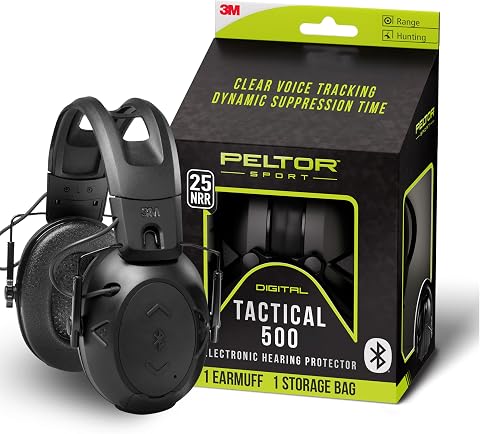
These electronic hearing protection ear muffs offer a noise reduction rating of 25 dB and adapt to loud noises like gunshots, providing enhanced situational awareness. They feature Bluetooth connectivity, comfortable design, and are suitable for shooting, hunting, mowing, and other loud environments.
Pros:
- Active noise reduction adapts to loud impulse noises for better protection
- Bluetooth connectivity allows wireless audio streaming
- Comfortable, low-profile design suitable for extended wear
- Recessed microphones enhance vocal clarity
Cons:
- Requires batteries or rechargeable pack (not included)
- Bulkier design may be less portable for some users
Best for: Woodworkers considering the named earmuffs
Not ideal for: Anyone who has not tried the fit with their other gear
Bottom line: Check the earmuff fit alongside your glasses and follow the maker’s directions.
Respirator Masks
A respirator is a gear slot to consider when a project calls for respiratory protection. This checklist provides advice only, with no specific product pick. Start by identifying the task and reviewing the product maker’s guidance to determine what type of protection is appropriate. Match protection to the task instead of choosing by appearance or convenience.
Fit and compatibility are easy to overlook. Check that the respirator seals as intended for you, and consider how it works with safety glasses and earmuffs. Facial hair, head shape, and the position of straps can affect how a particular model fits; consult the maker’s instructions and any applicable workplace guidance. A common mistake is assuming that a mask that feels comfortable provides the required protection. Follow fit and use instructions, and replace filters or components as directed by the maker. If you cannot establish which protection a task requires, seek qualified guidance before proceeding.
What to look for:
- Protection appropriate to the task
- A fit that seals as directed
- Compatibility with glasses and earmuffs
- Clear instructions for use and care
- Filter or component replacement guidance
Cut-Resistant Gloves
Gloves may be useful for some handling tasks, and the named pick is MaxiFlex 34-874 Seamless Nylon Gloves with Nitrile Micro-Foam Grip. When comparing gloves, look for a fit that allows controlled handling without excess material at the fingertips. Dexterity and secure grip are practical considerations when working with materials and tools.
A common mistake is treating gloves as a substitute for safe tool handling or assuming one glove is right for every operation. Check the maker’s guidance to understand the intended use, fit, and limitations of this pair. Try them on and check for pinching, slipping, or restricted movement. Consider how they fit with any other protective equipment you wear. Use gloves only as directed, and assess whether they are appropriate for the particular task before putting them on. Keep them in good condition according to the care instructions.
What to look for:
- A close fit without excess fingertip material
- Grip that suits the intended handling task
- Finger movement that feels controlled
- Compatibility with other protective gear
- Maker guidance on intended use and limitations
MaxiFlex 34-874 Seamless Nylon Gloves with Nitrile Micro-Foam Grip

These seamless nylon and Lycra blend gloves have a nitrile micro-foam coating on the palms and fingers for grip in dry and slightly wet or oily conditions. Their breathable, close-fitting design supports fingertip sensitivity and dexterity while helping reduce hand fatigue.
Pros:
- Breathable coating helps reduce sweating
- Micro-cup finish supports controlled grip
- Close fit and flexible fingertips support dexterity
- Designed to reduce hand fatigue
Cons:
- Not intended for washing, according to the care instructions
- Back pattern may vary between versions
Best for: Woodworkers considering the named gloves for suitable handling work
Not ideal for: Anyone who has not checked whether gloves suit a specific operation
Bottom line: Check the fit and intended use, and follow the glove maker’s guidance for each task.
Knee Pads
Knee pads can add comfort when a project involves kneeling. The pick is Troxell USA SuperSoft Leatherhead Kneepads (Large, Pair). For this slot, pay attention to how the pads fit and stay in place as you change position. Stable, comfortable coverage can make it easier to focus on the work at hand.
A frequent mistake is selecting pads by size label alone. Try them on and check whether the straps feel secure without pinching, whether the pads remain centered when you move, and whether they work with the clothing you expect to wear. The listed pick is Large, so confirm that this size suits you rather than assuming it will. Check fit in motion, including kneeling and standing, before relying on the pads for a project. Follow the maker’s instructions for adjustment, use, and care.
What to look for:
- A size that fits your knees comfortably
- Pads that remain centered as you move
- Straps that feel secure without pinching
- Compatibility with your work clothing
- Clear adjustment and care instructions
Troxell USA SuperSoft Leatherhead Kneepads (Large, Pair)

These kneepads feature ultra-soft cushioning with premium foam padding to reduce knee strain. Made with durable materials and non-slip neoprene straps, they provide a secure fit and are machine washable for easy cleaning.
Pros:
- Ultra-soft cushioning reduces knee fatigue
- Non-slip neoprene straps stay securely in place
- Durable construction withstands harsh conditions
- Machine washable for easy maintenance
Cons:
- Only available in large size
- May be bulky for some users
Best for: DIYers considering the named Large pair
Not ideal for: Anyone who has not confirmed the Large size fits
Bottom line: Try the pads on with your work clothes and check their stability as you move.
First Aid Kit
A first aid kit is a practical item to consider for a woodworking space. This checklist offers advice only and does not name a product. Choose a kit that is easy to locate and that suits the people and activities in your shop. Easy access matters: decide where it will live before a project begins and make sure everyone working there knows the location.
A common mistake is buying a kit and then leaving it unexamined. Check its contents, instructions, and any use-by dates, and restock items as needed according to the kit maker’s guidance. Consider whether the kit is appropriate for the number of people who use the space and the kinds of tasks they do. Review it regularly so missing or expired items do not go unnoticed. Keep emergency contact information and any relevant instructions accessible, and seek professional medical help when a situation calls for it.
What to look for:
- A location that is easy to reach
- Contents suited to the shop’s users and activities
- Readable instructions
- A way to check dates and replace used items
- A regular review and restocking routine
If you are building your setup gradually, prioritize the gear that matches your next project and the protection it calls for. Check fit and compatibility before buying, then add the other checklist items as your work requires. Let the task guide the order, and use maker instructions to confirm how each item should be worn and cared for.
Small preparation steps can make your shop routine more deliberate. Keep your gear accessible, check its condition, and pause when you are unsure whether it is suitable for a task. A careful checklist helps you prepare with confidence as you take on new woodworking projects.