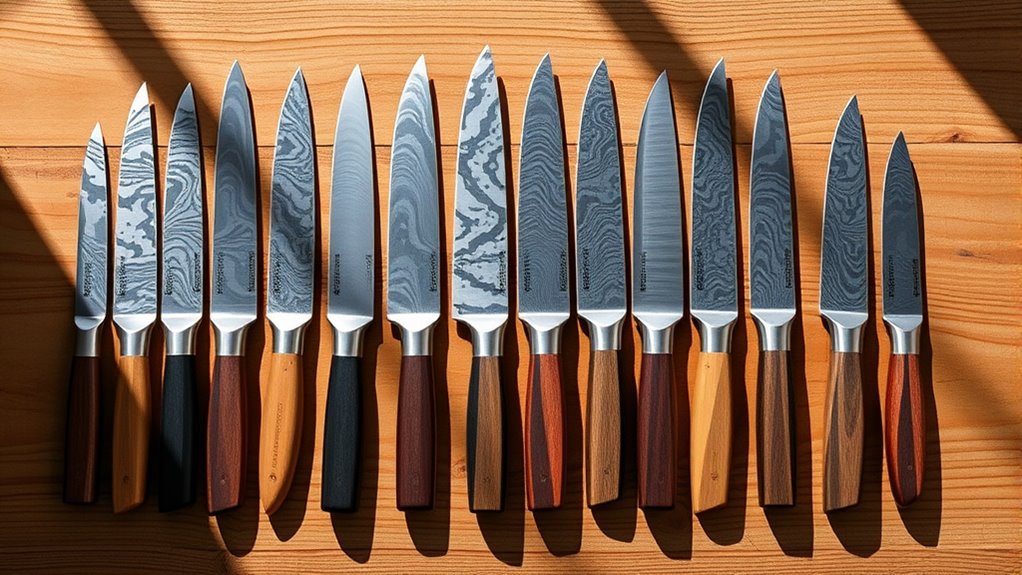

When searching for the ideal nakiri knife, you’re looking for a tool that offers precise, effortless vegetable chopping with a lightweight, balanced feel. The HOSHANHO 7 Inch Nakiri stands out as the best overall due to its sharpness and balanced design, while the KEEMAKE Damascus Nakiri offers premium craftsmanship at a competitive price. The main tradeoffs involve balancing cutting performance with comfort, durability, and price. Cheaper options may lack the edge retention or ergonomic features of higher-end models. Continue reading for a detailed breakdown of these knives to find the best fit for your kitchen needs.

Get business pricing on tools and workshop supplies
- Business-only prices and quantity discounts
- Tax-exempt purchasing
- Multiple users, one account, clear invoices
Complete the kit


Key Takeaways
- The top-ranked nakiri knives excel in edge sharpness and edge retention, essential for clean vegetable cuts.
- Comfort and balance vary significantly; ergonomic handles are a key factor for extended prep sessions.
- Higher-priced models often feature premium steels like VG10 or Damascus layers, improving durability and aesthetics.
- Budget options can perform well for casual use but may require more frequent sharpening and less robust construction.
- Specialized nakiris, such as those with hand-forged blades, tend to offer superior craftsmanship but at a premium price.
| HOSHANHO 7 Inch Nakiri Knife, Ultra Sharp Japanese Kitchen Chef Knife |  | Best Overall for Precision and Style | Blade Length: 7 inches | Material: Japanese 10Cr15CoMoV high carbon stainless steel | Blade Hardness: 60HRC | VIEW ON AMAZON | See Our Full Breakdown |
| Sunnecko Nakiri Knife – 7″ Chef Knife for Vegetables, Meat, and Chopping |  | Best for Balanced Control and Traditional Craftsmanship | Blade Length: 7 inches | Material: High-carbon stainless steel | Handle Material: Pakkawood | VIEW ON AMAZON | See Our Full Breakdown |
| KAWAHIRO Japanese Nakiri Knife, 7 Inch Handcrafted VG10 High Carbon Stainless Steel Vegetable Chef Knife with Ergonomic Ruby Wood Handle and Gift Wood Box |  | Best for Luxury and Precision Craftsmanship | Blade Length: 7 inches | Material: VG-10 high carbon stainless steel | Hardness: 62 HRC | VIEW ON AMAZON | See Our Full Breakdown |
| KEEMAKE Nakiri Chef Knife, 7 Inch, 67-Layer Damascus Japanese Knife |  | Best for Versatile and Elegant Food Prep | Blade Length: 7 inches | Steel Type: VG10 Damascus Steel | Layers: 67 layers | VIEW ON AMAZON | See Our Full Breakdown |
| DiiHAUZZ 7 Inch Nakiri Knife, High Carbon Steel Kitchen Cleaver with Sheath |  | Best for Everyday Durability and Functionality | Blade Material: 5Cr15MoV high-carbon steel | Blade Length: 7 inches | HRC: 59 | VIEW ON AMAZON | See Our Full Breakdown |
| ZWILLING Gourmet 6.5-inch Razor-Sharp German Nakiri Knife |  | Best Overall for Balance and Precision | Blade Length: 6.5 inches | Material: High-carbon no-stain steel | Handle Material: POM with stainless steel rivets | VIEW ON AMAZON | See Our Full Breakdown |
| Milk Street 6.75-inch Nakiri Knife by Christopher Kimball |  | Best for Ergonomic Control and Vegetable Precision | Blade Length: 6.75 inches | Material: 1.4116 German Steel | Blade Height: 2 inches | VIEW ON AMAZON | See Our Full Breakdown |
| Cuisinart 7-Inch Nakiri Knife with Blade Guard |  | Best for Safe Storage and Basic Vegetable Prep | Blade Length: 7 inches | Material: Stainless Steel | Includes: Blade guard | VIEW ON AMAZON | See Our Full Breakdown |
| Shun Classic 6.5″ Nakiri Knife |  | Best for Traditional Handcrafted Japanese Craftsmanship | Blade Length: 6.5 inches | Steel Type: VG-MAX steel with Damascus cladding | Handle Material: Pakkawood | VIEW ON AMAZON | See Our Full Breakdown |
| PAUDIN Nakiri Knife – 7″ Razor Sharp Meat and Vegetable Kitchen Knife |  | Best for Versatility in Prep Tasks | Blade Length: 7 inches | Steel Type: 5Cr15Mov stainless steel | Hardness: 56+ | VIEW ON AMAZON | See Our Full Breakdown |
| Shun Premier 5.5-Inch Nakiri Knife |  | Best Overall for Traditional Craftsmanship and Precision | Blade Length: 5.5 inches | Material: VG-MAX steel with Damascus cladding | Finish: Hammered tsuchime | VIEW ON AMAZON | See Our Full Breakdown |
| Imarku 7 Inch Nakiri Knife – Razor Sharp Japanese Kitchen Chef Knife |  | Best for Precise, Professional-Grade Cutting | Blade Length: 7 inches | Blade Material: High-carbon stainless steel | Handle Material: Pakkawood | VIEW ON AMAZON | See Our Full Breakdown |
| FAMCÜTE 7” Nakiri Knife, Hand-Forged Ultra Sharp Chef Knife Gifts for Men |  | Best for Stylish, Daily Vegetable Prep with Lasting Sharpness | Blade Length: 7 inches | Steel Type: 5-layer 9Cr18MoV steel | Hardness: HRC 62 | VIEW ON AMAZON | See Our Full Breakdown |
| Mercer Culinary Genesis 7-Inch Nakiri Vegetable Knife, Black |  | Best for Balanced Control and Professional Use | Blade Length: 7 inches | Material: High-carbon German steel | Handle: Nonslip Santoprene | VIEW ON AMAZON | See Our Full Breakdown |
| nakiri knife | Blade Length | Handle Material | Material |
|---|---|---|---|
| HOSHANHO 7 Inch Nakiri Knife | 7 inches | Pakkawood | Japanese 10Cr15CoMoV high carbon stainless steel |
| Sunnecko Nakiri Knife | 7 inches | Pakkawood | High-carbon stainless steel |
| KAWAHIRO Japanese Nakiri Knife | 7 inches | Ruby wood with turquoise and ebony accents | VG-10 high carbon stainless steel |
| KEEMAKE Nakiri Chef Knife | 7 inches | Pakkawood | — |
| DiiHAUZZ 7 Inch Nakiri Knife | 7 inches | Pakkawood | — |
| ZWILLING Gourmet 6.5-inch Razo | 6.5 inches | POM with stainless steel rivets | High-carbon no-stain steel |
| Milk Street 6.75-inch Nakiri K | 6.75 inches | Dual polymer core with textured finish | 1.4116 German Steel |
| Cuisinart 7-Inch Nakiri Knife | 7 inches | — | Stainless Steel |
| Shun Classic 6.5" Nakiri Knife | 6.5 inches | Pakkawood | — |
| PAUDIN Nakiri Knife | 7 inches | Pakkawood | — |
| Shun Premier 5.5-Inch Nakiri K | 5.5 inches | — | VG-MAX steel with Damascus cladding |
| Imarku 7 Inch Nakiri Knife | 7 inches | Pakkawood | — |
| FAMCÜTE 7” Nakiri Knife | 7 inches | Rosewood | — |
| Mercer Culinary Genesis 7-Inch | 7 inches | — | High-carbon German steel |
More Details on Our Top Picks
HOSHANHO 7 Inch Nakiri Knife, Ultra Sharp Japanese Kitchen Chef Knife
The HOSHANHO 7-inch Nakiri distinguishes itself with an ultra-sharp edge made from high carbon stainless steel, offering precise control for vegetable and fruit prep. Its ergonomic pakkawood handle provides comfort during extended chopping, making it a solid choice for home cooks who value both performance and aesthetics. Compared to the Sunnecko Nakiri, which also features a 7-inch blade and ergonomic handle, the HOSHANHO’s hand-polished blade with a 15-degree edge delivers a slightly more refined slicing experience, though it requires careful handling to maintain its sharpness. Its stylish, scalloped non-stick side adds visual flair, but the handle may need maintenance over time. This pick suits those seeking a versatile, stylish, and precise tool for daily use.
Pros:- Ultra-sharp, hand-polished edge for precise cuts
- Ergonomic pakkawood handle for comfort and balance
- Stylish, non-stick scalloped side enhances aesthetics
Cons:- Requires careful handling to prevent dulling or damage
- Pakkawood handle may need periodic maintenance
- Limited to 7-inch size, which may not suit all tasks
Best for: Cooks who prioritize precision, style, and a sharp edge for vegetable and fruit prep in a stylish package
Not ideal for: Beginners or those unfamiliar with high-maintenance blades, as it requires careful handling to keep sharpness
- Blade Length:7 inches
- Material:Japanese 10Cr15CoMoV high carbon stainless steel
- Blade Hardness:60HRC
- Handle Material:Pakkawood
- Blade Edge:15 degree
Our verdict“This knife is ideal for experienced cooks seeking a stylish, precise nakiri for everyday vegetable prep.”
Sunnecko Nakiri Knife – 7″ Chef Knife for Vegetables, Meat, and Chopping
The Sunnecko Nakiri stands out for its ultra-sharp 12° edge, which ensures smooth slicing through vegetables, fruits, and boneless meats. Its ergonomic, non-slip pakkawood handle offers excellent comfort, making it suitable for those who want extended control without fatigue. When compared with the HOSHANHO, the Sunnecko’s slightly wider handle and traditional Japanese craftsmanship give it a more familiar feel for traditionalists, though its handle may require maintenance to prevent drying. The included protective sheath adds to its practicality for storage. This knife is best for home cooks and professionals who prioritize balance and a sharp edge for versatile prep tasks.
Pros:- Ultra-sharp 12° edge for effortless slicing
- Ergonomic, non-slip handle for extended use
- Traditional craftsmanship with stylish wavy pattern
Cons:- Handle may require maintenance to prevent cracking
- Limited to 7 inches, restricting some larger prep tasks
- Requires careful cleaning to prevent rust
Best for: Home cooks and professionals seeking a balanced, comfortable knife with a sharp edge for various kitchen tasks
Not ideal for: Users who prefer low-maintenance handles or are concerned about handle dryness, or those needing a larger or different-sized blade
- Blade Length:7 inches
- Material:High-carbon stainless steel
- Handle Material:Pakkawood
- Weight:0.48 lbs
- Edge Angle:12° double-bevel
- Includes:Protective blade sheath
Our verdict“Ideal for cooks who value control and traditional Japanese design in a balanced, sharp knife.”
KAWAHIRO Japanese Nakiri Knife, 7 Inch Handcrafted VG10 High Carbon Stainless Steel Vegetable Chef Knife with Ergonomic Ruby Wood Handle and Gift Wood Box
The KAWAHIRO Nakiri is crafted with VG-10 super steel, offering exceptional sharpness and durability that surpasses many standard high-carbon steels. Its handcrafted design with an ergonomic ruby wood handle provides a luxurious feel and comfort for prolonged chopping sessions. Packaged in a wooden gift box, it’s perfect for gifting or serious culinary enthusiasts. Compared to the Keemake Damascus, the KAWAHIRO’s VG-10 steel offers higher edge retention and sharper slicing, though its premium price might deter casual cooks. Hand sharpening requires skill or professional service, adding a layer of maintenance. This knife is best suited for those who want a high-end, decorative, and precise vegetable knife.
Pros:- VG-10 super steel for exceptional sharpness and durability
- Handcrafted, luxurious design with ruby wood handle
- Beautiful gift box enhances presentation
Cons:- High price may be prohibitive for casual users
- Requires professional sharpening to maintain edge
- Handle may feel less synthetic or modern for some users
Best for: Culinary enthusiasts and gift buyers willing to invest in a premium, handcrafted nakiri for precise and luxurious prep
Not ideal for: Casual home cooks or those seeking a budget-friendly, low-maintenance option, due to its high price and sharpening needs
- Blade Length:7 inches
- Material:VG-10 high carbon stainless steel
- Hardness:62 HRC
- Handle Material:Ruby wood with turquoise and ebony accents
- Sharpening Method:Traditional wet stone
- Includes:Gift wooden box, certificate, manual, wipe cloth
Our verdict“This knife is best for serious cooks or collectors seeking a handcrafted, visually stunning, high-performance nakiri.”
KEEMAKE Nakiri Chef Knife, 7 Inch, 67-Layer Damascus Japanese Knife
The KEEMAKE Nakiri combines a VG10 Damascus steel core with an impressive 67-layer layered construction, delivering both sharpness and aesthetic appeal. Its hammered finish minimizes sticking, making vegetable prep cleaner and more efficient. The full-tang Pakkawood handle provides balanced comfort, and the included wooden sheath adds elegance and safety for storage or display. Compared with the DiiHAUZZ, which also features Damascus steel, the KEEMAKE’s layered construction enhances strength and visual complexity, but it comes at a higher price point. Careful handling is essential to maintain its sharpness and finish. It’s suitable for users looking for a high-performance yet stylish kitchen tool.
Pros:- Sharp VG10 Damascus steel core with 67 layers for strength
- Hammered finish reduces food sticking
- Full-tang construction with elegant wooden sheath
Cons:- Premium cost may be high for casual users
- Requires careful handling and hand washing
- Hand wash recommended to preserve finish
Best for: Home cooks and food enthusiasts who want a visually striking, versatile nakiri for a range of prepping tasks
Not ideal for: Cooks seeking budget-friendly options or those who prefer low-maintenance, simple blades
- Blade Length:7 inches
- Steel Type:VG10 Damascus Steel
- Layers:67 layers
- Handle Material:Pakkawood
- Included Components:Ash sheath, manual
Our verdict“This knife is perfect for those who want a high-end, stylish, and versatile nakiri for everyday slicing and chopping.”
DiiHAUZZ 7 Inch Nakiri Knife, High Carbon Steel Kitchen Cleaver with Sheath
The DiiHAUZZ 7-inch Nakiri offers a straightforward, high-quality high-carbon steel blade hardened to 59 HRC, providing dependable edge retention and easy slicing of vegetables and meats. Its ergonomic Pakkawood handle resists cracking and warping, suited for daily use. Its etched Damascus pattern adds a subtle decorative touch, though it’s primarily a functional tool. Compared to the Sunnecko Nakiri, DiiHAUZZ’s focus on durability and simplicity makes it ideal for users who prefer a low-maintenance, robust knife. The included sheath and gift box enhance its presentation, making it a practical gift as well. This model is best for those who want a reliable, everyday nakiri for routine tasks.
Pros:- High-carbon steel blade with good edge retention
- Ergonomic, crack-resistant Pakkawood handle
- Includes sheath and gift box for easy storage and gifting
Cons:- Not dishwasher safe; hand wash recommended
- Requires maintenance to preserve finish
- Etched pattern may wear over time with heavy use
Best for: Home cooks and professionals needing a durable, easy-care vegetable knife for daily prep
Not ideal for: Cooks seeking high-end, handcrafted, or decorative knives, or those who prefer stainless steel over high-carbon steel
- Blade Material:5Cr15MoV high-carbon steel
- Blade Length:7 inches
- HRC:59
- Handle Material:Pakkawood
- Blade Pattern:Etched Damascus
- Includes:Sheath, gift box
Our verdict“This knife is well-suited for daily kitchen use where durability and straightforward performance matter most.”
ZWILLING Gourmet 6.5-inch Razor-Sharp German Nakiri Knife
The ZWILLING Gourmet Nakiri stands out for its exceptional sharpness and balanced design, making it an excellent choice for everyday vegetable prep. Its high-carbon no-stain steel ensures long-lasting edge retention, surpassing many budget options like the PAUDIN Nakiri, which, while versatile, may not match its durability. Compared to the Shun Classic, it offers less traditional craftsmanship but at a more approachable price point. Its main tradeoff is that it might require careful handling to maintain its edge, and dishwasher use is discouraged, which could be inconvenient. This pick makes the most sense for home cooks seeking a reliable, sharp, and well-balanced knife for daily vegetable tasks.
Pros:- Exceptional sharpness and edge retention
- Durable, corrosion-resistant steel
- Balanced design for comfortable handling
Cons:- Requires careful handling to maintain sharpness
- Potentially expensive compared to entry-level options
- Not dishwasher safe, may need hand washing
Best for: Professional home cooks who prioritize durability, balance, and precise cuts
Not ideal for: Beginners or those who prefer dishwasher-safe knives for easy cleanup
- Blade Length:6.5 inches
- Material:High-carbon no-stain steel
- Handle Material:POM with stainless steel rivets
- Made in:Germany
- Blade Type:Nakiri
Our verdict“This knife is ideal for serious cooks who want a high-quality, balanced knife for daily vegetable prep.”
Milk Street 6.75-inch Nakiri Knife by Christopher Kimball
This Milk Street Nakiri offers a slightly longer blade at 6.75 inches, designed for precise vegetable chopping with a focus on control. Its textured blade and ergonomic handle provide a secure grip, making it well-suited for home chefs who want comfort during extended prep sessions. Unlike the Shun Classic, which is handcrafted and visually stunning, the Milk Street’s textured blade enhances grip but may require more attentive cleaning to prevent food build-up. It demands hand washing and sharpening at a 17-degree angle, adding a maintenance step that some might find inconvenient. This knife makes the most sense for cooks who prioritize control and comfort over traditional aesthetics.
Pros:- Ergonomic, textured handle for secure grip
- Sharp, durable German steel blade
- Designed for precise vegetable chopping
Cons:- Requires hand washing and immediate drying
- Needs regular sharpening at specific angles
- Not dishwasher safe, adding maintenance
Best for: Home chefs seeking a comfortable, control-focused vegetable knife with textured grip
Not ideal for: Those who prefer low-maintenance, dishwasher-safe knives or less frequent sharpening
- Blade Length:6.75 inches
- Material:1.4116 German Steel
- Blade Height:2 inches
- Handle Material:Dual polymer core with textured finish
- Blade Pattern:Embossed file pattern
Our verdict“This pick is well-suited for cooks who value comfort and control during vegetable prep and don’t mind extra maintenance.”
Cuisinart 7-Inch Nakiri Knife with Blade Guard
The Cuisinart 7-Inch Nakiri offers a straightforward, stainless steel blade ideal for precise vegetable slicing and dicing. Its inclusion of a blade guard makes safe storage convenient, especially for busy kitchens or those with limited drawer space. Compared to the Shun Classic, it lacks handcrafted details and the traditional Damascus aesthetics but makes up for simplicity and safety. Its main limitation is that it focuses solely on vegetables, with no ergonomic handle details or advanced features, which might affect comfort during extended use. This knife makes the most sense for casual cooks or those in need of a reliable, no-fuss vegetable cutter with safe storage options.
Pros:- Sharp stainless steel blade for precise cuts
- Includes a blade guard for safe storage
- Ideal for vegetable chopping and general prep
Cons:- Limited to vegetable chopping only
- Lacks ergonomic or handle comfort features
- No dishwasher safety instructions
Best for: Casual cooks who prioritize safety and straightforward vegetable prep
Not ideal for: Cooks seeking a versatile, handcrafted knife or ergonomic features
- Blade Length:7 inches
- Material:Stainless Steel
- Includes:Blade guard
Our verdict“This knife is best for those needing a safe, simple vegetable cutter with easy storage options.”
Shun Classic 6.5″ Nakiri Knife
The Shun Classic Nakiri exemplifies Japanese craftsmanship, with a VG-MAX steel core and Damascus cladding that deliver exceptional sharpness and durability. Its handcrafted Pakkawood handle offers a comfortable grip, making it a favorite for traditionalists and those who appreciate the artistry of Japanese cutlery. While the ZWILLING Gourmet offers similar sharpness, the Shun’s beauty and craftsmanship justify its higher price and maintenance needs—requiring hand washing to preserve its finish. Its specialized design mainly suits vegetable work, so it might not be as versatile for other tasks. This knife makes the most sense for enthusiasts who want a handcrafted, aesthetically pleasing vegetable knife with excellent cutting performance.
Pros:- Exceptional sharpness and durability with VG-MAX steel
- Beautiful Damascus pattern enhances aesthetics
- Ergonomic, handcrafted Pakkawood handle
Cons:- Requires hand washing to maintain quality
- Less versatile beyond vegetable prep
- Higher price point due to craftsmanship
Best for: Japanese cutlery enthusiasts and cooks who value craftsmanship and aesthetics
Not ideal for: Those seeking a low-maintenance or more versatile all-purpose knife
- Blade Length:6.5 inches
- Steel Type:VG-MAX steel with Damascus cladding
- Handle Material:Pakkawood
- Edge Angle:16 degrees
- Handcrafted:Yes
Our verdict“This knife is ideal for traditionalists and collectors who want a handcrafted, high-performance vegetable knife.”
PAUDIN Nakiri Knife – 7″ Razor Sharp Meat and Vegetable Kitchen Knife
The PAUDIN Nakiri offers a 7-inch blade made from high-quality 5Cr15Mov stainless steel, making it suitable for both vegetables and light meat tasks. Its wave pattern reduces food friction, easing slicing and cleaning, which makes it more versatile than specialized vegetable knives like the Sunnecko. While it doesn’t feature the Damascus layers or handcrafted details of the Shun Classic, it provides solid performance at a more accessible price. Its main tradeoffs include the handle requiring maintenance to prevent wear and the fact that it’s limited to a 7-inch size, which might be less maneuverable for some users. This knife is best for cooks who want a versatile, sharp knife that handles multiple prep tasks.
Pros:- Sharp, durable stainless steel blade
- Wave pattern reduces food friction
- Ergonomic handle for comfortable grip
Cons:- Handle may require maintenance to prevent wear
- Limited to 7-inch size, less maneuverable for some tasks
- Not genuine Damascus steel
Best for: Home cooks needing a versatile knife for vegetables and light meats
Not ideal for: Cooks seeking a specialized, handcrafted, or traditional Japanese knife
- Blade Length:7 inches
- Steel Type:5Cr15Mov stainless steel
- Hardness:56+
- Handle Material:Pakkawood
- Pattern:Wave pattern
Our verdict“This knife is perfect for cooks who want a versatile, sharp blade for multiple prep tasks in a busy kitchen.”
Shun Premier 5.5-Inch Nakiri Knife
The Shun Premier 5.5-inch Nakiri stands out for its exquisite craftsmanship, blending VG-MAX steel with Damascus layers to deliver exceptional sharpness and durability. Its hammered tsuchime finish minimizes sticking, making vegetable prep cleaner and faster. Compared to the Mercer Genesis, which offers more ergonomic control, the Shun’s handcrafted nature appeals to those who value traditional Japanese artistry. However, its premium price and need for careful maintenance could be a barrier for casual cooks. This knife is ideal for serious home chefs and professionals who prioritize fine materials and traditional aesthetics, but less suitable for those seeking a budget-friendly or low-maintenance option.
Pros:- Exceptional craftsmanship with traditional Japanese materials
- Sharp, durable edge that maintains performance over time
- Comfortable, secure Pakkawood handle for precise control
Cons:- Premium price may be prohibitive for casual users
- Requires careful maintenance to prevent damage and preserve sharpness
Best for: Cooks who appreciate Japanese craftsmanship and want a high-end, visually stunning vegetable knife
Not ideal for: Beginners or budget-conscious users who need a durable, low-maintenance knife without the cost of handcrafted blades
- Blade Length:5.5 inches
- Material:VG-MAX steel with Damascus cladding
- Finish:Hammered tsuchime
- Handle:Pakkawood
- Origin:Japan
Our verdict“This pick is perfect for those seeking a beautifully crafted, high-performance nakiri that elevates vegetable prep with artistry and precision.”
Imarku 7 Inch Nakiri Knife – Razor Sharp Japanese Kitchen Chef Knife
The Imarku 7-inch Nakiri is designed for precision, with a razor-sharp edge and a high-carbon stainless steel blade that slices vegetables, fruit, and even meat with ease. Its hammered finish reduces food sticking, making it ideal for those who want effortless, clean cuts. Compared to the FAMCÜTE, which emphasizes durability and style, Imarku’s focus on sharpness and control makes it a favorite for professional chefs and serious home cooks. The tradeoff is that it’s hand wash only and requires careful handling to prevent rust or damage. This knife makes the most sense for users who prioritize cutting performance over fuss-free maintenance, especially those comfortable with handling very sharp blades.
Pros:- Extremely sharp and precise cutting edge for effortless slicing
- Comfortable ergonomic handle for control during extended use
- Anti-stick hammered finish enhances cutting speed and cleanliness
Cons:- Requires hand washing and careful handling to avoid rust
- High-carbon steel blade is prone to corrosion if not properly maintained
Best for: Home cooks and professionals who need a razor-sharp, versatile vegetable knife with a stylish look
Not ideal for: Users seeking a low-maintenance, dishwasher-safe option or beginners unfamiliar with handling very sharp blades
- Blade Length:7 inches
- Blade Material:High-carbon stainless steel
- Handle Material:Pakkawood
- Edge Angle:15°
- Finish:Hammered
- Included Components:Knife, protective sheath, gift box
Our verdict“Ideal for those who want a professional-grade nakiri with impressive sharpness and style, but who are prepared to care for its maintenance needs.”
FAMCÜTE 7” Nakiri Knife, Hand-Forged Ultra Sharp Chef Knife Gifts for Men
The FAMCÜTE 7-inch Nakiri offers a beautifully forged, 5-layer steel blade with a sharp 14° edge designed for everyday vegetable slicing and dicing. Its hammered finish and rosewood handle add an elegant touch, making it a popular gift for home cooks who value both function and style. Compared with the Sunnecko Nakiri, which emphasizes versatility, FAMCÜTE’s focus on a precision edge and eye-catching design makes it stand out. The main tradeoff is that it may require regular maintenance to keep its sharpness, and the handle could feel slightly slippery when wet. It’s best suited for cooks who prioritize aesthetics and precision, and who don’t mind occasional upkeep.
Pros:- Sharp, precision edge for effortless slicing
- Elegant hammered blade and rosewood handle design
- Hand-forged, high-quality steel for durability and style
Cons:- Requires regular maintenance to preserve sharpness
- Handle may become slippery when wet
Best for: Home cooks seeking a stylish, gift-worthy vegetable knife with excellent slicing performance
Not ideal for: Users looking for a low-maintenance or highly durable knife that can withstand heavy use without frequent care
- Blade Length:7 inches
- Steel Type:5-layer 9Cr18MoV steel
- Hardness:HRC 62
- Edge Angle:14°
- Handle Material:Rosewood
Our verdict“This stylish, sharp nakiri is ideal for those who want a visually appealing, precise vegetable knife that doubles as a gift, with some upkeep required.”
Mercer Culinary Genesis 7-Inch Nakiri Vegetable Knife, Black
The Mercer Culinary Genesis 7-inch Nakiri is built for serious vegetable prep, with a forged high-carbon German steel blade that provides excellent edge retention and durability. Its ergonomic, non-slip Santoprene handle offers comfort and safety during extended use, making it a strong choice for professionals and home cooks alike. Compared with the Imarku, which emphasizes sharpness and aesthetics, Mercer’s focus on balance and control makes it more forgiving for less experienced users. Its main limitation is that it requires hand washing to maintain its sharpness and prevent rust, and it’s primarily designed for vegetable tasks, so less suited for other kitchen duties. This knife is best for users who prioritize control and longevity over aesthetics and are comfortable with regular maintenance.
Pros:- Forged from durable high-carbon German steel with excellent edge retention
- Ergonomic, non-slip handle for comfort and safety
- Well-balanced with substantial bolster for precise control
Cons:- Requires hand washing for maintenance
- Limited versatility outside vegetable prep
Best for: Professional chefs and serious home cooks who value control and durability for daily vegetable prep
Not ideal for: Casual users or those preferring a dishwasher-safe or multi-purpose knife for various tasks
- Blade Length:7 inches
- Material:High-carbon German steel
- Handle:Nonslip Santoprene
- Made in:Taiwan
Our verdict“Designed for demanding cooks who need a reliable, control-oriented nakiri that performs consistently over time, with some upkeep required.”

How We Picked
The knives in this roundup were evaluated based on several key criteria: cutting performance, edge retention, handle ergonomics, build quality, and value for money. We prioritized knives with sharp, durable blades that handle vegetable prep with minimal effort. Ease of maintenance and overall balance also influenced rankings. By comparing these factors across a range of price points and styles, we aimed to identify options suitable for both home cooks and professional chefs. The final order reflects a combination of performance, craftsmanship, and user-friendly features that meet diverse needs.| nakiri knife | Handle Material |
|---|---|
| HOSHANHO 7 Inch Nakiri Knife | Pakkawood |
| Sunnecko Nakiri Knife | Pakkawood |
| KAWAHIRO Japanese Nakiri Knife | Ruby wood with turquoise and ebony accents |
| KEEMAKE Nakiri Chef Knife | Pakkawood |
| DiiHAUZZ 7 Inch Nakiri Knife | Pakkawood |
| ZWILLING Gourmet 6.5-inch Razo | POM with stainless steel rivets |
| Milk Street 6.75-inch Nakiri K | Dual polymer core with textured finish |
| Cuisinart 7-Inch Nakiri Knife | — |
| Shun Classic 6.5" Nakiri Knife | Pakkawood |
| PAUDIN Nakiri Knife | Pakkawood |
| Shun Premier 5.5-Inch Nakiri K | — |
| Imarku 7 Inch Nakiri Knife | Pakkawood |
| FAMCÜTE 7” Nakiri Knife | Rosewood |
| Mercer Culinary Genesis 7-Inch | — |
Factors to Consider When Choosing Nakiri Knives
Choosing the right nakiri knife involves more than just blade size. Understanding key factors like steel quality, handle comfort, and blade design can make a significant difference in your kitchen experience. A well-selected nakiri will enhance your vegetable prep, improve accuracy, and reduce fatigue during extended use. Being aware of common pitfalls, such as choosing a blade that’s too heavy or poorly balanced, helps ensure you invest in a tool you’ll enjoy for years. Consider these factors carefully to find a knife that matches your cooking style and budget.Blade Material and Steel Quality
The steel used in nakiri knives directly impacts their sharpness, durability, and ease of maintenance. High-carbon steels like VG10 or Damascus layers tend to hold an edge longer and sharpen more easily but may require more care to prevent rust. Stainless steels offer better corrosion resistance but might need more frequent honing. Balancing steel quality with your willingness to maintain the blade is key to choosing a knife that lasts and performs consistently.
Handle Ergonomics and Comfort
A comfortable handle is crucial for precision cutting and reducing hand fatigue, especially during lengthy prep sessions. Look for handles with a secure grip, ergonomic shape, and materials that suit your environment—wood offers tradition and aesthetic appeal, while synthetic options can provide durability and easier maintenance. Avoid handles that feel too bulky or lack grip, as discomfort can compromise safety and control.
Blade Size and Weight
Most nakiri knives are around 6.5 to 7 inches long, providing a good balance between control and chopping surface. Heavier blades may feel more substantial but can tire your hand faster; lighter blades enable quicker, more precise cuts. Your choice depends on your strength and chopping style—those with limited hand strength or arthritis might prefer lighter models, while professional chefs often favor slightly heftier options for stability.
Craftsmanship and Construction
Hand-forged knives typically feature superior craftsmanship and a higher level of detail, often resulting in a more balanced and durable product. Machine-made blades can offer excellent performance at a lower price but might lack the same aesthetic and artisanal appeal. Consider your priorities—if you value artistry and longevity, investing in a handcrafted nakiri could be worthwhile, though it usually comes at a higher cost.
Price and Value
While premium nakiris often deliver top-tier performance, they come with a higher price tag. Budget options may suffice for casual users who prioritize occasional vegetable prep but can fall short in durability or edge retention. Finding a balance between cost and quality is essential. Look for features like easy sharpening and good steel quality to maximize your investment, rather than choosing solely based on initial price.
Frequently Asked Questions
Can I use a nakiri knife for tasks other than vegetable prep?
While nakiri knives are optimized for vegetables, their flat, straight edge can handle tasks like slicing boneless meat or soft fruits. However, their design isn’t ideal for tasks requiring rocking cuts or more intricate work, which are better suited to gyutou or paring knives. Using a nakiri outside its intended purpose might lead to quicker dulling or less precise results, so it’s best to reserve it for vegetables and similar ingredients.
How often should I sharpen a nakiri knife?
The frequency of sharpening depends on usage, but generally, a nakiri knife should be sharpened every 6-12 months if used regularly. High-quality steels like VG10 or Damascus layers tend to hold an edge longer. Regular honing with a ceramic or leather strop can maintain the edge between sharpenings. Proper sharpening tools and techniques are essential to avoid damaging the blade, so investing in a good sharpening system or professional service can extend its lifespan.
Are expensive nakiri knives worth the investment?
Premium nakiri knives often feature superior steels, craftsmanship, and ergonomic handles that can significantly enhance your prep experience. They tend to stay sharper longer and require less frequent maintenance. For serious cooks or those who value longevity and precision, investing in a higher-end model can be justified by the improved performance and durability. However, for casual users, mid-range options often deliver excellent value without the hefty price tag.
What handle material is best for a nakiri knife?
Handle material choice depends on your preferences for aesthetics, maintenance, and comfort. Wooden handles like rosewood or ebony offer a traditional look and good grip but may require occasional oiling to prevent drying. Synthetic handles are often more durable, easier to clean, and resistant to moisture. Ergonomic design and a secure grip are more important than material, so try holding different options to see what feels best for your hand and cutting style.
What’s the main difference between Japanese and Western nakiri knives?
Japanese nakiri knives typically feature thinner, harder blades made from high-quality steels like VG10 or Damascus layers, emphasizing sharpness and precision. Western versions may have slightly thicker blades with softer steels, prioritizing durability and ease of sharpening. The Japanese style often has a more refined, lightweight feel, suited for delicate, precise cuts, while Western styles may be more robust and forgiving for heavy-duty use. Your choice should align with your cutting preferences and maintenance willingness.
Conclusion
For home cooks seeking a reliable, sharp vegetable knife, the HOSHANHO 7 Inch Nakiri offers excellent balance and performance at a reasonable price, making it the best overall pick. Those wanting a premium, handcrafted piece might prefer the KAWAHIRO Japanese Nakiri for its craftsmanship and beautiful materials. Beginners will appreciate the lightweight, easy-to-handle options like the Cuisinart 7-Inch Nakiri, while professional chefs should consider high-end models like the KEEMAKE Damascus Nakiri for longevity and edge retention. Ultimately, your choice depends on your budget, experience level, and how much you value craftsmanship versus practicality.