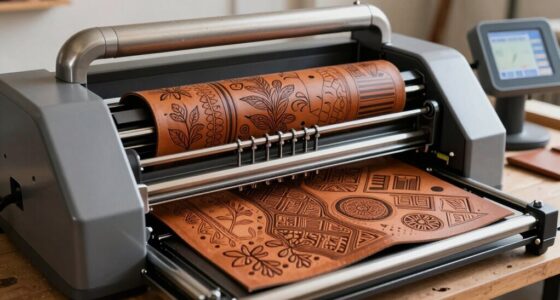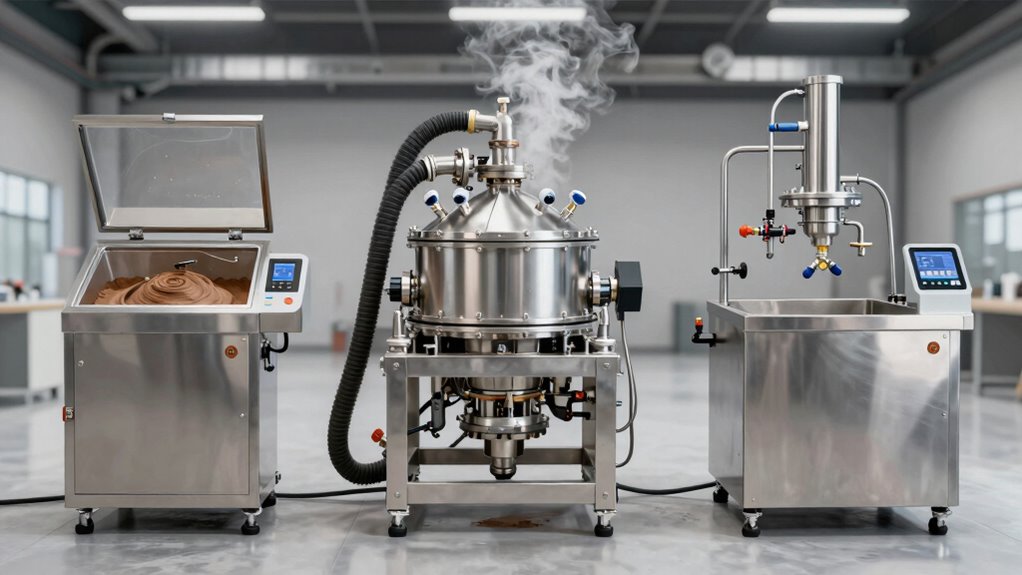

Based on my research, the top three clay reclaim systems for 2026 are those designed for high recovery, efficiency, and ease of use. Systems like specialized screening and separation units, multi-functional reclaimers, and compact, portable setups excel at maximizing clay recovery and quality. They reduce waste and streamline studio workflows. If you’re curious about which features make these systems stand out, keep exploring to find out more.

Get business pricing on tools and workshop supplies
- Business-only prices and quantity discounts
- Tax-exempt purchasing
- Multiple users, one account, clear invoices
Key Takeaways
- Systems that maximize recovery rates while ensuring compatibility with earthenware, stoneware, and porcelain clay types.
- Features that streamline debris separation, reduce downtime, and support efficient workflow in studio environments.
- Easy-to-maintain designs with adjustable settings, clear instructions, and minimal clogging risks.
- Cost-effective options balancing initial investment, durability, and suitability for various studio sizes and production volumes.
- Reclaim systems that promote consistent clay quality, minimize waste, and support high-efficiency recycling for 2026.
| Old Potters White Stoneware Clay for Pottery | Professional-Grade Clay | Primary Use: Pottery and sculpting | Material Type: White stoneware clay | Portability: Yes, 10 lbs. bag (easy to move) | VIEW LATEST PRICE | See Our Full Breakdown | |
| Polymer Clay Press Machine with Accessories | Precision Tooling | Primary Use: Clay sheet preparation | Material Type: Stainless steel (press machine parts) | Portability: Yes, portable machine with handle | VIEW LATEST PRICE | See Our Full Breakdown | |
| Penguin Pottery Portable Clay Wedging Board (12×18 in) | Portable Workstation | Primary Use: Clay wedging and workspace surface | Material Type: Medex MDF (board surface) | Portability: Yes, lightweight portable board | VIEW LATEST PRICE | See Our Full Breakdown |
More Details on Our Top Picks
Old Potters White Stoneware Clay for Pottery
If you’re looking for a versatile and reliable clay for various pottery techniques, Old Potters White Stoneware Clay is an excellent choice. I’ve used it for wheel throwing, hand building, sculpting, and slab work, and it consistently delivers professional results. Made from high-quality white stoneware, it’s flexible, strong, and easy to shape. Its low iron content ensures clean glaze interactions, giving your pieces a crisp, polished finish. Suitable for firing at cone 5-10, it produces durable, detailed artworks that last. Whether you’re a beginner or an experienced potter, this clay offers the consistency and reliability needed for all your creative projects.
- Primary Use:Pottery and sculpting
- Material Type:White stoneware clay
- Portability:Yes, 10 lbs. bag (easy to move)
- Size/Dimensions:10 lbs. (package size)
- Durability/Construction:Premium quality, flexible, strong
- Versatility:Functional ware, sculpture, decorative
- Additional Feature:Cone 5-10 firing range
- Additional Feature:Suitable for all skill levels
- Additional Feature:Produces clean, rich finishes
Polymer Clay Press Machine with Accessories
The Polymer Clay Press Machine with Accessories stands out as an ideal choice for both beginners and experienced clay artists who want consistent, professional-quality sheets. I appreciate its seven adjustable thickness settings, allowing me to create everything from delicate petals to sturdy earring bases with ease. The stainless steel construction feels durable and easy to clean, while the included non-stick sheets prevent sticking and make cleanup simple. The hand crank and table clamp provide stability during use, and the gloves help keep my workspace clean. Overall, this all-in-one kit enhances my workflow, delivering smooth, uniform sheets that elevate my clay projects.
- Primary Use:Clay sheet preparation
- Material Type:Stainless steel (press machine parts)
- Portability:Yes, portable machine with handle
- Size/Dimensions:8.4 x 7 x 5.9 inches (machine)
- Durability/Construction:Stainless steel, scratch-resistant
- Versatility:Jewelry making, uniform sheets
- Additional Feature:Seven adjustable thickness settings
- Additional Feature:Stainless steel construction
- Additional Feature:Easy to clean and maintain
Penguin Pottery Portable Clay Wedging Board (12×18 in)
For potters and ceramics enthusiasts who need a durable, portable work surface, the Penguin Pottery Portable Clay Wedging Board stands out. Designed in 2020, it’s made in the USA from water-resistant Medex MDF, ensuring long-lasting performance. Its 12×18-inch size, rounded edges, and built-in handle make it easy to transport and comfortable to work on. Unlike other mats, it doesn’t attract clay dust, keeping your workspace cleaner. The surface prevents clay from sticking, making wedging, shaping, and working more efficient. Its lightweight yet sturdy construction suits studio, classroom, or outdoor use, making it a versatile choice for various ceramic projects.
- Primary Use:Clay wedging and workspace surface
- Material Type:Medex MDF (board surface)
- Portability:Yes, lightweight portable board
- Size/Dimensions:12 x 18 inches (board)
- Durability/Construction:Water-resistant MDF, durable
- Versatility:Wedging, shaping, portable workspace
- Additional Feature:Water-resistant Medex MDF surface
- Additional Feature:Built-in carrying handle
- Additional Feature:Supports various ceramic tools
Factors to Consider When Choosing a Clay Reclaim System
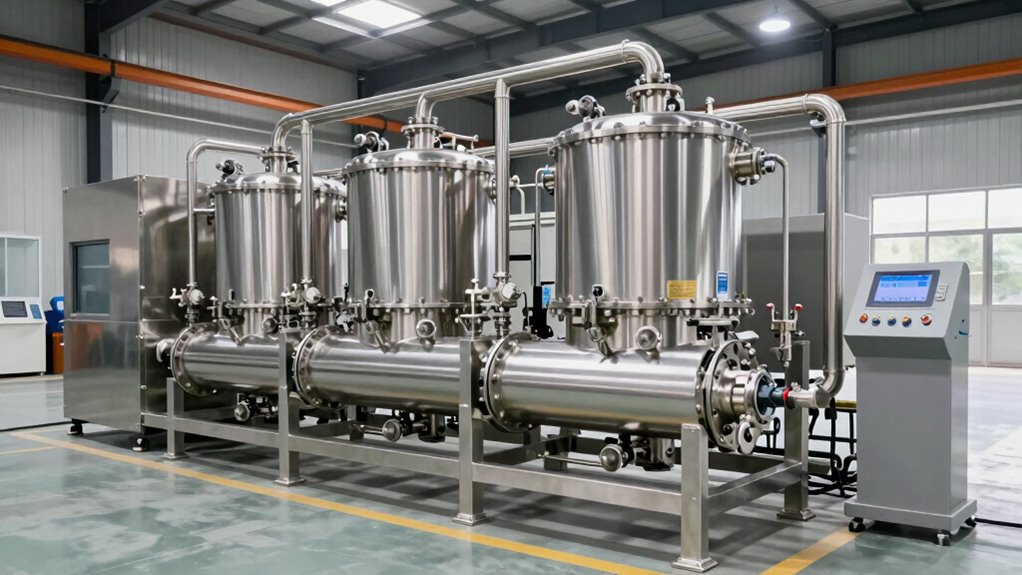
When choosing a clay reclaim system, I consider how well it works with different clay types and how easy it is to operate daily. I also look at cleaning and maintenance requirements, along with the overall cost and space needed for setup. These factors help me find a system that fits my workflow and budget perfectly.
Compatibility With Clay Types
Choosing a clay reclaim system that matches your specific clay type is essential to maintaining quality and efficiency. Different clays—earthenware, stoneware, porcelain—have unique properties that require tailored handling. Confirm the system can accommodate your clay’s moisture content and plasticity levels to prevent issues like cracking or sticking. Verify that the reclaim process preserves the necessary firing temperature range and chemical composition for your clay. It’s also important that the system supports mixing reclaimed clay with fresh material to achieve consistent texture and workability. Additionally, consider whether it handles particle size and porosity characteristics specific to your clay. Proper compatibility ensures the reclaimed clay maintains its integrity, saving you time and preserving your desired finished results.
Ease of Use
Selecting a clay reclaim system that’s easy to operate can save you significant time and effort in your workspace. Look for systems with straightforward assembly and minimal maintenance needs, so you’re not wasting valuable time on setup or upkeep. Clear instructions or guides are essential—they help you learn quickly and reduce mistakes. Adjustable components or settings make the system more versatile, allowing you to tailor it to different clay types and project demands effortlessly. A user-friendly design should also include ergonomic features like accessible handles and levers, making the reclaiming process smoother and less strenuous. When a system is intuitive and simple to manage, it enhances productivity and keeps your workflow seamless, giving you more time to focus on your creative process.
Cleaning and Maintenance
Regular cleaning and maintenance are essential to keep your clay reclaim system running smoothly. I make it a point to clean the system regularly to prevent dried clay buildup, which can clog machinery and hinder performance. Using the right tools like brushes or damp cloths helps remove residual clay without damaging components. I also prioritize maintaining proper hygiene by sanitizing surfaces to prevent mold and bacterial growth. Periodic inspection of filters and screens ensures they’re functioning correctly, reducing long-term maintenance costs. After cleaning, I dry and store reclaimed clay properly to preserve its plasticity and prevent cracking or drying out. Staying on top of these tasks keeps the system efficient, prolongs its lifespan, and ensures consistent clay quality.
Cost and Budgeting
When evaluating a clay reclaim system, it’s important to take into account both the initial investment and ongoing costs to guarantee it fits within your budget. The price of systems varies widely, from DIY options to high-end commercial units, affecting your overall expenses. Beyond the purchase price, you should budget for replacements like screens, filters, and maintenance supplies, which can add up over time. Investing in a more expensive system might seem costly upfront but can offer better efficiency, durability, and filtration, saving money by reducing waste and downtime in the long run. Also, consider your typical clay reuse volume; larger systems tend to cost more but support higher production needs. Comparing costs alongside features and lifespan will help you select the most cost-effective option for your studio.
Space and Storage Needs
Evaluating your available space is essential when choosing a clay reclaim system, as it needs to fit comfortably without cluttering your studio. Measure the area where you plan to place the system, ensuring it won’t interfere with other equipment or work zones. Consider if a portable reclaim unit suits your needs, especially if space is limited or you need to move it frequently. Think about storage options for clay scraps, tools, and accessories to keep everything organized and within reach. Some systems require additional shelving or containers for efficient management of reclaimed clay. By assessing these factors, you’ll select a reclaim system that integrates seamlessly into your workspace, optimizing both functionality and flow. Proper space planning helps maintain an organized, productive studio environment.
Durability and Material Quality
Choosing a clay reclaim system with durable materials is essential because it directly affects the unit’s longevity and performance. High-quality reclaim systems are built from materials like stainless steel or heavy-duty plastics, which can withstand frequent use without deteriorating. These materials resist corrosion and wear, ensuring the system remains functional over time and reduces the need for replacements. Sturdy construction also prevents warping, cracking, or damage during handling and cleaning, saving you maintenance costs. Additionally, the choice of durable, non-porous surfaces makes cleaning easier by resisting clay buildup and facilitating maintenance. Overall, investing in a system made from robust materials enhances stability, minimizes leaks or malfunctions, and guarantees consistent performance, making it a vital factor in selecting the right clay reclaim system.
Reclaim Efficiency
Reclaim efficiency directly impacts how much usable clay a system can recover with minimal waste. A high-efficiency reclaim system recovers more clay by effectively recycling and returning it for reuse, reducing material loss and saving costs. The design should make it easy to separate clean clay from debris quickly, which speeds up the process and minimizes downtime. Consistent particle size and texture in reclaimed clay indicate a more efficient system, meaning less additional mixing or preparation is needed. Additionally, an efficient system decreases the need for frequent reprocessing, saving time and labor in your studio workflow. When choosing a reclaim system, look for features that maximize recovery rates and streamline operations—these factors are key to enhancing overall productivity and reducing waste.
Frequently Asked Questions
How Does Clay Reclaim Impact Environmental Sustainability in Pottery?
Clay reclaim substantially boosts environmental sustainability in pottery by reducing waste and conserving natural resources. When I reuse clay, I cut down on the need for new raw materials, which means less mining and environmental disruption. It also minimizes landfill waste, decreasing pollution. Reclaiming clay makes my practice more eco-friendly, helping to preserve the environment while maintaining quality in my work. It’s a simple step with a big positive impact.
What Are the Cost Differences Between Manual and Automated Reclaim Systems?
Manual reclaim systems are generally more affordable upfront, often costing a few hundred dollars, but they require more labor and time. Automated systems, on the other hand, have higher initial costs—often several thousand dollars—but save time and reduce labor expenses over time. I find that choosing depends on your production scale; smaller setups benefit from manual, while larger studios should consider automation for efficiency.
Can Reclaimed Clay Be Used for All Pottery Styles?
Yes, reclaimed clay can be used for most pottery styles, but I recommend testing it first. Reclaimed clay works great for functional ware, sculpture, and some decorative pieces. However, it might have different firing characteristics or impurities that affect delicate or highly detailed work. I always suggest experimenting with small batches to see how the reclaimed clay performs in your specific style and kiln setup.
How Do Clay Reclaim Systems Affect Clay Consistency and Workability?
Think of clay reclaim systems as the heartbeat of my studio—they keep everything flowing smoothly. They help maintain consistent clay texture and workability by removing impurities and controlling moisture levels. This stability allows me to shape and smooth my pieces with confidence, knowing my clay will behave predictably. Without them, my clay would be unpredictable, like a wild river—difficult to tame and hard to craft with precision.
What Maintenance Is Required for Long-Term System Reliability?
To keep your clay reclaim system reliable long-term, I recommend regular inspections to spot issues early. Clean filters and screens frequently to prevent clogs, and check hoses and fittings for leaks or wear. Lubricate moving parts as needed, and monitor the system’s performance for any drops in efficiency. Staying proactive with maintenance helps make certain your system runs smoothly and lasts longer, saving you time and money down the line.
Conclusion
Choosing the right clay reclaim system is like finding the perfect recipe—it transforms your pottery journey from chaos to harmony. With the right tools, your studio becomes a symphony of creativity, where every scrap finds new life and every piece tells a story. So, pick wisely, and let your clay reclaim system be the steady drumbeat that keeps your artistry thriving into 2026 and beyond. Your pottery adventure is just waiting to unfold!
Fall Picks
fall essentials
As an affiliate, we earn on qualifying purchases.