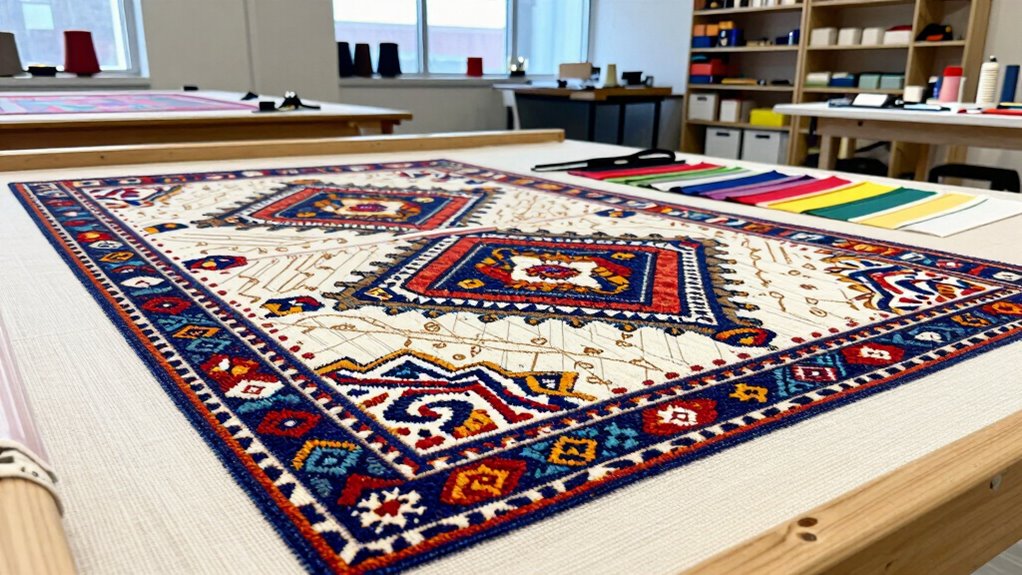

Tufting needs more space planning than beginners expect because its visual density and material presence can easily overwhelm a room if not properly managed. Tufted furniture or accents are often larger and draw attention, which impacts overall layout and flow. You’ll need to balance colors, materials, and proportions carefully to avoid overcrowding or awkward arrangements. Paying attention to spatial requirements and furniture placement is key to creating a harmonious space. Keep going to discover how detailed planning makes all the difference.

Get business pricing on tools and workshop supplies
- Business-only prices and quantity discounts
- Tax-exempt purchasing
- Multiple users, one account, clear invoices
Key Takeaways
- Tufted furniture’s visual density requires careful spatial allocation to prevent overcrowding.
- Proper planning ensures tufted pieces complement rather than disrupt room flow and harmony.
- Larger, textured tufted items demand accurate measurements for comfortable placement.
- Balancing colors and materials around tufted features enhances overall design cohesion.
- Strategic placement of tufted accents maintains functionality and easy navigation within the space.
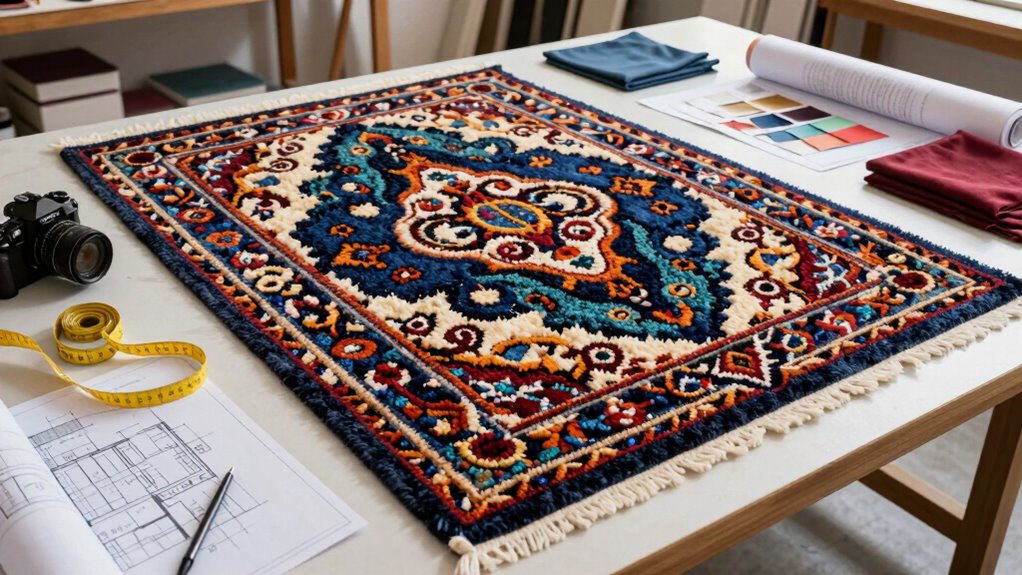
Tufting is more than just a decorative detail; it’s a powerful technique that can substantially influence space planning. When you decide to incorporate tufted furniture or accents into a room, you need to think beyond aesthetics. It’s about creating a cohesive environment where every element works harmoniously. One of the first considerations is color coordination. The colors you choose for tufted pieces shouldn’t clash with the existing palette; instead, they should complement or accentuate other design elements. For example, a deep, plush tufted sofa in a neutral tone can serve as a versatile anchor, allowing you to introduce bolder accent pillows or artwork without overwhelming the space. Conversely, if you opt for a vibrant hue in your tufting, you’ll need to balance it with more subdued shades elsewhere to prevent visual chaos. This careful color coordination guarantees your space feels intentional and well-balanced.
Tufting influences space planning; balance colors and materials for harmony and intentional design.
Material selection is equally critical and often underestimated by beginners. The materials used in tufting—whether fabric, leather, or velvet—don’t just affect the look; they influence the room’s overall feel and functionality. Heavier or textured fabrics can add depth and warmth but might also demand more thoughtful planning regarding lighting and placement. Leather, on the other hand, offers a sleek, sophisticated look that pairs well with modern designs, but it requires consideration of space for comfort and maintenance. When planning your space, think about how these materials interact with your lighting, flooring, and other furniture. The right material choice can make your tufted pieces stand out or blend seamlessly, depending on your intent. Additionally, understanding material durability can help you select options that will stand up to everyday use while maintaining their aesthetic appeal.
You also need to plan for the physical space tufting will occupy. Tufted furniture tends to be larger and more visually dense, so you should allocate enough room for it to breathe without crowding other elements. This means measuring carefully and leaving enough clearance for movement and other furniture pieces. It’s tempting to focus solely on the style of tufting, but neglecting spatial requirements can lead to a cramped or awkward setting. Furthermore, considering furniture proportions can help you choose pieces that fit comfortably within your room’s dimensions. Additionally, consider how the tufted pieces will interact with your overall layout. Will they serve as focal points or background accents? Will they complement or compete with your existing architecture? These questions help you determine the right size and placement, ensuring your design feels balanced and functional. Moreover, understanding space planning principles can help you avoid common pitfalls and create a more inviting environment. A well-thought-out plan also takes into account the traffic flow within the room, ensuring easy movement around your tufted features.
In essence, tufting demands more space planning than beginners often anticipate. From color coordination and material selection to spatial allocation, every detail plays a pivotal role in creating a harmonious, inviting space. Paying attention to design elements like proportions and layout can elevate your room’s aesthetic and comfort. When you approach tufting with a strategic mindset, you’ll craft a room that’s not only beautiful but also thoughtfully designed to serve your needs.
As an affiliate, we earn on qualifying purchases.
Frequently Asked Questions
How Do I Choose the Right Tufting Tools for My Space?
To choose the right tufting tools for your space, focus on material organization and workspace ergonomics. Select tools that suit your project size and keep your materials organized for easy access. Guarantee your workspace allows comfortable movement and proper posture to prevent fatigue. Consider compact, multi-purpose tools if space is limited, and prioritize ergonomic handles to reduce strain. This approach helps you work efficiently and comfortably, maximizing your tufting success.
What Safety Precautions Are Necessary During Tufting?
During tufting, you should wear safety gear like goggles and gloves to protect your eyes and hands from needles and fibers. Guarantee proper ventilation to avoid inhaling fumes from adhesives or dyes. Keep your workspace clear of clutter to prevent accidents. Always follow manufacturer instructions for tools and materials, and take breaks to reduce fatigue. These precautions keep you safe and make your tufting experience enjoyable and accident-free.
How Can I Incorporate Lighting Into Tufted Designs?
Did you know that good lighting can boost the visual appeal of your tufted designs by up to 30%? To incorporate lighting, use ambient lighting for overall brightness and accent illumination to highlight specific textures or patterns. Position small LED spotlights or strip lights strategically around your work area or directly on your piece. This enhances details, creates depth, and adds a professional touch to your tufted creations.
What Are Common Mistakes in Tufting Space Planning?
A common mistake in tufting space planning is neglecting ideal room layout and space utilization. You might overlook how much space the tufting project will require, leading to cramped or awkward setups. To avoid this, measure your area carefully, plan for proper clearance, and guarantee your room layout accommodates tools, materials, and movement. Proper planning helps you work comfortably and achieve better results with your tufted designs.
How Do I Store My Tufting Materials Efficiently?
Did you know that efficient storage organization can save up to 30% of your workspace? To store your tufting materials, designate specific areas for different supplies, like yarns, tools, and backing fabrics. Use clear bins, wall-mounted shelves, or pegboards to keep everything visible and accessible. Keep your workspace layout in mind, ensuring materials are within arm’s reach but don’t clutter your work area, so you can work smoothly and stay organized.
Conclusion
Remember, tufting isn’t just about the fabric and foam—it’s about how space breathes around your design. Think of it as a dance, where every move must be planned, every step intentional. If you overlook space planning, your masterpiece might stumble rather than shine. So, embrace the process, measure twice, and plan with purpose. When you do, your tufted creation will not only fit but flourish—turning your space into a true work of art.
Fall yard work Picks
leaf blowers
As an affiliate, we earn on qualifying purchases.