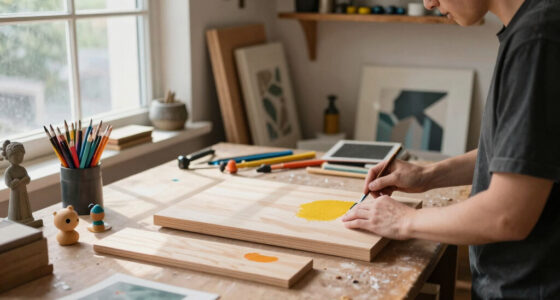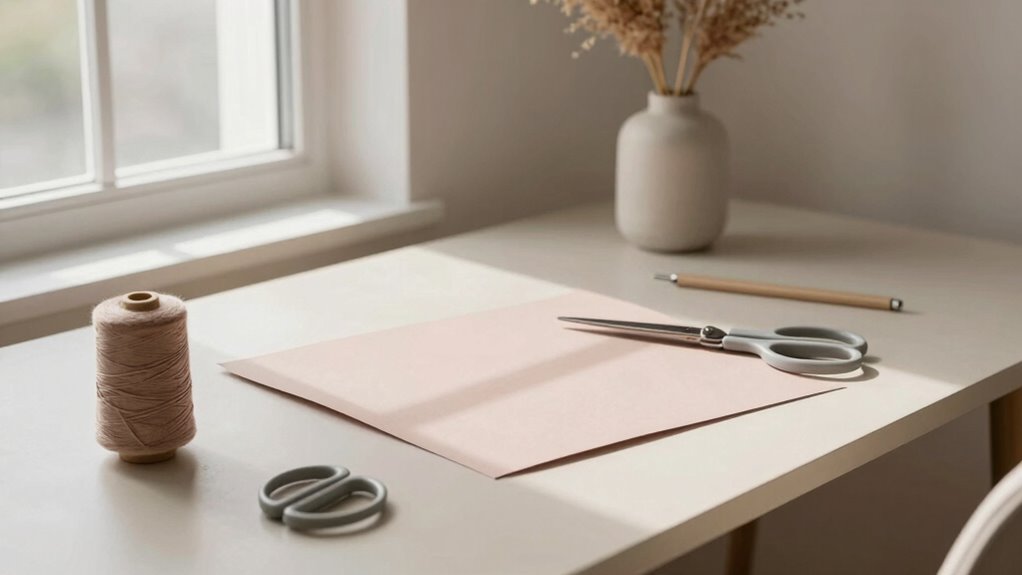

Discover how to craft projects that feel luxurious with minimal color palettes by focusing on carefully chosen shades, textures, and materials. Use sophisticated neutrals, monochrome schemes, soft pastels, or black and white contrasts to create depth and elegance. Incorporate natural elements or metallic accents sparingly to add richness without clutter. Balance and harmony are key, and selecting textures and finishes will elevate your work. To access more tips and ideas, continue exploring these simple yet impactful craft strategies.

Get business pricing on tools and workshop supplies
- Business-only prices and quantity discounts
- Tax-exempt purchasing
- Multiple users, one account, clear invoices
Key Takeaways
- Use a limited color palette with subtle undertones and textures to create depth and richness without overwhelming simplicity.
- Incorporate metallic accents and natural materials to add luxury and tactile interest within minimal color schemes.
- Focus on clean lines, simple shapes, and thoughtful layering to elevate the perceived richness of the craft.
- Balance warm and cool neutrals for versatility and sophisticated visual harmony.
- Highlight negative space and understated details to enhance elegance and emotional depth.
As an affiliate, we earn on qualifying purchases.
Why Minimal Color Palettes Elevate Your Craft Projects
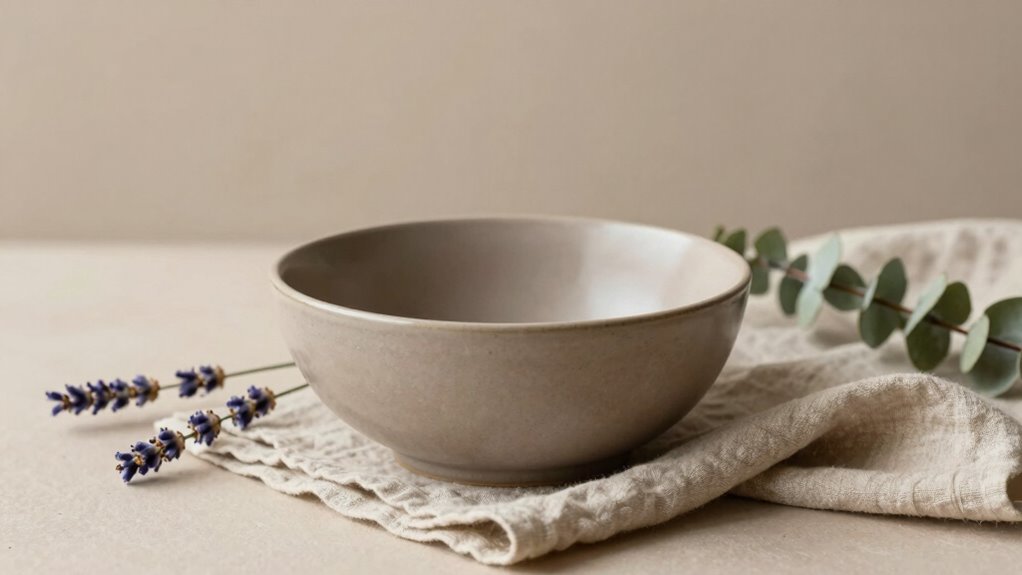
Minimal color palettes can instantly elevate your craft projects by creating a clean, cohesive look that draws attention to your details. By using fewer colors, you allow the core elements of your design to shine, making each detail stand out. Color psychology plays a vital role here, as specific shades evoke emotions and set the tone for your work. A restrained palette offers a sense of calm and sophistication, enhancing the emotional impact of your project. When you intentionally choose minimal colors, you create a visual harmony that feels intentional and refined. This simplicity not only highlights craftsmanship but also encourages viewers to focus on the message or feeling you want to communicate. Incorporating biodiversity considerations into your color choices can make your projects more environmentally conscious and inspiring. Being mindful of color harmony can further enhance the overall aesthetic and emotional resonance of your work. Additionally, understanding the visual impact of a minimal palette can guide you in selecting the right shades to create balance and harmony. Embracing Color psychology can help you craft projects that resonate deeply and evoke the desired emotional responses. Recognizing the importance of sustainable color choices can also contribute to more eco-friendly and meaningful designs. Ultimately, minimal palettes help you craft projects that are both striking and emotionally resonant.
How to Choose Neutral Tones for a Rich, Sophisticated Look
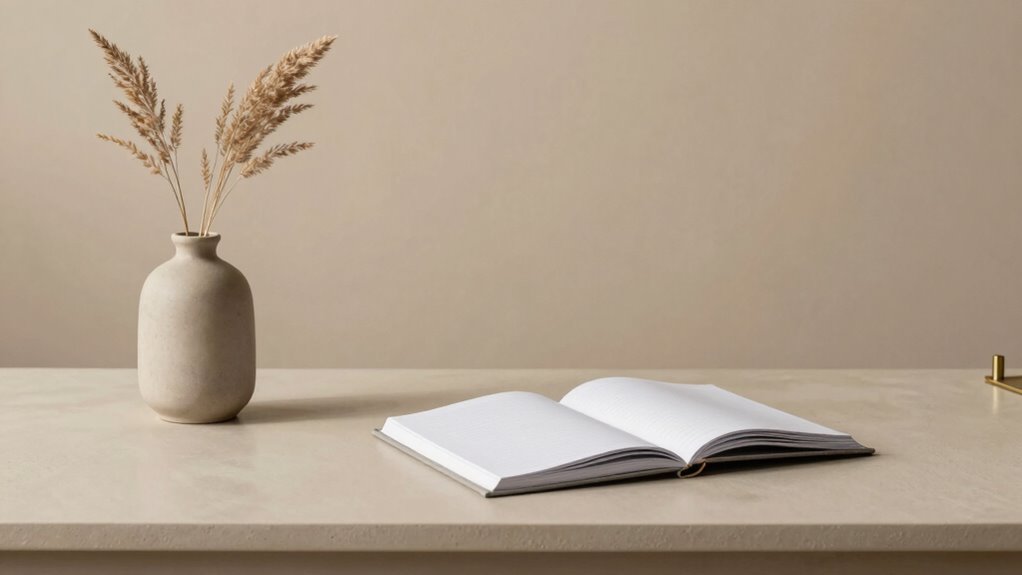
Choosing neutral tones is essential for achieving a rich, sophisticated look in your craft projects. To do this effectively, consider color psychology—colors like taupe, warm gray, and soft beige evoke calmness and elegance. Cultural influences also play a role; for example, certain shades may carry specific meanings or symbolism within different traditions, adding depth to your work. When selecting neutrals, keep these tips in mind:
- Opt for shades with subtle undertones to add dimension
- Balance warm and cool neutrals for versatility
- Use muted tones to create a timeless aesthetic
- Incorporate textures to enhance visual richness
- Consider cultural symbolism to deepen emotional impact
How to Create Elegant Paper Crafts Using a Few Colors
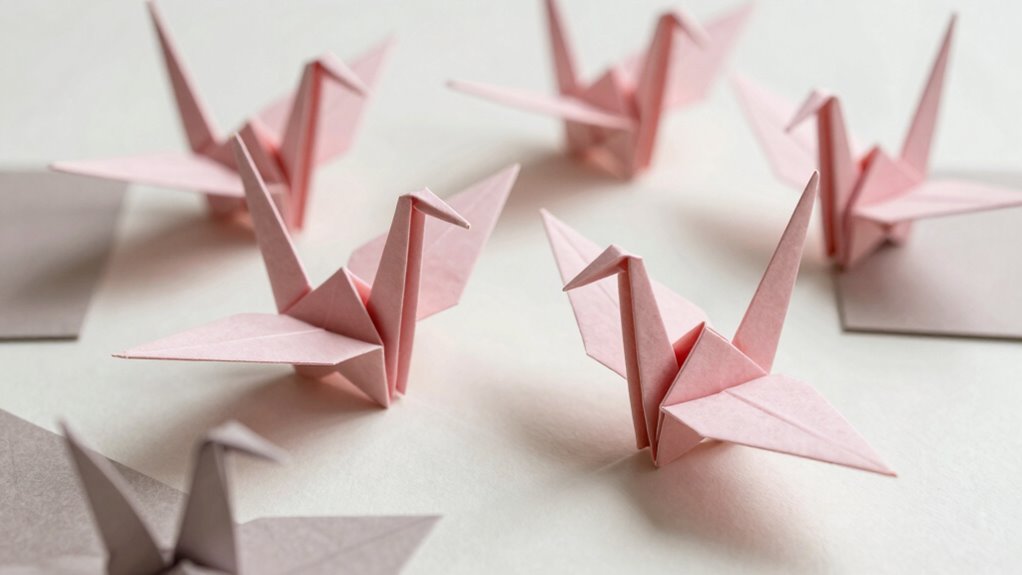
To create elegant paper crafts with just a few colors, start by choosing sophisticated color combinations that complement each other. Focus on minimalist design principles, like clean lines and simple shapes, to let your limited palette shine. This approach guarantees your projects look refined and effortlessly stylish.
Choosing Sophisticated Color Combinations
Selecting the right color combinations is key to creating sophisticated paper crafts that look both elegant and polished. To do this, consider color psychology—how certain hues evoke specific emotions—and cultural symbolism, which can add meaningful depth. For example, pairing navy with gold conveys luxury, while soft pastels evoke calmness. Aim for contrast and harmony to enhance visual interest. Keep these tips in mind:
- Use monochromatic schemes for subtle sophistication
- Incorporate metallic accents for a touch of luxury
- Combine neutral tones with bold pops of color for balance
- Think about cultural meanings, like red for prosperity or white for purity
- Stick to two or three colors max to maintain elegance
Using Minimalist Design Principles
Minimalist design principles emphasize simplicity and clarity, making them perfect for creating elegant paper crafts with just a few colors. Focus on clean lines, balanced composition, and intentional use of negative space to let your limited palette stand out. Use color psychology to evoke specific emotions—calm blues, passionate reds, or neutral tones for sophistication. Incorporate cultural symbolism to add depth, like using red for luck or white for purity, depending on your theme. Limit your color choices intentionally, ensuring each hue serves a purpose. This approach keeps your design refined and impactful without overcrowding. By embracing minimalism, you let your craft speak through subtlety, making every color and element work harmoniously for a rich, elegant effect.
Using Monochrome Schemes to Achieve Impact in Your Crafts
Using a monochrome color scheme can create a striking and cohesive look in your crafts by emphasizing texture, shape, and contrast. To add depth, play with bold typography and color blocking techniques, which make elements stand out. Monochrome palettes allow you to experiment with different shades and tones, creating visual interest without overwhelming the senses. You can highlight specific details or patterns by varying saturation levels or matte versus glossy finishes. Incorporate these ideas:
- Use bold typography in one tone for emphasis
- Create contrast with different shades within the same color
- Apply color blocking to define sections clearly
- Play with matte and shiny textures for depth
- Focus on subtle variations to keep the palette interesting
- Exploring color harmony principles can help you select and combine shades more effectively
- Considering visual balance can enhance the overall impact of your monochrome projects
These techniques help you craft impactful, minimalistic projects that feel rich and intentional. Exploring latest design trends can inspire innovative ways to utilize monochrome schemes in your crafts.
Adding Soft Pastels for Subtle Sophistication
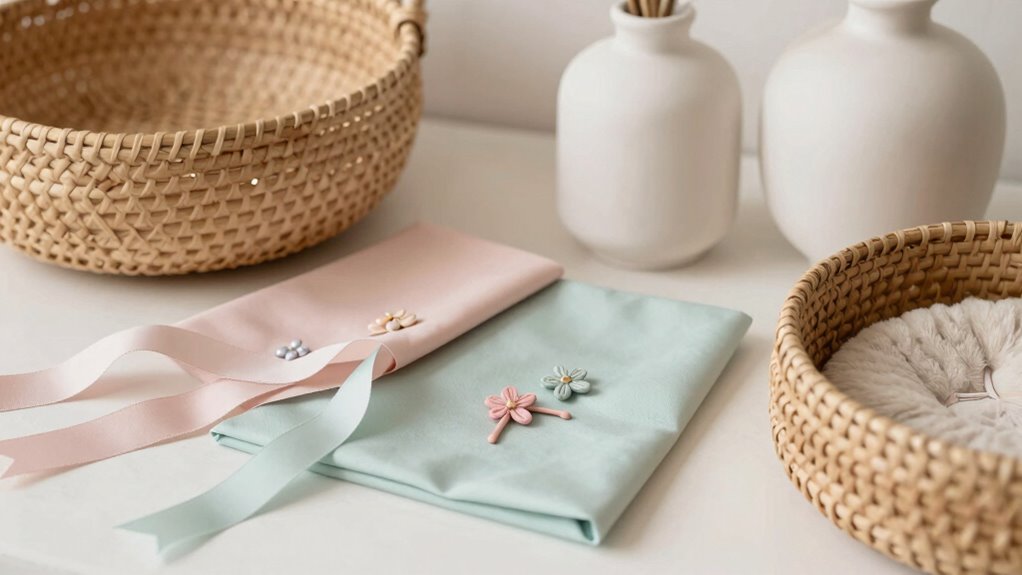
Soft pastels bring a gentle elegance to your crafts, adding a layer of subtle sophistication that’s perfect for creating calm, refined visuals. In color psychology, pastels evoke feelings of serenity, innocence, and tranquility, making them ideal for projects aiming to soothe or inspire. Pastel symbolism often represents renewal, softness, and delicate beauty, allowing you to convey nuanced emotions without overwhelming your design. Incorporating these hues into your craft palette helps you achieve a refined aesthetic that feels both modern and timeless. Whether you choose blush pinks, mint greens, or soft lavenders, pastels elevate your work with understated charm. They’re versatile enough to add depth without clutter, making your craft projects feel rich with subtlety and grace. Using a carefully selected color palette can enhance the overall harmony and elegance of your creations.
How to Achieve Depth With Shades of a Single Hue
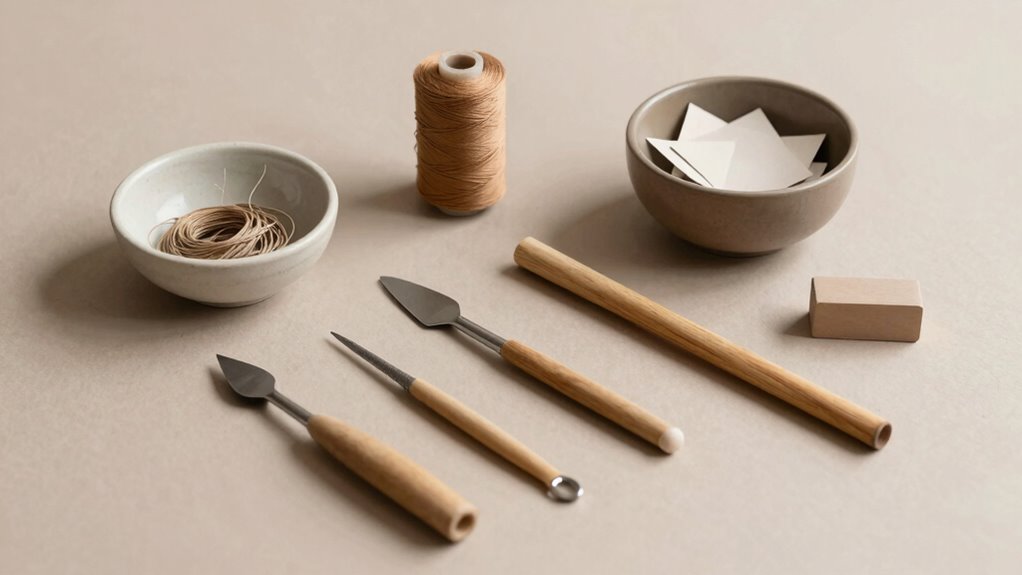
Achieving depth with shades of a single hue involves carefully layering variations from light to dark, which creates visual interest without overwhelming your design. This technique leverages shade layering to add complexity, while understanding color psychology helps evoke specific moods. To enhance your craft:
Layer shades from light to dark to create depth and evoke specific moods in your designs.
- Use lighter shades to highlight areas and create a sense of openness
- Incorporate mid-tones to balance elements and establish harmony
- Apply darker shades for depth and visual grounding
- Blend shades gradually for smooth progression and richness
- Experiment with contrast to emphasize focal points
Using Texture and Limited Colors to Enhance Your Crafts
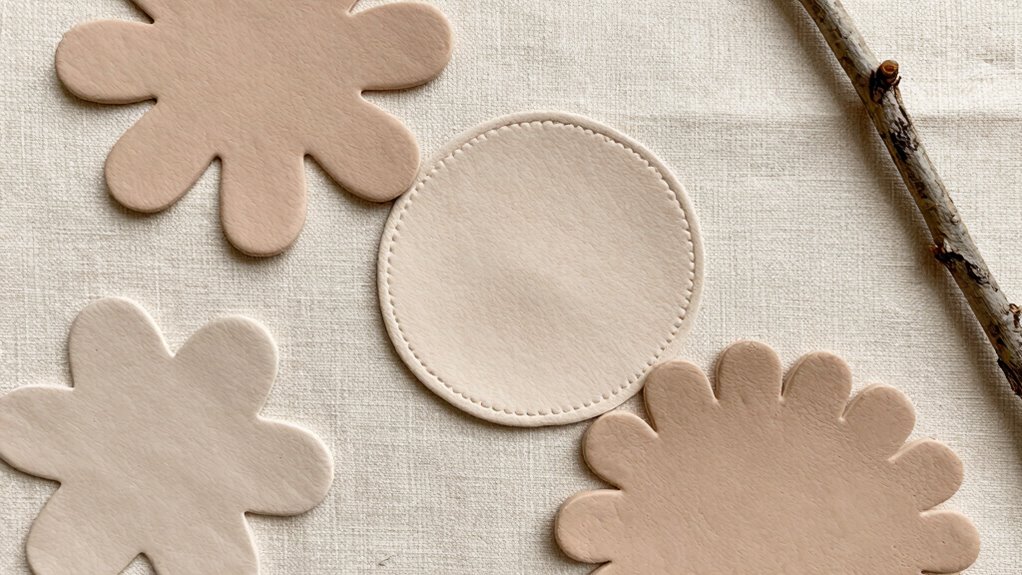
By incorporating textural contrast techniques, you can make your crafts more engaging without adding more colors. Layering limited hues adds depth and visual interest, highlighting different surfaces and patterns. Your choice of materials also plays an essential role in enhancing the tactile and aesthetic appeal of your projects. Additionally, integrating space-saving solutions can help optimize your workspace while maintaining a rich, textured look. Employing safe crafting practices ensures that your creative environment remains secure and enjoyable. Exploring material diversity can further elevate your designs by introducing subtle variations in texture and finish. Considering systematic organization can help you identify efficient ways to arrange tools and materials, further enhancing your crafting experience.
Textural Contrast Techniques
Using texture alongside a limited color palette can greatly enhance the visual interest of your crafts. By employing textural contrast, you create depth and tactile appeal without relying on multiple hues. Focus on thoughtful material pairing to amplify this effect—combine matte and glossy finishes, soft fabrics with rougher textures, or smooth woods with woven elements. These material contrasts draw the eye and add richness to your piece. Incorporating visual interest through different textures can also help guide the viewer’s attention and emphasize focal points. To succeed, consider:
- Pairing velvet with burlap for a tactile juxtaposition
- Combining ceramic matte surfaces with glazed accents
- Mixing woven fibers with sleek metal components
- Using soft textiles against rigid wooden structures
- Incorporating embossed or textured paper with smooth surfaces
- Experimenting with material variety to further elevate the layered look of your crafts. Paying attention to texture placement can also help create a balanced composition that feels cohesive and refined, elevating the overall aesthetic of your project.
Layering Limited Hues
Layering limited hues can create striking visual depth in your crafts, especially when you incorporate texture to build complexity. Use layered textures to add dimension, making simple color schemes feel more dynamic. By combining different textures—like smooth, rough, or embossed surfaces—you enhance the visual interest without adding more colors. Color blocking is a powerful technique here; choose large, bold areas of a few hues to establish a strong foundation. Then, layer textures within those blocks to create contrast and richness. This approach keeps your craft minimal yet mesmerizing. Focus on how textures interact with each hue, emphasizing subtle variations. The result is a sophisticated, layered look that feels both intentional and refined, proving that limited colors can still evoke depth and elegance.
Material Choice Impact
Choosing the right materials can substantially enhance the impact of your crafts, especially when working with a limited color palette. Texture and material durability influence how colors are perceived and how long your piece lasts. For example, matte finishes evoke calmness through color psychology, while glossy surfaces create vibrancy. Using natural fibers like linen or cotton adds subtle texture, enriching your design without extra colors. material choice impact can help you select the most suitable textures and finishes to complement your limited color scheme. Additionally, understanding material properties can guide you in selecting materials that balance aesthetics and functionality, ensuring your crafts remain visually compelling over time. Durable materials such as wood or metal ensure your craft withstands time and use, maintaining its visual richness. Consider these options:
- Textured fabrics to add depth
- Matte vs. glossy finishes for mood
- Natural materials for subtlety
- Hardwearing surfaces for longevity
- Tactile elements to engage the senses
Choosing materials with textural qualities can also influence the tactile experience and overall perception of your craft.
Designing Minimalist Jewelry That Looks Luxurious
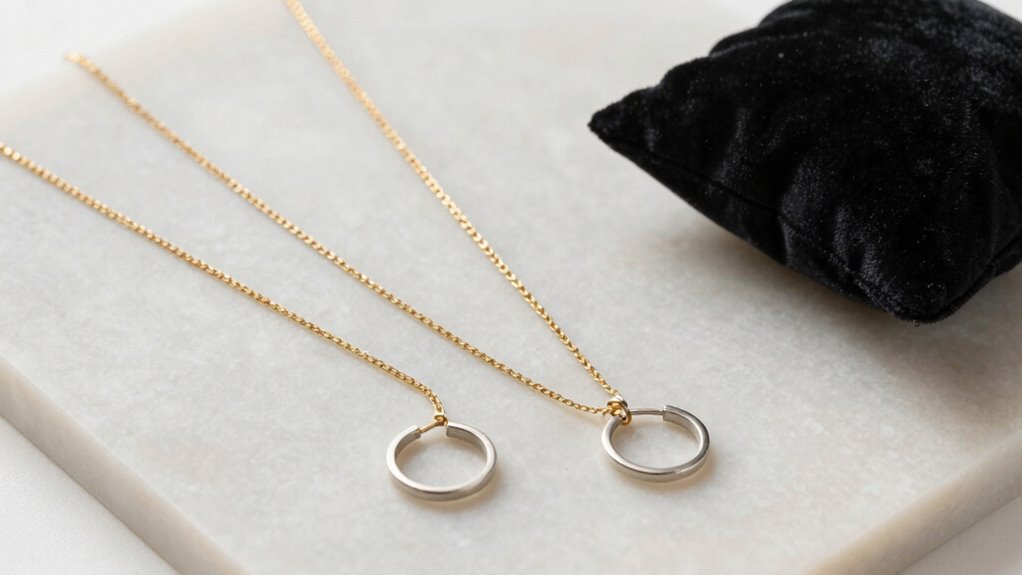
Minimalist jewelry can exude luxury when designed with clean lines, high-quality materials, and subtle details. To achieve this, consider color psychology—using muted tones or metallic finishes that evoke sophistication and calmness. Incorporate cultural symbolism through simple motifs or shapes that carry meaning, adding depth without clutter. Focus on precision and craftsmanship to make even minimal pieces feel refined. A sleek gold band or a single gemstone can communicate elegance through understated design. Remember, less is more; subtle textures and delicate accents can elevate your jewelry’s appearance. By thoughtfully combining color psychology and cultural symbolism, you create pieces that feel rich and intentional, making minimalist jewelry a statement of both style and meaning. Additionally, paying attention to craftsmanship quality can further enhance the luxurious feel of minimalist designs.
Painting With a Restricted Palette for a Fine Art Feel
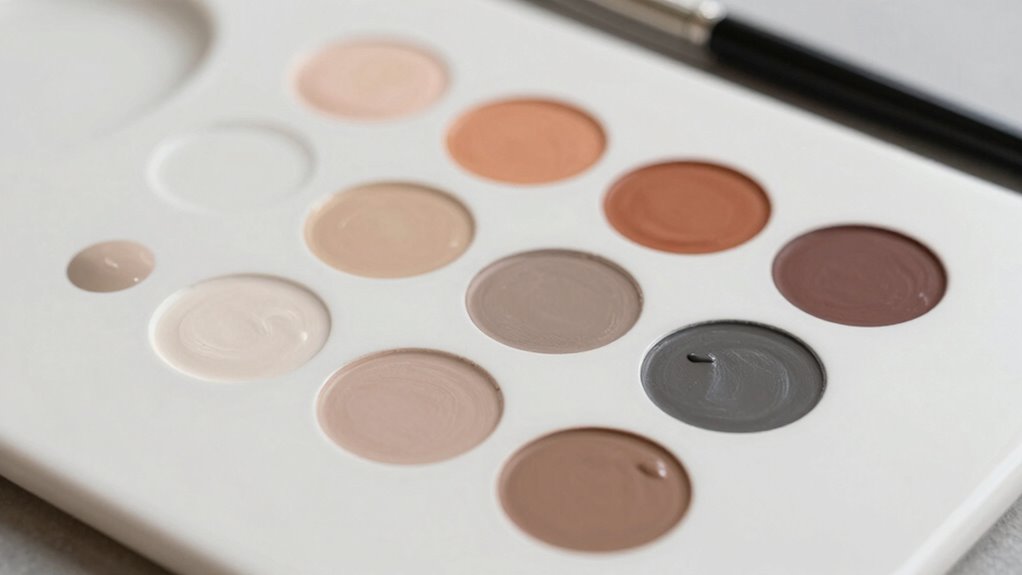
Using a restricted palette can instantly give your paintings a cohesive and sophisticated feel, reminiscent of classic fine art. It simplifies decision-making while emphasizing color psychology, allowing you to evoke specific emotions with fewer hues. To achieve palette harmony, choose colors that complement each other and create a balanced visual impact. Focus on blending shades smoothly to enhance depth and richness. Incorporate subtle variations within your limited palette for complexity and interest.
- Select colors with similar undertones for seamless progressions
- Use contrasting shades sparingly to create focal points
- Experiment with tonal values to add depth
- Limit your palette to 3-5 core colors for consistency
- Consider warm versus cool color balances for mood control
Sewing Projects That Shine With Just a Few Colors
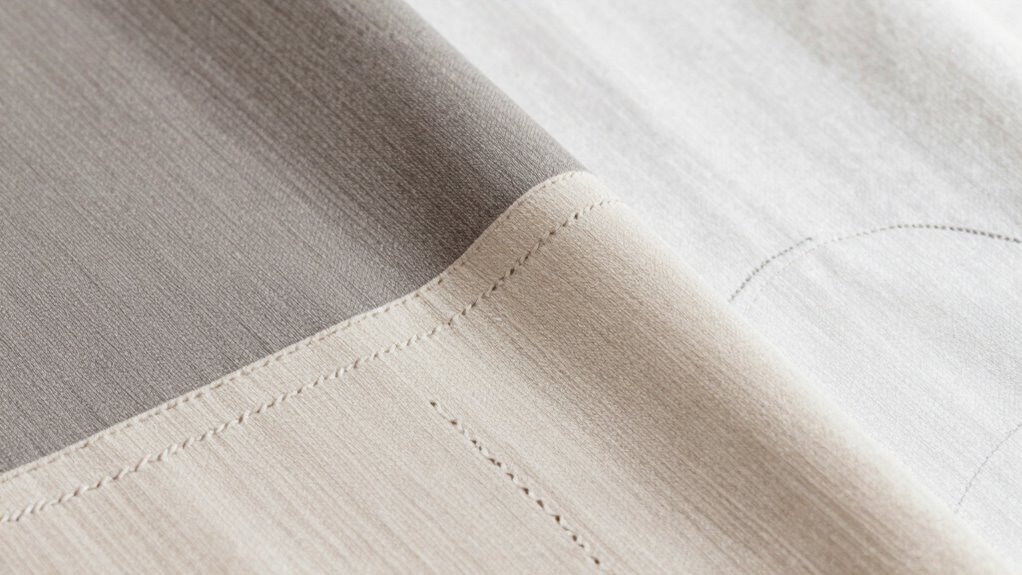
| Ideas | Techniques |
|---|---|
| Simple tote with two tones | Embossed patterns with few colors |
| Minimalist pillow cover | Color blocking for impact |
| Elegant table runner | Subtle embroidery |
| Classic apron | Sharp seams and edges |
| Statement wall hanging | Limited color gradients |
Decorating Seasonal Crafts With Minimal Color for a Chic Look
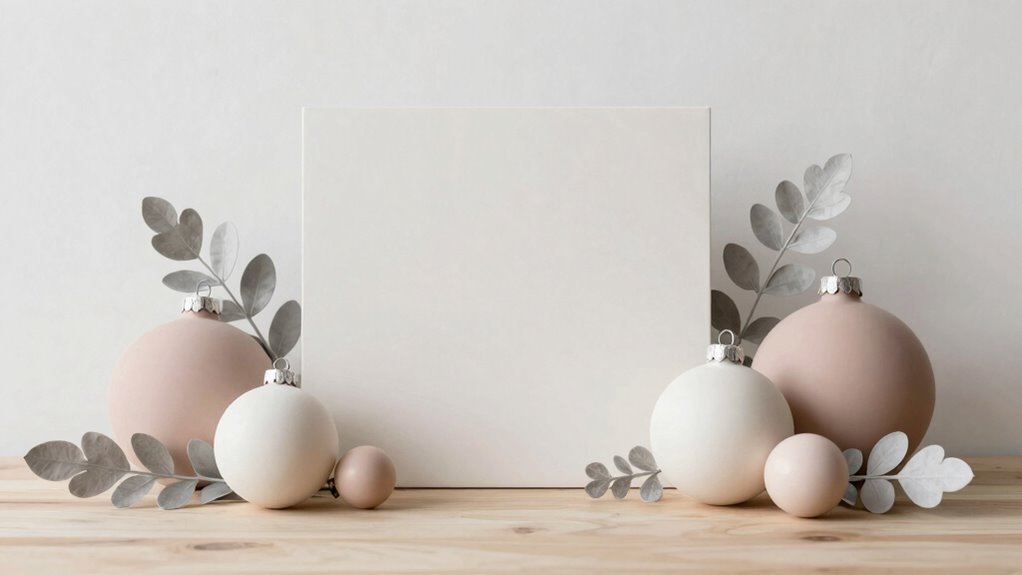
Decorating seasonal crafts with minimal color can create a sophisticated and cohesive look that elevates your home decor. By focusing on a limited palette, you emphasize texture and form, making rustic decor elements stand out. Use seasonal color palettes like soft pastels for spring, warm earthy tones for fall, or monochrome schemes for winter. Keep your designs simple yet impactful with subtle accents. To add depth, consider:
Embrace minimal color for timeless, elegant seasonal decor that highlights texture and natural beauty.
- Incorporating natural materials like wood or burlap
- Using monochromatic shades for contrast
- Highlighting textures through layering
- Selecting understated metallic accents
- Emphasizing negative space for balance
These strategies help your crafts feel rich without overwhelming. Minimal color schemes assure your seasonal decor remains elegant, timeless, and versatile, perfect for creating a chic, rustic ambiance.
How to Make Stylish Wall Art With Only Two or Three Colors
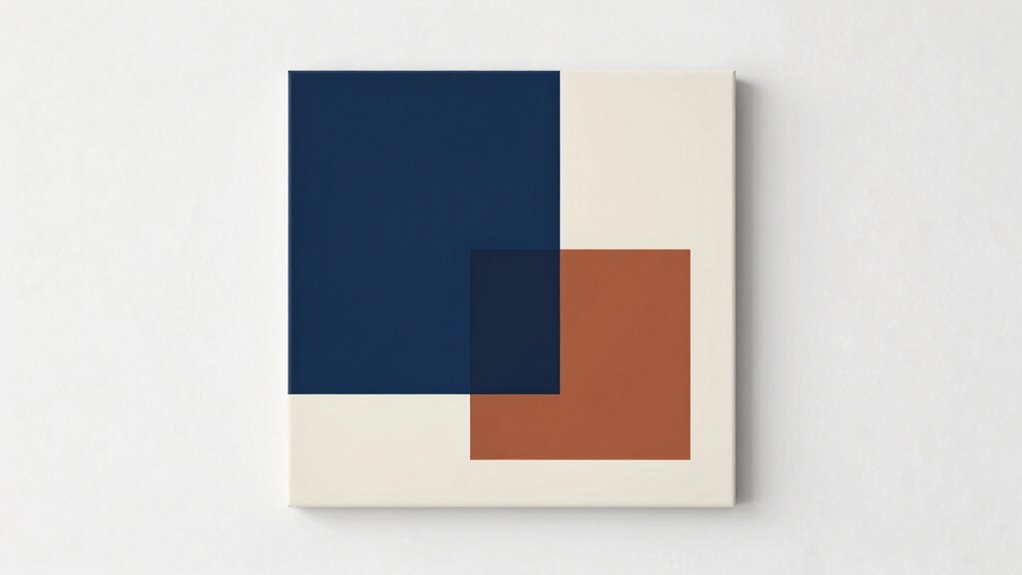
Minimal color palettes can transform wall art into striking focal points that elevate your space. Using just two or three colors, you harness color psychology to evoke emotions—calm, energy, or sophistication—while respecting cultural symbolism that adds depth. Choose contrasting shades for bold statements or harmonious tones for subtle elegance. Simplify shapes and patterns to let your limited palette shine. Consider the meaning behind your colors: black and gold for luxury, red and white for passion and purity, or blue and green for tranquility.
| Color Pair | Cultural Symbolism |
|---|---|
| Black & Gold | Wealth, elegance, power |
| Red & White | Passion, purity, celebration |
| Blue & Green | Calm, growth, balance |
| Yellow & Purple | Creativity, royalty |
| Gray & Teal | Sophistication, serenity |
Personalizing Gifts Using a Minimal Color Approach
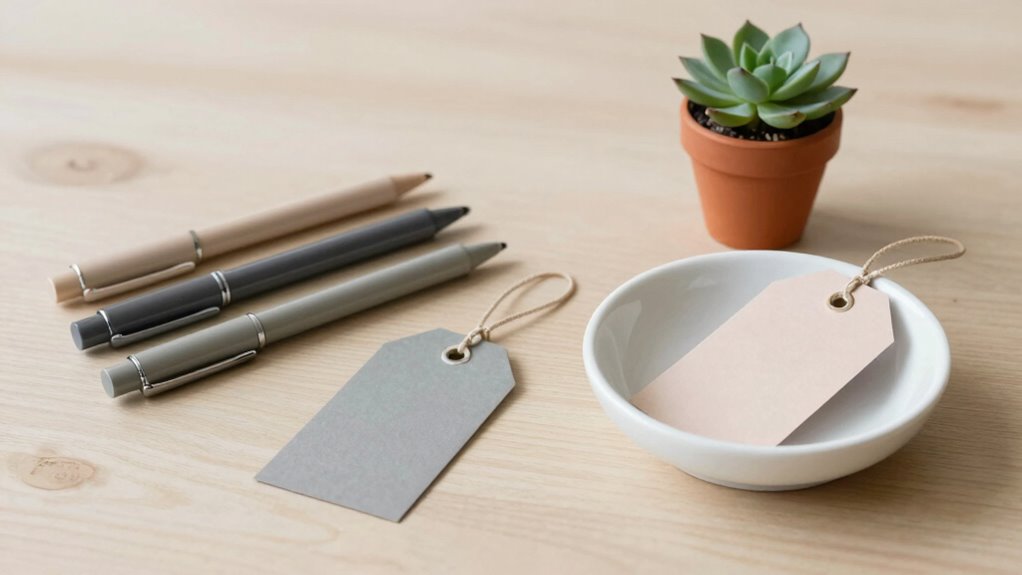
When personalizing gifts with a minimal color palette, start by choosing a cohesive set of hues that reflect the recipient’s style. Incorporate personal symbols to add meaningful details, and use textural elements to create visual interest. These touches make simple designs feel thoughtful and uniquely theirs.
Choosing a Cohesive Palette
- Limit your palette to two or three complementary hues for balance
- Use neutral tones to ground brighter accent colors
- Think about contrast to create visual interest
- Consider cultural meanings behind specific colors
- Keep in mind how different shades evoke emotions and perceptions
Incorporating Personal Symbols
Incorporating personal symbols into your craft projects adds meaningful touches that resonate with the recipient, even when using a limited color palette. Personal symbols serve as subtle yet powerful craft symbolism, conveying messages or memories without words. You can incorporate initials, meaningful shapes, or motifs that hold significance, keeping the design simple yet impactful. For example, a single icon or emblem in a muted tone can evoke a special connection. By focusing on meaningful craft symbolism, you create personalized gifts that feel thoughtful and intentional, despite the minimal color scheme. This approach enhances emotional value without overwhelming the design, making your craft both elegant and deeply personal.
Adding Textural Details
Adding textural details to your craft projects can elevate their visual and tactile appeal, even within a limited color palette. Use textural contrast to create visual interest, pairing smooth fabrics with rougher surfaces or glossy finishes with matte textures. Material pairing enhances the sensory experience and highlights your design choices. For example, combine soft felt with sleek metal accents or natural jute with polished ceramic. Incorporate different textures thoughtfully to add depth without overwhelming your minimal color scheme. Consider layering materials or contrasting tactile qualities to make your personalized gift stand out. This approach guarantees your project feels rich and intentional, even with a restrained color palette. By focusing on textural contrast and material pairing, you craft a gift that’s both subtle and sophisticated.
Adding Metallic Accents to Neutral Minimalist Crafts
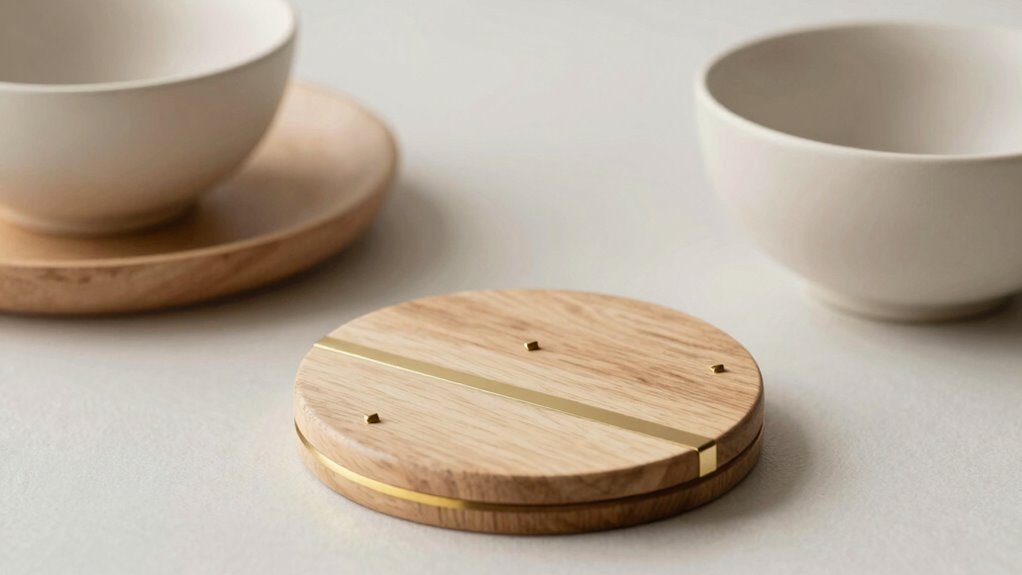
Metallic accents instantly elevate neutral minimalist crafts by introducing a touch of sophistication and visual interest. When working with neutral palettes, adding metallic details like gold, silver, or copper creates a subtle contrast that catches the eye without overwhelming the simplicity. You can incorporate metallic accents through paint, foil, small hardware, or decorative elements. For example, a simple ceramic dish with a metallic rim or a wooden frame with metallic trim instantly boosts the craft’s elegance. Keep the metallic touches minimal and deliberate to maintain the minimalist aesthetic. The key is to balance the shine with the calmness of the neutral tones, creating a refined, rich look that feels both modern and timeless.
Why Black and White Crafts Always Look Elegant
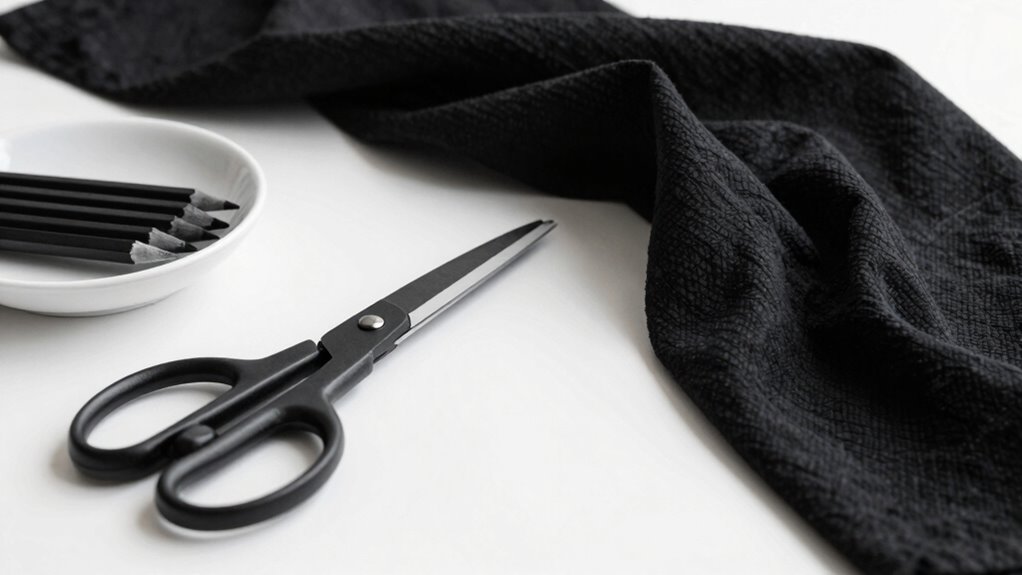
Black and white crafts have a timeless appeal that never goes out of style, making them perfect for any setting. Their versatility allows you to create a wide range of designs, from bold statements to subtle accents. Plus, the stark contrast naturally adds an air of elegance and sophistication to your creations.
Timeless Visual Appeal
There’s a reason why black and white crafts never go out of style; their simplicity creates an undeniable elegance that appeals across ages and trends. This timeless visual appeal stems from their versatility, balancing vintage patterns with modern aesthetics effortlessly. Black and white designs evoke nostalgia while maintaining a fresh, contemporary feel. They serve as a blank canvas, allowing you to highlight intricate details or bold contrasts.
Consider these factors to enhance their appeal:
- The ease of pairing with various decor styles
- The ability to emphasize craftsmanship and texture
- How they evoke sophistication without excess
- Their adaptability for both minimalism and elaborate designs
- The way they unify diverse elements into a cohesive look
Versatile Design Options
Because of their inherent simplicity, black and white crafts effortlessly adapt to a wide range of design styles, making them a versatile choice for any project. This color combination taps into powerful aspects of color psychology, conveying sophistication, clarity, and balance. Additionally, black and white hold deep cultural symbolism—representing purity, elegance, or even mystery across different societies. You can easily incorporate these crafts into modern, vintage, or minimalist aesthetics without overwhelming the overall look. Their stark contrast creates visual interest and a timeless appeal that enhances any space or item. Whether you’re aiming for bold statements or subtle accents, black and white crafts offer endless versatility, allowing you to experiment with patterns, textures, and forms while maintaining an elegant, cohesive feel.
Enhanced Elegance and Sophistication
The stark contrast between black and white naturally exudes a sense of elegance that elevates any craft. This combination taps into color psychology, where black symbolizes sophistication and power, while white represents purity and clarity. Culturally, black and white are often linked to formality and timelessness, enhancing the craft’s perceived value. When you use these colors, you evoke a refined aesthetic with minimal effort. To deepen the impact, consider:
- Incorporating geometric patterns for a modern touch
- Using metallic accents for added luxury
- Selecting textured materials to create visual interest
- Playing with symmetry to evoke balance and harmony
- Including subtle details that emphasize contrast
Incorporating Natural Materials for a Minimalist, Rich Aesthetic
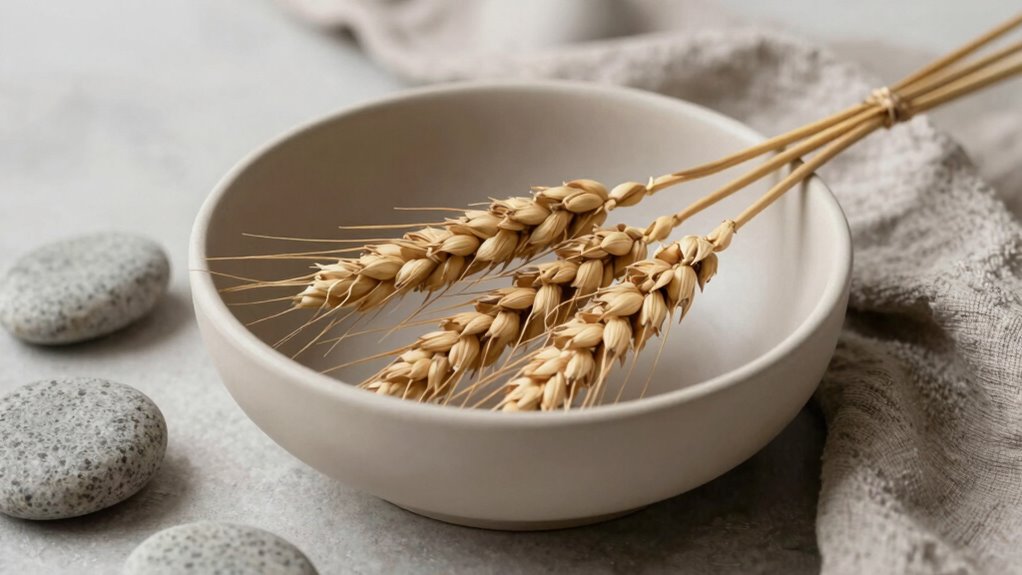
Incorporating natural materials into your craft projects instantly adds a sense of warmth and authenticity, elevating a minimalist aesthetic to something richer and more tactile. Use botanical textures like woven grasses, dried flowers, or cork to add subtle depth. Organic shapes—think irregular edges, flowing curves, and natural silhouettes—bring an effortless elegance that complements a limited color palette. These materials create visual interest without overwhelming, allowing the simplicity of your design to shine. Incorporate wood slices, stone, or linen for a grounded, earthy feel that enhances textures and shapes. The key is to choose natural elements that have inherent beauty, so your crafts stay true to a minimalist yet richly textured look.
How to Maintain Balance and Harmony With Limited Colors
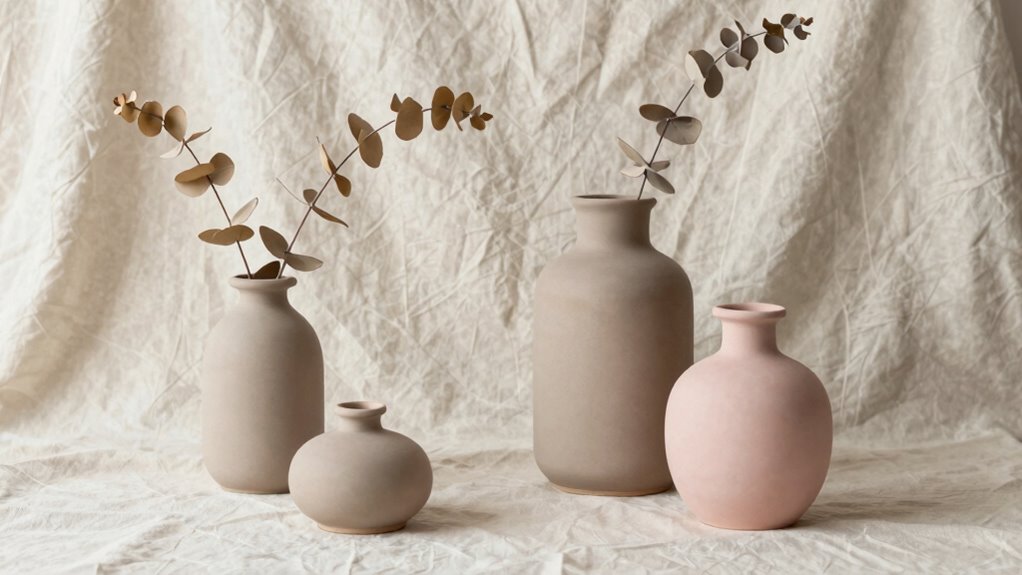
After adding natural materials for texture and warmth, the next step is to make sure your limited color palette creates a cohesive and balanced look. Understanding color psychology helps you choose shades that evoke the right mood and harmony. To maintain visual balance, distribute colors thoughtfully across your project, avoiding overwhelming one area. Consider these tips:
- Use focal points with contrasting shades for emphasis
- Balance warm and cool tones to create depth
- Limit the number of accent colors to prevent chaos
- Repeat colors strategically for consistency
- Pay attention to proportion, ensuring no single color dominates
Tips for Keeping Your Minimal Color Crafts Cohesive and Beautiful
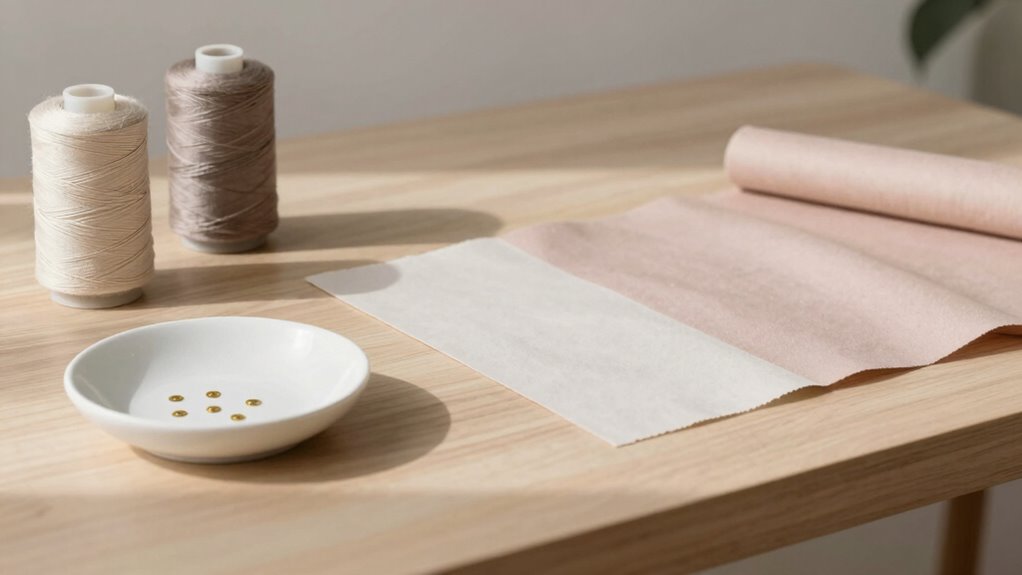
To keep your minimal color crafts cohesive and stunning, focus on harmonizing your color tones so they complement each other. Be mindful to balance your design elements carefully, ensuring no part overpowers the rest. Additionally, use consistent accents throughout to unify your project and enhance its visual appeal.
Harmonize Your Color Tones
Achieving a cohesive look in your minimal color craft projects hinges on selecting and balancing tones thoughtfully. To enhance tone harmony, consider how your colors relate—using subtle variations of a single hue or complementary shades. Pay attention to color contrast; too stark can disrupt harmony, while gentle contrast adds depth. Incorporate these tips:
- Use a monochromatic palette for seamless tone harmony
- Introduce small accents in contrasting shades for subtle pop
- Match warm and cool tones carefully to maintain balance
- Limit your color choices to avoid visual clutter
- Test your colors together before committing to the final piece
Balance Elements Carefully
Balancing elements in your minimal color craft projects guarantees your design remains cohesive and visually appealing. To achieve this, consider color psychology—using colors that evoke the desired mood and harmony. For example, soft neutrals create calmness, while bold accents add energy. Cultural influences also play a role; colors carry different meanings across cultures, so choose hues that resonate appropriately with your audience. Distribute elements evenly to prevent visual clutter or imbalance, ensuring no single part overwhelms the composition. Focus on simplicity, but be intentional with placement and scale. By thoughtfully balancing elements with awareness of color psychology and cultural influences, your craft will feel unified, rich, and engaging without sacrificing minimalism.
Use Consistent Accents
Maintaining consistency in your accents helps unify your minimal color craft projects, making them feel polished and intentional. Using the same accent accents throughout creates a cohesive look that aligns with your color psychology goals, whether you want to evoke calm, energy, or sophistication. To achieve this, select a few accent elements—like a specific color, material, or shape—and stick with them. Consistent accents guide the viewer’s eye and reinforce your design theme. For example, if you choose a bold metallic for accents, use it sparingly but uniformly across your project. This uniformity ensures your craft feels harmonious, emphasizing quality over quantity while letting your chosen color palette shine. Remember, subtlety and repetition are key to creating a refined minimal aesthetic.
Frequently Asked Questions
How Can I Incorporate Bold Accents Into Minimal Color Schemes Effectively?
To incorporate bold accents into minimal color schemes effectively, focus on bold contrast and strategic accent placement. Use a striking color sparingly—perhaps in a single piece or detail—to draw attention without overwhelming the design. Place your accent where it naturally catches the eye, such as a focal wall or a key accessory. This balance guarantees your craft feels rich and vibrant without losing its minimal elegance.
What Are Some Common Mistakes to Avoid With Minimal Color Palettes?
Avoid overloading your design with too many shades, which disrupts color harmony and weakens palette balance. Don’t forget to take into account contrast—too little can make your work feel dull, while too much can be overwhelming. Be cautious with accent colors; they should complement, not clash. Also, steer clear of inconsistent lighting or textures that can throw off the minimal aesthetic. Keep these in mind for a cohesive, elegant look.
How Do I Select the Right Materials for a Minimal yet Luxurious Feel?
Did you know that 85% of perceived luxury comes from material textures? To select the right materials, focus on textures that evoke richness, like matte ceramics or soft linens. Prioritize color harmony by choosing neutral tones with subtle variations. Opt for quality over quantity, ensuring each piece brings a refined feel. This balance creates a minimal, luxurious aesthetic that feels both intentional and sophisticated.
Can Minimal Color Palettes Work for Large-Scale Projects?
Yes, minimal color palettes work well for large-scale projects. You create monochrome harmony by sticking to a few shades, which unifies the space. Neutral versatility guarantees the design remains sophisticated and flexible, allowing for different textures and materials to add richness without overwhelming. By focusing on simplicity and balance, you can achieve a luxurious feel that’s both expansive and calming, making your large project visually cohesive and elegant.
How Do I Create Visual Interest Without Adding More Colors?
A picture is worth a thousand words, so focus on monochrome contrast and subtle texture to create visual interest without adding more colors. Use different shades of the same hue to build depth, and incorporate textured materials or patterns to add richness. Playing with light and shadow also enhances the overall look, making your minimal palette feel layered and sophisticated without overwhelming the design.
Conclusion
Embrace minimal color palettes to create crafts that feel both rich and refined—think of it as wielding a paintbrush like a Renaissance master, but with fewer hues. By choosing neutral tones, monochromes, or soft pastels, you craft with elegance and purpose. Keep balance and harmony in mind, and your projects will look effortlessly stunning. Remember, even in a world of digital chaos, simple and thoughtful design remains timeless—like a well-loved, old manuscript, it never goes out of style.
Evergreen bestsellers Picks
bestsellers
As an affiliate, we earn on qualifying purchases.