
TL;DR

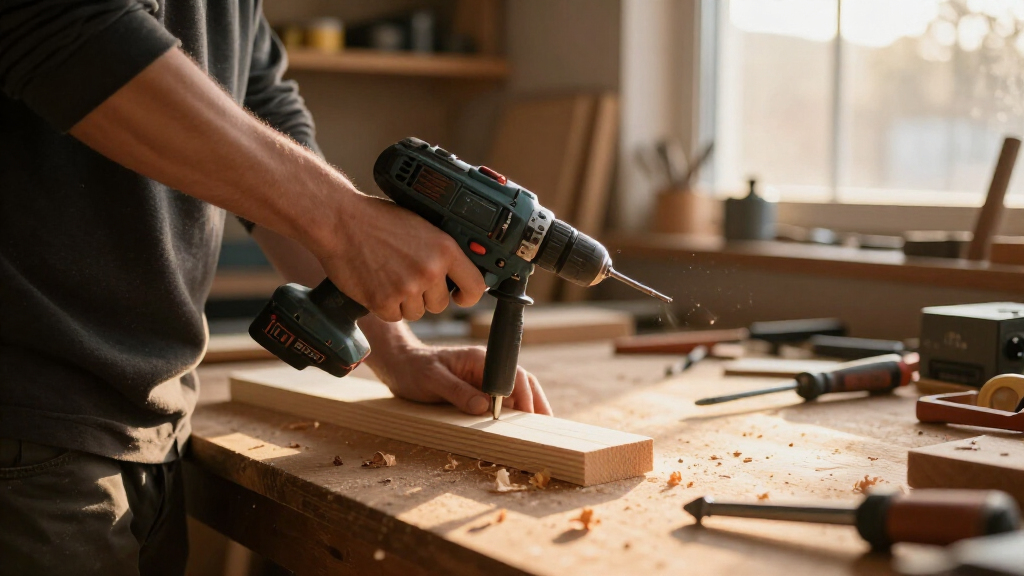
Get business pricing on tools and workshop supplies
- Business-only prices and quantity discounts
- Tax-exempt purchasing
- Multiple users, one account, clear invoices
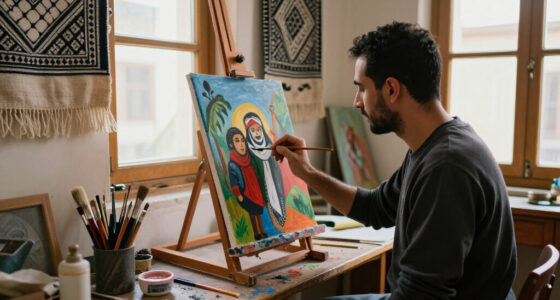
Vienna is experiencing a continuous influx of new artists, transforming its cultural scene. This development highlights the city’s evolving artistic landscape and its appeal to creatives.
Vienna’s art scene is currently undergoing a significant transformation, with a steady influx of new artists choosing the city as their base. This ongoing trend reflects Vienna’s sustained appeal as a hub for creative talent and cultural innovation, making it a focal point for contemporary art developments.
According to reports from MeinBezirk.at, the city has seen a noticeable rise in the number of artists relocating from abroad and other regions of Austria. Many cite Vienna’s rich cultural history, affordable studio spaces, and vibrant community as key factors. Local galleries and art institutions have also reported increased activity, with new exhibitions featuring works by these emerging artists.
While exact numbers are not publicly available, industry insiders indicate that this trend is likely to continue, supported by city initiatives aimed at fostering creative industries. The influx is contributing to a more diverse and dynamic art scene, with styles ranging from traditional to experimental.
Implications of the Artistic Influx for Vienna’s Cultural Identity
This ongoing movement of artists into Vienna is significant because it reinforces the city’s reputation as a leading center for contemporary art. It also enhances the cultural diversity and innovation within Vienna’s artistic community, potentially attracting more international attention and visitors. For residents and local businesses, this influx can boost the creative economy and foster new collaborations.
As an affiliate, we earn on qualifying purchases.
Vienna’s Historical Role as an Artistic Hub and Recent Trends
Vienna has long been regarded as a major European center for arts and culture, historically home to renowned composers, painters, and thinkers. In recent years, the city has actively promoted its creative sectors through initiatives such as affordable studio spaces and cultural grants. The current influx of new artists continues this legacy, signaling a sustained interest in Vienna as a destination for emerging talent.
Previous reports have highlighted Vienna’s ability to attract international artists, especially from countries facing economic or political instability. This trend aligns with the city’s broader strategy to maintain its status as a vibrant, innovative cultural hub.
Unclear Details About the Scale and Future Growth
While reports indicate a rising trend, precise data on the number of new artists and the long-term sustainability of this influx remain unavailable. It is also not yet clear how this will influence Vienna’s established art institutions or the local real estate market in the coming years.
Monitoring Continued Artist Migration and Cultural Impact
Next steps include tracking official data on artist residency applications and gallery participation. Local authorities and cultural organizations are expected to publish further insights into how this trend develops and its broader implications for Vienna’s cultural landscape.
Key Questions
Why are so many artists moving to Vienna now?
Many cite Vienna’s affordable studio spaces, rich cultural history, and supportive community as key reasons for relocating. City initiatives aimed at fostering creative industries also play a role.
How is this influx affecting Vienna’s art scene?
The influx is making Vienna’s art scene more diverse and vibrant, with new styles and collaborations emerging across galleries, studios, and public spaces.
Are there any risks or downsides to this trend?
Potential concerns include rising property prices and the challenge of integrating new artists into established networks. However, specific impacts are still being assessed.
Will this trend continue in the future?
Experts suggest that as long as city policies support the arts and affordable spaces remain available, the trend is likely to persist, though exact future growth is uncertain.
Source: local
Fall yard work Picks
leaf blowers
As an affiliate, we earn on qualifying purchases.