
TL;DR

Get business pricing on tools and workshop supplies
- Business-only prices and quantity discounts
- Tax-exempt purchasing
- Multiple users, one account, clear invoices
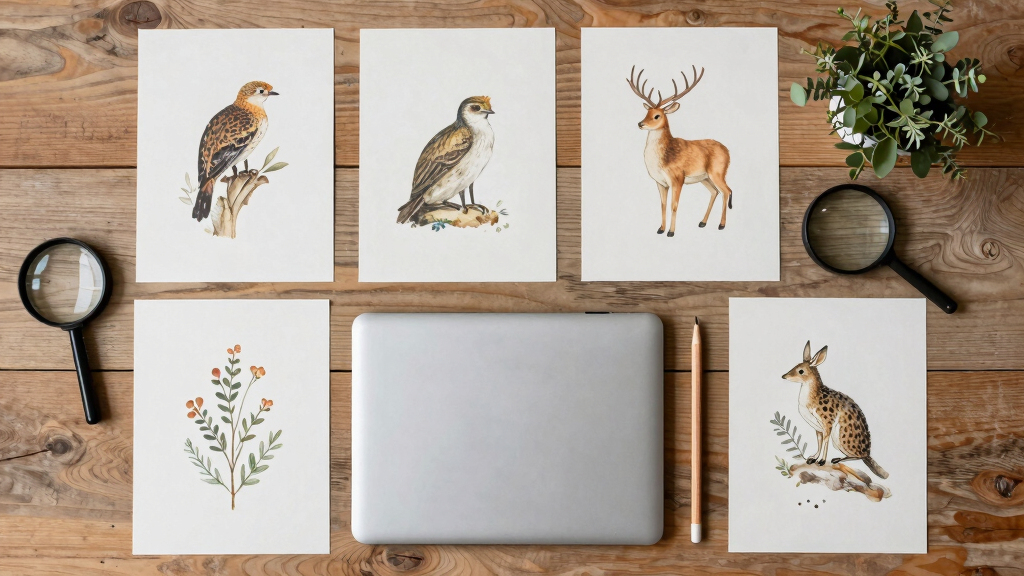
A collection of 1,300 detailed wildlife illustrations from the 19th century has been fully restored and made available online. The project aims to preserve historical art and enhance public access to natural history imagery.
More than 1,300 detailed wildlife illustrations from the 19th century have been fully restored and are now available online for public viewing, researchers, and educators. The project, led by a collaboration between a historical art preservation organization and a digital archive, aims to safeguard and disseminate this significant natural history resource. This development offers new opportunities for study and appreciation of 19th-century scientific art.
The collection includes high-resolution images of illustrations originally created by naturalists and artists during the 1800s. The restoration process involved advanced digital techniques to repair damage, enhance clarity, and preserve the original details. The images cover a wide range of wildlife, from birds and mammals to insects and marine life, reflecting the scientific curiosity and artistic skill of the period. According to the project coordinators, the restored illustrations are now accessible through an online platform, allowing global audiences to explore these historic images without physical handling of fragile originals.Experts involved in the project emphasized the importance of digital preservation in safeguarding cultural heritage. The images are part of a broader effort to digitize and conserve historical scientific materials, which are often at risk due to deterioration and limited access. The collection is expected to serve as a valuable resource for researchers, educators, and natural history enthusiasts.While the collection is now available online, it is not yet clear whether additional related materials, such as original sketches or accompanying texts, will be included in future releases. The project team is also exploring partnerships with educational institutions to integrate the illustrations into curricula and exhibitions.Why Restoring 19th-Century Wildlife Art Matters
This restoration project preserves a vital part of natural history and scientific illustration, offering insights into 19th-century scientific inquiry and artistic techniques. The availability of these images enhances educational resources, supports research, and promotes appreciation for historical approaches to studying wildlife. It also demonstrates the importance of digital preservation in safeguarding fragile cultural artifacts for future generations, making these images accessible worldwide and preventing further deterioration of original works.
19th century wildlife illustration art book
As an affiliate, we earn on qualifying purchases.
As an affiliate, we earn on qualifying purchases.
Historical Importance and Preservation of 19th-Century Scientific Art
During the 1800s, naturalists and artists collaborated to produce detailed illustrations that documented wildlife before the advent of modern photography. These images played a crucial role in scientific classification and understanding of biodiversity. Over time, many originals suffered damage or deterioration due to age and handling. Recent decades have seen increased efforts to digitize and restore such works, but large-scale projects like this collection are still relatively rare. The current initiative builds on previous efforts by utilizing advanced digital restoration techniques to recover and share these historic images with a broader audience.
“This project not only preserves beautiful artwork but also safeguards a vital historical record of biodiversity from the 19th century.”
— Dr. Emily Carter, Lead Conservator
Remaining Questions About Future Access and Content Expansion
It is not yet confirmed whether additional materials, such as original sketches, explanatory texts, or related scientific documents, will be included in future releases. The scope of access—whether the collection will remain static or expand—is still under discussion. Additionally, details about ongoing maintenance and potential updates to the digital archive have not been publicly disclosed.
Next Steps for Broader Access and Educational Use
The project team plans to promote wider awareness of the collection through partnerships with educational institutions and museums. They are also exploring options to incorporate the illustrations into digital curricula and virtual exhibitions. Further updates on potential expansions, additional materials, and user engagement initiatives are expected in the coming months.
Key Questions
How can I access the restored illustrations?
The collection is available through the official digital archive website, where users can view and download images freely.
Are the original 19th-century illustrations preserved in a museum or archive?
Many originals are held in various museums and private collections; the project focuses on digital restoration and online accessibility.
Will there be educational programs using these images?
Yes, the project coordinators are planning to collaborate with schools and museums to incorporate the illustrations into educational resources and exhibitions.
Are the illustrations annotated or accompanied by scientific descriptions?
Some images include basic labels, but detailed scientific descriptions are not yet part of the current online collection. Future updates may include more contextual information.
What techniques were used for the digital restoration?
Restoration involved high-resolution scanning, digital repair of damages, and enhancement of details using advanced image processing software.
Source: hn
Halloween Picks
halloween
As an affiliate, we earn on qualifying purchases.