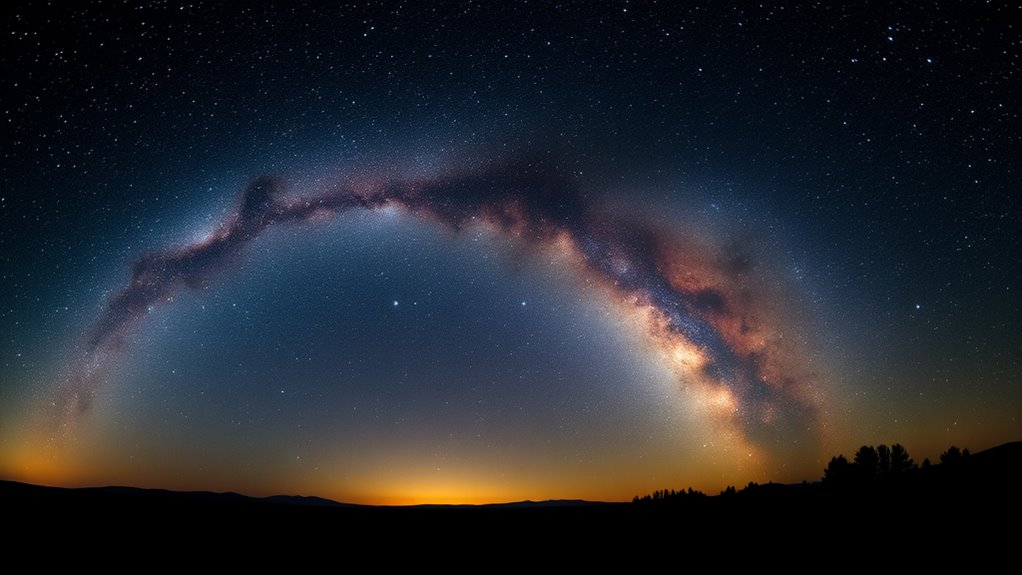

Choosing the right lens for Milky Way photography means balancing ultra-wide perspectives with low-light performance and compatibility. The AstrHori 9mm F2.8 stands out for its expansive 150° view, perfect for capturing sweeping landscapes, but it’s manual focus only. The Brightin Star 7.5mm F2.8 offers an even broader 190° fisheye view that’s excellent for creative astrophotos, yet limited to Canon EF-M mount and manual focus. For those seeking a circular fisheye, the AstrHori 6mm F2.8 provides a full 220° view, great for immersive shots but with compatibility restrictions. Meanwhile, the Canon RF16mm F2.8 offers a compact, autofocus alternative for full-frame EOS R users, and the Laowa 10mm F2.8 delivers a wide 130° view with minimal distortion for landscape and architecture. These options involve tradeoffs between field of view, autofocus, lens compatibility, and creative potential, guiding you to the best choice for your gear and style.

Get business pricing on tools and workshop supplies
- Business-only prices and quantity discounts
- Tax-exempt purchasing
- Multiple users, one account, clear invoices
Complete the kit


Key Takeaways
- Ultra-wide perspectives are ideal for expansive Milky Way landscapes but often involve manual focus.
- Fisheye lenses provide immersive, creative shots with extreme fields of view, suited for experimental astrophotography.
- Full-frame lenses like the Canon RF16mm combine compactness with autofocus, but limit the wider field options.
- Compatibility plays a key role—select a lens that matches your camera mount to avoid additional adapters.
- Low-light performance is mainly driven by wide apertures like F2.8, crucial for capturing the Milky Way in dark skies.
| AstrHori 9mm F2.8 Lens for APS-C Cameras |  | Best Ultra-Wide for Landscapes and Architecture | Focal Length: 9mm | Aperture: F2.8 (up to F16) | Field of View: 150° | VIEW ON AMAZON | See Our Full Breakdown |
| Brightin Star 7.5mm F2.8 III Ultra Wide Angle Fisheye Lens for Canon EF-M Mount Mirrorless Cameras |  | Best Creative Fisheye for Astrophotography | Focal Length: 7.5mm | Maximum Aperture: f/2.8 | Field of View: 190° | VIEW ON AMAZON | See Our Full Breakdown |
| AstrHori 6mm F2.8 Circular Fisheye Lens |  | Best for Immersive Circular Images | Focal Length: 6mm | Aperture: F2.8 | Field of View: 220° | VIEW ON AMAZON | See Our Full Breakdown |
| Canon RF16mm F2.8 STM Lens – Ultra Wide-Angle Prime for EOS R Series |  | Best Full-Frame Compact Wide-Angle | Focal Length: 16mm | Maximum Aperture: f/2.8 | Minimum Focusing Distance: 5.11 inches | VIEW ON AMAZON | See Our Full Breakdown |
| Laowa 10mm f/2.8 Zero-D Full-Frame Wide-Angle Lens for Sony FE |  | Best for Minimal Distortion and Landscape | Focal Length: 10mm | Aperture: f/2.8 | Lens Mount: Sony FE | VIEW ON AMAZON | See Our Full Breakdown |
| wide field lenses for milky way photography | Focal Length | Aperture | Field of View | Focus Type |
|---|---|---|---|---|
| AstrHori 9mm F2.8 Lens for APS | 9mm | F2.8 (up to F16) | 150° | Manual |
| Brightin Star 7.5mm F2.8 III U | 7.5mm | — | 190° | Manual Focus |
| AstrHori 6mm F2.8 Circular Fis | 6mm | F2.8 | 220° | Manual |
| Canon RF16mm F2.8 STM Lens | 16mm | — | — | — |
| Laowa 10mm f/2.8 Zero-D Full-F | 10mm | f/2.8 | — | — |
More Details on Our Top Picks
AstrHori 9mm F2.8 Lens for APS-C Cameras
The AstrHori 9mm F2.8 stands out for its extraordinary 150° field of view, making it perfect for capturing sweeping nightscapes. Its large F2.8 aperture enhances low-light performance, which is critical for Milky Way shots, and the all-metal construction adds durability. Compared with fisheye options, it offers a more natural wide perspective, though it lacks autofocus, which could challenge less experienced users. Designed specifically for APS-C cameras, it’s an excellent choice for dedicated astrophotographers with crop-sensor gear, but those with full-frame cameras might find it limiting.
Pros:- Ultra-wide 150° field of view ideal for expansive landscapes
- Large F2.8 aperture boosts low-light shooting
- Compact, all-metal build for travel
- Manual focus offers precise control
Cons:- Manual focus can be tricky for newcomers
- Limited compatibility outside APS-C systems
- No autofocus feature
Best for: Beginners and landscape-focused astrophotographers with APS-C cameras
Not ideal for: Full-frame users or those who prefer autofocus and quick framing adjustments
- Focal Length:9mm
- Aperture:F2.8 (up to F16)
- Field of View:150°
- Focus Type:Manual
- Close Focusing Distance:0.2m
- Weight:about 307g
Our verdict“A superb choice for APS-C users seeking a wide, low-light capable lens for landscape astrophotography.”
Brightin Star 7.5mm F2.8 III Ultra Wide Angle Fisheye Lens for Canon EF-M Mount Mirrorless Cameras
The Brightin Star 7.5mm F2.8 III offers an incredible 190° fisheye perspective, perfect for capturing immersive starfield shots and dramatic landscapes. Its high-quality optics produce sharp images with starburst effects, adding a creative flair. The lightweight design makes it easy to carry on outdoor shoots, but manual focus only might pose challenges when trying to quickly frame stars or the Milky Way. It’s limited to Canon EF-M mount cameras, which means it’s best for mirrorless Canon users willing to work within that ecosystem.
Pros:- Extremely wide 190° fisheye view for dramatic shots
- Bright F2.8 aperture excels in dark skies
- Lightweight and portable
- Starburst effects add artistic flair
Cons:- Manual focus only
- Limited to Canon EF-M mount
- No zoom capability
Best for: Creative astrophotographers and Canon EF-M mirrorless users
Not ideal for: Full-frame camera owners or those who prefer autofocus
- Focal Length:7.5mm
- Maximum Aperture:f/2.8
- Field of View:190°
- Focus Type:Manual Focus
- Lens Coating:Nano AR Coating
Our verdict“Excellent for creative, immersive Milky Way images, especially for Canon EF-M users comfortable with manual focus.”
AstrHori 6mm F2.8 Circular Fisheye Lens
The AstrHori 6mm F2.8 Circular Fisheye offers a full 220° field of view, creating nearly complete immersive images, ideal for astrophotography sessions that emphasize creative effects or unique compositions. Its bright F2.8 aperture performs well in low-light conditions, and the all-metal build provides durability. The manual focus can be a drawback for quick framing, and it’s only compatible with Nikon Z mount, limiting versatility. Still, for those wanting an ultra-wide circular perspective, this lens offers exceptional value.
Pros:- Full 220° field of view for immersive images
- Bright F2.8 aperture for night sky clarity
- Durable all-metal construction
- Manual focus offers creative control
Cons:- Manual focus only
- Limited to Nikon Z mount
- Requires setting lens release before use
Best for: Creative astrophotographers and Nikon Z mount users
Not ideal for: Casual shooters or those needing autofocus
- Focal Length:6mm
- Aperture:F2.8
- Field of View:220°
- Focus Type:Manual
Our verdict“Perfect for immersive, circular Milky Way shots, especially suited for Nikon Z system users prioritizing creative control.”
Canon RF16mm F2.8 STM Lens – Ultra Wide-Angle Prime for EOS R Series
The Canon RF16mm F2.8 STM offers a bright f/2.8 aperture combined with autofocus, making it a solid choice for full-frame EOS R series cameras. Its 16mm focal length provides a wide perspective suitable for Milky Way scenes, but isn’t as expansive as some fisheye or ultra-wide options. The compact size and smooth autofocus make it versatile for both astrophotography and general landscape use, though its fixed focal length limits creative framing compared to wider or fisheye lenses.
Pros:- Wide 16mm perspective ideal for milky way shots
- Bright F2.8 aperture for low-light performance
- Autofocus for quick, accurate framing
- Lightweight and portable
Cons:- Fixed focal length limits composition options
- Less wide than fisheye or ultra-wide options
- No macro or close-up capability
Best for: EOS R full-frame users seeking a compact, versatile wide-angle lens
Not ideal for: Those needing extremely wide or immersive fisheye perspectives
- Focal Length:16mm
- Maximum Aperture:f/2.8
- Minimum Focusing Distance:5.11 inches
- Weight:Lightweight
Our verdict“A practical, full-frame solution balancing size, autofocus, and low-light performance for EOS R shooters.”
Laowa 10mm f/2.8 Zero-D Full-Frame Wide-Angle Lens for Sony FE
The Laowa 10mm F2.8 delivers a 130.4° view with near-zero distortion, making it ideal for capturing straight lines and wide landscapes in low-light conditions. Its fast F2.8 aperture helps gather enough light for night sky photography, while the close focusing distance enables macro-style shots. The lens’s optical design minimizes distortion, a key advantage over cheaper ultra-wide options, but it’s limited to Sony FE mount and requires screw-in filters, which could add extra cost.
Pros:- Near-zero distortion ideal for straight lines
- Wide 130.4° view for dramatic landscapes
- Fast F2.8 aperture for night photography
- Compact and lightweight
Cons:- Limited to Sony FE mount
- Requires screw-in filters, increasing cost
- No autofocus, manual focus only
Best for: Landscape and architecture enthusiasts using Sony FE cameras
Not ideal for: Casual or beginner astrophotographers seeking extreme wide views
- Focal Length:10mm
- Aperture:f/2.8
- Lens Mount:Sony FE
- Lens Elements:15 elements in 9 groups
Our verdict“An excellent choice for landscape and architecture shooting in low-light, with minimal distortion and macro capability for Sony FE users.”

How We Picked
Our selection process focused on lenses that offer wide to ultra-wide fields suitable for Milky Way photography, prioritizing aperture size, optical quality, and compatibility. We examined reviews, technical specifications, and user feedback to identify lenses that excel in low-light conditions, provide creative flexibility, and balance portability with durability. Each lens was evaluated for its unique role—whether for landscape, creative fisheye effects, or full-frame versatility—and for practical considerations like manual versus autofocus, mount compatibility, and size. The goal was to present options that suit different types of astrophotographers, from beginners to advanced enthusiasts, with clear insights into their respective strengths and limitations.
| wide field lenses for milky way photography | Aperture | Focus Type |
|---|---|---|
| AstrHori 9mm F2.8 Lens for APS | F2.8 (up to F16) | Manual |
| Brightin Star 7.5mm F2.8 III U | — | Manual Focus |
| AstrHori 6mm F2.8 Circular Fis | F2.8 | Manual |
| Canon RF16mm F2.8 STM Lens | — | — |
| Laowa 10mm f/2.8 Zero-D Full-F | f/2.8 | — |
Factors to Consider When Choosing Wide Field Lenses For Milky Way Photography
Selecting the right lens for Milky Way photography involves understanding how different features influence your results. Wide angles and fisheye lenses excel at capturing expansive night sky scenes, but manual focus and compatibility issues can be hurdles. Consider your camera system, desired field of view, and whether autofocus or creative effects matter most. The ideal lens balances brightness, sharpness, and durability, helping you produce stunning astrophotos without unnecessary compromises.Field of View and Creative Potential
Wider lenses like fisheyes create immersive, artistic images that emphasize the vastness of the night sky, while standard wide-angle lenses are better suited for realistic landscapes. Decide whether you want a dramatic, distorted perspective or a more natural wide view, as this greatly influences your lens choice.
Aperture and Low-Light Performance
For Milky Way photography, a large aperture such as F2.8 is essential to gather enough light in dark conditions. All lenses reviewed here feature F2.8 or brighter, but the actual performance depends on your camera’s sensor and your shooting technique.
Compatibility and Size
Lens compatibility is key—ensure your camera mount matches or plan for adapters. Size and weight matter if you plan to travel or shoot handheld; some lenses are ultra-light, while fisheyes and circular lenses tend to be bulkier.
Manual vs. Autofocus
Manual focus lenses are common in ultra-wide and fisheye options, requiring patience and practice. Autofocus lenses, like the Canon RF16mm, offer convenience but may have limitations in extremely dark skies. Consider your comfort with focusing in low-light conditions.
Frequently Asked Questions
Is a fisheye lens suitable for Milky Way photography?
Fisheye lenses, such as the Brightin Star 7.5mm F2.8 or AstrHori 6mm F2.8, are excellent for creating immersive, artistic images with a unique perspective. They capture an extremely wide view, which can be especially striking in astrophotography. However, manual focus and limited compatibility can be drawbacks, and they may not be ideal for traditional landscape shots if realism is your goal.
What should I look for in a lens for dark-sky astrophotography?
The most important feature is a large maximum aperture, ideally F2.8 or brighter, to maximize light intake. Sharpness across the frame and minimal distortion are also crucial for detailed Milky Way images. Compatibility with your camera system and ease of focusing in low-light conditions are additional considerations that can impact your success.
Are manual focus lenses a problem for Milky Way photography?
Manual focus lenses are common among ultra-wide and fisheye options, and they require careful adjustment, especially in low light. While some find manual focusing challenging, many astrophotographers prefer it for the precision it offers. Autofocus lenses are less common at these focal lengths but provide convenience if you’re less comfortable with manual focusing in the dark.
Can I use a regular wide-angle lens for Milky Way shots?
Yes, many standard wide-angle lenses with apertures of F2.8 or brighter can produce excellent Milky Way images. However, ultra-wide and fisheye lenses expand your creative options by capturing more of the sky and landscape. The choice depends on your artistic vision and the specific look you want to achieve.
How important is lens distortion for astrophotography?
Minimizing distortion is important for accurate, natural-looking images, especially for landscapes and architectural shots. Lenses like the Laowa 10mm F2.8 are designed with near-zero distortion, making them ideal for capturing straight lines and wide vistas without warping. Fisheyes, by nature, introduce distortion, which is part of their creative appeal but less suitable for realistic representations.
Conclusion
For landscape photographers with APS-C cameras, the AstrHori 9mm F2.8 offers an unbeatable combination of ultra-wide perspective and low-light performance. Creative shooters seeking immersive, artistic effects may prefer the Brightin Star 7.5mm F2.8 III or AstrHori 6mm F2.8 for their extreme fields of view. Full-frame users with EOS R cameras will find the Canon RF16mm F2.8 a compact, autofocus alternative, while Sony owners aiming for minimal distortion and macro capability should consider the Laowa 10mm F2.8. Each choice hinges on your camera system, preferred composition style, and whether manual or autofocus matters most to your workflow.
Halloween Picks
halloween
As an affiliate, we earn on qualifying purchases.