
Choosing the right paper weight and finish is key to successful printmaking. Heavier papers are more durable and suited for detailed or finished pieces, while lighter papers are great for sketches and experiments. Finishes like matte absorb ink evenly, reducing glare, whereas gloss enhances color vibrancy. Textured papers add tactile interest, and smooth surfaces capture fine detail. Mastering these choices helps you get professional results; if you keep exploring, you’ll discover even more tips.

Get business pricing on tools and workshop supplies
- Business-only prices and quantity discounts
- Tax-exempt purchasing
- Multiple users, one account, clear invoices
Key Takeaways
- Match paper weight and finish to your specific printmaking technique for optimal results and durability.
- Heavier papers are ideal for fine art prints and framing, while lighter papers suit sketches and drafts.
- Matte finishes absorb ink evenly, reducing glare; gloss finishes enhance color vibrancy and shine.
- Textured papers add tactile interest but may affect detail precision depending on the technique.
- Consider eco-friendly options for sustainable projects, choosing finishes that complement your artistic style.

Have you ever wondered what distinguishes one type of paper from another? It’s not just about color or size; the differences in weight, finish, and material can profoundly impact your project’s outcome. When selecting paper, understanding these variations helps guarantee your work looks professional and meets your expectations. One key aspect to consider is the variety of printmaking techniques you plan to use. Certain printmaking methods, like etching or relief printing, require specific paper qualities to achieve ideal results. For example, relief printing often benefits from thicker, more textured papers that can withstand pressure and hold ink well. Conversely, delicate techniques like intaglio might need smoother, lighter papers to capture fine details without bleeding or tearing. Knowing the compatibility of your chosen printmaking techniques with different paper types ensures your artwork turns out exactly as you envision.
Choosing the right paper quality ensures your printmaking techniques produce professional, detailed results.
Additionally, considering the vibrational energy associated with your materials can influence the overall success of your project, especially if you approach your work with intention and mindfulness.
Another important factor is the type of paper you choose, especially if you’re committed to eco-friendly practices. Eco friendly papers are made from sustainable sources, often utilizing recycled fibers or alternative materials that reduce environmental impact. These papers come in various weights and finishes, giving you plenty of options to match your artistic needs. For instance, recycled papers with a rough finish can add texture and character to your prints, while smoother, eco friendly papers are ideal for detailed work or high-quality reproductions. Selecting eco conscious options not only benefits the planet but can also enhance the authenticity and appeal of your artwork, especially if you’re aiming for a natural or rustic aesthetic.
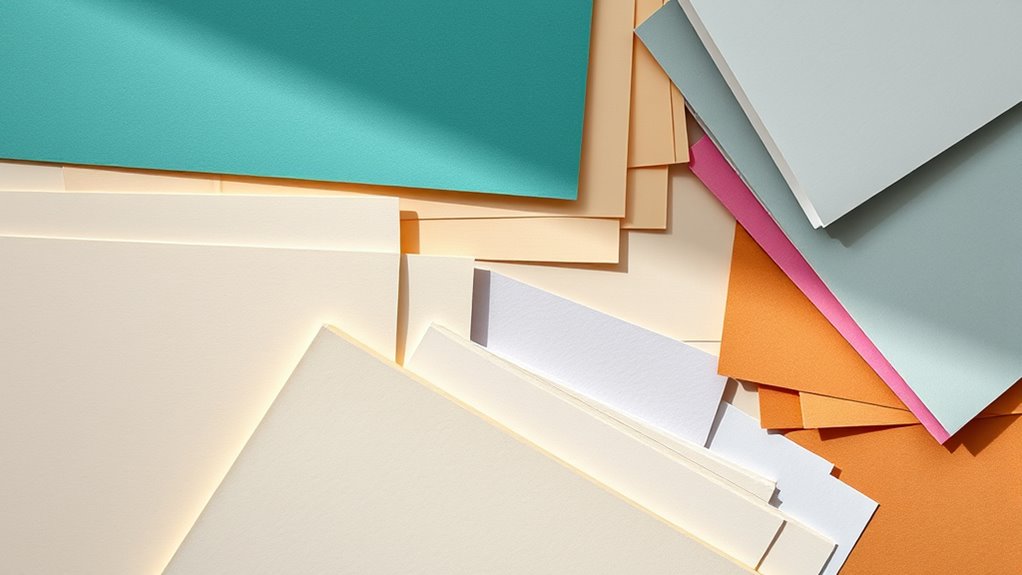
Weight and finish are equally critical considerations. Heavier papers tend to be more durable and suitable for projects that require handling or framing, such as posters or fine art prints. Lighter papers are easier to work with for sketches, drafts, or quick experiments, and they often fold or manipulate more effortlessly. The finish of the paper—whether matte, gloss, or textured—affects how ink or paint interacts with the surface. Matte finishes absorb ink more evenly, reducing glare, while gloss finishes can make colors pop and add vibrancy. Textured papers, meanwhile, can provide a tactile element that elevates your artwork’s visual interest.
Ultimately, choosing the right paper involves balancing these factors with your artistic goals and techniques. Whether you’re exploring printmaking methods or prioritizing eco friendly papers, understanding the differences in weight and finish empowers you to make informed decisions. This knowledge helps you select the perfect medium for your project, ensuring your creative vision is realized with clarity and precision.
As an affiliate, we earn on qualifying purchases.
Frequently Asked Questions
How Does Paper Weight Affect Printing Quality?
Imagine a sturdy canvas supporting vibrant artwork—that’s what paper weight does for printing quality. Heavier paper resists ink absorption, helping colors stay vibrant and crisp, while lighter paper might soak up ink unevenly, dulling your images. By choosing the right weight, you guarantee your prints have sharp details and bold color vibrancy. So, don’t underestimate weight—it’s the foundation for professional, eye-catching results.
What Are the Environmental Impacts of Different Paper Finishes?
You should consider that eco friendly coatings and sustainable manufacturing reduce environmental impacts of different paper finishes. Matte and uncoated papers often require fewer chemicals, lowering pollution, while glossy finishes may use more energy and harmful substances. By choosing eco-friendly coatings, you minimize the ecological footprint, supporting sustainability. Your choices directly influence land use, water consumption, and waste, helping protect the environment and promote greener printing practices.
Can Specific Paper Types Influence Document Durability?
Imagine holding a crisp, textured paper that feels sturdy in your hands—that’s how certain paper types influence document durability. Your choice of paper texture affects ink adhesion, making your print more resistant to smudges and fading over time. Thicker, high-quality papers with smooth finishes stand up better to handling and environmental factors, ensuring your documents stay vibrant and intact longer, giving them a professional, lasting impression.
Are There Cost Differences Between Various Paper Weights?
Yes, different paper weights have distinct cost comparisons. Heavier, higher-quality papers tend to be more expensive because they use more material and require specialized manufacturing, increasing paper cost. Lighter papers are generally cheaper, making them suitable for everyday printing. Your choice impacts your budget, so consider your project’s purpose and durability needs when balancing paper weight and cost. Always compare options to find the best fit for your budget and quality requirements.
How Do I Choose Paper for Special Printing Techniques?
When choosing paper for special printing techniques, consider texture options and color compatibility. For example, if you’re printing embossed logos, opt for a textured paper that enhances the design. You’d also want to match the paper’s color with your ink or foil to guarantee vibrancy. This approach ensures your special printing technique stands out, creating a professional, polished look that aligns with your design goals.
Conclusion
Now that you understand the different paper types, choosing the right weight and finish is like selecting the perfect paint for a masterpiece. Think of your project as a canvas—thicker paper adds depth, while finish options bring texture and shine. When you pick wisely, your printed piece will stand tall like a monument of quality. So, trust your instincts, and let your paper choices set the stage for a stunning final product.
Fall Picks
fall essentials
As an affiliate, we earn on qualifying purchases.