To get clean, cloud-free demolds, choose the right mold release suited for your mold and casting material, ensuring compatibility and eco-friendliness. Apply a thin, even layer and let it dry fully before removing your cast. Proper surface prep and gentle handling also prevent residue and cloudiness. By following these tips and understanding the application process, you’ll achieve flawless finishes every time—learn more about techniques to perfect your mold release for clear, perfect demolds.

Get business pricing on tools and workshop supplies
- Business-only prices and quantity discounts
- Tax-exempt purchasing
- Multiple users, one account, clear invoices
Key Takeaways
- Thoroughly clean molds before applying release agents to prevent residue buildup and surface cloudiness.
- Use the correct, compatible mold release formulations suited for your mold and casting materials.
- Apply thin, even coats of release agent and allow each layer to dry fully to avoid excess buildup.
- Handle molds carefully during demolding, using gentle pressure and proper techniques to minimize surface imperfections.
- Regularly inspect and maintain molds, cleaning them thoroughly after each use to ensure smooth, clear final surfaces.
As an affiliate, we earn on qualifying purchases.
Why the Right Mold Release Ensures Clear, Flawless Demolds

Choosing the right mold release is essential because it directly impacts the quality of your finished product. When selecting a mold release, guarantee it’s compatible with your mold material and casting substance to prevent surface imperfections. Proper mold release compatibility means fewer defects like sticking or rough surfaces, resulting in a flawless finish. Additionally, prioritize environmental safety; eco-friendly releases reduce harmful emissions and pose less risk to your health and the environment. Using a release that’s both compatible and safe helps you achieve clear, smooth demolds consistently. It also minimizes the need for rework and material waste, saving you time and money. Incorporating Free Floating techniques can also help manage surface imperfections and improve mold release performance. Understanding mold release compatibility is crucial for optimizing your casting process and achieving superior results. Furthermore, selecting a mold release with proper formulation ensures it functions effectively without damaging your molds or casting materials. Ultimately, the right mold release enhances both the quality of your product and your workflow efficiency. Including surface treatment methods can further enhance mold release effectiveness and protect your molds over time.
Common Causes of Cloudy Surfaces and Residue on Molds

Cloudy surfaces and residue on your molds often result from issues like inadequate cleaning, improper use of release agents, or contaminants introduced during molding. If your mold isn’t properly prepared or cleaned, residues can build up and cause surface problems. Proper mold maintenance is essential to prevent these issues. Ensuring that you follow recommended cleaning routines can greatly reduce buildup and surface imperfections. Identifying these common causes helps you maintain clear, flawless mold surfaces every time. Additionally, using simple, effective routines can prevent buildup and ensure your molds stay clean and transparent. Implementing contamination prevention strategies further reduces the risk of residues forming on your molds.
Inadequate Mold Cleaning
When molds aren’t cleaned thoroughly, residues and contaminants can build up on their surfaces, leading to cloudy appearances and residue. Inadequate mold cleaning prevents proper residue removal, allowing oils, dust, and leftover materials to linger. Over time, these residues create a barrier that hampers the release process and causes cloudy surfaces. Skipping thorough cleaning or using improper methods leaves behind debris that can transfer to your molded parts, compromising quality. To avoid this, you need to prioritize effective residue removal during mold cleaning. Regularly inspect and clean molds with suitable cleaning agents designed for your specific materials. Proper mold cleaning ensures all residues are eliminated, maintaining a smooth, clean surface and preventing cloudiness caused by buildup. Additionally, understanding the importance of contrast ratio in imaging can help ensure your molds are free from visual defects that could affect final product appearance.
Improper Release Agent Use
Have you considered how using the wrong release agent can lead to surface defects on your molded parts? Many issues stem from selecting incompatible mold release chemicals or applying them improperly. If you don’t follow the manufacturer’s instructions, you risk uneven coating, excess buildup, or insufficient coverage. Improper application can cause residues that create cloudy surfaces and surface imperfections. Overusing or underapplying release agents can leave behind film or sticky spots, affecting the appearance and quality of your parts. Always choose the right mold release chemicals for your material and process, and ensure you apply them evenly and at the correct thickness. Proper application minimizes residue buildup and helps achieve smooth, clear mold releases every time.
Contaminants During Molding
Contaminants introduced during molding can quickly lead to cloudy surfaces and residue buildup on your molds. Mold contamination often occurs when dirt, dust, or debris come into contact with the mold surface, compromising its finish. Additionally, improper release agent compatibility can cause chemical reactions that leave residues or cloudy spots. Using a release agent that isn’t compatible with your mold material or the resin can result in contamination, affecting the quality of your finished product. To prevent this, always verify your molds are thoroughly cleaned before use and select release agents suited for your specific mold and resin combination. Proper handling and compatibility checks are essential to maintain a clean surface, reduce contamination risks, and achieve a smooth, clear finish on every part.
How to Pick the Best Mold Release for Your Material
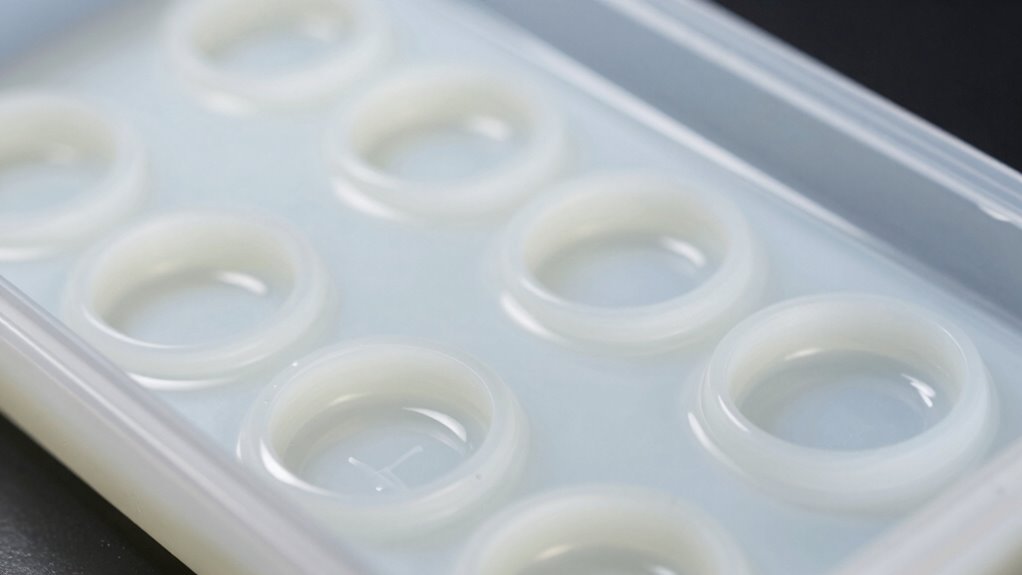
Choosing the right mold release depends on understanding your material’s specific needs. First, consider material compatibility—some releases work better with plastics, rubbers, or composites. Using an incompatible release can cause sticking or surface defects. Next, think about environmental impact; opt for environmentally friendly options if you’re concerned about sustainability or VOC emissions. Check whether the release is safe for the materials you’re using and if it leaves any residues that could affect surface quality or downstream processes. Always review manufacturer guidelines to ensure compatibility and environmental standards. Additionally, incorporating AI-powered tools can help optimize your selection process based on material properties and environmental considerations. Evaluating product certifications can further ensure that the chosen release meets industry safety and environmental benchmarks. Considering application-specific requirements can further refine your choice, ensuring optimal performance and surface finish. By matching the appropriate release to your material and environmental priorities, you’ll improve your molding process and achieve cleaner, higher-quality surfaces. For example, selecting a release with eco-friendly formulations can significantly reduce your environmental footprint while maintaining performance. Understanding material-specific needs can lead to better outcomes and fewer surface issues.
Applying Mold Release Correctly for a Perfect Finish
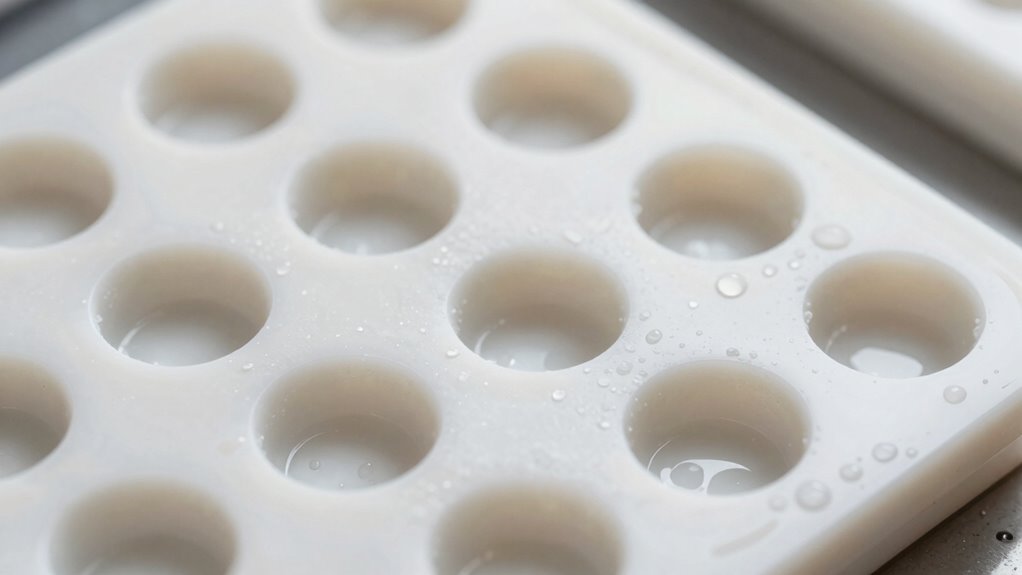
To achieve a flawless finish, applying mold release correctly is essential. Understanding mold release chemistry helps you choose the right type and application techniques guarantee even coverage. Proper application prevents surface defects and cloudy spots. Here are key tips:
- Use a clean, lint-free cloth or spray for even distribution.
- Apply thin, uniform coats, avoiding excess buildup.
- Allow each layer to dry completely before applying the next.
Expert Tips for a Smooth, Clean Demold Every Time
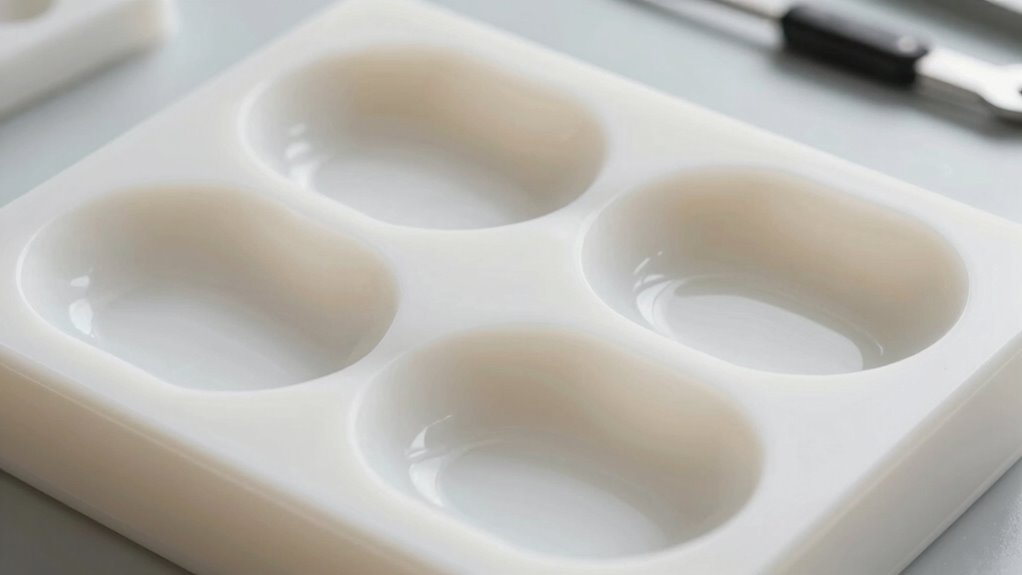
Getting a smooth, clean demold starts with proper surface prep and applying the mold release correctly. Make sure your mold is clean and well-prepared before spraying or coating it. Then, follow best practices for demolding to prevent damage and achieve professional results every time. Incorporating connected equipment and proper techniques can also help ensure consistent, high-quality releases. Additionally, using mold release techniques can optimize your process and reduce surface imperfections. Paying attention to surface treatment can further improve mold release quality and prevent surface defects. Utilizing advanced navigation and mapping methods in automated systems can also assist in achieving more precise and even application of release agents. Implementing streamlined document management practices can help organize your project data and improve troubleshooting efficiency.
Proper Surface Preparation Techniques
Ensuring a smooth demolding process starts with proper surface preparation. You want the mold surface to promote ideal surface adhesion without damaging the mold texture. Start by cleaning the mold thoroughly to remove dust, grease, or residues that could interfere with release. Lightly sanding or polishing the mold can improve surface texture and help release agents work better. Consider these tips:
- Use a mild cleaner to eliminate contaminants.
- Lightly sand textured areas for even surface adhesion.
- Ensure the mold is completely dry before applying release agents.
Correct Mold Release Application
Applying mold release correctly is essential for a clean, effortless demolding process. To do this, understand mold release chemistry and how it influences surface adhesion. Start by choosing the right release agent for your material and mold type. Spray or brush a thin, even layer, ensuring complete coverage without excess buildup, which can cause surface defects. Be mindful of the surface’s porosity, as porous surfaces may require multiple coats for ideal separation, while smooth surfaces need only a light application. Proper application reduces surface adhesion, preventing sticking and surface imperfections. Always follow manufacturer instructions regarding drying times and reapplication. Consistent, precise application minimizes the risk of cloudy surfaces and guarantees smooth, clean demolds every time. Additionally, considering local automation options can help ensure consistent application techniques, reducing human error and improving overall quality. Understanding precious metal IRA markets can also guide you in selecting reliable suppliers for mold release products, ensuring higher quality and performance. Paying attention to surface preparation, such as cleaning and conditioning the mold surface, can further enhance the effectiveness of the release agent, leading to better demolding results. Incorporating proper filtering techniques and using appropriate spray equipment can optimize application and surface finish. Moreover, using proper storage methods for your mold release products can extend their shelf life and maintain their effectiveness over time.
Optimal Demolding Practices
Once you’ve applied your mold release correctly, the next step is to optimize your demolding process. To guarantee a smooth, clean release, consider these expert tips. First, always verify your mold material compatibility with your chosen release agent formulation to prevent surface damage or sticking issues. Next, use gentle, even pressure when removing the part—avoid sudden pulls that could cause defects. Ultimately, maintain consistent demolding angles and speeds to reduce stress on the mold and product. Keep your molds clean and free of debris, and periodically inspect for wear or buildup that could affect release quality. Proper handling minimizes surface imperfections and prolongs mold life, ensuring your process stays efficient and your surfaces stay clear. Additionally, understanding the regulatory environment surrounding mold releases can help you select safer, compliant products that protect both your work and your team.
Troubleshooting Cloudy Surfaces and Residue: Solutions When Problems Happen
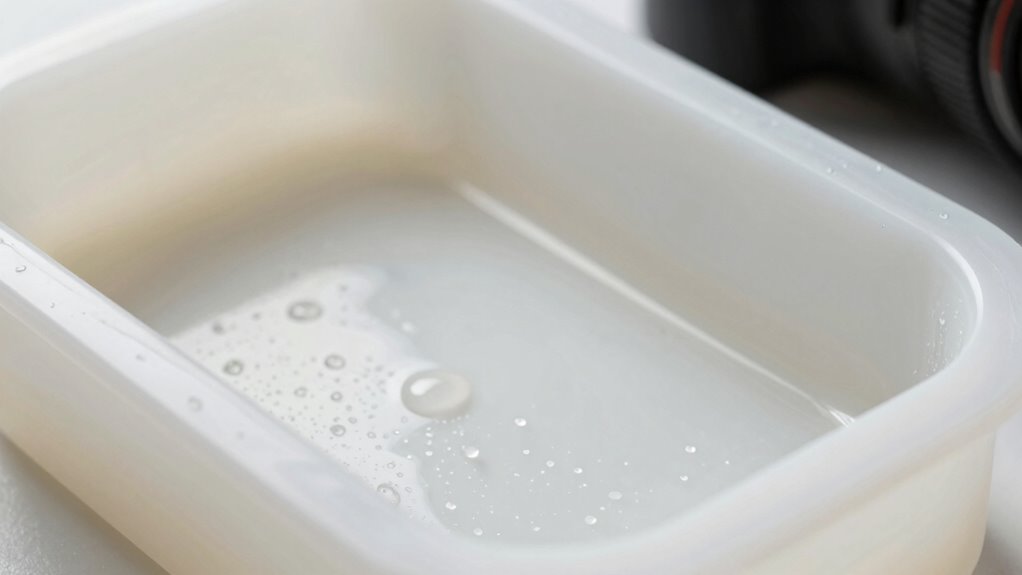
When you notice a cloudy surface or residue after releasing a mold, it’s important to identify the root cause quickly. Often, the issue stems from mold release chemistry not functioning as intended, or surface contamination that hampers proper release. Residue can result from using incompatible release agents or applying too much, which leaves leftover film on the surface. To troubleshoot, first clean the mold thoroughly to remove any surface contamination. Check your mold release formulation to ensure it’s suitable for your material and process. Adjust application techniques, such as reducing spray or coating thickness. If residues persist, switch to a different mold release chemistry better suited to your specific mold and material. Proper cleaning and correct product choice are key to preventing cloudy surfaces and residue. Additionally, employing simple systems can help maintain consistent application and reduce the likelihood of residue buildup.
Safety and Eco-Friendly Mold Release Options

Choosing safety and eco-friendliness when selecting mold release agents is essential for protecting both your health and the environment. Eco friendly alternatives help reduce harmful chemical exposure and lessen environmental impact. When considering safety considerations, look for products labeled non-toxic and biodegradable to minimize health risks. You can also explore options like:
- Plant-based or natural oils that are safe and biodegradable
- Water-based releases that contain fewer volatile organic compounds (VOCs)
- Mineral or food-grade waxes for a non-toxic, eco-friendly barrier
These alternatives ensure you avoid hazardous fumes and residues, making your workspace safer. Incorporating environmentally friendly practices and Floating on Water techniques can also enhance the application process and reduce waste. Prioritizing eco-friendly options not only protects your health but also supports sustainable practices in your mold-making process.
Maintaining Your Mold Releases for Best Results
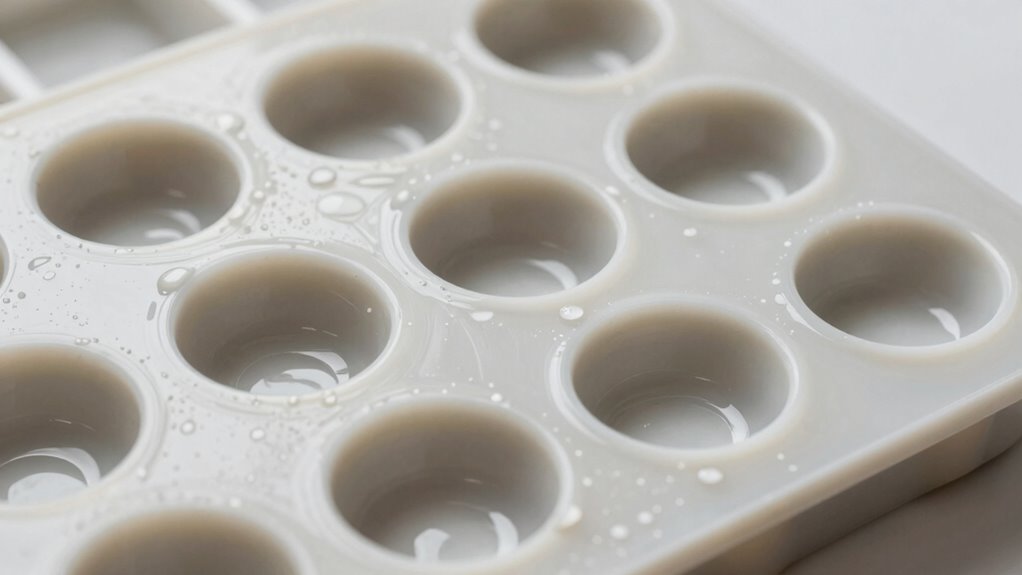
Proper maintenance of your mold release agents guarantees they perform effectively over time. Regularly inspect your release agents and clean them if needed, ensuring they stay free of debris and buildup. Proper mold maintenance also involves choosing the right release agent for your specific mold and application, which prevents issues like sticking or surface clouding. Keep these factors in mind:
| Mold Condition | Release Agent Choice | Maintenance Tip |
|---|---|---|
| Dirty surface | High-slip, eco-friendly | Clean regularly with appropriate solvents |
| Worn mold | Compatible, durable | Reapply release agents evenly |
| Residue buildup | Specific formulation | Store properly between uses |
Final Tips for Flawless Demolds and Long-Lasting Molds

Achieving flawless demolds and extending your mold’s lifespan requires attention to detail and consistent care. Proper mold design plays a vital role in reducing unnecessary stress during release, preventing damage, and guaranteeing smooth chemical reactions. To maximize results, always inspect your mold for wear or imperfections before each use. Applying a thin, even layer of release agent helps avoid cloudy surfaces and minimizes buildup. Keep your molds clean and dry after each use to prevent residue from affecting future releases. Additionally, consider the material compatibility to prevent adverse chemical reactions that could compromise mold integrity. Regularly updating your mold design and release techniques ensures long-term durability, reducing downtime and costs. Staying vigilant with these final tips guarantees pristine demolds and a longer lifespan for your molds.
Frequently Asked Questions
How Often Should I Reapply Mold Release During Production?
You should reapply mold release regularly during production, typically every few cycles, to guarantee ideal mold release longevity. Keep an eye on the surface; if you notice increased sticking or cloudy surfaces, it’s time for a fresh application. Frequent application maintains a smooth release process, prevents defects, and extends the mold’s life. Adjust your application frequency based on material type and production pace to get the best results.
Can Mold Release Be Used on All Types of Molds?
You can’t use mold release on all types of molds, as mold compatibility varies. Always check the manufacturer’s recommendations to verify it’s suitable for your specific mold material. When applying, use proper application techniques—clean the mold thoroughly, apply an even coat, and avoid over-application. This helps prevent surface defects and ensures easy demolding. If unsure, test on a small area first to avoid damaging your mold.
Are There Specific Mold Releases for Food-Safe Applications?
Think of food-safe mold releases as the trusted sous-chef in your kitchen—they guarantee safety and quality. Yes, there are specific mold releases for food-safe applications, often marked with food grade coatings and safety certifications. Using these, you prevent contamination and ensure your products meet health standards. Always check certifications to confirm safety, just like you’d verify a recipe’s freshness before cooking.
How Do Temperature Changes Affect Mold Release Effectiveness?
Temperature changes can substantially impact mold release effectiveness due to thermal expansion. When temperatures fluctuate, materials expand or contract, potentially causing misalignment or poor release. You should maintain temperature stability during demolding to guarantee the mold and release agent work effectively. Consistent temperatures help prevent surface imperfections and ensure a smooth, clean release, reducing the chances of cloudy surfaces or mold damage.
What Are the Environmental Impacts of Different Mold Release Options?
You should consider the environmental impacts of mold release options, especially biodegradability concerns. Traditional releases may contain chemicals that harm ecosystems, so eco-friendly alternatives are better for the environment. These biodegradable options break down faster, reducing pollution and toxic waste. By choosing environmentally conscious mold releases, you help minimize your ecological footprint and support sustainable manufacturing practices, ensuring safety for both the environment and future generations.
Conclusion
To achieve flawless, clear demolds every time, choose the right mold release, apply it properly, and maintain your molds diligently. Prevent cloudy surfaces by addressing residue early, troubleshooting issues promptly, and selecting eco-friendly options when possible. With consistency in your process, patience in your approach, and attention to detail in your technique, you’ll enjoy smooth releases, pristine finishes, and long-lasting molds. Master these steps, and your casting projects will always shine with clarity and perfection.
Evergreen bestsellers Picks
bestsellers
As an affiliate, we earn on qualifying purchases.