
TL;DR

Get business pricing on tools and workshop supplies
- Business-only prices and quantity discounts
- Tax-exempt purchasing
- Multiple users, one account, clear invoices
A Livingetc report describes rough-edged tables in wood and stone as a growing interior design feature, citing designers who use them to add texture and contrast. The designers also suggest smaller applications, while noting that heavily textured surfaces can be harder to clean.
Interior designers are using tables with rough, textured edges in wood and stone to add organic detail to contemporary rooms, according to a Livingetc report. The examples and comments in the report point to a design preference for visible material character and contrast, though they do not establish how widespread the trend is across the industry.
The tables described in the report include dining, coffee and side tables with carved, hammered or irregular edges. Livingetc says the detailing has appeared often enough in recent projects to call it a trend. The report does not provide sales figures, a survey or a defined time period to measure its reach.
Steffanie Ball, co-founder of furniture brand En Gold, says rough edges can bring warmth and character to rooms with clean lines and refined finishes. The brand’s collection includes beige marble dining tables with textured edges and fossil-stone plinths. Ball says the appeal lies in allowing natural material imperfections to remain visible, creating contrast with smoother surfaces.
Designer Adyn Kelly describes a travertine table with a jagged top and precise chrome legs. He says the edge was drawn by hand and water-cut to evoke a natural fracture. The pairing sets an organic-looking surface against machined forms, while allowing light and shadow to change the edge’s appearance.
Texture Adds Contrast to Clean Interiors
The examples show how a table edge can influence a room without changing its overall palette or layout. Rough stone or wood against smooth finishes gives designers a way to add visual variation to restrained interiors, while maintaining a deliberate, architectural look.
The feature can also be tactile. Livingetc notes that people encounter a dining table through touch as well as sight, making a textured edge part of the experience of sitting down to eat. That is the report’s design rationale; it does not cite research measuring how people respond to the finish.
Practicality may limit where it works best. Kelly says rough edges are suited to surfaces that are seen more than heavily used, such as a plinth or coffee table. The source also notes that the finish can be harder to clean than a smooth edge.
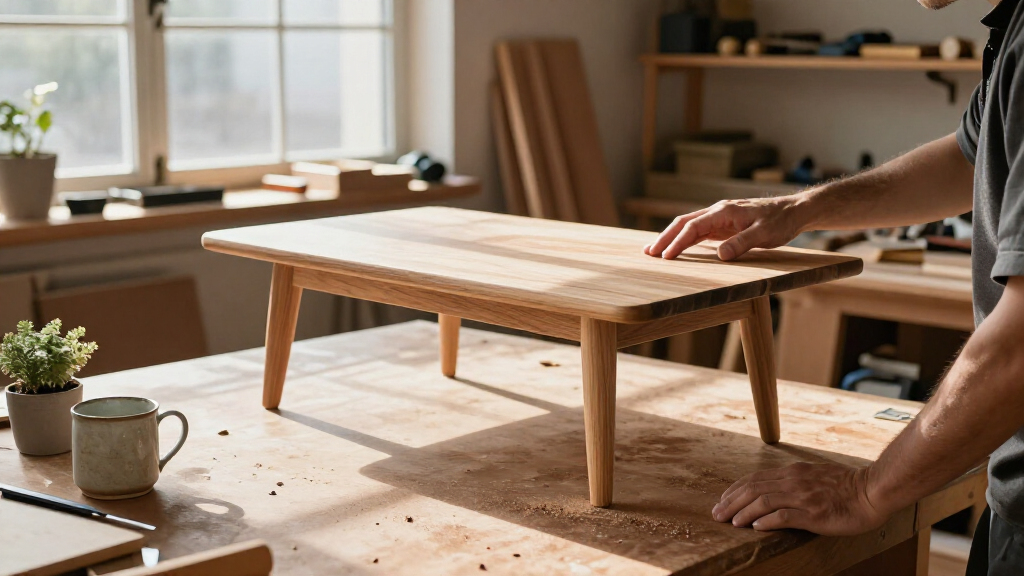
handcrafted textured wood dining table
As an affiliate, we earn on qualifying purchases.
As an affiliate, we earn on qualifying purchases.
Where Designers Use the Finish
Dining tables are the most prominent examples in the report, but the designers suggest that the detail can be used on smaller pieces. Yasmine Ghoniem, director of Sydney studio YSG, says she would consider it for coffee-table edges or legs, and even for the fronts of a bedside console or feature wardrobe.
Kelly also names plinths, the end of a bench run and a powder-room vanity as possible locations, particularly when the surface is intended to make a visual statement. Ball recommends repeating materials selectively across coffee tables, consoles, shelving and decorative objects such as stone bowls or vessels. She argues that a few pieces can tie a room together without making every surface rough.
The report’s projects illustrate different treatments. An En Gold dining room uses a stone table with a restrained architectural form; a table by Paris-based designer Emmanuelle Simon combines a carved edge with hand-gouged texture on its base. These examples show variation in technique, rather than a single standardized style.
“It celebrates the imperfections that make natural materials so beautiful, rather than trying to disguise them.”
— Steffanie Ball, co-founder of En Gold
How Broad Is the Trend?
The report presents designer projects and professional opinions, but it gives no market data or survey results showing how many designers or buyers are choosing rough-edged tables. It also does not establish when the trend began or how quickly its popularity is changing.
The material and finish can vary considerably, from hand-drawn cuts in travertine to hammered stone or carved wood. The source does not compare durability, maintenance needs or cost across those methods. Whether a specific table is practical will depend on its material, use and construction.
Designers May Extend the Detail
The source describes designers applying the finish beyond dining tables, including to coffee tables, consoles, shelving, plinths and selected architectural surfaces. Ball recommends repeating the material in a limited number of places to create continuity. That is design guidance from the interview, not a forecast that every application will become common.
For readers considering the look, the report suggests weighing the tactile and visual effect against cleaning needs and how often the surface will be used. No upcoming product launches, sales data or industry milestones are identified, so the trend’s broader direction remains to be seen.
Key Questions
What is a rough-edged table?
It is a table with a carved, hammered or irregular edge, often in wood or stone, that leaves a more textured appearance than a smooth, machined finish.
Why are designers using textured table edges?
The designers quoted by Livingetc say the finish adds texture, warmth and contrast to rooms with clean lines and smooth surfaces. These are their professional views, not results from a consumer study.
Where else can the detail be used?
Designers cited in the report suggest coffee tables, consoles, shelving, plinths and selected surfaces such as a vanity or wardrobe front. Ball recommends using the detail selectively.
Are rough-edged tables harder to maintain?
The report says the finish is not the easiest to clean. It does not give care instructions or compare maintenance requirements across different materials and finishes.
Source: rss
Fall yard work Picks
leaf blowers
As an affiliate, we earn on qualifying purchases.