Sealants and finishes like Mod Podge, varnish, resin, and wax each serve unique roles in protecting and beautifying your projects. Mod Podge works well for decoupage and craft surfaces, while varnish provides a durable finish for wood. Resin creates a glossy, high-durability surface, and wax offers a soft matte look for furniture or candles. Choosing the right one depends on your material and desired effect—continue to discover how each option can elevate your creations.
Key Takeaways
- Mod Podge is versatile and suitable for various surfaces, ideal for craft projects and decoupage.
- Varnish provides a durable, protective coating mainly for wood and furniture finishes.
- Resin creates a glossy, high-durability, glass-like surface, perfect for jewelry and tabletops.
- Wax offers a soft, matte finish that adds a protective layer to furniture and candles.
- Proper selection depends on material compatibility, desired finish, and application safety considerations.

When working on craft projects, choosing the appropriate sealant or finish can significantly impact the durability and appearance of your item. Popular options include Mod Podge, varnish, resin, and wax, each offering unique benefits depending on the project’s needs. For example, resin provides a glossy, durable coating ideal for jewelry or tabletops, while wax offers a soft, matte finish suitable for furniture and candles. Understanding the different types of finishes ensures you select the best protection for your work. Additionally, some sealants are compatible with various materials, including wood, fabric, and candles, allowing for versatile application. Proper application techniques, such as even brushing or spraying, help achieve a smooth, professional look.
Candle makers often use sealants or finishes to protect the surface of finished candles or to enhance their appearance, though certain finishes can also affect the candle’s burn quality if not chosen carefully. Always follow the manufacturer’s instructions for application and curing times to ensure optimal results. Moreover, some finishes, like resin, can create a high-gloss, glass-like effect that enhances the visual appeal of decorative items. Be mindful of safety precautions, especially when working with fumes or heat-sensitive materials, and ensure proper ventilation during application. When selecting a finish, consider the compatibility with wax and other candle components, as some finishes may interfere with the candle’s burn or scent throw.
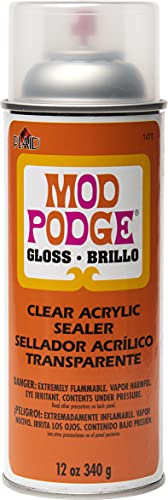
Mod Podge Spray Acrylic Sealer that is Specifically Formulated to Seal Craft Projects, Dries Crystal Clear is Non-Yellowing No-Run and Quick Drying, 12 ounce, Gloss
- Size: 12 oz spray bottle
- Finish: Glossy, crystal clear
- Compatibility: Suitable for various surfaces
As an affiliate, we earn on qualifying purchases.
As an affiliate, we earn on qualifying purchases.
Frequently Asked Questions
How Long Does Each Sealant Typically Last Before Reapplication?
Sealant durability varies: Mod Podge lasts about 2-3 years before needing reapplication, while varnish typically holds up for 5-10 years. Resin can last 10-15 years with proper care, and wax usually requires reapplication every 6-12 months. You should consider the environment and use to determine reapplication frequency, as exposure to water, sunlight, or wear can shorten each sealant’s lifespan.
Can These Finishes Be Used on Food-Contact Surfaces Safely?
You shouldn’t use these finishes on food-contact surfaces due to food safety and toxicity concerns. Mod Podge, varnish, resin, and wax may contain chemicals that can leach into food, posing health risks. Always choose food-safe sealants specifically designed for surfaces that contact food, ensuring you minimize toxicity concerns and protect your health. Avoid using standard finishes on anything that will directly touch food to keep it safe.
Are There Environmental Concerns With Any of These Sealants?
You should be aware that some sealants, like traditional varnishes and resins, can contain volatile organic compounds (VOCs) that harm the environment. To reduce your impact, look for eco-friendly alternatives and biodegradable options, such as plant-based waxes or water-based finishes. These choices minimize pollution and are safer for ecosystems. Always check product labels to verify they meet environmental standards and suit your project needs.
How Do I Remove or Undo a Sealant if Applied Incorrectly?
You can often remove dried resin or undo a wax finish by gently applying heat with a heat gun or hairdryer, softening the sealant for easy scraping. For resin, use a solvent like denatured alcohol or acetone, but test a small area first. To undo wax, reheat and wipe away with a soft cloth. Always work in a well-ventilated space and wear gloves for safety.
What Are the Best Storage Practices for Leftover Finishes?
To store leftover finishes properly, follow these storage tips to extend their shelf life. Keep containers tightly sealed and store them in a cool, dark place away from direct sunlight and extreme temperatures. Make sure to label the date you opened them. Proper storage prevents drying out or spoilage, ensuring your finishes stay usable for future projects. Always check the product’s shelf life before using leftovers to guarantee ideal results.
Conclusion
Now that you know the ins and outs of sealants and finishes like Mod Podge, varnish, resin, and wax, you’re ready to protect and elevate your projects. Choosing the right finish is essential, and with a little know-how, you can avoid putting all your eggs in one basket. Remember, a well-finished piece truly makes a lasting impression—so don’t skimp on the details. With patience and the right product, you’ll turn your craft into a masterpiece that stands the test of time.