
If you enjoy working with textiles and want to create textured, vibrant pieces that stand out, tufting could be a great fit for your handmade business. It allows you to experiment with bold patterns, colors, and tactile qualities that can elevate your brand’s visual identity. Tufting also offers opportunities to tell compelling stories about craftsmanship, making your products uniquely appealing. Keep exploring, and you’ll discover how this craft can perfectly complement your artistic vision and business goals.
Key Takeaways
- Assess if your brand style aligns with textured, vibrant, and tactile designs created through tufting.
- Determine your willingness to learn new textile techniques and invest time in mastering tufting skills.
- Consider if tufted products can enhance your product lineup and appeal to your target audience.
- Evaluate how tufting can support your marketing strategy through visual storytelling and unique craftsmanship.
- Ensure you have the resources and space to incorporate tufting into your creative process and business operations.
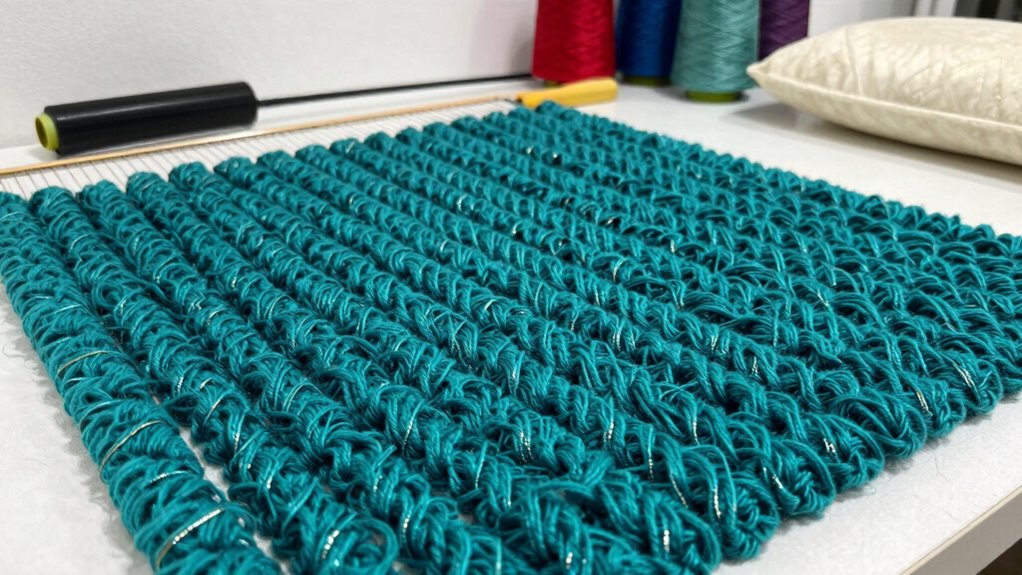
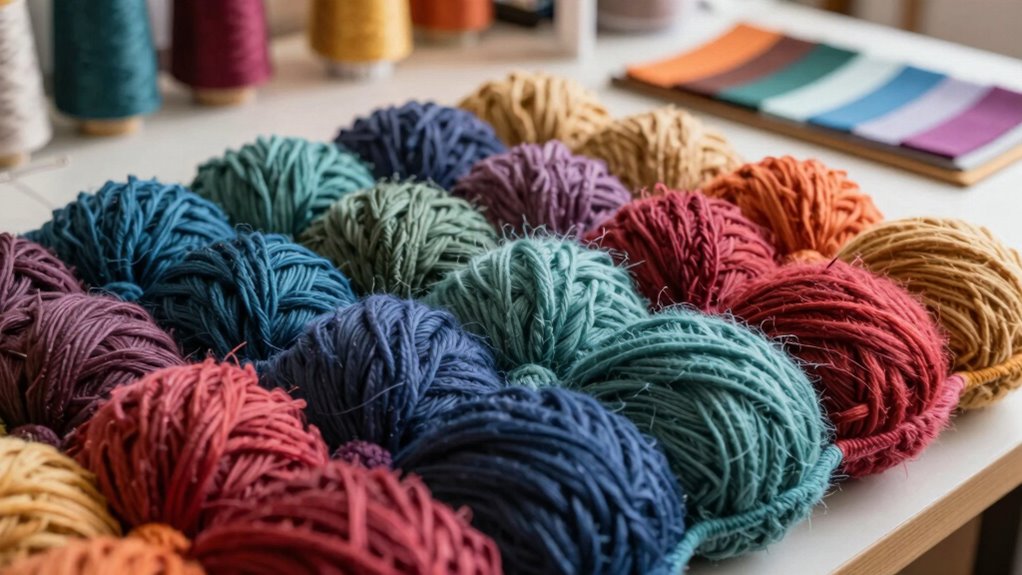
Deciding whether tufting fits into your handmade business requires understanding what it involves and how it aligns with your goals. Tufting is a craft that combines textile art with design, creating plush, textured pieces that stand out. To determine if it’s right for you, contemplate how it complements your current offerings and what you hope to achieve. Tufted items often feature bold patterns and vibrant colors, making color theory essential. If you enjoy experimenting with hues and creating eye-catching designs, tufting could be a natural extension of your style. Using color theory effectively helps you develop cohesive collections and appeals to your target audience’s preferences, elevating your brand’s visual identity.
Tufting combines textile art and design, creating bold, textured pieces that enhance your brand and captivate your audience.
You should also evaluate how tufting aligns with your marketing strategies. Since textured and colorful pieces tend to attract attention, they can become a focal point in your promotional efforts. Visual storytelling becomes easier when you showcase the tactile qualities of tufted products through high-quality photos and videos. These marketing strategies help communicate the unique value of your work and differentiate you from competitors. If your current marketing approach relies heavily on visuals, adding tufted items can enrich your content and draw more engagement. Plus, if you’re interested in storytelling, tufting offers opportunities to share behind-the-scenes processes, craftsmanship, and inspiration, further strengthening your brand connection with customers. Understanding the craftsmanship involved in tufting helps you assess whether you’re prepared to develop the necessary skills.
Another aspect to consider is your skill level and willingness to learn new techniques. Tufting requires patience and precision, but it’s accessible for many makers willing to invest time. If you enjoy working with textiles and experimenting with different textures, you might find tufting a fulfilling creative outlet. Additionally, think about your production scale. Tufting can be adapted for small, detailed pieces or larger, statement items, giving you flexibility in your product line. If you aim to create distinctive, handcrafted products that showcase your artistic vision, tufting can be a powerful tool. Developing your techniques and tools through proper learning resources helps you understand the craftsmanship involved in tufting. Gaining knowledge of fiber types and textures can also influence the quality and durability of your finished pieces. Ultimately, whether tufting belongs in your handmade business depends on how well it integrates with your brand identity, target audience, and goals. If you’re excited about exploring vibrant colors through color theory and enhancing your marketing strategies with visually compelling products, tufting could be a perfect fit. It offers a way to differentiate your work, add texture, and tell a richer story about your craftsmanship. Carefully weigh your interests, skills, and branding ambitions to decide if you’re ready to elevate your handmade business with the textured appeal of tufted creations.

BESGEER Rug Tufting Gun with Carpet Trimmer Kit – Tuft Gun with Tufting-Shears, 2 in 1 Cut Loop Pile Carpet Gun& Carving Clippers, Rug Maker Machine Starter Kit& Trimmer& Cloth& Yarn(Olive Black)
- Complete DIY Rug Making Kit: Includes tufting gun, trimmer, yarn, and cloth
- 2-in-1 Cut and Loop Pile: Switches between cut and loop pile modes
- Adjustable Pile Height: Pile height adjustable from 7-21mm
As an affiliate, we earn on qualifying purchases.
As an affiliate, we earn on qualifying purchases.
Frequently Asked Questions
What Skills Are Necessary to Start Tufting?
To start tufting, you need basic skills in tufting techniques and a willingness to learn skill development. You should be comfortable with hand-eye coordination, as tufting involves precise needlework. Familiarize yourself with different stitches and tools, like tufting guns or needles. Practice regularly to improve your craftsmanship, and consider tutorials or workshops to refine your technique. Patience and attention to detail are essential for creating quality tufted pieces.
How Much Initial Investment Is Required for Tufting Equipment?
You’ll need a surprisingly modest investment to start tufting—usually around $200 to $500 for basic equipment like a tufting gun, frame, and some essential tools. Material sourcing is flexible, letting you choose from yarns, fabrics, or recycled materials, which can keep costs down. This setup offers incredible design flexibility, letting you create anything from intricate patterns to bold textures without breaking the bank.
Can Tufting Be Integrated Into Existing Product Lines?
Yes, you can integrate tufting into your existing product lines. You’ll want to take into account material compatibility, ensuring your fabrics and fibers work well with tufting techniques. This adds design versatility, allowing you to create textured, unique pieces that complement your current offerings. By blending tufting with your established products, you can expand your creative range and appeal to a broader audience, boosting your handmade business’s growth.
What Are Common Challenges Faced When Adding Tufting?
When adding tufting, you might face challenges like ensuring fiber durability to prevent quick wear and tear. Safety considerations are also essential, especially with sharp tools and strong adhesives. You’ll need to select durable fibers that withstand regular use, and prioritize workspace safety to avoid injuries. Managing these aspects takes careful planning, but addressing fiber durability and safety considerations early helps you create high-quality, safe tufted products that stand out.
How Do I Price Tufted Products Competitively?
Perfectly pricing your tufted products depends on clever pricing strategies and market comparison. You should start by researching what similar items sell for, then adjust for your unique craftsmanship and materials. Consider costs, time, and desired profit margins to set competitive yet profitable prices. By analyzing market trends and competitors, you guarantee your prices attract buyers without undervaluing your talent, helping your tufted treasures stand out in the marketplace.
Conclusion
Ultimately, deciding if tufting fits your handmade business comes down to your passion and vision. If you find joy in creating textured, plush pieces and enjoy the process, then tufting could be your modern-day equivalent of the Renaissance’s artistic revolution. Don’t shy away from experimenting—think of it as your own personal Da Vinci’s atelier. Trust your instincts, embrace the craft, and let your unique touch transform your business into a true masterpiece.