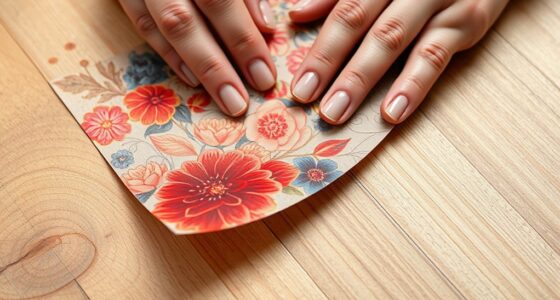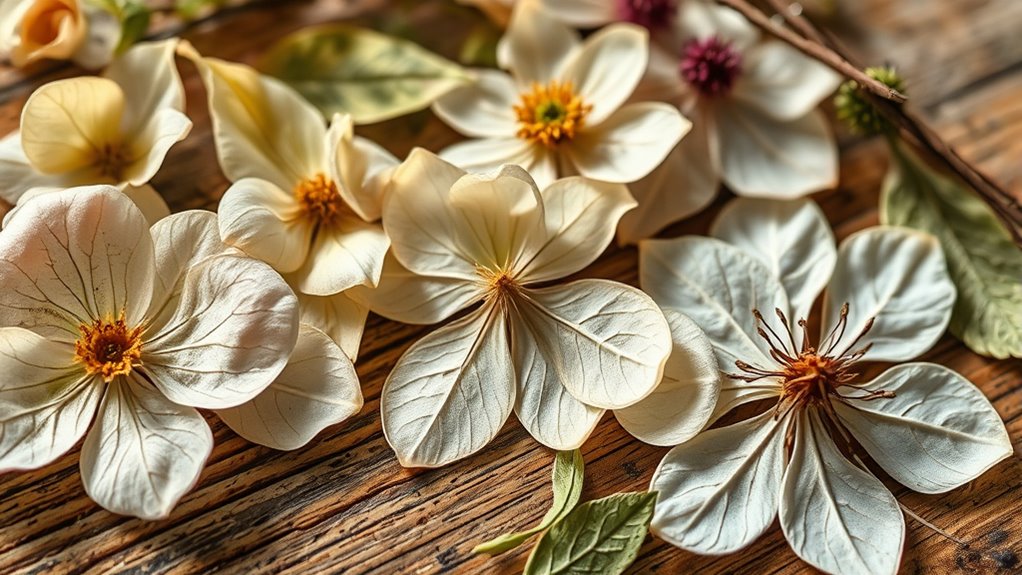

To dry pressed flowers, choose fresh, damage-free blooms and place them flat between absorbent paper, then secure in a heavy book or flower press for 2-4 weeks. Seal them with clear acrylic spray or a specialized sealant to preserve colors and protect from moisture. You can display pressed flowers in frames, embedded in resin, or glued onto cards and scrapbooks. Stay tuned to discover creative ways to showcase and care for your preserved natural treasures.

Get business pricing on tools and workshop supplies
- Business-only prices and quantity discounts
- Tax-exempt purchasing
- Multiple users, one account, clear invoices
Key Takeaways
- Select fresh, damage-free flowers and press them flat between absorbent papers for 2-4 weeks.
- Seal pressed flowers with clear acrylic spray or sealant to preserve colors and protect against moisture.
- Use frames, shadow boxes, or scrapbooks to creatively display pressed flowers and protect them over time.
- Incorporate pressed flowers into crafts like jewelry, greeting cards, or resin embeds for personalized keepsakes.
- Proper handling, sealing, and display methods extend the vibrant, delicate beauty of pressed flowers.
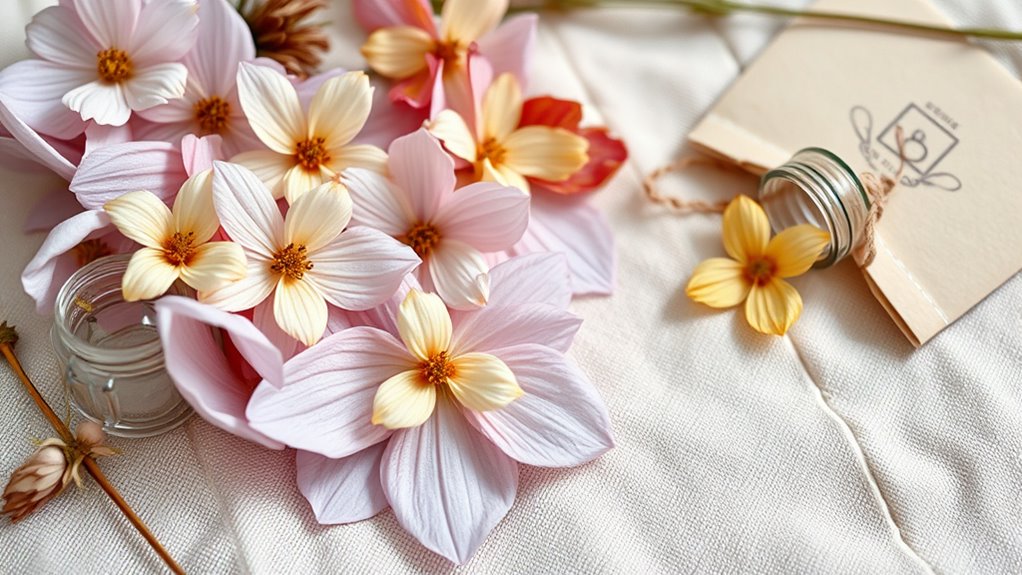
Have you ever wondered how to preserve the beauty of your favorite flowers? Flower preservation is a wonderful way to keep memories alive and create lasting keepsakes. When you press flowers, you’re not just drying them out—you’re transforming delicate blooms into timeless art that can be used in a variety of creative arrangements. Whether you want to make personalized greeting cards, decorate your home, or craft unique gifts, pressed flowers add a natural, elegant touch.
Preserving flowers turns delicate blooms into timeless, beautiful keepsakes for gifts, decor, and personal memories.
To start with, you’ll need to carefully select your flowers. Choose blooms that are fresh and free from damage or browning. Flat flowers like daisies, pansies, or roses work best because they press evenly and retain their shape. Once you’ve picked your favorites, you’ll want to prepare them for pressing. Gently remove excess leaves and thorns, and consider placing them between sheets of absorbent paper, like parchment or blotting paper, to protect both the flowers and your pressing materials.
Pressing flowers is a straightforward process, but patience is key. You can use a heavy book, a flower press, or even a DIY setup with cardboard and weights. Place the flowers flat between the pages, making sure they aren’t overlapping too much. Add more sheets of paper on top to absorb moisture and keep everything flat. Close the book or secure your flower press tightly, then leave the flowers undisturbed for about two to four weeks. During this time, the moisture will evaporate, leaving your flowers dry and fragile but beautifully preserved.
Once your pressed flowers are ready, sealing them is essential to keep their vibrant colors and delicate structure intact. Use a clear acrylic spray or a special sealant designed for paper crafts. This not only protects the flowers from moisture and dust but also enhances their appearance, giving them a subtle shine. After sealing, you can incorporate pressed flowers into creative arrangements. Frame them in glass for wall art, embed them in resin for jewelry, or glue them onto cards and bookmarks. The possibilities are endless, and your preserved flowers become personalized works of art.
Displaying your pressed flowers is equally satisfying. You can create a flower scrapbook, make a floral collage, or craft a decorative shadow box. These arrangements serve as beautiful reminders of special occasions or simply bring a touch of nature into your space. With a bit of care and creativity, your flower preservation efforts will reward you with stunning, lasting displays of natural beauty. Pressed flowers aren’t just preserved blooms—they’re timeless treasures waiting to be transformed into meaningful keepsakes.
As an affiliate, we earn on qualifying purchases.
Frequently Asked Questions
How Long Do Pressed Flowers Typically Last?
Pressed flowers typically last for several years if you use proper preservation techniques. The longevity of your pressed flowers depends on factors like exposure to sunlight, moisture, and handling. To maximize their lifespan, store them in a dry, dark place and seal them with a protective coating. With good care, your pressed flowers can remain vibrant and beautiful, serving as lasting keepsakes for years to come.
What Types of Flowers Are Best for Pressing?
You should choose flowers with sturdy petals and less moisture for flower preservation through pressing. Flowers like roses, pansies, violets, and daisies work best because they hold their shape well and dry evenly. Using proper pressing techniques guarantees your flowers preserve their color and form longer. Avoid soft or thick flowers, as they tend to bruise or decay during pressing. Selecting the right flowers makes your pressed floral art more vibrant and durable.
Can Pressed Flowers Be Used Outdoors Safely?
Pressed flowers can dance in the breeze outside, but their outdoor durability depends on your plant preservation methods. If you seal them well and choose hardy blooms, they stand a better chance against the elements. However, delicate flowers may fade or crumble with exposure to moisture and sunlight. To keep them vibrant, consider placing pressed flowers in protected spots or using waterproof sealants, ensuring they remain a lasting treasure in your outdoor space.
How Do I Prevent Mold or Decay?
To prevent mold and decay, you should guarantee proper mold prevention techniques. Keep your pressed flowers in a dry, cool place with low humidity, as excess moisture promotes mold growth. Seal them with a protective coating like clear acrylic or laminate to enhance decay resistance. Avoid exposing your flowers to direct sunlight or humid environments, and regularly check for any signs of mold or deterioration to maintain their beauty and longevity.
Are There Eco-Friendly Sealing Options Available?
Think of sealing pressed flowers as wrapping a delicate gift with nature’s own ribbon. Yes, eco-friendly adhesives and biodegradable sealants are available, offering a gentle embrace that protects without harming the planet. These options act like a transparent veil, safeguarding your blooms from moisture and decay while staying true to sustainability. By choosing such materials, you guarantee your flower art remains beautiful and eco-conscious, a true demonstration of caring for nature.
Conclusion
Pressing, sealing, and displaying flowers lets you preserve their beauty forever. Sure, it might seem delicate or time-consuming at first, but once you see your dried blooms nestled in a frame or on a card, you’ll realize it’s worth every effort. Imagine the vibrant colors and intricate details forever captured, brightening your space and memories. With a little patience, you’ll create stunning keepsakes that bring joy and nature’s elegance into your everyday life.
Fall yard work Picks
leaf blowers
As an affiliate, we earn on qualifying purchases.