To get sharp stainless steel marks without trial-and-error, choose a fiber laser system with adjustable settings like power, speed, and focus to suit your material. Properly prepare surfaces by cleaning and setting ideal parameters for clearest results. Regularly maintain and calibrate your laser to guarantee consistency over time. Following proven process optimization techniques and understanding your material’s properties will boost accuracy and quality. More tips and insights await if you explore further.
Key Takeaways
- Optimize laser parameters (power, speed, focus) based on stainless steel properties to achieve sharp, consistent marks.
- Prepare the surface by cleaning and possibly surface treatments to enhance laser absorption and mark clarity.
- Use standardized process settings and monitor environmental factors for batch-to-batch consistency.
- Regularly calibrate and maintain equipment, including lens cleaning, to prevent variability and ensure optimal results.
- Leverage process optimization techniques and troubleshooting resources to minimize trial-and-error and improve mark quality.

Mr.Carve S4-30W Fiber Laser Marking Machine for Metals&Jewelry&Plastics,Fiber laser engraver with Lightburn compatibility
S4 comes with two replaceable lenses—110mm and 200mm—to accommodate diverse engraving needs. The 110mm lens excels at relief…
As an affiliate, we earn on qualifying purchases.
As an affiliate, we earn on qualifying purchases.
What Is Fiber Laser Marking on Stainless Steel?
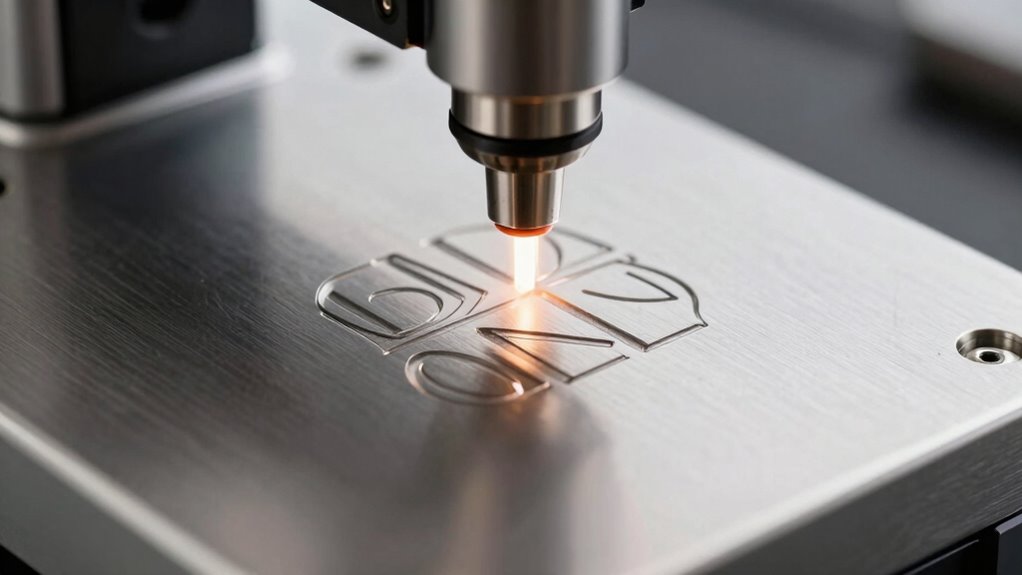
Ever wonder how fiber laser marking creates precise, permanent marks on stainless steel? It’s all about harnessing laser safety and high marking speed. Fiber lasers emit a focused, coherent light that interacts with the metal surface, creating clear, durable markings without damaging the material. Because fiber lasers are efficient, they can mark quickly, boosting productivity while maintaining high quality. Laser safety is essential; proper shielding and safety measures protect operators from the intense laser beam. The process involves laser pulses that ablate or oxidize the surface, producing sharp, permanent engravings or labels. This method offers a versatile, clean, and precise way to add logos, serial numbers, or other identifiers to stainless steel components efficiently and safely. Innovative European cloud servers can support the development and integration of advanced laser marking systems, ensuring secure and sustainable industrial processes.
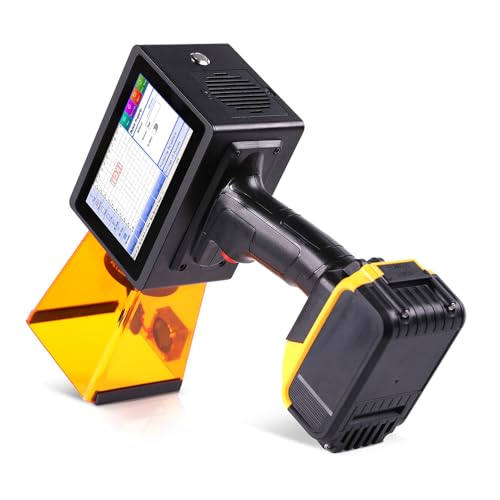
PEKOKO 10W Portable Laser Marking Machine L4Ultra Laser Marker Engraving Machine for Marking on Metal,Plastic,Carton,Leather,Wood,Silcone,Canvas,Glass,Rubber,Stainless Steel
Ultra-Fast marking:5x speed boost on metals like cans & stainless steel.Independent R&D operating system,is clearer and faster coding,and…
As an affiliate, we earn on qualifying purchases.
As an affiliate, we earn on qualifying purchases.
Why Use Fiber Laser Technology for Metal Marking?
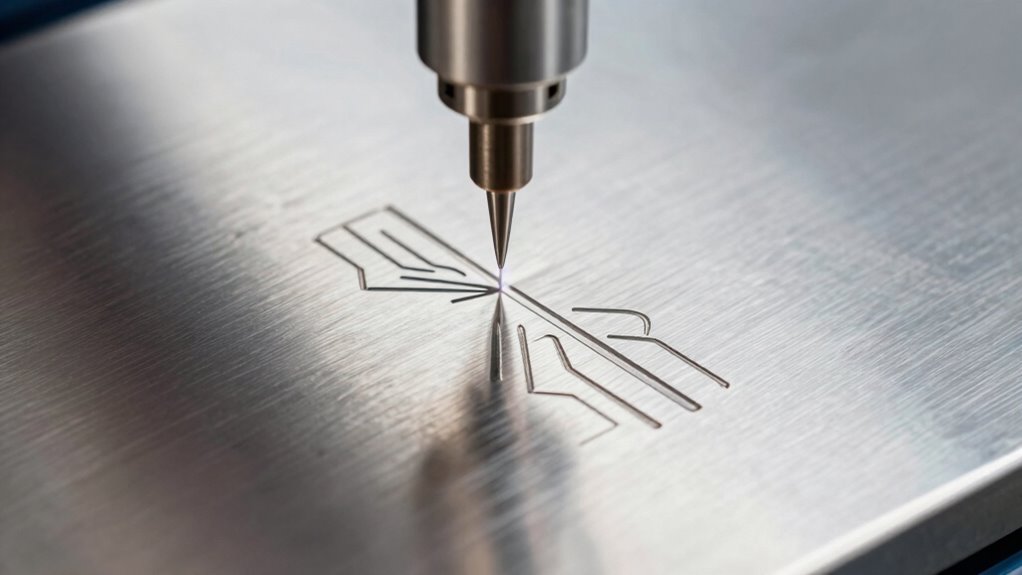
Fiber laser technology offers exceptional precision and clarity, ensuring your markings are sharp and easily readable. It’s highly versatile, compatible with a wide range of metals and materials, making it a flexible choice for many applications. Plus, it helps you keep operational costs low while delivering high-quality results efficiently. Additionally, the color accuracy of fiber lasers ensures consistent and true-to-color markings, enhancing overall quality. Its speed and efficiency also allow for faster production times, reducing turnaround and increasing productivity. Moreover, fiber lasers’ ability to perform non-contact marking minimizes material deformation and wear on tools, further improving output quality. Incorporating smart automation features can optimize operation and minimize human error, leading to even more consistent results.
Precision and Clarity
Why is precision and clarity so essential in metal marking? Because clear, sharp marks ensure readability, brand integrity, and traceability. Fiber laser technology excels here for these reasons:
- High Resolution: Produces detailed, crisp markings that won’t fade or blur over time.
- Consistent Quality: Maintains sharpness across large batches, reducing rework and waste.
- Enhanced Marking Speed: Faster processing without sacrificing clarity, boosting efficiency.
- Laser Safety: Precise control minimizes debris and hazards, keeping operators safe.
With fiber lasers, you get precise, clear marks quickly and safely. This combination delivers professional results and minimizes trial-and-error, saving time and money. Clear markings also support laser safety standards by avoiding misinterpretation or illegibility, which is essential in regulated industries.
Versatile Material Compatibility
Fiber laser technology stands out because of its ability to efficiently mark a wide range of metals, including steel, aluminum, titanium, and more. Its high material compatibility means you can work with various substrates without extensive surface preparation, saving time and effort. surface preparation is greatly minimized compared to traditional methods, streamlining workflow and reducing costs. Unlike other methods, fiber lasers require minimal pre-treatment, reducing costs and workflow complexity. The laser’s precision ensures consistent results across different materials, whether you’re marking polished surfaces or rougher textures. This versatility allows you to adapt quickly to different projects without sacrificing quality. Additionally, the ease of use associated with fiber laser systems makes them accessible for both experienced operators and newcomers. By choosing fiber laser technology, you gain reliable, sharp markings on a variety of metals while keeping surface preparation simple and straightforward. Its flexibility in application makes fiber lasers an ideal choice for diverse industrial applications where versatility is key.
Cost-Effective Operations
Because fiber laser technology requires minimal maintenance and consumes less energy, it offers a more cost-effective solution for metal marking. This benefits your operation through a clear cost analysis, reducing ongoing expenses. Additionally, its equipment durability means fewer replacements and repairs over time. Here’s why fiber lasers save you money: 1. Lower energy costs due to high efficiency 2. Reduced maintenance requirements minimize downtime 3. Long-lasting components extend equipment lifespan 4. Decreased operational costs improve overall profitability and reliability from fewer breakdowns further enhances overall cost savings. Moreover, fiber lasers incorporate advanced navigation and mapping features that optimize marking precision and process efficiency. These technological innovations also contribute to enhanced productivity by streamlining workflows and minimizing errors. Incorporating energy efficiency measures can further amplify these cost benefits over the long term.
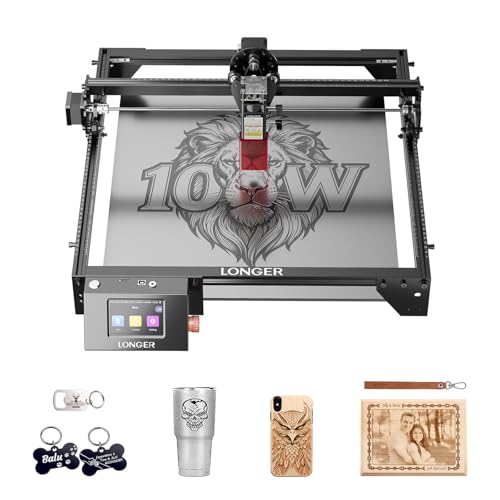
LONGER Ray5 10W Laser Engraver with 3.5" Touch Screen, Offline Use, 24000mm/min, 0.06mm Laser Spot, CNC DIY Engraving Machine for Wood, Metal, Acrylic & Glass
【High-Speed & High-Performance · Dual-Beam Precision Engraving】Longer Ray5 10W Laser Engraver is equipped with a powerful 10W laser…
As an affiliate, we earn on qualifying purchases.
As an affiliate, we earn on qualifying purchases.
How to Choose the Best Fiber Laser System for Your Stainless Steel Projects
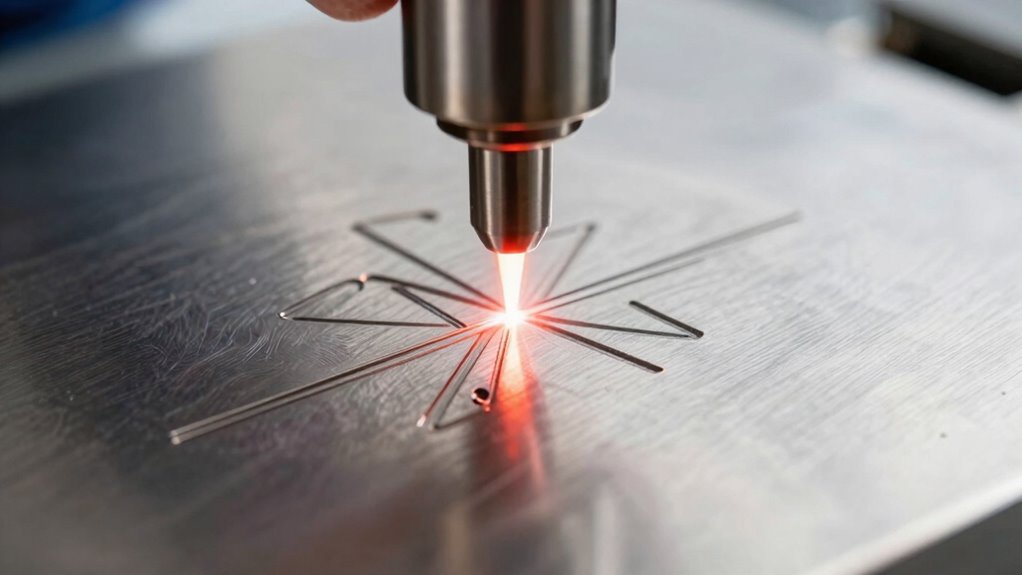
Choosing the right fiber laser system for your stainless steel projects hinges on understanding your specific needs and the features that best support them. Focus on laser safety to guarantee the system has proper shielding and controls, protecting operators from potential hazards. Consider the system’s power and wavelength, matching them to your marking requirements for sharp, clear results. Ease of maintenance procedures is also crucial; select a system designed for straightforward upkeep to minimize downtime and ensure consistent performance. Additionally, evaluate the system’s user interface and compatibility with your existing workflow. By prioritizing safety, ease of maintenance, and appropriate technical specifications, you can choose a fiber laser that delivers precise, durable markings on stainless steel without unnecessary trial-and-error. Proper safety measures are essential to creating a safe working environment and ensuring long-term system reliability. Incorporating reliable performance ensures that your investment results in high-quality, consistent markings.

xTool F1 Ultra 20W Fiber & Diode Dual Laser Engraver, 10000mm/s Ultra Fast Laser Engraver and Cutter Machine for Jewelry, Metal, Wood, 16MP Smart Camera, Auto Streamline, 3D Engraving Machine
NOTE: This is xTool F1 Ultra, with 16mp camera, 20w fiber laser, support 3D emobossing engraving.
As an affiliate, we earn on qualifying purchases.
As an affiliate, we earn on qualifying purchases.
Common Challenges in Fiber Laser Marking and How to Overcome Them
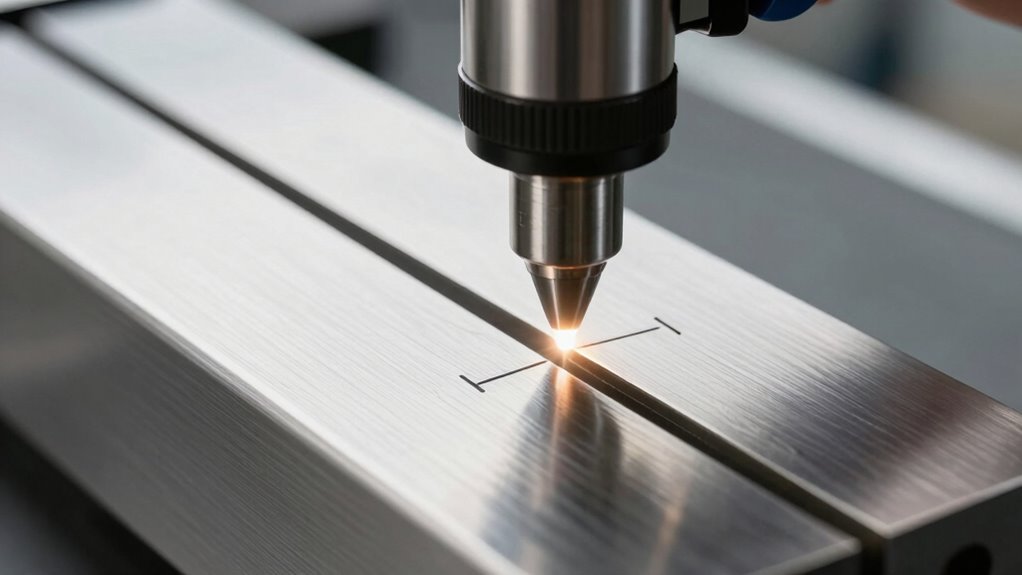
Consistent mark quality can be tricky to maintain, especially when working with different materials. You’ll need to adjust your settings and monitor results closely to get reliable results. Managing material variability is essential to guarantee your markings stay sharp and uniform across all projects. Additionally, understanding media literacy can help you interpret feedback and troubleshoot issues more effectively. Being aware of the specific material properties can further enhance your ability to optimize laser parameters for each application. Recognizing material variability can guide you in making precise adjustments to achieve optimal marking outcomes. Incorporating reliable educational resources can also improve your troubleshooting skills and deepen your understanding of material behaviors. Being familiar with total-cost clarity can assist in selecting the most cost-effective solutions without sacrificing quality.
Achieving Consistent Mark Quality
Achieving consistent mark quality with fiber laser systems can be challenging due to various factors that affect the precision and appearance of each mark. To maintain uniform results, you should:
- Regularly perform laser safety checks and calibration to ensure peak performance.
- Follow proper maintenance practices, including cleaning lenses and nozzles, to prevent debris buildup.
- Standardize your process parameters, like power, speed, and focus, to reduce variability.
- Monitor environmental conditions such as temperature and humidity, which can impact marking consistency.
Managing Material Variability
Material variability poses a significant challenge in fiber laser marking, as differences in surface composition, reflectivity, and thickness can lead to inconsistent results. To combat this, you need to understand the material properties and adjust your process accordingly. Proper surface preparation is essential—clean, smooth, and uniform surfaces improve laser absorption and marking consistency. Techniques like cleaning with appropriate solvents and applying surface treatments can reduce reflectivity and enhance mark quality. Additionally, customizing laser parameters such as power, speed, and frequency for each material type helps accommodate variability. Implementing process optimization techniques can further improve consistency across different batches. By proactively managing these factors, you can achieve sharp, consistent marks on different batches of stainless steel or other metals, reducing trial-and-error and ensuring high-quality, repeatable results in your fiber laser marking process. Understanding material property variability allows for more precise adjustments and better overall results, especially when combined with ventilation considerations to prevent surface contamination or oxidation.
Tips for Achieving Sharp, Consistent Marks Without Trial-and-Error
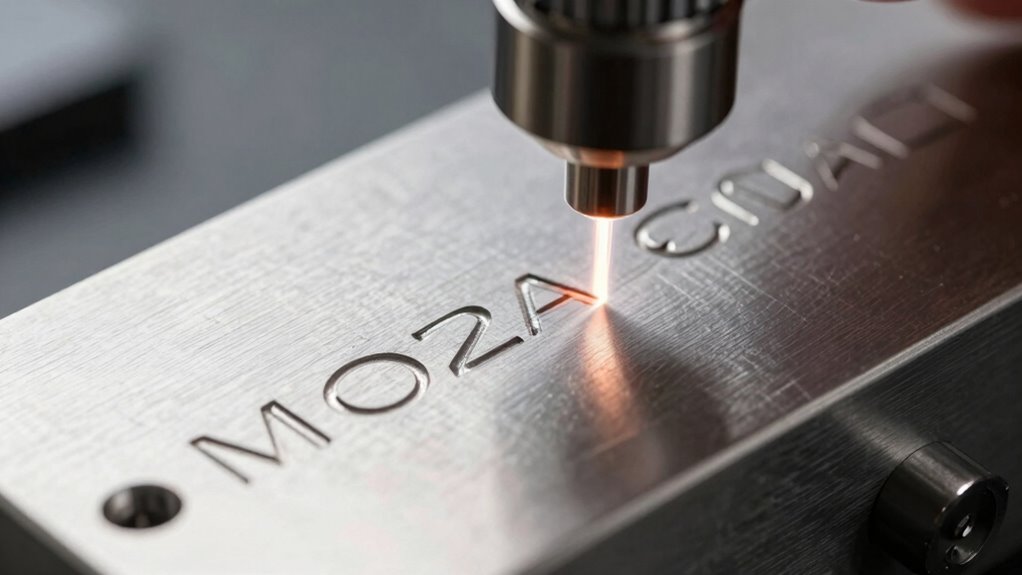
To get sharp, uniform marks with your fiber laser, focus on optimizing key parameters from the start. First, prioritize laser safety by wearing proper protective gear and ensuring safe operation zones. Second, set the correct marking speed; too fast can result in faint marks, while too slow may cause burning. Third, fine-tune laser power to match material thickness without overexposing. Fourth, maintain consistent focusing to ensure the laser beam hits the surface accurately. These adjustments lead to cleaner, sharper results and reduce trial-and-error. By carefully managing these parameters upfront, you’ll achieve reliable, high-quality markings efficiently. Remember, controlling laser safety and marking speed is vital to prevent setbacks and maintain a smooth workflow. Additionally, understanding how industry trends influence laser technology can help you stay ahead in optimizing your marking process.
Fiber Laser Marking vs. Traditional Techniques: Which Is Better?

Fiber laser marking has become a popular choice for precision and speed, often outperforming traditional methods like dot peen, laser-etching, or chemical marking. Its ability to create high-contrast, sharp marks quickly makes it ideal for metal surfaces. Compared to traditional techniques, fiber lasers offer superior color contrast, enhancing readability and visual appeal. Marking speed is markedly faster, reducing production time and increasing efficiency. Visualize the differences:
| Traditional Method | Fiber Laser Marking |
|---|---|
| Slower, labor-intensive | Rapid, automated process |
| Fainter contrast | Sharp, high-contrast marks |
| Limited on complex designs | Precise, intricate details |
| Wear and fade over time | Durable, long-lasting marks |
| Inconsistent results | Consistent, high-quality output |
Additionally, fiber laser marking provides minimal material distortion, ensuring the integrity of delicate or complex surfaces remains intact, which is especially important for metal surfaces requiring high durability. Moreover, its ability to produce long-lasting marks further emphasizes its advantage over traditional methods. The automation capabilities of fiber laser systems also contribute to increased productivity and consistent results across large production runs.
How to Maintain and Optimize Your Fiber Laser for Long-Term Results
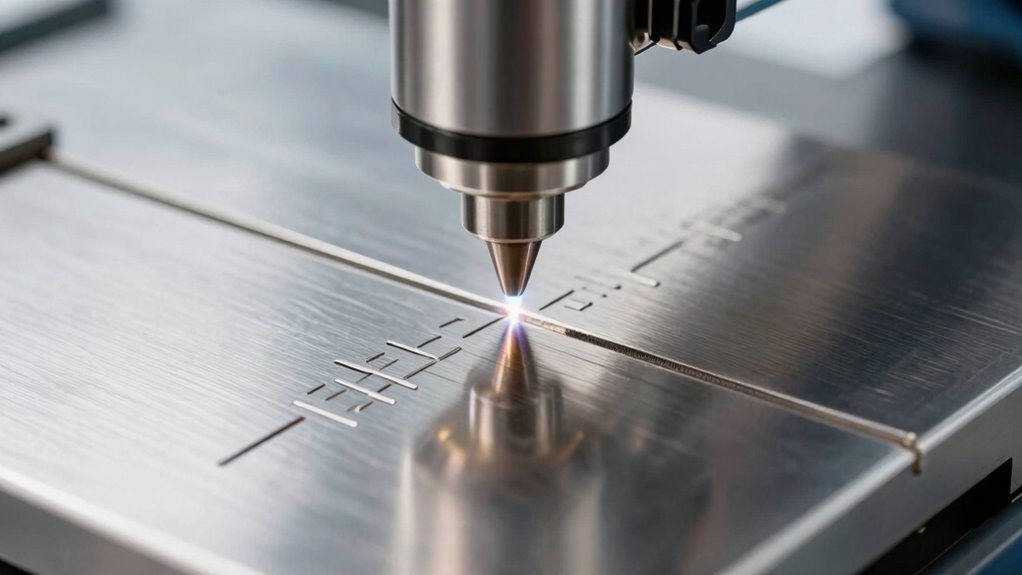
Regular maintenance is essential to keep your fiber laser operating at peak performance and guarantee long-term reliability. Proper laser maintenance ensures consistent, sharp markings and prevents costly downtime. To optimize your laser’s performance, follow these steps:
- Regularly clean the optics and lens to prevent dust and debris from affecting beam quality.
- Check and adjust beam alignment to maintain precise laser focus.
- Monitor and replace consumables like filters and gas supplies as needed.
- Conduct periodic calibration to ensure consistent marking accuracy.
Frequently Asked Questions
What Safety Precautions Are Necessary When Operating Fiber Laser Markers?
You need to follow strict laser safety protocols when operating fiber laser markers. Always wear appropriate protective eyewear and ensure the safety enclosure is in place to prevent laser exposure. Regular equipment maintenance is essential to keep the laser functioning effectively and safely. Never bypass safety features, and keep your workspace clear of unnecessary personnel. Proper training and adherence to safety guidelines protect you and ensure consistent, high-quality results.
Can Fiber Laser Marking Be Customized for Different Stainless Steel Finishes?
Yes, fiber laser marking can be tailored for different stainless steel finishes. You have a range of customization options to suit various finishing variations, from matte to glossy surfaces. By adjusting laser parameters like power, speed, and frequency, you can achieve precise, high-quality marks on diverse finishes. This flexibility ensures your markings look professional regardless of the stainless steel finish, streamlining your workflow and enhancing product appearance.
How Does Ambient Temperature Affect Fiber Laser Marking Quality?
Sure, ambient temperature doesn’t matter much, right? Remarkably, it actually impacts your fiber laser marking quality. When temperatures fluctuate, thermal stability suffers, leading to inconsistent marks or even damage. So, if you want sharp, precise results, keep an eye on ambient temperature. Maintaining a stable environment ensures your laser operates at its best, preventing discoloration or blurring. Who knew that a little temperature control could make such a difference?
Is Fiber Laser Marking Suitable for Marking Complex or Intricate Designs?
Yes, fiber laser marking is suitable for complex or intricate designs. Its high laser resolution guarantees you can produce detailed, precise markings even with complex patterns. You’ll find that the laser’s ability to handle fine lines and small features makes it ideal for intricate designs. Just make certain your equipment is properly calibrated, and you’ll achieve sharp, clean results that meet your detailed marking needs efficiently.
What Are the Environmental Impacts of Fiber Laser Marking Processes?
You might be surprised to learn that fiber laser marking has minimal environmental impact. It produces low environmental emissions because it uses less energy and creates fewer hazardous waste byproducts compared to traditional methods. Additionally, waste management is straightforward, as the process generates minimal waste, making it an eco-friendly choice. By adopting fiber laser marking, you reduce your facility’s carbon footprint and promote sustainable practices effectively.
Conclusion
So, after all that, you’d think mastering fiber laser marking on stainless steel is a breeze, right? Turns out, it’s almost too easy—once you’ve cracked the code. No more guesswork, no more trial-and-error. Just sharp, consistent results every time. Who knew that embracing technology could make perfection so simple? Now, go ahead—mark away with confidence, and watch those stainless pieces shine with professional precision. Irony’s on your side, after all.