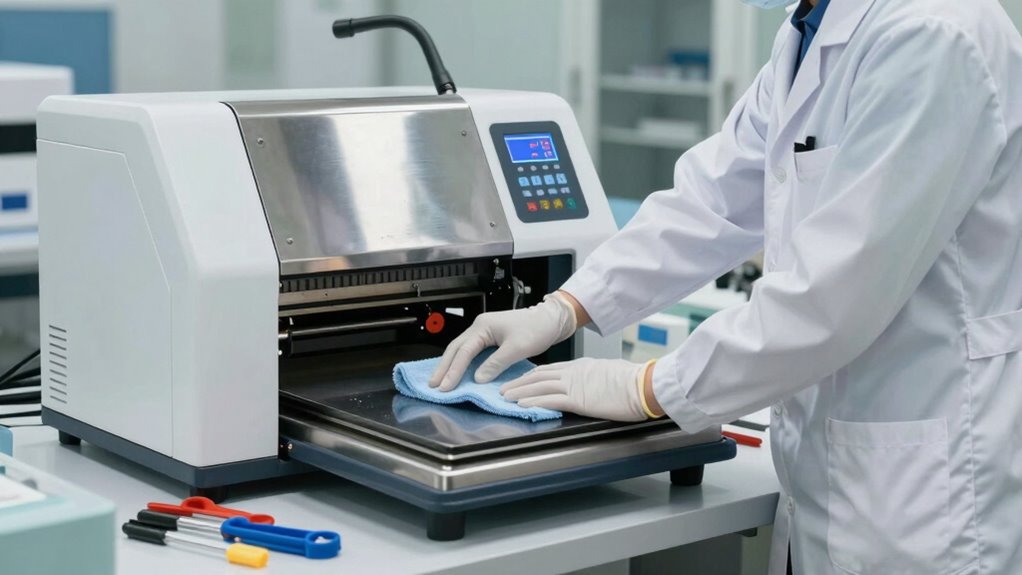
To extend your heat press’s life in just 10 minutes, start by cleaning the platen with a damp cloth to remove residue, then check that the temperature calibration is accurate using an infrared thermometer. Inspect and lubricate moving parts with light oil, verify safety features like emergency stops, and examine electrical connections for wear. Regular quick checks like these keep your machine running smoothly and avoid costly issues—keep going to discover more simple tips for maintenance.
Key Takeaways
- Perform a quick temperature calibration check with an infrared thermometer to ensure consistent heat transfer.
- Clean the platen surface thoroughly to prevent residue buildup that can affect printing quality.
- Inspect electrical wiring and connections for damage or loose contacts to prevent malfunctions.
- Lubricate moving parts lightly to reduce friction and extend component lifespan.
- Test safety features like emergency stops and shields to ensure user protection during operation.

BSTSLL 2 Pcs Heat Press Platen Cover 15 x 15 Inch Teflon Sheets Protector Reusable Platen Wrap Cover for Sublimation Heat Pressing Machine Plate from Scratches, Residue
Package Includes: You will receive 2 pieces of heat press platen wrap covers, about 15 x 15 inches,…
As an affiliate, we earn on qualifying purchases.
As an affiliate, we earn on qualifying purchases.
Why Regular Heat Press Maintenance Extends Your Equipment’s Life
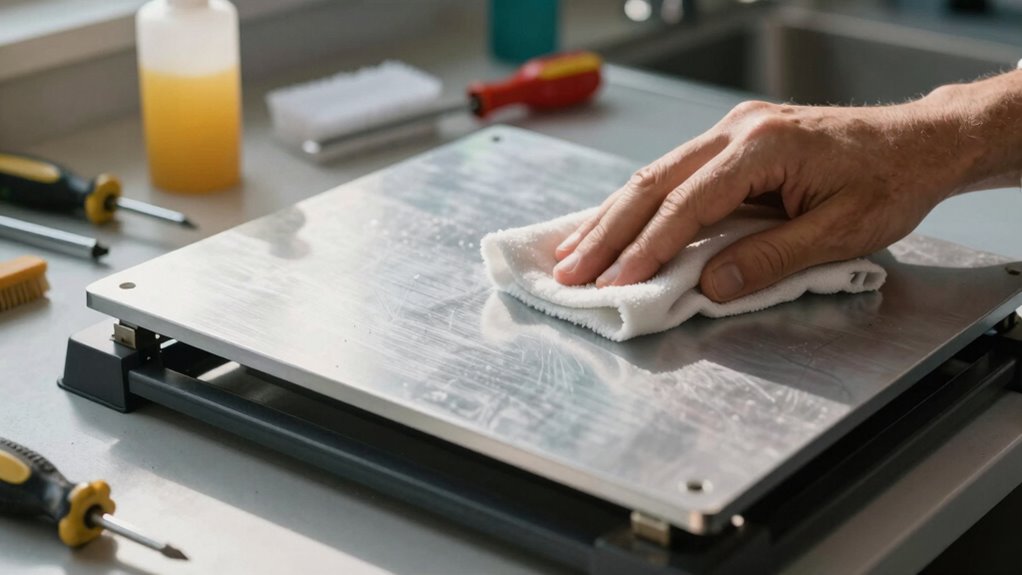
Regular heat press maintenance is essential because it helps prevent wear and tear that can shorten your equipment’s lifespan. One key aspect is ensuring your cooling system functions properly. A well-maintained cooling system prevents overheating, which can damage internal components and lead to costly repairs. Regular checks help you identify issues like clogged vents or malfunctioning fans early. Additionally, inspecting your power supply is vital. A stable and reliable power supply reduces the risk of electrical surges or fluctuations that could harm your heat press’s electronics. By routinely maintaining these parts, you minimize unexpected breakdowns and extend the overall lifespan of your equipment. Energy-efficient systems also emphasizes the importance of system sustainability in maintaining sustainable and reliable operations. Consistent care saves you money and keeps your heat press operating smoothly for years to come.

Laser Infrared Thermometer Non-Contact Digital Temperature Gun, -58℉~1112℉(-50℃~600℃) IR Thermometer for Industrial, Kitchen Cooking, Automotive, HVAC (Not for Human Body Temp)
🎁【High Accuracy】 DESOMIYE laser thermometer gun adopts the latest high-sensitivity temperature sensor, which can measure the temperature range…
As an affiliate, we earn on qualifying purchases.
As an affiliate, we earn on qualifying purchases.
How to Clean Your Heat Press for Optimal Results
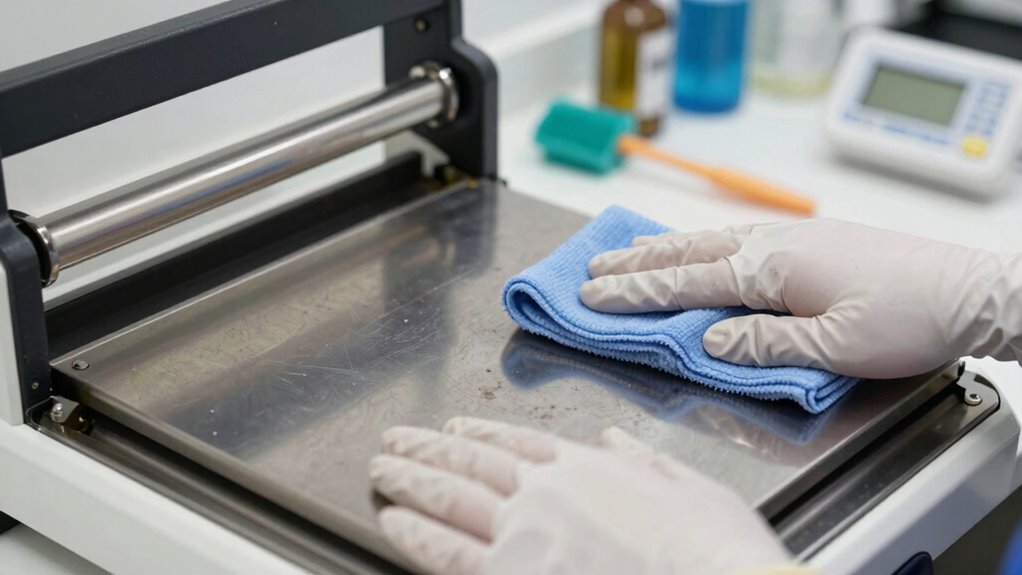
Keeping your heat press clean is key to maintaining its performance and longevity. Start by unplugging the machine and letting it cool completely. Use cleaning solutions specifically designed for heat press surfaces to remove ink, adhesive, or residue buildup. Dampen a soft cloth with the solution and gently wipe the platen, avoiding excessive moisture. For stubborn stains, a soft-bristled brush can help loosen debris. Always follow safety precautions—wear gloves if needed, and ensure proper ventilation when using cleaning solutions. Avoid harsh chemicals that could damage the surface or pose health risks. Regular cleaning prevents residue transfer and ensures even heat distribution. Incorporating proper cleaning techniques can further enhance the longevity of your equipment. Additionally, Modern gadget insights can help you stay informed about proper equipment care and maintenance practices. Consulting the manufacturer guidelines ensures you’re following the best practices for your specific model. Regularly inspecting your heat press for signs of wear or damage can prevent costly repairs, and staying up-to-date with latest maintenance tips can help prolong its lifespan.

Liberty Oil, Clear Nonstaining Oil for Lubricating All Moving Parts of your Sewing Machine. Large 4 Ounce Bottle
Liberty Oil comes in a 4-fluid-oz bottle with a stainless steel needle tip dispenser. Because it is premium…
As an affiliate, we earn on qualifying purchases.
As an affiliate, we earn on qualifying purchases.
How to Check and Maintain the Heating Element and Thermostat
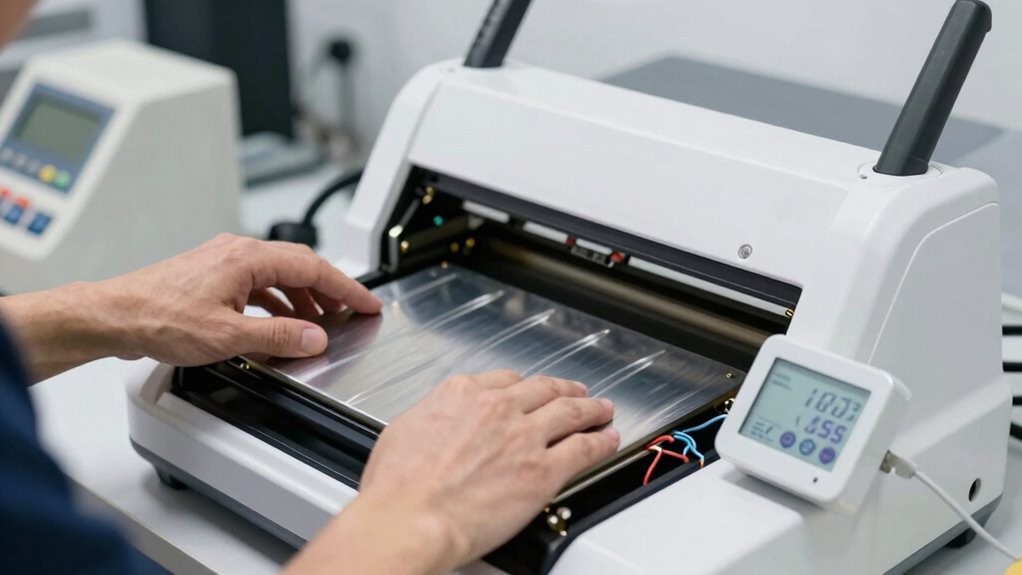
To guarantee your heat press operates efficiently, you need to check and maintain the heating element and thermostat regularly. Start by testing the temperature calibration with an infrared thermometer to ensure accurate heat. If the temperature is off, recalibrate or replace the thermostat as needed. Always prioritize electrical safety: unplug the machine before inspecting components. Visualize the parts with this table:
| Heating Element | Thermostat |
|---|---|
| Provides consistent heat | Regulates temperature |
| Check for damage or burns | Test with a multimeter for proper function |
| Replace if faulty | Recalibrate to ensure accuracy |
Regularly maintaining these parts extends your heat press’s lifespan and guarantees safe, reliable operation. Additionally, monitoring overall performance can help identify potential issues early, preventing costly repairs and downtime. Being familiar with the correct maintenance routines can also improve your troubleshooting skills and keep your equipment running smoothly. To further ensure safety and efficiency, consider performing routine inspections periodically. Incorporating proper maintenance routines ensures your equipment remains in optimal condition and reduces the risk of unexpected failures. Furthermore, implementing preventative maintenance can significantly prolong the lifespan of your heat press.

Cricut EasyPress 2 Heat Press Machine (9 in x 9 in), Ideal for T-Shirts, Tote Bags, Pillows, Aprons & More, Precise Temperature Control, Features Insulated Safety Base & Auto-Off, Raspberry
A NO-STRESS HEAT PRESS — Get pro-level heat-transfer results with Cricut EasyPress 2, the speed of a heat…
As an affiliate, we earn on qualifying purchases.
As an affiliate, we earn on qualifying purchases.
How to Lubricate Moving Parts and Prevent Wear
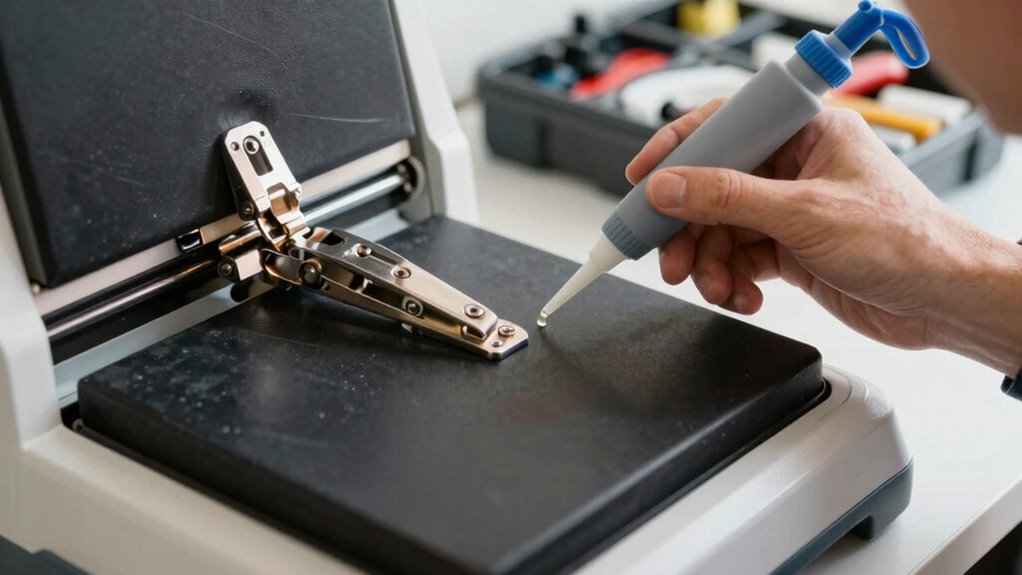
Lubricating moving parts is essential to prevent wear and guarantee smooth operation of your heat press. Regular lubrication reduces friction and extends the machine’s lifespan. To keep things running smoothly, consider these wear prevention techniques:
- Follow the recommended lubrication frequency—usually every 6 months or after heavy use.
- Use the right lubricant, such as a light machine oil, to avoid attracting dust or debris.
- Check moving parts for signs of dryness or rust, and reapply lubricant as needed. Maintaining proper lubrication also supports component durability and overall machine efficiency.
- Keep the lubrication tools clean and in good condition to prevent introducing contaminants that could cause damage.
- Incorporating preventive maintenance routines can further prolong the life of your heat press.
- Proper lubrication techniques contribute to machine safety and help prevent unexpected breakdowns.
Sticking to these steps minimizes wear and keeps your heat press functioning efficiently. Proper lubrication not only prevents parts from seizing but also reduces the risk of costly repairs. Consistency is key to maintaining ideal performance over time.
Create a Weekly Maintenance Routine for Your Heat Press
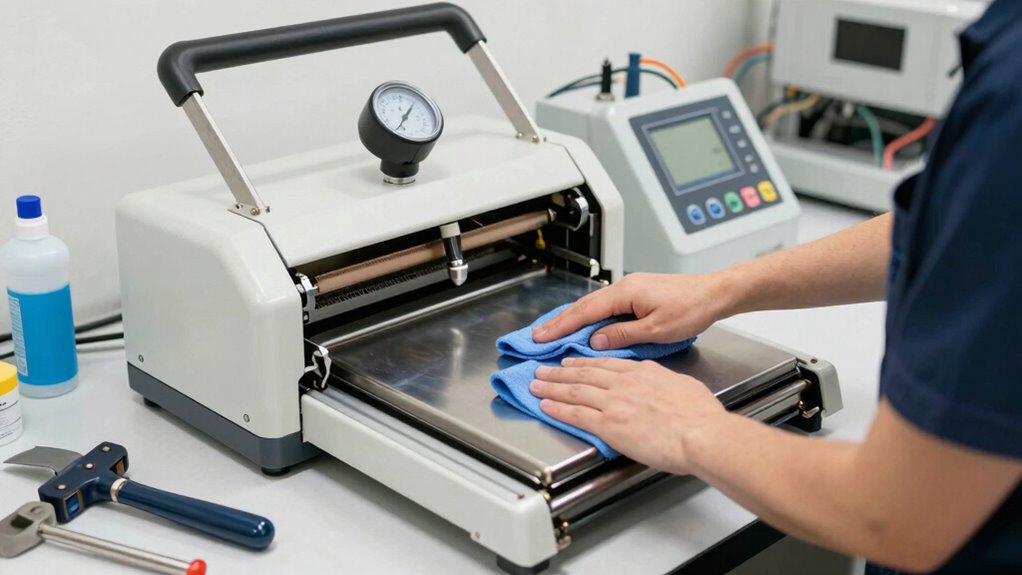
Establishing a weekly maintenance routine is crucial to guarantee your heat press operates at its best. Start by checking the temperature calibration to ensure accurate heat transfer; a miscalibrated press can damage projects and materials. Test the safety features, like emergency stops and safety shields, to confirm they function properly. Clean the platen surface thoroughly to prevent residue buildup that can affect heat distribution. Inspect the electrical connections and wiring for signs of wear or damage. Lubricate moving parts if needed to keep them operating smoothly. Additionally, reviewing appliance safety guidelines helps identify potential hazards and maintain a safe working environment. Regularly checking thermal behavior and heat management techniques ensures consistent performance and prevents unexpected malfunctions. Monitoring performance cookies can also provide insights into how your heat press is functioning over time. Staying informed about electrical safety practices further reduces the risk of accidents or malfunctions. Conducting a preventive maintenance check every few months can help catch issues early before they lead to costly repairs. Finally, review the user manual for manufacturer-recommended maintenance tasks specific to your model. Doing these simple steps weekly helps extend your heat press’s life, maintains consistent quality, and ensures safe operation every time you use it.
Frequently Asked Questions
How Often Should I Replace the Teflon Sheet on My Heat Press?
You should replace your Teflon sheet when it shows signs of significant wear or damage, typically every 6 to 12 months, depending on usage. The Teflon sheet lifespan varies with how often you operate your heat press and the materials you use. Regularly inspect it for cracks, tears, or discoloration, and if you notice any, it’s time for a replacement to guarantee even heat distribution and protect your press.
What Signs Indicate My Heat Press Needs Professional Repairs?
You’ll know your heat press needs professional repairs if you notice inconsistent heat distribution or difficulty maintaining temperature, which could be signs of heat press calibration issues. Watch for unusual electrical signs like sparks, burning smells, or frequent tripping of the circuit breaker, indicating electrical problems. If these occur, it’s best to consult a professional to prevent further damage and guarantee safe, efficient operation.
Can I Use Household Cleaning Products on My Heat Press?
Did you know that improperly using household cleaners can damage your heat press? It’s best to avoid household cleaning products because they may contain harsh chemicals that compromise product safety and damage the surface. Instead, opt for manufacturer-recommended cleaners or a damp cloth. This simple step prolongs your heat press’s lifespan and ensures it operates safely and effectively, preventing costly repairs down the line.
How Do I Troubleshoot Inconsistent Temperature Issues?
To troubleshoot inconsistent temperature issues, first check your heat press’s temperature calibration with an external thermometer to guarantee accuracy. If discrepancies persist, inspect the heating element for signs of damage or malfunction, as heating element issues can cause uneven heat. Adjust calibration settings if needed, and consider replacing the heating element if it’s faulty. Regular maintenance helps prevent these problems and keeps your heat press operating smoothly.
What Safety Precautions Should I Follow During Maintenance?
When maintaining your heat press, always wear appropriate safety gear like gloves and eye protection to prevent burns and injuries. Conduct a thorough risk assessment before starting, identifying potential hazards such as hot surfaces or electrical parts. Verify the machine is unplugged and cooled down before maintenance. Follow manufacturer instructions carefully, and keep your workspace clean and organized to minimize accidents. Safety first keeps your equipment and yourself protected.
Conclusion
By sticking to this simple 10-minute routine, you’ll keep your heat press running like a finely tuned machine for years to come. Regular maintenance isn’t just a good idea—it’s the difference between a tool that lasts a lifetime and one that breaks down after a few uses. Treat your equipment with care, and it’ll reward you with flawless results every time, proving that proper upkeep can turn your heat press into an unstoppable force of productivity.