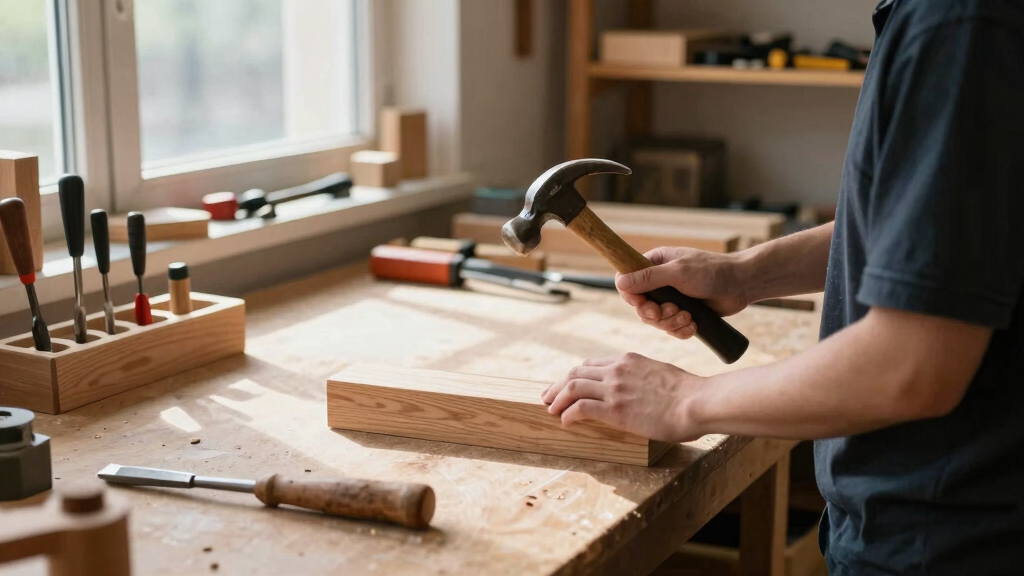
This guide helps students assemble a beginner-friendly woodworking tool set. It covers selecting essential tools, understanding their use, and organizing them for safety and efficiency. Designed for beginners, this process takes approximately 1 to 2 hours, ensuring you have a reliable set for your projects.

Get business pricing on tools and workshop supplies
- Business-only prices and quantity discounts
- Tax-exempt purchasing
- Multiple users, one account, clear invoices

URASISTO 40-Piece Home Tool Kit with Carrying Box, Ideal for DIY, Home Maintenance, and Woodworking
- ✔ Number of Pieces: 40
- ✔ Included Tools: Hammer, slip joint pliers, screwdrivers, hex key set, measuring tape, scissors, bit driver, utility knife, screwdriver bits
- ✔ Material: Steel, chrome finish
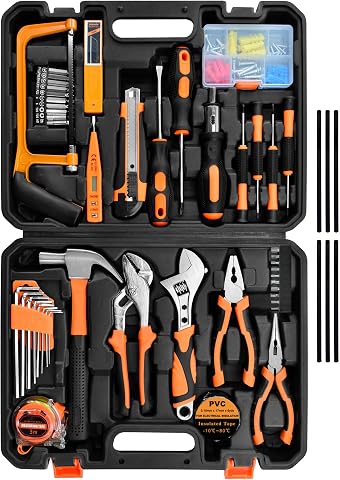
148-Piece Home Repair Tool Kit with Case for Household Maintenance and DIY Projects
- ✔ Number of Pieces: 148
- ✔ Included Tools: Hammer, pliers, screwdrivers, wrench, hacksaw, utility knife, tape measure, voltage tester, hardware kits
- ✔ Material: High-grade steel with chrome finish

URASISTO 40-Piece Home Tool Kit with Carrying Box, Pink
- ✔ Number of Pieces: 40
- ✔ Toolbox Dimensions: 12" x 7" x 3.5"
- ✔ Material: Steel, plastic
Difficulty: Beginner | Time: 1-2 hours
What You’ll Need
Tools & Materials:
- None – tools will be included in the set you assemble
Knowledge:
- Basic understanding of woodworking safety rules
URASISTO 40-Piece Home Tool Kit with Carrying Box, Ideal for DIY, Home Maintenance, and Woodworking
<p>This <strong>40-piece set</strong> stands out for providing the essential hand tools needed for most beginner woodworking projects, all stored in a rugged, portable case. While it covers the basics—hammer, screwdrivers, pliers—it’s limited in scope for more advanced or heavy-duty tasks. Compared to larger kits, it’s more manageable and budget-friendly, making it ideal for students just starting out. However, its smaller tool selection means it may not support complex or professional-grade woodworking, which is a tradeoff for ease of use and affordability.</p>
Pros:
- Comprehensive set with essential tools
- Durable steel with anti-corrosion finish
- Portable, organized storage case
- Ideal for basic woodworking and household repairs
Cons:
- Limited to basic tools; not suited for heavy-duty work
- Some users may desire larger or more specialized tools
- Not designed for professional or complex projects
Best for: Beginners or students seeking a compact, straightforward starter kit
Not ideal for: Students planning extensive or professional woodworking projects
Bottom line: A solid starter kit that offers all the essentials for woodworking novices, with simplicity and portability as key benefits.
“A solid starter kit that offers all the essentials for woodworking novices, with simplicity and portability as key benefits.”
148-Piece Home Repair Tool Kit with Case for Household Maintenance and DIY Projects
<p>This <strong>comprehensive 148-piece set</strong> delivers a wide array of tools suitable for both woodworking and general household repairs. Made from high-grade steel with a corrosion-resistant chrome finish, it features everything from pliers and screwdrivers to a hacksaw and voltage tester. Compared to smaller kits, this set offers more variety, making it perfect for students who want to explore different projects without buying additional tools. The sturdy case ensures portability, though its larger size might be cumbersome for very tight spaces, and some tools may be lightweight for heavy-duty use. Nevertheless, it strikes a good balance between breadth and quality for most student needs.</p>
Pros:
- Extensive range of tools for various tasks
- High-quality, corrosion-resistant steel
- Portable, sturdy carrying case
- Ergonomically designed with soft grip handles
Cons:
- Too bulky for tight storage spaces
- Some tools may lack heavy-duty strength
- Not tailored for specialized woodworking machinery
Best for: Students wanting a versatile, all-in-one toolkit for multiple projects
Not ideal for: Those needing a professional-grade or lightweight, specialized set
Bottom line: An excellent all-around set that covers most household and woodworking needs, making it ideal for students who want flexibility without multiple purchases.
“An excellent all-around set that covers most household and woodworking needs, making it ideal for students who want flexibility without multiple purchases.”
URASISTO 40-Piece Home Tool Kit with Carrying Box, Pink
<p>This <strong>40-piece pink tool kit</strong> mirrors the features of the basic URASISTO set but adds a stylish twist, making it appealing as a gift or casual DIY kit. It includes essential tools like a hammer, screwdrivers, pliers, and a measuring tape, housed in a durable plastic case. While it offers the same core functionality as the standard set, its <strong>lighter construction</strong> and <strong>color choice</strong> may not appeal to those wanting a more rugged or masculine look. It’s perfect for casual woodworking, furniture assembly, or as a beginner’s gift, but less suited for heavy or professional projects.</p>
Pros:
- Complete set of essential tools
- Steel tools with anti-corrosion finish
- Portable and organized in a sturdy case
- Unique, stylish pink color suitable for gifting
Cons:
- Limited to basic tools; not for heavy-duty use
- Pink color may not suit everyone’s taste
- Lighter construction may reduce durability for tough tasks
Best for: Students interested in beginner woodworking and looking for a visually appealing kit
Not ideal for: Those needing heavy-duty tools or a more traditional design
Bottom line: A practical and stylish starter kit perfect for casual projects or as a gift, though it lacks the robustness for demanding woodworking tasks.
“A practical and stylish starter kit perfect for casual projects or as a gift, though it lacks the robustness for demanding woodworking tasks.”
As an Amazon Associate we earn from qualifying purchases.
Before You Start
Ensure your workspace is clear and safe. Read any safety instructions provided with your tools. Confirm the tools you purchase or have are complete and in good condition before beginning assembly.
Step-by-Step Instructions
Step 1: Identify essential tools for beginners
List common woodworking tools suitable for students: hammer, screwdrivers, measuring tape, square, hand saw, clamps, chisels, and safety gear such as goggles and gloves.
Tip: Prioritize multi-purpose tools like a combination square and a versatile hand saw to save space and money.
Check: You have a list of essential tools, with at least a hammer, measuring tape, and safety goggles.
Step 2: Choose a beginner-friendly tool set
Select a pre-packaged woodworking tool set designed for students or beginners. Ensure it includes the basic tools identified earlier and has good reviews for quality and safety.
Tip: Opt for sets from reputable brands or suppliers specializing in beginner woodworking kits to ensure safety and reliability.
Check: You have purchased or assembled a set with all essential tools, verified for quality and completeness.
Step 3: Unpack and inspect all tools
Carefully open the packaging and check each tool for defects, rust, or missing parts. Verify that all handles are secure and blades are sharp and intact.
Tip: Discard or return any damaged tools to prevent accidents and ensure effective work.
Check: All tools are in good condition, clean, and ready for use.
Step 4: Organize your tools safely
Arrange tools in a tool box, rack, or designated area. Use foam inserts or small containers to keep sharp tools like chisels and blades separate from your hands.
Tip: Label compartments for quick access and safety, especially for smaller or sharper tools.
Check: Tools are organized, easily accessible, and stored securely to prevent accidents.
Step 5: Learn basic tool maintenance and safety
Read safety instructions for each tool, and practice safe handling: wear safety goggles, keep blades sharp, and store tools properly after use.
Tip: Schedule regular maintenance, such as cleaning and sharpening, to keep tools in optimal condition.
Check: You understand basic safety procedures and have set routines for maintaining your tools.
Common Mistakes to Avoid
- Choosing low-quality or incomplete tool sets — Select sets from reputable brands with good reviews; check for all essential tools before purchasing.
- Not inspecting tools before use — Always check for damage or defects and test tools on scrap material to ensure they work properly.
- Storing tools improperly — Organize tools securely, keep sharp edges covered, and store in designated areas to prevent accidents.
- Ignoring safety equipment — Always wear safety goggles, gloves, and appropriate clothing when handling tools.
Troubleshooting
Problem: Tools feel dull or unsafe to use
Solution: Sharpen blades or replace dull tools; confirm handles are secure and replace if cracked.
Problem: Tools don’t fit or work as expected
Solution: Verify you are using the correct tool for the task; replace or adjust as needed.
Problem: Organized tools are hard to access
Solution: Rearrange storage for easier access, label compartments clearly, and keep frequently used tools at the front.
What Success Looks Like
You have a complete, organized, and safe woodworking tool set suitable for beginners. The tools are in good condition, easy to access, and you understand basic safety and maintenance procedures.
Next Steps
Begin practicing safe handling with simple projects, regularly maintain your tools, and gradually expand your set with additional tools as skills develop. Seek further guidance or tutorials for specific projects.
Frequently Asked Questions
How do I know if my tools are good for beginners?
Choose tools that are simple to operate, from reputable brands, with safety features, and are designed for light use. Avoid overly complex or professional-grade tools at first.
What safety gear should I always wear?
Always wear safety goggles, gloves when handling sharp or rough tools, and work in a well-ventilated, clutter-free area.
Can I upgrade my tools later?
Yes, start with basic, affordable tools, then add more specialized or higher-quality tools as your skills improve and projects become more complex.
How often should I maintain my tools?
Clean and inspect your tools after each use, sharpen blades regularly, and store them properly to prolong their lifespan and safety.
Fall yard work Picks
leaf blowers
As an affiliate, we earn on qualifying purchases.