TL;DR

Get business pricing on tools and workshop supplies
- Business-only prices and quantity discounts
- Tax-exempt purchasing
- Multiple users, one account, clear invoices
A good woodworking tool set for students combines safety, essential tools, and durability, often at an affordable price. Starting with beginner-friendly kits sets the foundation for safe and fun woodworking projects.
Imagine the rich scent of freshly cut wood mingling with the faint hum of a handsaw. That’s the thrill of starting woodworking as a student. But jumping into this craft without the right tools can turn excitement into frustration or even injury. Picking the right tool set makes all the difference—building confidence and keeping safety front and center. You’ll learn what features matter most, which sets are best for beginners, and how to avoid common pitfalls, so you craft with both skill and security.
Choose sets with safety features like guards and ergonomic handles to reduce injury risk.
Match the tool set contents to your skill level and project goals for maximum benefit.
Invest in quality tools—even budget-friendly sets should feel sturdy and well-made.
Always prioritize safety—wear protective gear and keep your workspace tidy.
Proper maintenance extends the life of your tools and keeps projects flowing smoothly.
What Makes a Good Woodworking Tool Set for Students?
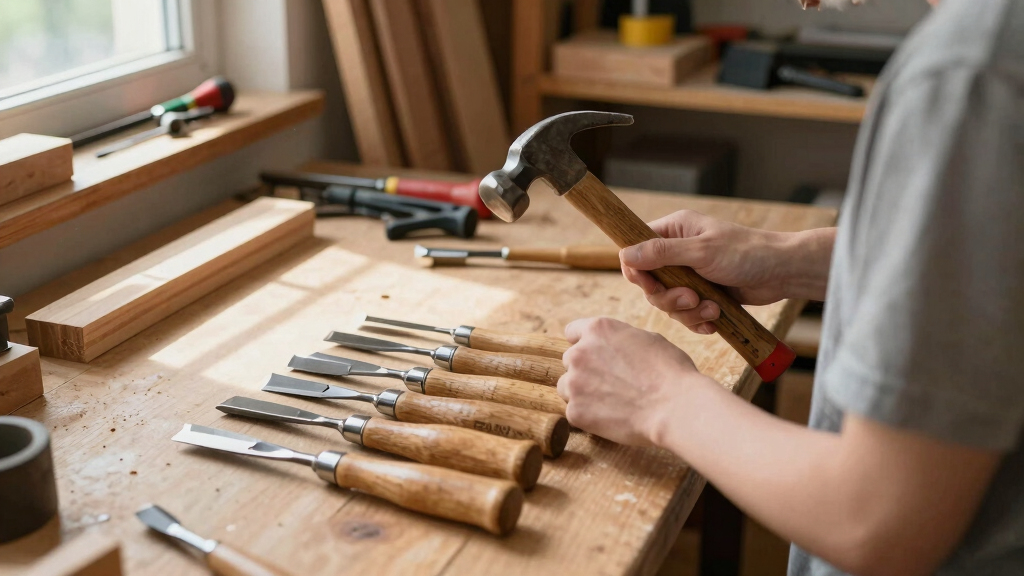
At the heart of a beginner’s kit are tools that are safe, versatile, and easy to handle. Think lightweight hammers, manageable saws, and smooth chisels. For example, a typical set might include a handsaw with a soft grip to prevent slips, a set of screwdrivers with plastic handles, and a measure tape that clicks softly as you extend it. These tools should have rounded edges, safety guards, and ergonomic designs to reduce fatigue and injury risks. When you pick a set, ask: Does it include only essential tools? Are safety features built-in? Is it sturdy enough to last through many projects?
Understanding why these features matter is crucial. Safety guards on saws and chisels prevent accidental cuts, especially for beginners still mastering control. Ergonomic handles reduce hand fatigue during prolonged use, which encourages proper technique and decreases the chance of slips. Durability ensures your tools won’t break or become unsafe after a few uses, saving money and avoiding frustration. The tradeoff often comes with cost—more safety features and durable materials tend to increase the price, but investing in quality tools reduces the risk of injury and replacement costs over time.
woodworking tool set for beginners
As an affiliate, we earn on qualifying purchases.
As an affiliate, we earn on qualifying purchases.
How to Choose the Perfect Beginner Woodworking Set in 3 Easy Steps
- Assess your skill level and project goals. Are you just starting or have some experience? Do you want to build small projects like shelves or jewelry boxes? Recognizing your skill helps you select tools that match your current abilities without overwhelming you. For example, a set with a simple handsaw and basic screwdrivers is ideal for beginners, while more complex sets with power tools are better for advanced learners. Your project goals influence the tools needed—crafting small items requires different tools than building furniture. Clarifying these aspects prevents unnecessary purchases and ensures your tools are appropriate for your ambitions.
- Check the contents. Does the set include the core tools: saws, chisels, hammers, screwdrivers, and measuring tools? Is there safety gear like goggles or gloves? The completeness of a set directly impacts your learning curve—missing essential tools means improvising or buying extras later, which can be costly and time-consuming. Safety gear is equally important; it’s not just an add-on but a necessity that protects you from common hazards like flying debris or splinters. The tradeoff here involves balancing cost with comprehensiveness—cheaper sets might omit safety features or key tools, increasing risks.
- Set a budget. Entry-level sets range from $20 to $100. Prioritize quality over quantity—well-made tools last longer and are safer. Cheaper tools often have poor grips, flimsy blades, or inferior materials that can break easily or cause accidents. Investing a bit more ensures your tools perform reliably, which is especially important for safety and achieving good results. Remember, a higher initial investment can save money in the long run by reducing replacements and preventing injuries that could result from inferior tools.
Comparison Table: Top 3 Student Woodworking Sets in 2024
| Feature | Basic Starter Kit | All-in-One Beginner Set | Compact Travel Set |
|---|---|---|---|
| Price Range | $20-$40 | $50-$100 | $30-$60 |
| Tools Included | Saw, hammer, screwdrivers | Saw, chisels, drill, safety gear | Mini saw, small hammer, measuring tape |
| Safety Features | Basic | Guarded blades, ergonomic handles | Lightweight, minimal guards |
| Ideal For | Simple projects, kids’ crafts | Small furniture, detailed work | Travel or limited space |
Safety First: Keep Your Projects Fun and Injury-Free
Safety isn’t just an add-on; it’s the foundation of every woodworking project. Always wear goggles and gloves when cutting or sanding. Keep your workspace clean and free of clutter—wood shavings and tools everywhere can cause accidents. For example, a student working on a school project once slipped on sawdust and scraped their hand. That quick lesson in safety gear — goggles and a dust mask — could have prevented it. Remember: Power tools should only be used when supervised and with proper training. Never rush, and always double-check your tools for damage before starting.
How to Maintain and Store Your Tools for Longevity
Proper maintenance keeps your tools sharp, safe, and ready for the next project. Clean blades and chisels with a cloth after use; oil moving parts to prevent rust. Store tools in a toolbox or wall rack, organized by type—saws in one spot, screwdrivers in another. For example, one student kept their tools in a shoebox, which led to damaged edges and lost pieces. Now they use a sturdy toolbox with foam inserts, and their tools stay in top shape. Regularly checking for loose screws or dull blades can save you hours of frustration later.
Beyond just cleaning, inspecting your tools regularly for signs of wear or damage is vital. Dull blades require sharpening—using dull tools increases the risk of slips and injuries. Storing tools properly prevents accidental damage and keeps them accessible. For example, hanging tools on a pegboard keeps them visible and easy to grab, reducing the chance of misplacing or damaging them. Investing time in maintenance and proper storage not only prolongs the lifespan of your tools but also ensures that every project is completed with precision and safety.
Frequently Asked Questions
What tools should be included in a beginner woodworking set?
A basic beginner set should include a handsaw, hammer, screwdrivers, measuring tape, square, and safety gear like goggles. These cover most small projects and introduce fundamental skills.Are these tool sets safe for children or teenagers?
Yes, but only if they include safety features like guards and ergonomic handles, and if an adult supervises. Always choose age-appropriate tools designed for beginners.How much should I expect to spend on a good woodworking starter kit?
Entry-level sets typically cost between $20 and $100. Spending a bit more on quality tools pays off in safety, durability, and better results.Can I use these tools for more advanced projects later on?
Many beginner tools can handle small to medium projects. As skills grow, you might want to add specialized tools, but these sets are a solid foundation.Are there specific tool sets designed for small spaces or limited storage?
Yes, compact and modular sets are perfect for tight spaces. They include smaller tools and fold-away features, making storage easier without sacrificing functionality.Conclusion
Starting woodworking as a student is an exciting journey—one that demands the right tools and a safety-first mindset. Pick a set that balances quality, safety, and your project ambitions. With the right kit in hand, you’ll turn raw wood into something you’re proud of, one cut at a time.
Remember: Good tools don’t just make your work easier—they make it safer. So choose wisely, stay cautious, and let your creativity carve out new possibilities.
Fall Picks
fall essentials
As an affiliate, we earn on qualifying purchases.