When firing a home kiln, proper venting is essential to prevent harmful fumes and smoke from accumulating indoors. Without effective ventilation, you risk health problems like respiratory issues, eye irritation, and exposure to toxic heavy metals. To stay safe, install and maintain a reliable ventilation system that directs fumes outside, using the right equipment and ensuring airflow is unobstructed. Keep going to discover how to choose and maintain the best venting setup for your space.
Key Takeaways
- Proper venting directs harmful fumes and gases outdoors, ensuring indoor air quality and user safety.
- Regular inspection and maintenance prevent blockages, leaks, and ensure effective kiln ventilation.
- Choosing appropriate ventilation equipment and correct installation reduces health risks and complies with safety standards.
- Effective airflow minimizes fume buildup, heat accumulation, and potential health hazards during firing.
- Neglecting vent pathways or system upkeep can lead to dangerous fume exposure and long-term health issues.

PreAsion Etching Press Machine Etching Printing Press Printmaking Letterpress Machine Printmaking Rubbing Machine Plaster Wood Paper Slab Roller Size: 28 * 10cm (11 * 3.9 ")
The size is moderate, with 4 anti slip feet that can be placed on the table and the...
As an affiliate, we earn on qualifying purchases.
Why Safe Ventilation Is Critical When Firing Kilns at Home
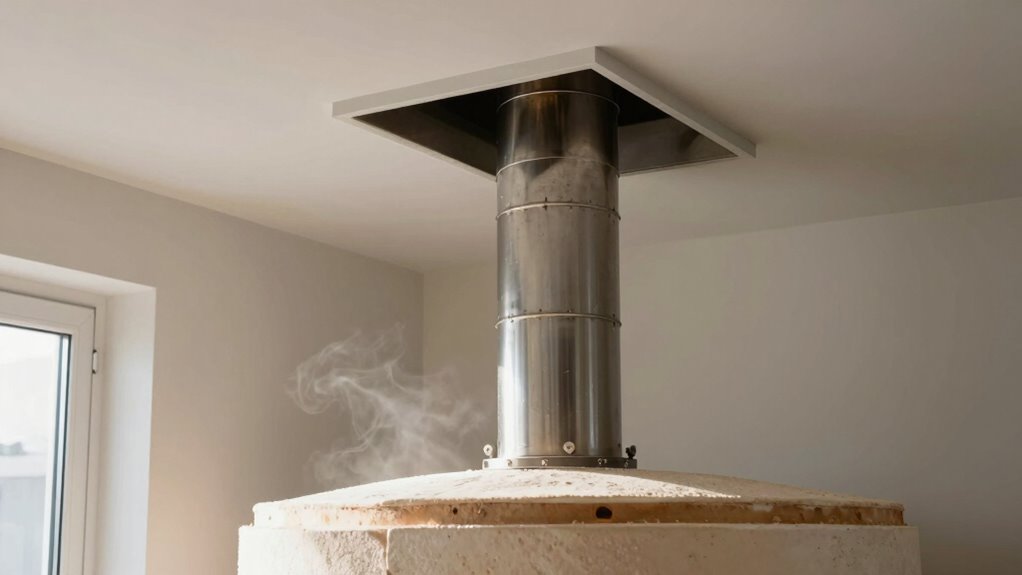
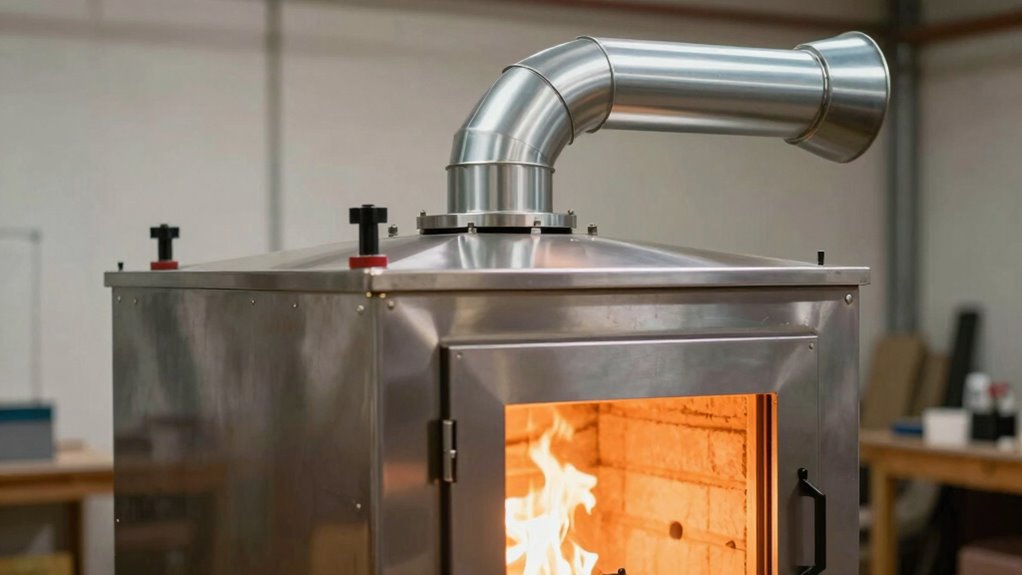
Firing a kiln at home releases potentially harmful fumes and gases that can pose serious health risks if not properly vented. Proper ventilation safety is essential to protect yourself and others nearby. Without adequate airflow, kiln fumes can accumulate, leading to respiratory issues, skin irritation, or more severe health problems over time. Ensuring your kiln is vented correctly helps remove these dangerous gases and prevents their buildup inside your workspace. Use a reliable venting system that directs fumes outdoors, avoiding indoor air contamination. Regularly check your ventilation setup for blockages or leaks. Proper airflow and effective ventilation systems are vital components of a safe firing environment. Additionally, understanding air quality management techniques can further improve safety during kiln operation. Investing in proper ventilation not only safeguards your health but also maintains the quality of your kiln firing process. Remember, neglecting kiln fumes and ventilation safety can jeopardize your health, so invest in a good venting plan and always prioritize proper airflow when firing your kiln at home. Proper ventilation is a key factor in preventing the buildup of harmful gases, especially during extended firing sessions.

Rollaway II Compact Portable Folding Sewing Table, Silver/White
FOLDING ROLLAWAY SEWING TABLE: Stylish design features a 40.50" wide tabletop with Convenient Sticker with Inch and Centimeter...
As an affiliate, we earn on qualifying purchases.
What Fumes and Smoke Come From Your Kiln and Why They Matter
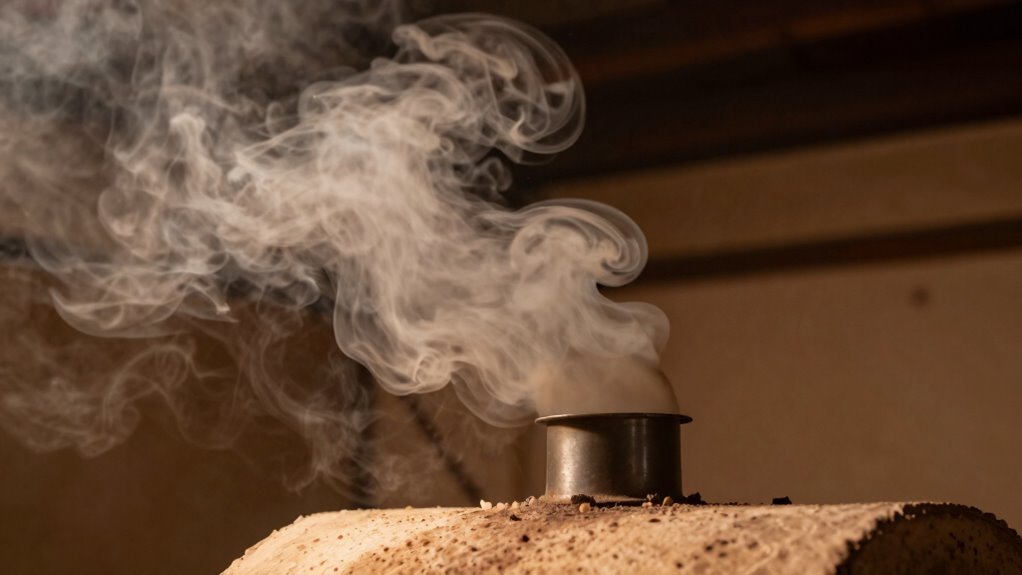
When you fire your kiln, it releases a variety of fumes and smoke that can be harmful if not properly vented. The fume composition includes volatile compounds from glazes, such as heavy metals like lead and cadmium, which can be toxic when inhaled. Smoke effects vary, but they often include a haze or lingering smell that can irritate your eyes and lungs. Understanding what’s released helps you appreciate the importance of proper ventilation.
| Fume Composition | Smoke Effects |
|---|---|
| Heavy metals (lead, cadmium) | Eye and respiratory irritation |
| Volatile organic compounds | Lingering odors |
| Particulates (silica, carbon) | Haze and potential health risks |

FUJA Commercial Embroidery Machine with 10 Needles, 1200 SPM Max Speed, 9.5" × 14.2" Large Embroidery Area for Small Business & Beginners – Built for Hats, Caps, Flats, T-Shirts & Patches
【Upgrade Your Small Business with 10-Needle Power】: Stop wasting time on manual thread changes! With 10 needles running...
As an affiliate, we earn on qualifying purchases.
How to Vent Your Home Kiln Safely and Effectively
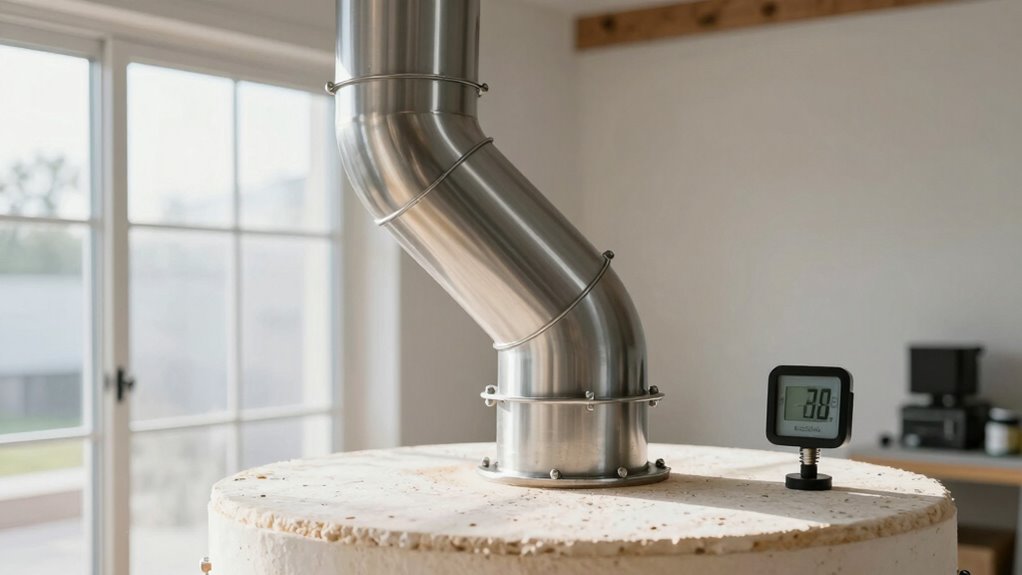
To vent your home kiln safely, you need to focus on proper vent installation techniques that prevent fumes from accumulating. Ensuring adequate airflow is essential to keep the space safe and prevent harmful buildup. Additionally, incorporating proper venting techniques can help optimize airflow and ensure contaminants are effectively directed outside. Using automated smart-home integrations can also assist in monitoring vent performance and alerting you to any issues promptly. Installing sensors that detect air quality can further enhance safety by providing real-time data on indoor pollutant levels. Regularly inspecting and cleaning your vent system is vital to maintain ventilation efficiency, preventing blockages and ensuring optimal airflow. By paying attention to these key points, you can create an effective and secure venting setup.
Proper Vent Installation Techniques
Proper vent installation is essential to guarantee your home kiln operates safely and efficiently. To achieve airflow enhancement, ensure the vent is correctly positioned and securely connected to your kiln. Use appropriate materials that withstand heat and prevent leaks. Make certain the vent pipe slopes slightly downward to allow fumes to escape freely, avoiding blockages or buildup. Sealing joints tightly prevents leaks that could compromise ventilation safety. Install a damper or vent cap to control airflow and prevent backdrafts. Always follow manufacturer instructions and local codes for proper setup. Regularly inspect your vent system for damage or obstructions. Proper installation reduces the risk of hazardous fumes accumulating and ensures consistent, safe kiln operation. Prioritize proper venting techniques during setup to maintain optimal airflow and ventilation safety. Additionally, understanding vent system maintenance is crucial to ensure long-term safety and efficiency. Incorporating venting system inspections into your routine can help identify issues early and maintain optimal performance.
Ensuring Adequate Airflow
Ensuring adequate airflow is critical for safe and efficient kiln operation. Proper airflow enhancement prevents dangerous buildup of fumes and heat, protecting both your kiln and your space. To achieve this, use ventilation accessories like exhaust fans, vents, and ducting systems designed for kiln venting. Regularly check that these accessories are functioning correctly and unobstructed. Incorporate adjustable vents to control airflow based on kiln usage. Proper placement of intake and exhaust points ensures a steady flow of fresh air and removal of hazardous gases. Remember, consistent airflow not only improves firing quality but also reduces health risks. Additionally, understanding ventilation standards can help you select the right accessories and ensure compliance with safety regulations. Proper airflow management is fundamental to air quality control, which ensures safe operation and longevity of your kiln. By paying close attention to ventilation accessories and maintaining ideal airflow, you keep your kiln environment safe, effective, and compliant with safety standards. Regular maintenance of ventilation systems is essential to prevent malfunctions and ensure continuous safety. Maintaining proper airflow management also helps in prolonging the lifespan of your kiln components and reducing energy costs.

Brother SE700 Sewing and Embroidery Machine, Wireless LAN Connected, 135 Built-in Designs, 103 Built-in Stitches, Computerized, 4" x 4" Hoop Area, 3.7" Touchscreen Display, 8 Included Feet, White
SEWING and EMBROIDERY IN ONE: The SE700 is the ideal machine to start your sewing and embroidery journey...
As an affiliate, we earn on qualifying purchases.
Choosing the Right Ventilation Equipment for Your Space

Choosing the right ventilation equipment depends on your space and kiln size. You need to take into account different system types and how they’ll fit your setup. Proper installation ensures safety and efficiency, so it’s worth paying attention to the techniques involved. Additionally, understanding ventilation safety protocols is essential to prevent hazards such as buildup of toxic fumes or insufficient airflow. Being familiar with airflow management techniques can help optimize your setup for both safety and performance. Incorporating proper installation practices is crucial to ensure the ventilation system functions correctly and safely in your environment. Furthermore, selecting equipment with appropriate capacity ensures the system can handle the specific airflow requirements of your kiln, enhancing both safety and efficiency. Paying attention to modern controls and automation can also improve system reliability and ease of use in maintaining proper ventilation standards.
Ventilation System Types
Selecting the right ventilation system for your home kiln is essential to safely and effectively manage fumes and heat. You have several options based on your space and needs. Exhaust fans and duct systems provide direct removal of fumes, while air filtration units use filter options to trap particulates before air exchange. Some systems combine both for suitable safety. Consider whether you need a continuous airflow or intermittent operation. The key is choosing a setup that maximizes air exchange without causing drafts or heat loss. Here’s a quick comparison:
| System Type | Filter Options | Air Exchange Rate | Suitability |
|---|---|---|---|
| Exhaust Fan | HEPA, activated carbon | High | Large, well-ventilated spaces |
| Ducted Ventilation | Custom filters | Moderate to high | Permanent installation |
| Air Filtration Units | HEPA, carbon filters | Variable | Smaller or enclosed areas |
| Combination Systems | Multiple filters | High | Professional-grade setups |
Implementing proper ventilation not only improves safety but also helps in complying with regulatory requirements for kiln operation and emissions.
Proper Installation Techniques
Proper installation of your ventilation system is crucial to guarantee it operates safely and effectively. Many people believe ventilation myths, like thinking any fan can suffice or that complex systems aren’t necessary. To ensure installation safety, select the right equipment for your space, considering factors like kiln size, airflow needs, and local building codes. Follow manufacturer instructions carefully, and avoid shortcuts that could compromise safety or efficiency. Proper placement of vents and ducts is essential to prevent leaks, backdrafts, or inadequate exhaust. Verify that all connections are secure and that the system is grounded properly. Additionally, understanding the horsepower of electric dirt bikes can help in selecting appropriately rated fans and motors for your ventilation system, ensuring optimal performance. Choosing the correct filtering components and protective measures can further enhance system longevity and safety. Remember, a well-installed ventilation system not only protects your kiln operation but also safeguards your home and health. Using the correct ventilation equipment is essential for optimal performance and safety. Ensuring that your system complies with building codes helps prevent potential hazards and legal issues. Don’t cut corners—prioritize correct installation techniques for peace of mind.
Maintaining and Troubleshooting Your Kiln Ventilation System

Regularly inspecting and cleaning your kiln ventilation system is essential to guarantee safe and efficient operation. Proper maintenance helps prevent fire safety hazards and ensures odor control, keeping your workspace safe and comfortable. Troubleshooting common issues quickly can save you from costly repairs and downtime. Check for blockages or debris in the vent pipes and clean filters regularly. Confirm the fan operates smoothly and listen for unusual noises. Ensure all connections are secure and vents are unobstructed. If you notice persistent odors or reduced airflow, address these issues promptly. Keeping your system in top condition maintains proper ventilation, reduces fire risks, and ensures safe kiln operation. Regular upkeep is your best defense against ventilation failures that compromise safety and performance. Understanding kiln ventilation is crucial for maintaining a safe environment and extending the lifespan of your equipment.
Common Ventilation Mistakes and How to Avoid Them

One common mistake is neglecting to maintain clear and unobstructed vent pathways, which can substantially reduce airflow and compromise safety. Ventilation misconceptions often lead people to underestimate the importance of proper positioning, causing improper exhaust and trapping fumes inside. Avoid blocking vents with debris, tools, or clutter, as this impairs the kiln’s ability to vent fumes effectively. Many assume that a basic vent setup is enough, but inadequate or improperly installed exhaust systems can create dangerous buildup of fumes, risking health and safety. Regularly inspect your vent pathways for obstructions and ensure your exhaust system is functioning correctly. Proper ventilation isn’t just a recommendation; it’s a critical safety measure that prevents hazardous fumes from accumulating.
Frequently Asked Questions
How Often Should I Inspect My Kiln Ventilation System?
You should inspect your kiln ventilation system at least once every three to six months. Regular ventilation maintenance guarantees it operates efficiently and safely. During each inspection, check for blockages, worn parts, or buildup that could hinder airflow. Following a consistent inspection schedule helps catch problems early, preventing hazardous fumes from accumulating and ensuring your kiln remains safe and functional. Don’t skip these essential safety steps for peace of mind.
Can I Vent My Kiln Outdoors Instead of Inside?
You can vent your kiln outdoors, imagining a clear pathway where fumes escape safely into the open air. Use proper ventilation materials to guarantee a secure outdoor setup, avoiding smoke buildup inside your space. Set up a sturdy, weather-resistant duct system that directs fumes away from your home and workspace. This outdoor setup minimizes indoor hazards and keeps your environment safe while allowing efficient kiln operation.
What Are Signs of Inadequate Kiln Ventilation?
You’ll notice signs of inadequate kiln ventilation through poor airflow indicators, such as lingering fumes or a persistent smell of chemicals. If the ventilation efficiency is low, you might see condensation or overheating around your kiln. Additionally, uneven firing or temperature fluctuations can signal airflow issues. Keep an eye on these indicators, and verify your ventilation system is working properly to maintain a safe environment and consistent firing results.
Are There DIY Solutions for Improving Kiln Venting Safety?
Yes, you can improve kiln venting safety with DIY solutions like installing ventilation filters and creating a DIY exhaust system. You might add high-quality filters to capture fumes, secure flexible tubing to direct exhaust outdoors, or build simple exhaust hoods. These steps help guarantee proper airflow, reduce fumes buildup, and keep your workspace safe, making venting upgrades accessible and effective for your home kiln setup.
How Do I Ensure Ventilation Is Effective During Long Firing Sessions?
To guarantee effective ventilation during long firing sessions, you should optimize airflow by positioning your ventilation equipment correctly. Use high-quality ventilation fans designed for kiln use, ensuring they are powerful enough to move fumes efficiently. Regularly check and clean your ventilation system to prevent blockages. Additionally, monitor air quality with sensors if possible, and keep the kiln in a well-ventilated area to maintain safe and consistent airflow throughout the firing process.
Conclusion
Think of your home kiln like a chimney in a busy kitchen—without proper venting, smoke and fumes can build up, risking your safety. I once saw a hobbyist overlook this step, and their entire workshop filled with smoke in minutes. Just as you wouldn’t ignore a clogged chimney, don’t skip home kiln venting. Prioritize it, and your creative space stays safe, fresh, and inspiring—like a breath of clean air after a storm.