Matte, satin, and gloss sealers differ mainly in their appearance and reflection. Matte sealers give a non-reflective, muted look, hiding surface flaws easily, but they require careful application. Satin sealers provide a slight sheen with a balanced brightness, forgiving in application and good for hiding imperfections. Gloss sealers create a shiny, highly reflective surface, but they demand precise, even coats to avoid drips and highlight surface flaws. Keep exploring to understand which finish suits your project best.
Key Takeaways
- Matte sealers provide a non-reflective, muted appearance that hides surface imperfections better than shiny finishes.
- Satin sealers offer a subtle sheen, balancing brightness and hiding minor surface flaws.
- Gloss sealers create a highly reflective, shiny surface that emphasizes surface details and imperfections.
- Application difficulty varies, with gloss sealers requiring careful, even coats to prevent drips and uneven coverage.
- Durability depends on proper surface prep and application; gloss finishes are more sensitive to surface flaws.

Choosing the right sealant finish can markedly impact the look and durability of your project. Whether you’re sealing a new floor, countertop, or furniture piece, understanding the differences between matte, satin, and gloss finishes helps you make an informed decision. The application techniques vary slightly depending on the finish you select, but overall, proper preparation and application are key to achieving a smooth, professional result. For matte finishes, you’ll want to apply thin, even coats with a brush or roller, avoiding over-brushing to prevent streaks. Satin finishes often require similar techniques but tend to be a bit more forgiving, providing a slightly higher sheen that can hide minor surface imperfections. Gloss sealants, with their reflective quality, demand meticulous application—using a clean brush or roller and applying multiple thin coats to prevent drips and uneven coverage. No matter the type, always guarantee the surface is clean and dry before sealing to maximize adhesion and achieve a professional finish. Additionally, understanding the sealant types can help you select the best option for your specific needs and project environment. Recognizing the finish characteristics can also guide you in choosing the most suitable sheen for your aesthetic preferences, especially considering how different finishes may respond to the application techniques used. Paying attention to surface preparation ensures that your sealing project results in a durable and attractive finish. Proper surface preparation is essential for ensuring optimal adhesion and longevity of the sealant.
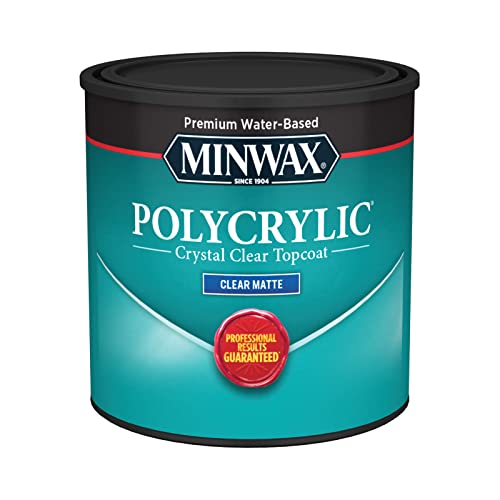
Minwax Polycrylic Protective Finish, Clear Matte, 1/2 Pint, 222224444
- Protects and Enhances Wood Surfaces: Safeguards woodwork, furniture, doors, cabinets
- Crystal Clear Finish: Compatible with all stains and wood types
- Matte Sheen: Provides a sleek, modern, non-yellowing finish
As an affiliate, we earn on qualifying purchases.
As an affiliate, we earn on qualifying purchases.
Frequently Asked Questions
Which Sealer Is Best for High-Traffic Areas?
For high-traffic areas, a gloss sealer is your best choice because it offers superior furniture protection and dust prevention. Its shiny finish makes scratches less noticeable and is easier to clean, helping maintain a fresh look. Satin sealers also work well, but gloss provides a more durable surface. Avoid matte sealers here, as they don’t offer the same level of protection needed for busy spaces.
Are Matte Sealers More Durable Than Gloss?
You might be surprised, but matte sealers aren’t necessarily more durable than gloss; it depends on the product. Matte finishes typically hide imperfections better and offer a soft, non-reflective look, but look for UV resistance to prevent fading over time. If you want durability paired with UV protection, gloss sealers often excel, especially in high-traffic areas, while matte sealers are great for aesthetic appeal.
Can Satin Sealers Be Used Outdoors?
Yes, satin sealers can be used outdoors, but you should choose one with outdoor weatherproofing and UV resistance. Satin sealers provide a balanced finish, offering some shine while maintaining durability against the elements. Make sure to select a product specifically designed for outdoor use, as it will better withstand sun exposure, rain, and temperature changes, keeping your surface protected and looking great over time.
Do All Sealers Require a Top Coat?
Not all sealers require a top coat. It depends on the sealer type and surface preparation. For example, some sealers are self-sealing and don’t need an additional coat, while others benefit from a top coat for extra durability or shine. When applying a sealer, guarantee proper surface preparation for peak adhesion. Follow the manufacturer’s instructions carefully to achieve the best results and protect your surface effectively.
How Long Does Each Sealer Type Typically Last?
Think of your sealer as armor for your surface, lasting differently based on its type. With proper surface preparation and careful sealer application, matte sealers may last 2-3 years, satin around 3-5 years, and gloss up to 5-10 years. Regular maintenance helps extend their life. Keep your surface shielded from harsh elements, and you’ll enjoy the protection and beauty for years to come.
Conclusion
Choosing between matte, satin, and gloss sealers isn’t just about shine; it’s about the vibe you want. While matte offers a soft, understated look, gloss commands attention with its vibrant finish. Satin strikes a balance, blending subtlety with a hint of shine. Think of it as the dialogue between elegance and boldness—each finish speaks to a different style. So, pick the one that best reflects your space’s personality, and let your walls tell their story.